October 23, 2026
By Alma F.

Artificial intelligence is rapidly transforming how online retailers approach digital marketing, moving from an experimental novelty to a core infrastructure component for modern ecommerce platforms like Hostinger Ecommerce, Shopify, and WooCommerce. By analyzing vast amounts of customer, product, and campaign data, AI tools are empowering online stores to attract new shoppers, drive sales conversions, and foster long-term customer loyalty with unprecedented precision.

At its core, artificial intelligence functions in the ecommerce space by identifying complex patterns in consumer behavior—specifically how people browse digital storefronts, complete transactions, and react to promotional campaigns. These insights allow algorithms to recommend complementary products, refine digital advertising campaigns, generate targeted marketing copy, and identify early warning signs that a customer is losing interest in a brand. However, industry experts emphasize that human oversight remains critical. Unchecked automation or reliance on flawed data can quickly result in inaccurate content, irrelevant product suggestions, and wasted advertising expenditures.
What is AI in Ecommerce Marketing?
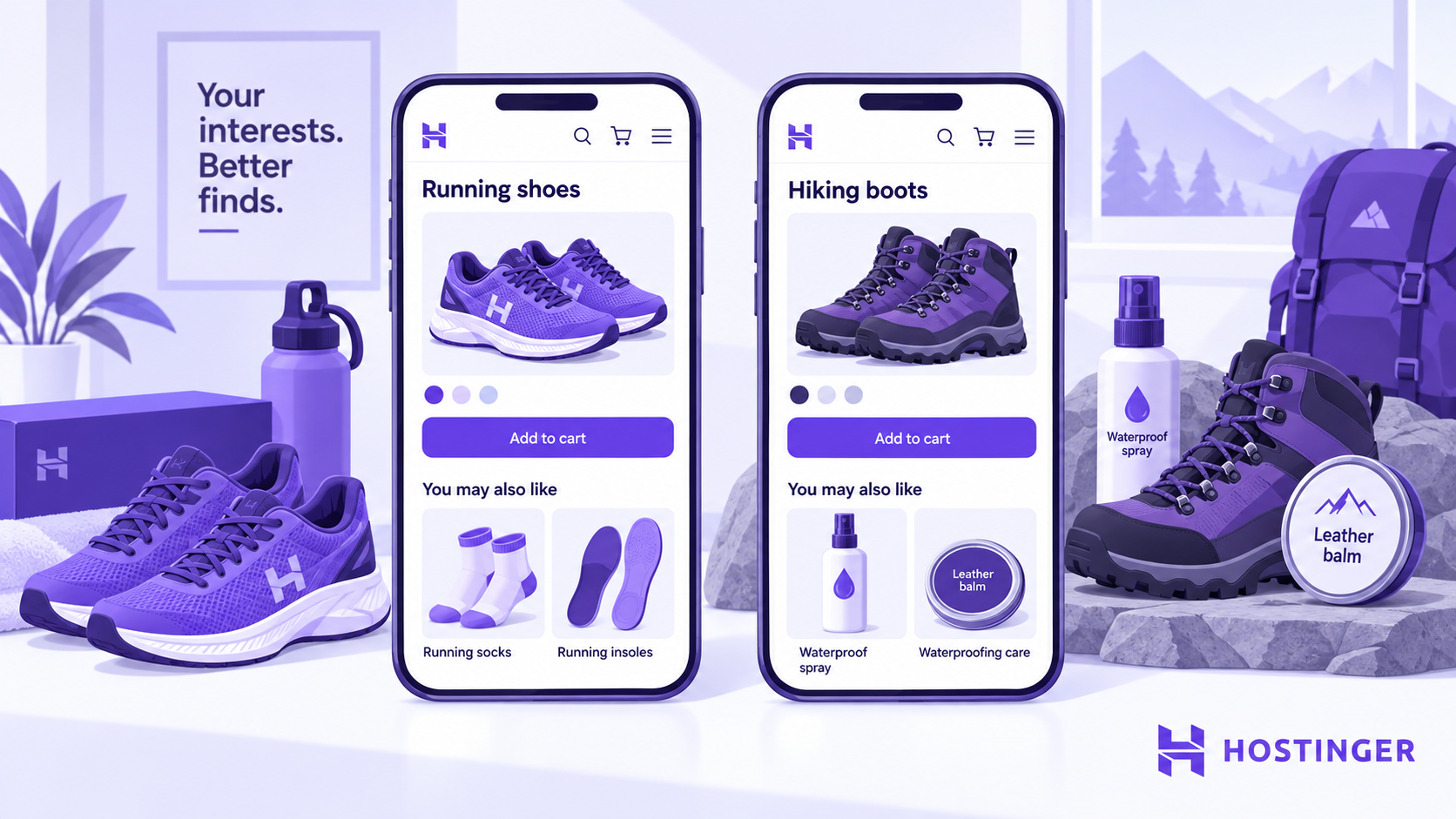
The modern ecommerce marketing landscape relies heavily on specialized AI applications, including automated product recommendation engines, ad optimization systems, generative content tools, and conversational shopping assistants. These software solutions continuously process customer behavior metrics to predict purchasing preferences, draft marketing materials, and field real-time inquiries from prospective buyers.
For instance, a boutique home decor retailer might leverage browsing history data to suggest relevant throw pillows to someone viewing a new sofa collection, automatically generate multiple iterations of a social media advertisement, or flag accounts that have reduced their purchase frequency over the past quarter. In this dynamic, AI handles the heavy lifting of pattern recognition and repetitive administrative tasks, while the human marketer defines the overarching goals and decides which insights require strategic intervention.
How to Use AI in Ecommerce Marketing
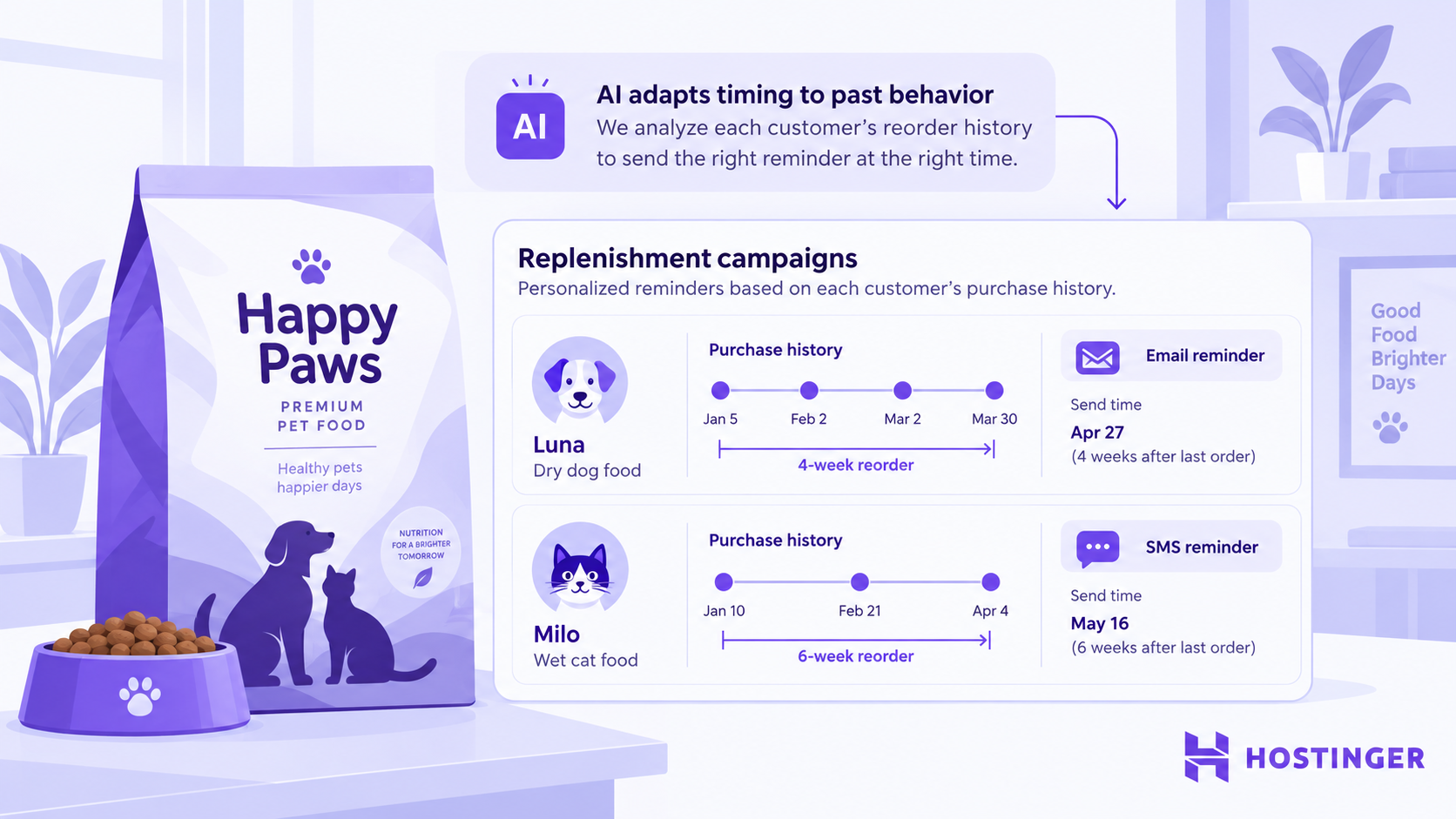
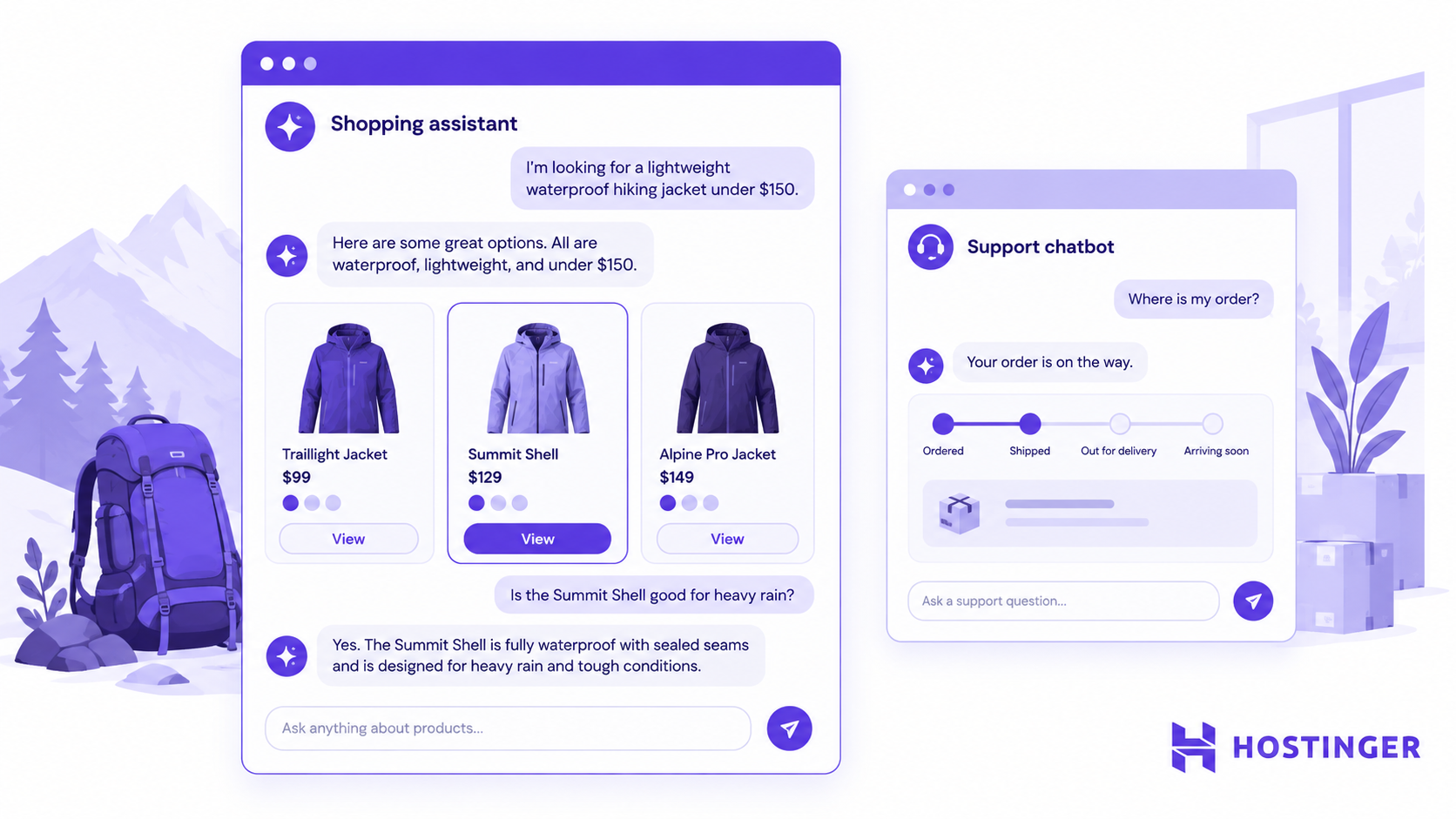
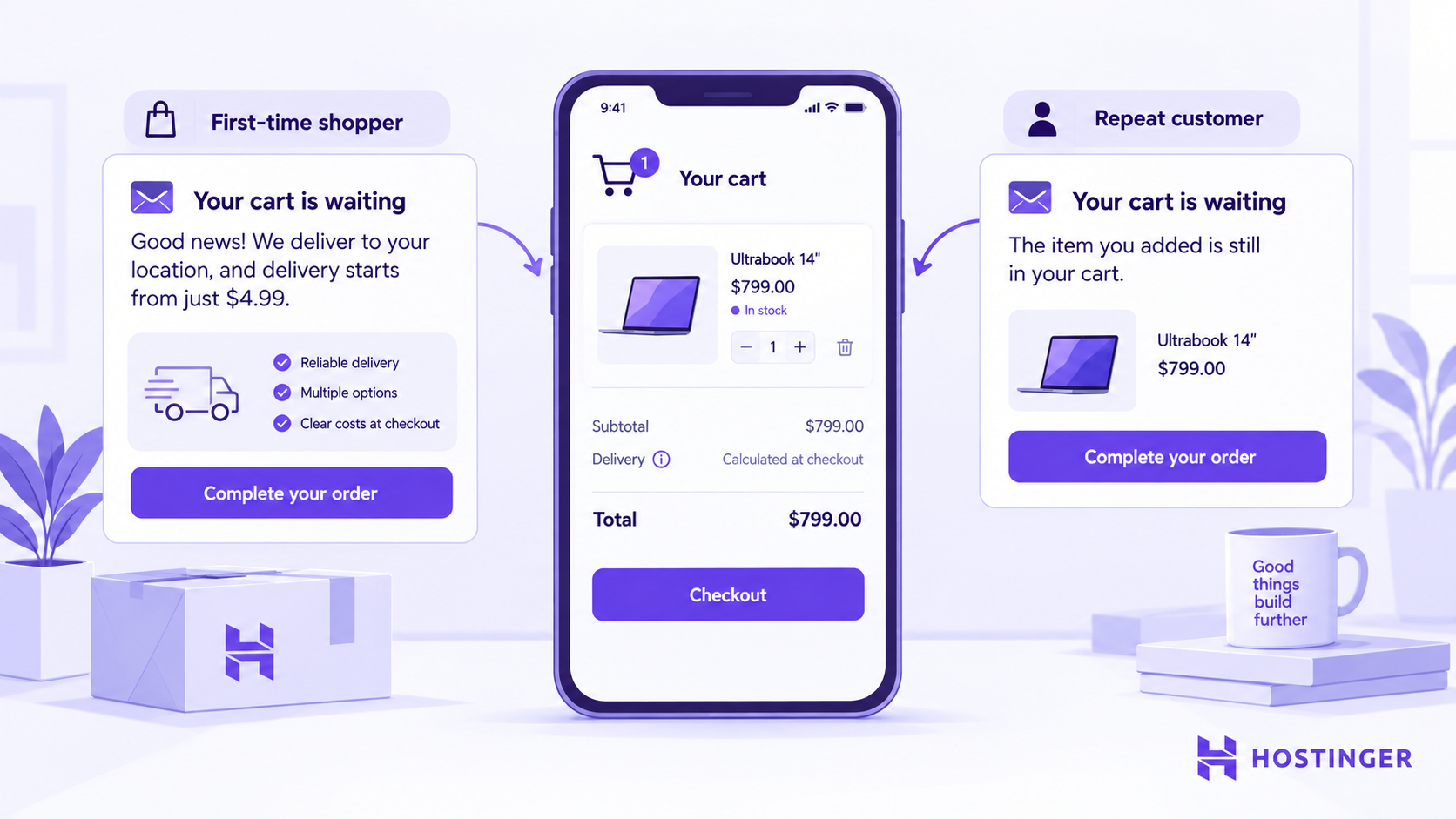
Retailers looking to harness artificial intelligence typically integrate the technology across eight primary marketing verticals: personalizing product recommendations, generating and adapting content, optimizing paid advertising, segmenting customer bases, refining email and SMS campaigns, deploying conversational shopping assistants, recovering abandoned digital shopping carts, and predicting customer churn.
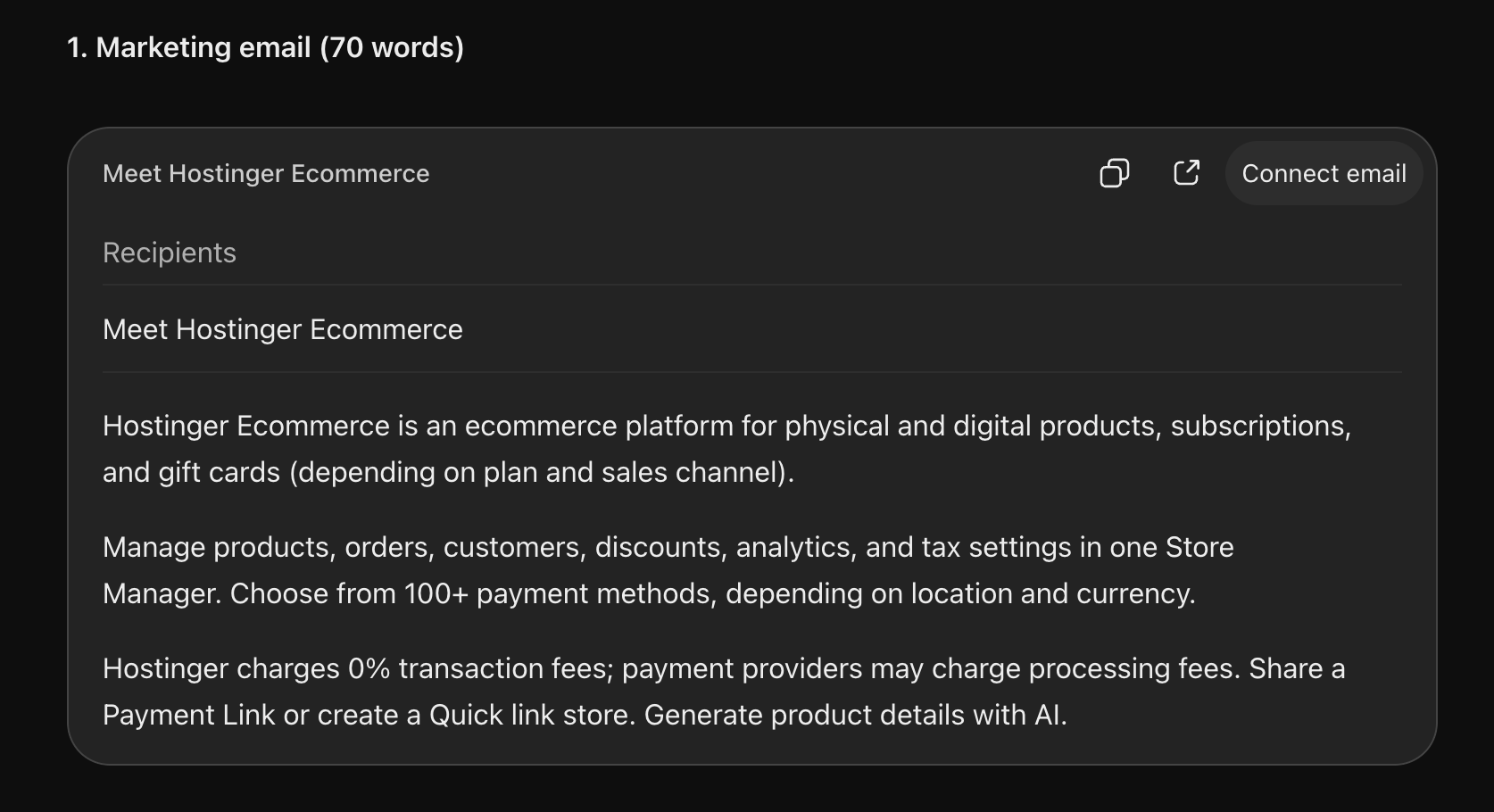
Personalizing product recommendations allows stores to leverage browsing history, cart additions, and historical purchase data to present individual shoppers with items tailored to their specific interests. According to ecommerce trends research, interactive product recommendations can account for up to 31% of total online store revenue when shoppers actively engage with them. By tracking key performance indicators such as conversion rates, average order values, and repeat purchase frequencies, merchants can accurately gauge whether these algorithmic suggestions are effectively driving sales.
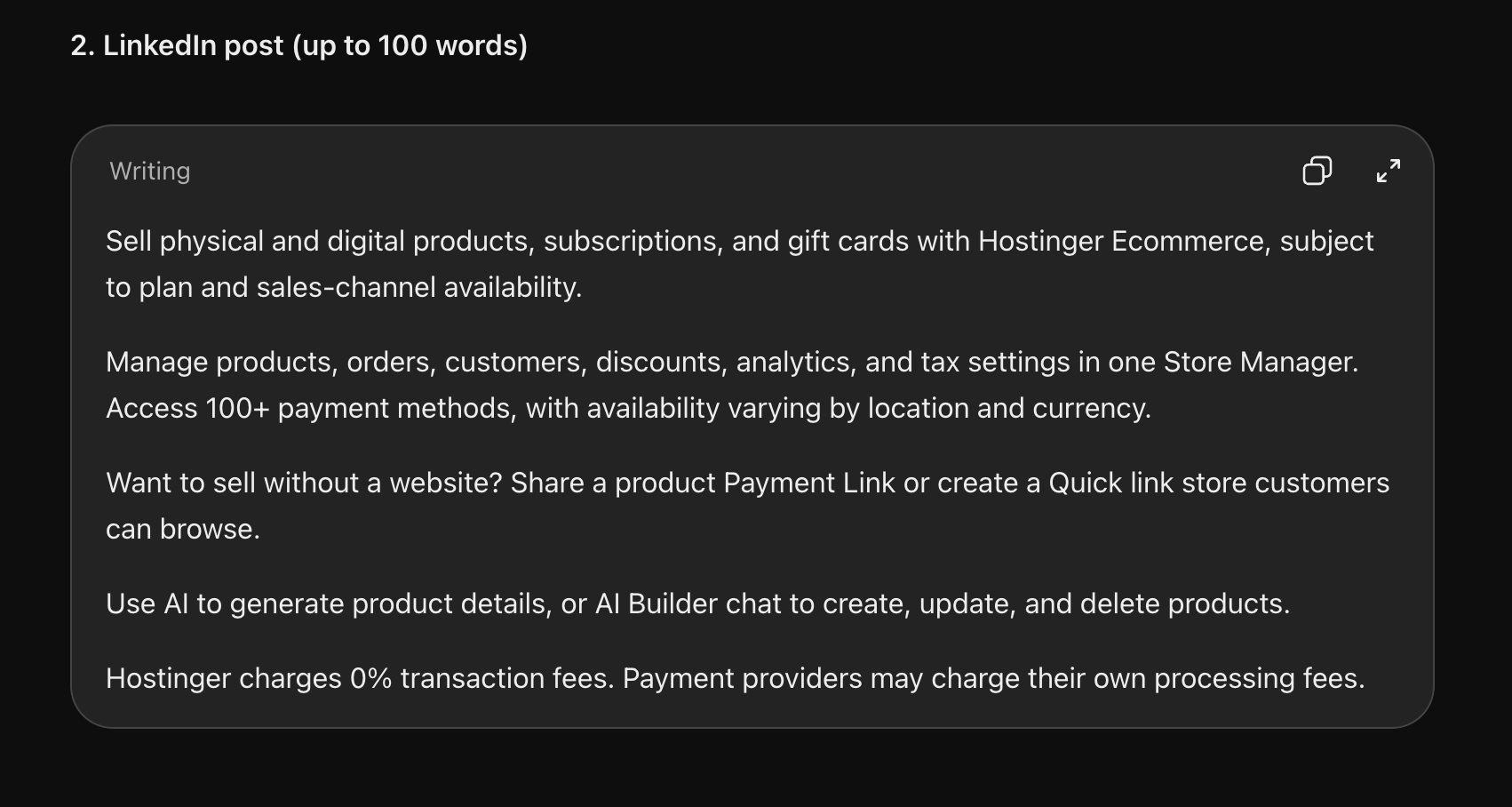
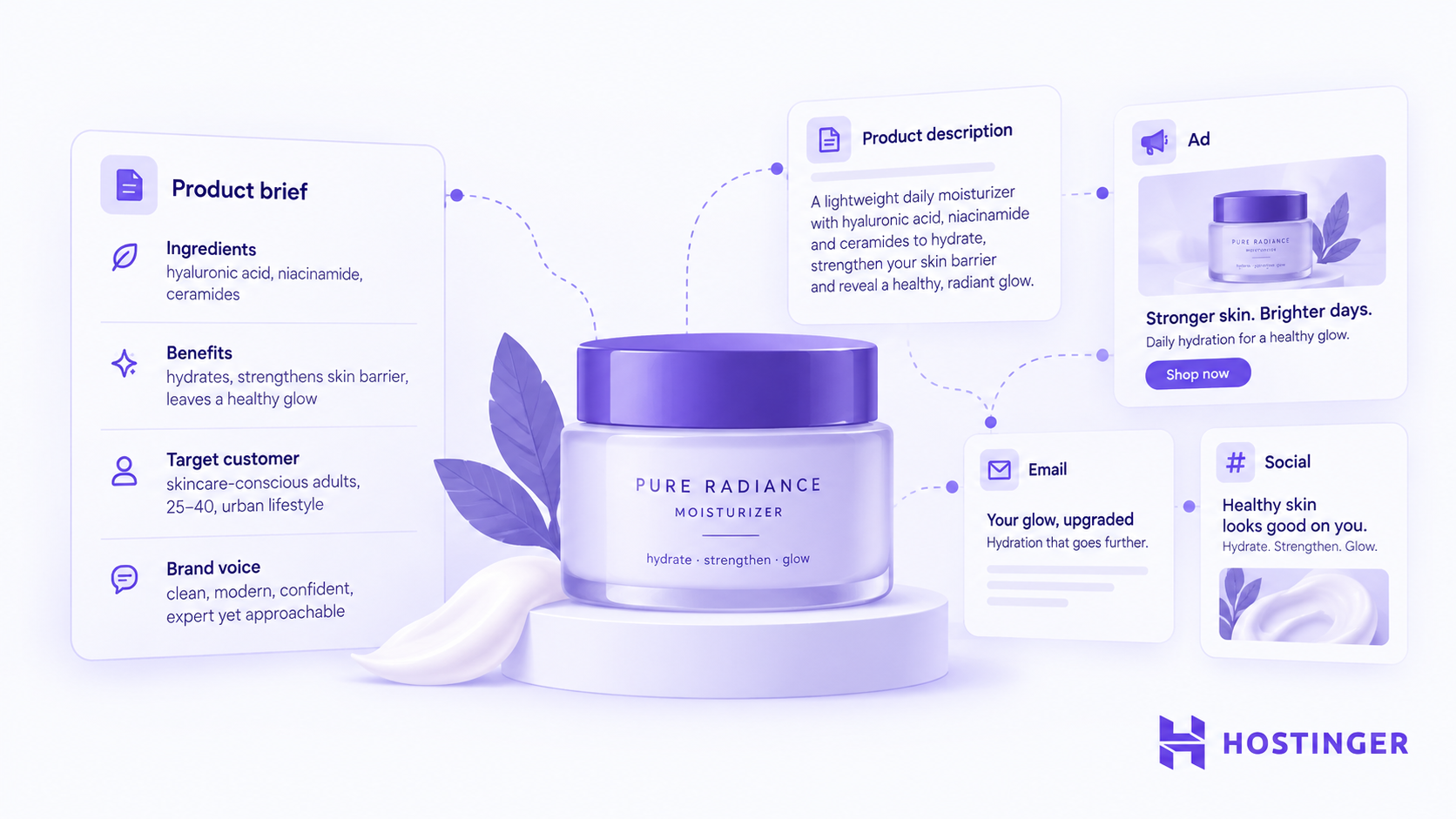
In the realm of content creation, digital marketing statistics indicate that over half of marketing professionals now utilize AI to draft initial copy, while a significant portion relies on these tools for content optimization. By providing an AI content generator with verified source material—such as a new skincare product’s precise ingredient list and brand voice guidelines—marketers can efficiently produce product descriptions, advertising variations, and social media captions. Testing demonstrates that a single verified product brief can be seamlessly adapted into distinct formats, such as promotional emails, professional networking updates, and paid ad headlines, maintaining consistent factual accuracy while adjusting length and structure to fit specific distribution channels. Nevertheless, professionals stress that AI-generated text must always be treated as a draft. Every factual claim regarding pricing, ingredients, material composition, and performance guarantees must be rigorously verified before publication.

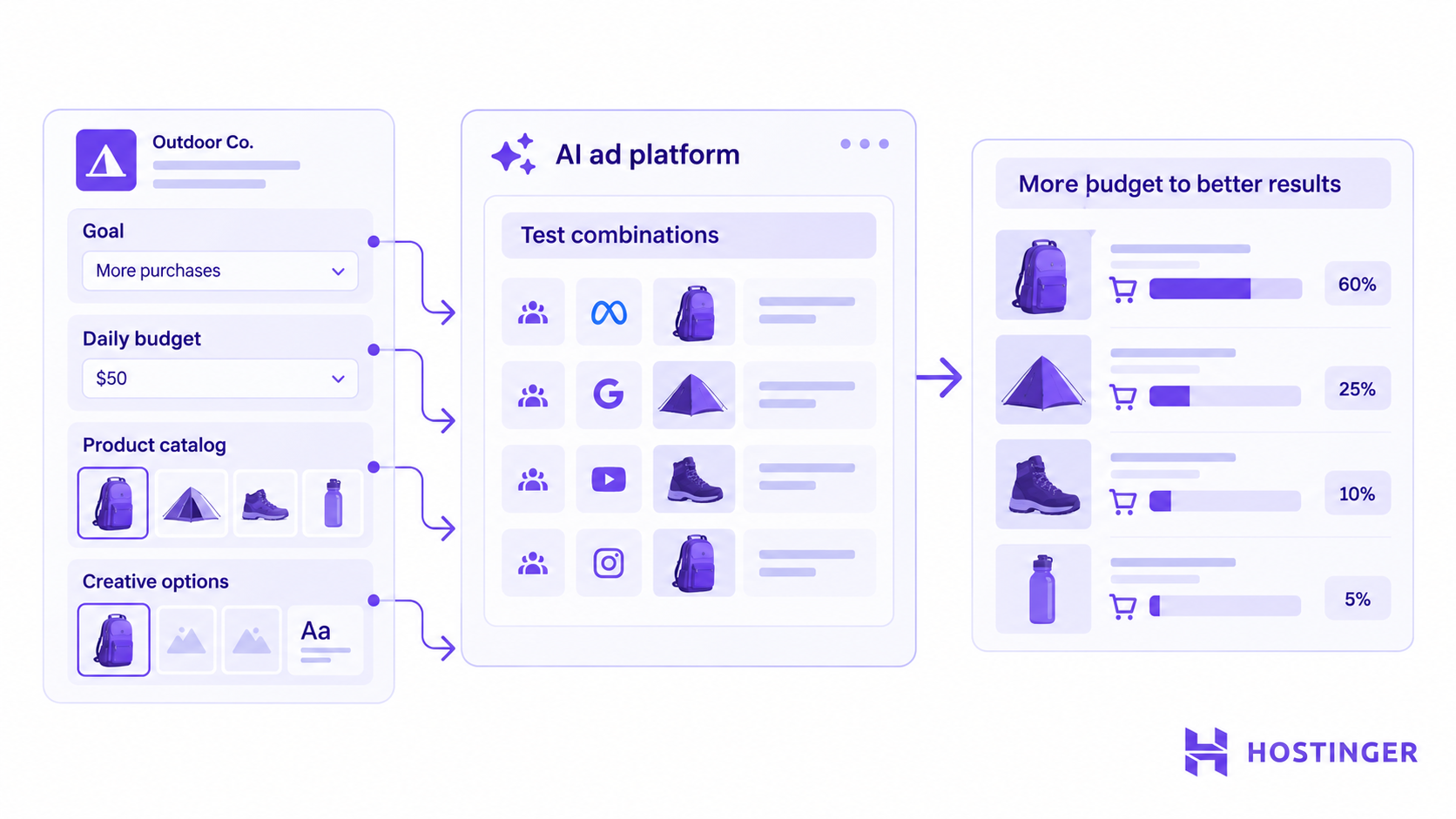
Paid advertising has likewise evolved through automated systems like Meta’s Advantage+ and Google’s Performance Max campaigns. These platforms automatically adjust audience targeting, ad placements, and bidding strategies based on a merchant’s campaign objectives and ongoing performance data. By testing various combinations of imagery, ad copy, and video assets, the algorithms shift advertising budgets toward the most effective delivery combinations. Despite this high level of automation, marketers retain control over the fundamental campaign parameters, including target budgets and baseline tracking metrics.
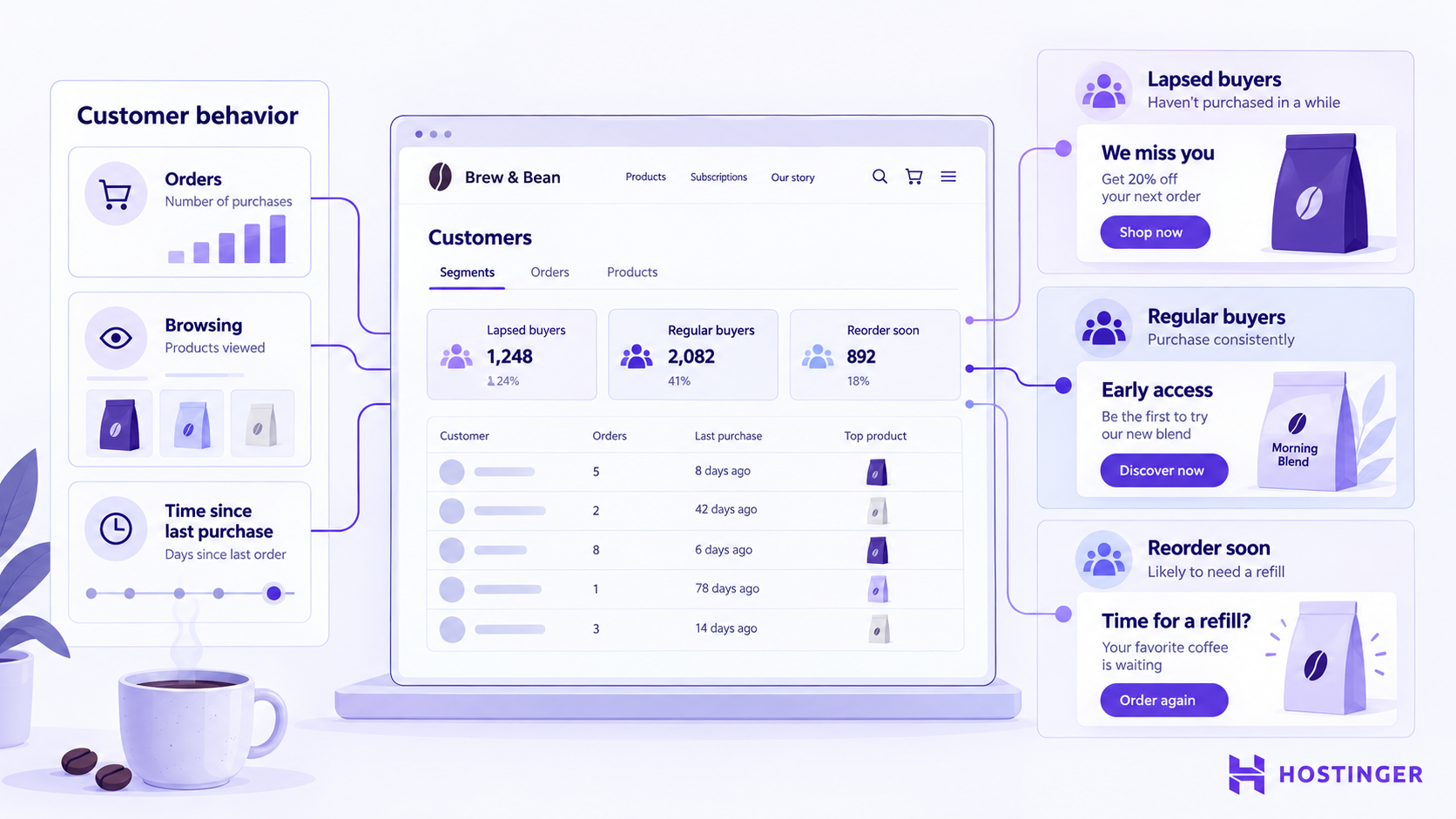
Customer segmentation and retention have also undergone a major shift. By grouping consumers based on shared behaviors—such as purchase history, browsing patterns, and engagement levels—brands can deploy highly targeted email and SMS campaigns. Rather than broadcasting uniform promotions to an entire subscriber list, stores can tailor messaging to specific cohorts, such as lapsed buyers or frequent purchasers. Similarly, conversational shopping assistants allow consumers to describe what they are looking for using natural, everyday language, effectively narrowing down extensive inventories and answering detailed product questions without forcing the shopper to manually navigate complex filter menus.
Limitations and Risks of AI in Ecommerce Marketing
Despite its significant advantages, the integration of artificial intelligence into digital marketing carries distinct risks and operational limitations. The most prominent challenges stem from poor data quality, inaccurate algorithmic outputs, potential customer data exposure, and an overreliance on automated systems. Because AI systems operate exclusively on the data and rules provided to them, underlying errors in customer databases will inevitably cascade into every automated campaign, recommendation, and message sent by the platform.
Duplicate or missing purchase records can present a distorted view of consumer behavior, rendering algorithmic decisions unreliable. Furthermore, generative AI tools are susceptible to producing unsupported claims, such as erroneously labeling a cosmetic product as fragrance-free when the source data lacks that specification. Merchants must also remain vigilant regarding how customer data is processed and stored by third-party AI providers, ensuring compliance with data privacy standards and internal security policies. Over-automating marketing workflows without regular human review can lead to runaway advertising spend or continuous messaging campaigns that no longer align with current business objectives.
Getting Started and Future Outlook
For businesses looking to integrate artificial intelligence into their marketing operations, the most effective approach involves starting small. Experts recommend choosing a single, well-understood marketing task, thoroughly auditing the underlying data, selecting a reliable tool, and running controlled tests against baseline performance metrics before scaling up automation efforts.
As these technological workflows become more reliable, the role of digital marketers is expected to shift further toward strategic oversight. Advanced business AI agents will likely assume responsibility for many of the manual tasks bridging campaign planning and execution, preparing comprehensive updates and optimizations for merchant approval. Ultimately, the success of artificial intelligence in ecommerce marketing will not be measured by the volume of automation employed, but by its tangible impact on operational efficiency, sales performance, and the preservation of brand trust.