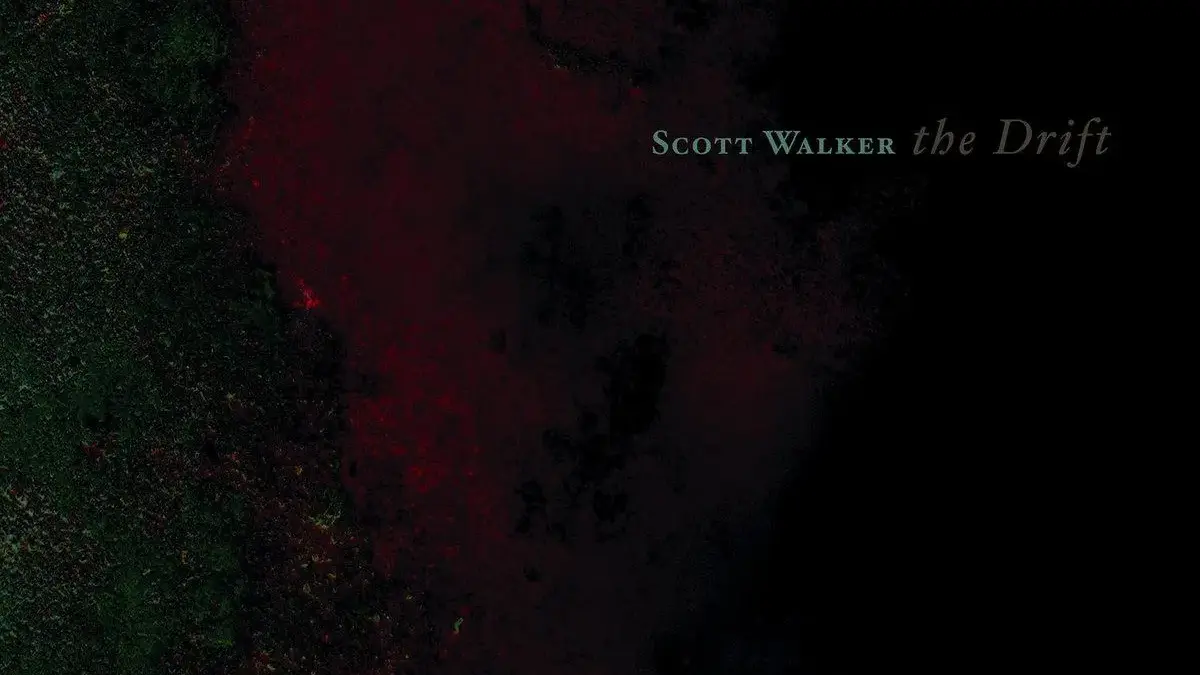
Then, residing in the darkest corners of the sonic landscape, there is music that is genuinely, deeply terrifying. This is the realm inhabited by industrial pioneers like Throbbing Gristle, the punishing drone of bands like The Body, and the late-career masterpieces of singer-songwriter Scott Walker. Among these harrowing artistic statements, Walker’s 2006 album The Drift stands out as a singular, profoundly unsettling achievement that redefines what music can communicate about human suffering and mortality.
Released in 2006, this album from the legendary artist is nothing short of thoroughly upsetting. Throughout the record, Walker explores themes of death, disease, and historical tragedy, but he does so without the comfort of distance or abstraction. Instead, his lyricism offers visceral, unsparing descriptions of real-world horror. Listeners are confronted with the brutal hanging of Italian dictator Benito Mussolini and his mistress, Clara Petacci. Walker sings unflinchingly about the devastating trauma of the September 11 terrorist attacks, the deeply personal and haunting grief of losing his stillborn twin brother, and the horrific atrocities of the Srebrenica genocide. Lyrically, it is about as dark, heavy, and emotionally taxing as a commercial record can possibly get.
Yet, as devastating as the lyrics are, it is the experimental and uncompromising musical backdrop that truly drives the horror home. At various points across the tracklist, the record sounds far more like the nightmarish score to an Ari Aster psychological horror film than anything that could be classified as pop or rock music, even under the most generous and expansive definitions of those genres.
The sonic architecture of The Drift is built on unease. The verses of the song "Jesse," for example, feature seasick, undulating guitars that give way to dissonant, sawing strings that drone oppressively over the chorus, creating an atmosphere of inescapable vertigo. The opening moments of the track "Clara" introduce a low-bitrate MP3 digital noise so abrasive and tactile that listeners can practically feel it grinding in their jaw. According to lore surrounding the production of the album, that same track allegedly features the unsettling sound of Walker’s percussionist physically punching a raw pig carcass as a core component of the rhythm track, lending a literal flesh-and-bone texture to the percussion.
Throughout the album, song structures defy conventional expectations. Compositions will stop dead on a dime, lingering in uncomfortable, deafening stretches of silence before abruptly erupting in violent bursts of mechanical noise, industrial clatter, and avant-garde dissonance. The arrangements pit bizarre elements against one another: animal bleating, meticulous foley work, and sprawling, atonal orchestra sections grind relentlessly against Walker’s signature, theatrical warble.
Nothing on the record is ever quite in tune, and the deliberate lack of harmonic resolution means that it can be a genuine challenge to make it through the album in a single sitting unless the listener is in a very specific, highly resilient frame of mind. However, for those who steel themselves and stick with it through the abrasive sonic assaults, the listening experience can be uniquely rewarding as a work of avant-garde art.
Certain songs and musical performances throughout history are celebrated for being so exquisite and emotionally resonant that they send shivers down the spine or raise goosebumps on the arms of the listener. Scott Walker’s The Drift occupies the exact opposite end of that emotional spectrum. While it will still elicit an involuntary physical reaction from anyone brave enough to spin it, the sensation is less of a thrilling shiver and more of a full-body shudder. It is an uncompromising piece of art that will genuinely make your skin crawl, cementing its place as one of the most uniquely terrifying auditory experiences ever recorded.
Scott Walker’s The Drift is available on Bandcamp and across most major digital streaming services, including YouTube Music, Apple Music, Qobuz, Deezer, and Spotify, allowing adventurous listeners to explore its dark depths for themselves.