October 23, 2026
By Bruno S.
As social commerce continues to reshape the digital retail landscape, Instagram remains a vital pipeline for online storefronts. In the third quarter of 2026, data from Hostinger Ecommerce reveals that at least 17.3% of ecommerce shopping carts containing products were opened directly inside Instagram’s in-app browser. This figure underscores the platform’s enduring power as a bridge between casual browsing and transactional intent, even as Meta enacts sweeping architectural changes to how commerce functions on its apps.
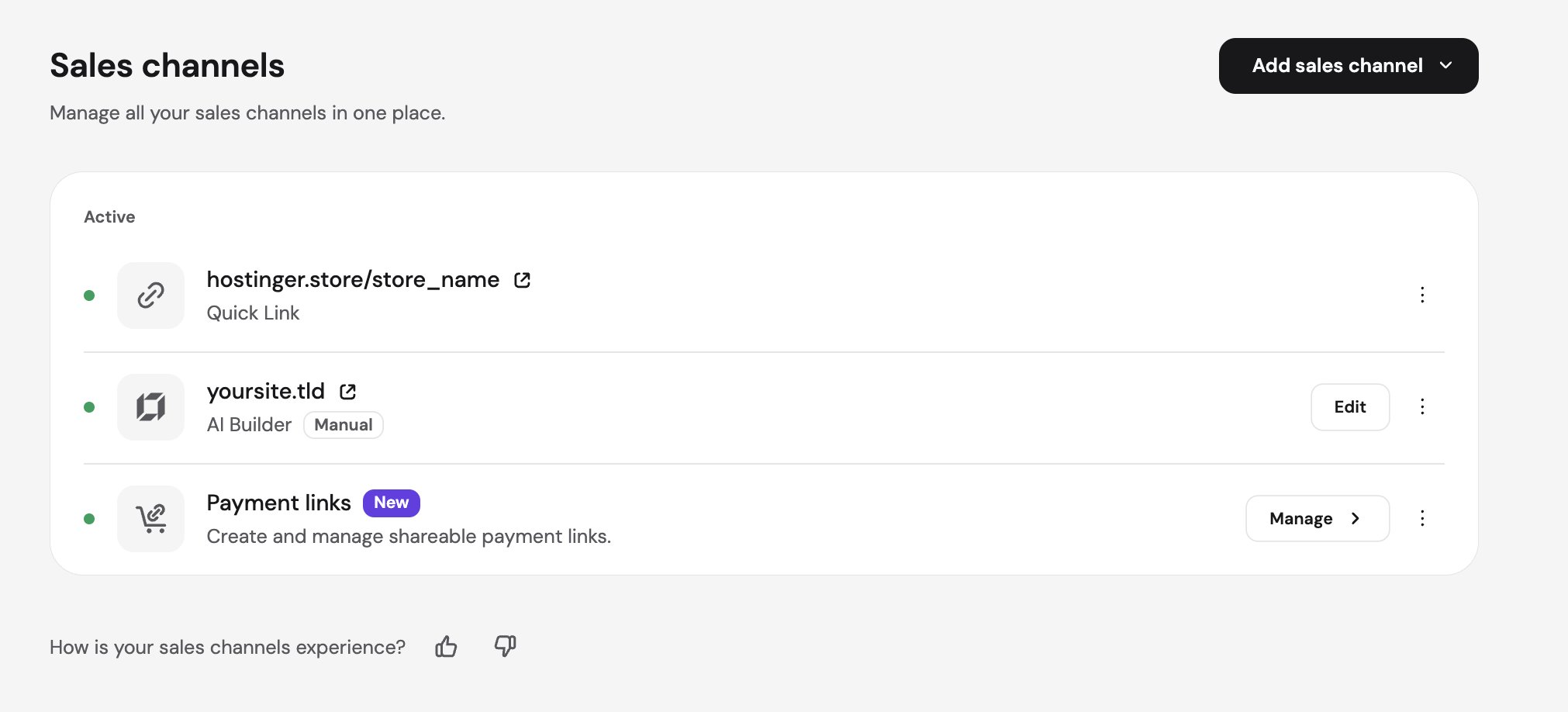
Over recent years, Meta has systematically dismantled legacy shopping structures—retiring the dedicated Shop tab from the main navigation in February 2023 and ending Live Shopping shortly thereafter. By late 2025, the tech giant completed a fundamental shift by moving checkout entirely to sellers’ independent websites. Today, every Meta-powered shop relies on a website checkout model where transactions conclude on the merchant’s domain rather than within Instagram itself. Despite these shifts, product tagging remains a resilient feature, expanding across Reels and offering merchants fresh avenues to connect with prospective buyers.
Operating a storefront on Instagram carries no direct platform fees from Meta, leaving merchants to budget primarily for their underlying store subscriptions, targeted advertising campaigns, and standard payment processing fees charged by providers like Stripe and PayPal. To capitalize on this ecosystem, businesses must transition to a professional account, curate a comprehensive product catalog via Meta Commerce Manager, and master the art of directing traffic from bios, Stories, and direct messages directly to optimized product pages.
The foundational step for any merchant looking to commercialize their presence on the platform involves upgrading to an Instagram professional account. This free classification unlocks essential promotional tools, messaging frameworks, and eligibility reviews for shopping features. Navigating the settings menu allows creators and business owners to execute this transition, though it immediately makes the profile public and searchable by external search engines, necessitating the archiving or removal of personal content beforehand. When configuring the account, selecting the "Business" category aligns with Meta’s requirement for merchant accounts, whereas the "Creator" tier is designated for public figures and influencers.
Following the account upgrade, establishing a storefront requires integrating with Meta Commerce Manager. This centralized tool houses critical business assets, including product catalogs and Facebook Pages. Meta enforces strict commerce eligibility requirements across multiple operational areas, requiring businesses to connect a custom domain rather than relying on shared store builder addresses. Because accounts with sparse content risk rejection due to a lack of an established presence, merchants are advised to maintain a steady publishing schedule while their shop undergoes Meta’s review, which can take up to several weeks.
Once an account gains shopping approval, managing a product catalog becomes central to utilizing clickable product tags in posts and Reels. Catalogs can be populated through manual entries, data feeds, or direct platform synchronizations with ecommerce systems like Hostinger Ecommerce. Each product listing must meet rigorous data standards, featuring unique identifiers, compelling titles, accurate pricing, and direct links to the merchant’s website. Maintaining inventory synchronicity is critical; businesses must update Commerce Manager promptly whenever items sell out or change prices to prevent broken links or outdated pricing from alienating prospective buyers.
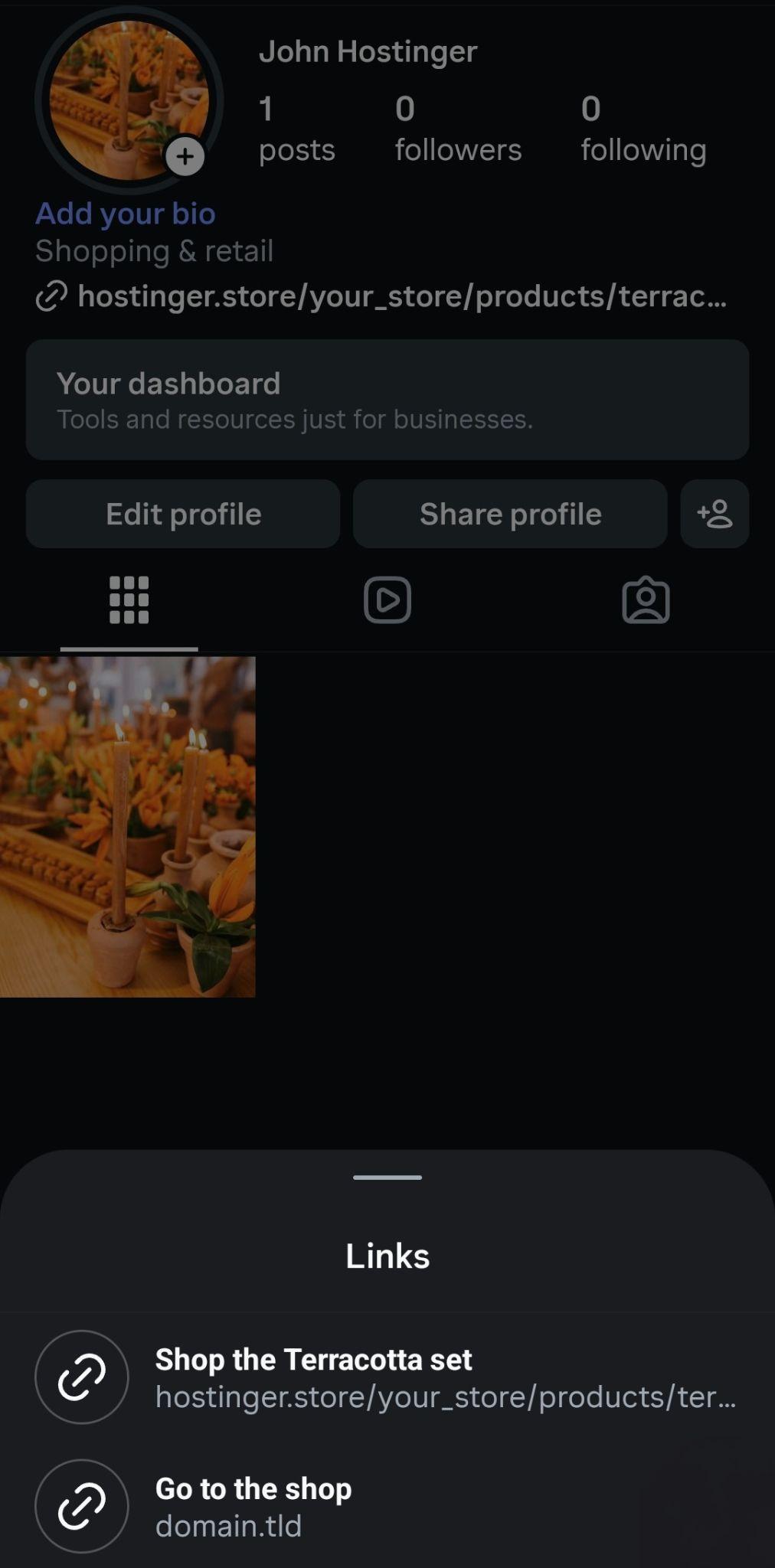
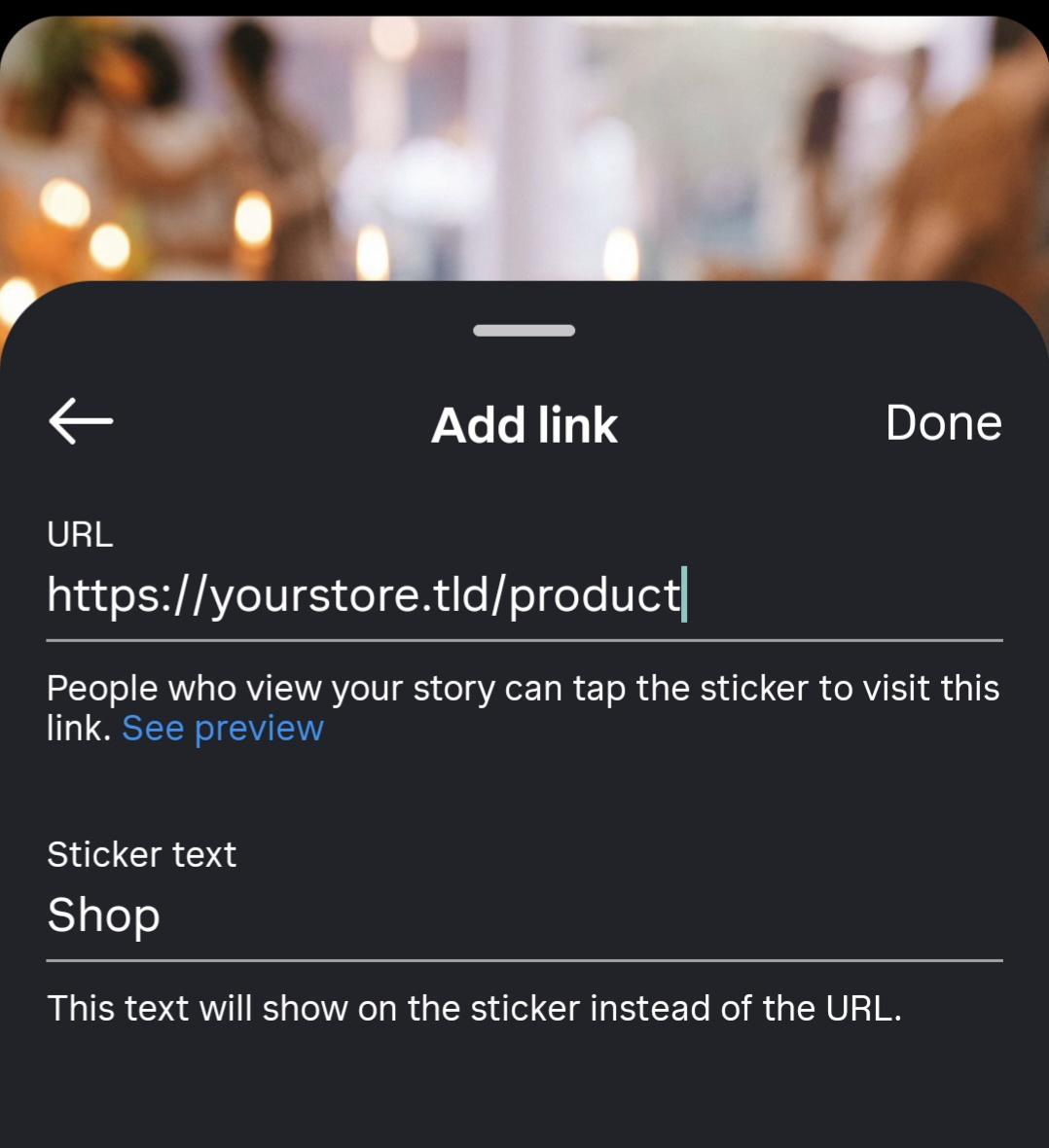
For merchants awaiting shopping approval—or for those whose offerings, such as digital products or subscriptions, fall outside Meta’s commerce policies—driving sales through organic content and direct messaging remains an effective alternative. Optimizing the Instagram profile is essential in this phase, requiring a clear profile photo, recognizable brand name, descriptive bio, and a strategic bio link. Rather than directing traffic to a generic homepage, best practices dictate pointing the bio link directly to the specific product or collection currently being promoted, thereby reducing friction for interested shoppers.

Content strategy plays a pivotal role in converting passive viewers into active buyers. Utilizing a mix of short-form Reels, swipeable carousels, and time-sensitive Stories allows brands to showcase product scales, real-world applications, and detailed features. Captions function effectively as miniature product descriptions, clearly stating the item’s primary benefit paired with a definitive call to action. Furthermore, utilizing automated social media tools and adding descriptive alt text ensures that content remains accessible to all audiences, including those utilizing screen readers.
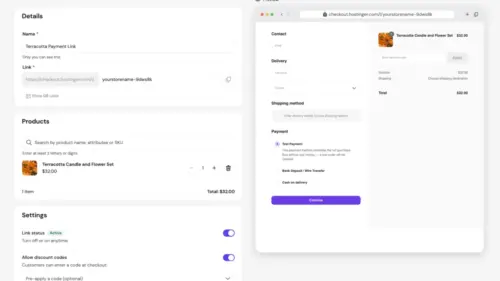
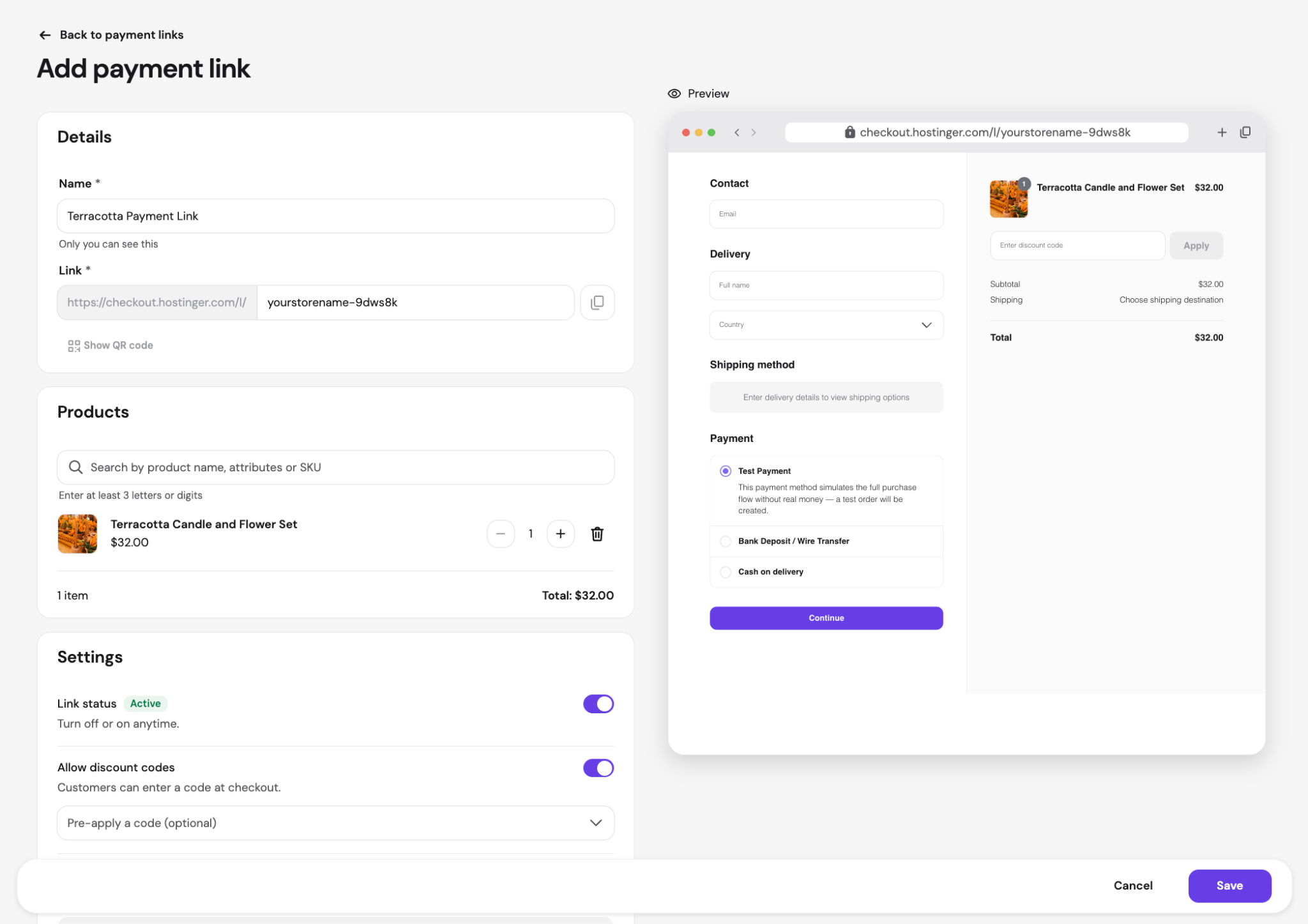
Paid promotion further amplifies these organic efforts through boosted posts, which transform standard content into targeted advertisements without necessitating a complex ad manager setup. Advertisers can customize goals to prioritize website visits over mere profile exploration, ensuring that ad spend directly translates into traffic destined for checkout pages. Similarly, utilizing direct messages for customer engagement allows brands to answer sizing, shipping, and return inquiries swiftly, often utilizing saved replies and direct payment links to seal transactions seamlessly at the moment of consumer intent.
Ultimately, the evolving architecture of social commerce places the independent online store at the very center of a brand’s digital strategy. Whether utilizing advanced product tags through an approved Instagram Shop or relying on direct links embedded within bios, Stories, and direct messages, merchants retain complete control over their inventory, customer data, and checkout experiences. As platform features continue to adapt, maintaining a robust, independent ecommerce foundation ensures that businesses remain resilient, capturing high-intent traffic regardless of interface updates.