As conversational artificial intelligence reshapes how millions of people seek information online, website owners and digital marketers face an entirely new paradigm for visibility. Unlike traditional search engines that serve a static page of blue links, OpenAI’s ChatGPT responds through fluid dialogue, pulling and synthesizing sources dynamically based on relevance, trustworthiness, and technical accessibility. Navigating this shifting digital landscape requires understanding how OpenAI’s systems discover, evaluate, and cite web content.
At its core, earning visibility in ChatGPT requires allowing OpenAI’s dedicated search crawler onto your domain, publishing content that directly answers specific user intent, and establishing a reputable presence on trusted external platforms. Because ChatGPT synthesizes responses by rewriting user prompts into targeted queries, visibility is influenced by a combination of technical readiness and structured, high-intent content.
How ChatGPT Selects and Cites Websites
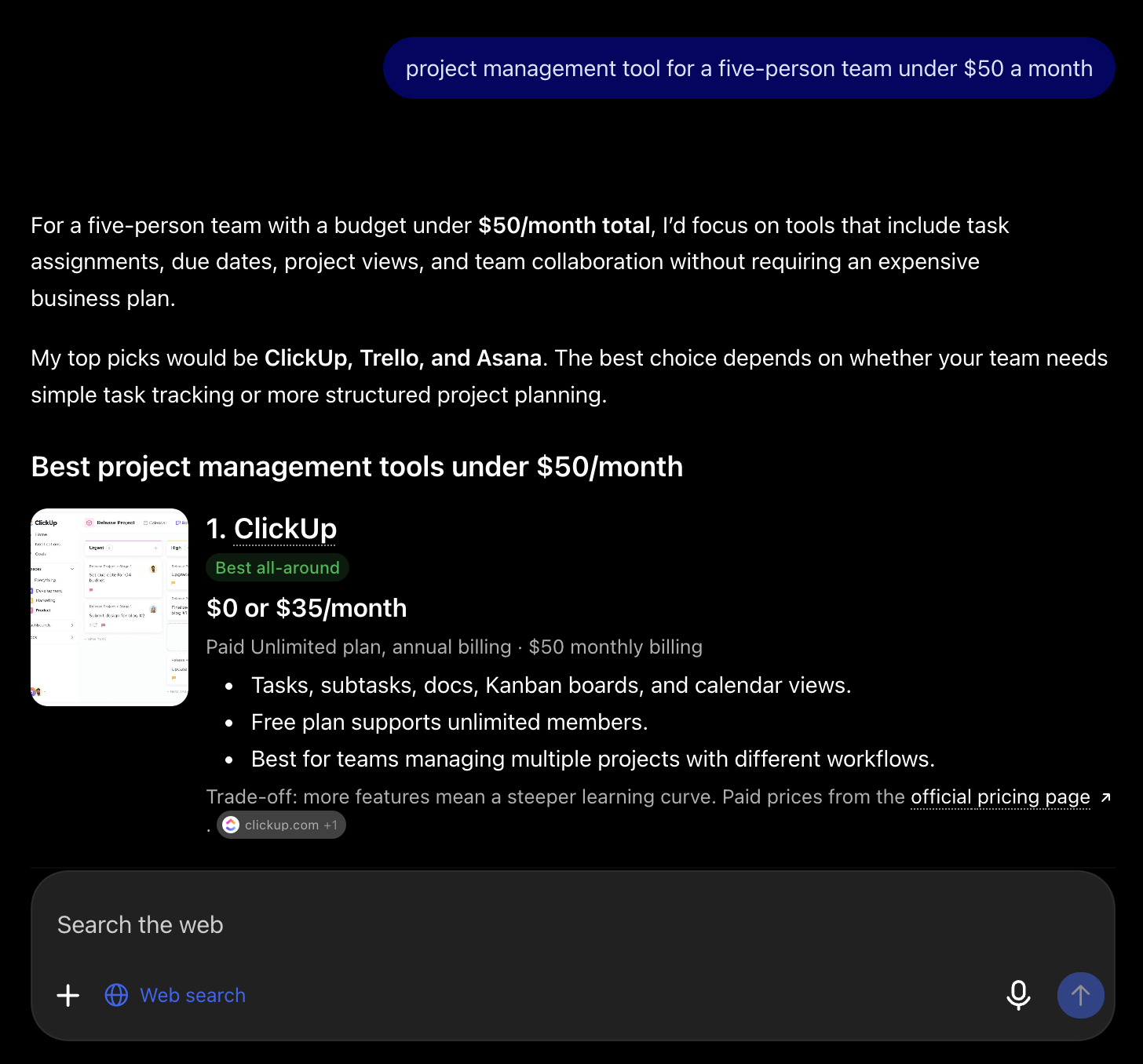
When a user asks a question requiring up-to-date information, ChatGPT initiates a live web search. The chatbot translates the original prompt into one or more refined search queries, aggregating data from partner search providers and OpenAI’s proprietary crawler. This means that two individuals asking the exact same question using different phrasing may receive entirely different source material. Furthermore, localized data and memory features that retain details from past interactions mean that answers remain highly personalized.
A key distinction in this ecosystem is the difference between a brand mention and a website citation. A mention occurs when a brand name is referenced within ChatGPT’s response text without an accompanying hyperlink. Conversely, a citation includes a clickable link to the source page, appearing next to supported sentences and within the designated sources menu. While citations are generated during live web searches, brand mentions can originate from either live searches or the static training data the model learned from. Consequently, a chatbot might reference a popular software tool by name in an initial summary before formally citing its official website further down in the response.
Managing Crawler Access and Technical Readiness
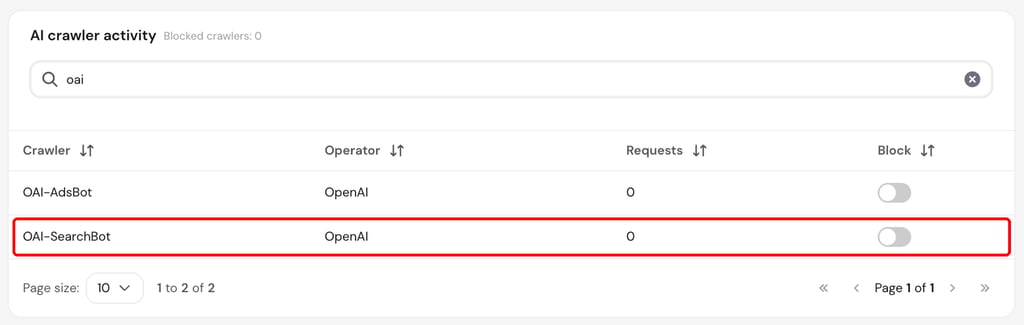
The foundational step for any website seeking visibility in AI search is ensuring that OpenAI’s search crawler, known as OAI-SearchBot, has unimpeded access to the domain. Website administrators typically manage this through the robots.txt file located in the site’s root directory. Industry analysis demonstrates an emerging standard where site owners permit search crawlers like OAI-SearchBot while simultaneously restricting training crawlers such as GPTBot. These two bots operate independently, meaning a site can permit citation visibility while opting out of data collection for AI model training.
Beyond file-level permissions, site infrastructure and security configurations play a critical role. Firewalls, content delivery networks, and bot-detection systems can inadvertently block legitimate crawlers if security thresholds are set too aggressively. When security filters demand human-verification challenges or block automated requests outright, the crawler fails to read the underlying pages, effectively rendering the site invisible to ChatGPT search functionality.
Technical accessibility also extends to how content is rendered. Pages that rely heavily on client-side JavaScript to load vital details—such as pricing tiers, product specifications, and direct answers—risk exclusion if automated crawlers cannot execute the scripts effectively. Ensuring that crucial textual information exists directly within the raw HTML code of the page provides the clearest path for discovery and citation.
Content Strategy and External Authority
Beyond technical configuration, the nature of the content itself dictates whether ChatGPT selects a page for citation. Modern AI prompts are frequently detailed, incorporating specific parameters such as budget limits, team constraints, or required features. Content that methodically addresses these specific qualifiers gives the AI model precise facts to match and quote. Vague overviews or generalized summaries lack the granular detail required for an AI system compiling a precise answer to a complex query.
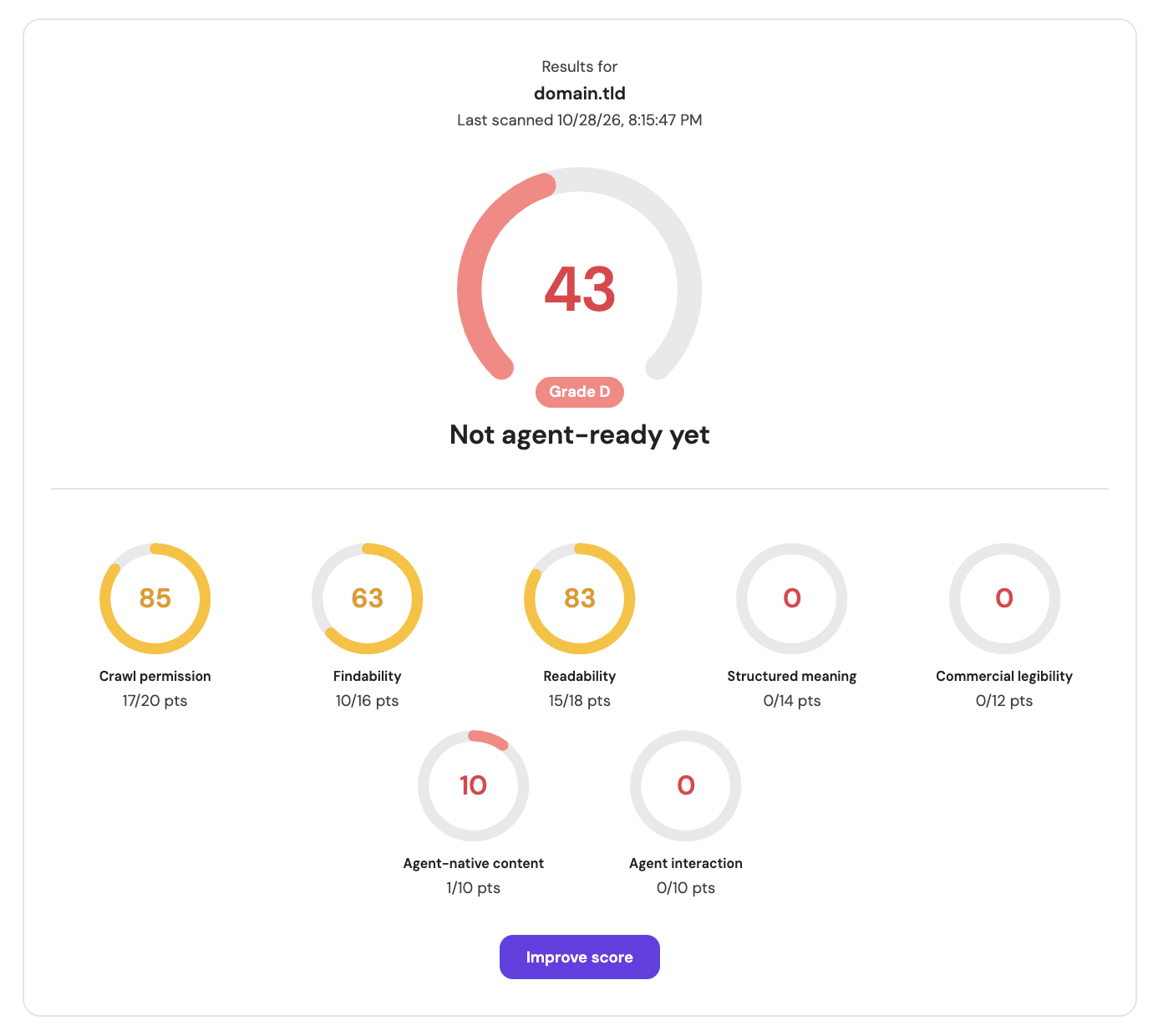
Simultaneously, external brand reputation remains a powerful catalyst for AI visibility. ChatGPT frequently draws upon third-party review platforms, industry comparison articles, business directories, and online forums when evaluating authority. Establishing a strong, accurate presence across these trusted external sites ensures that when OpenAI’s search algorithms look outward for corroboration, the brand is represented favorably and accurately.
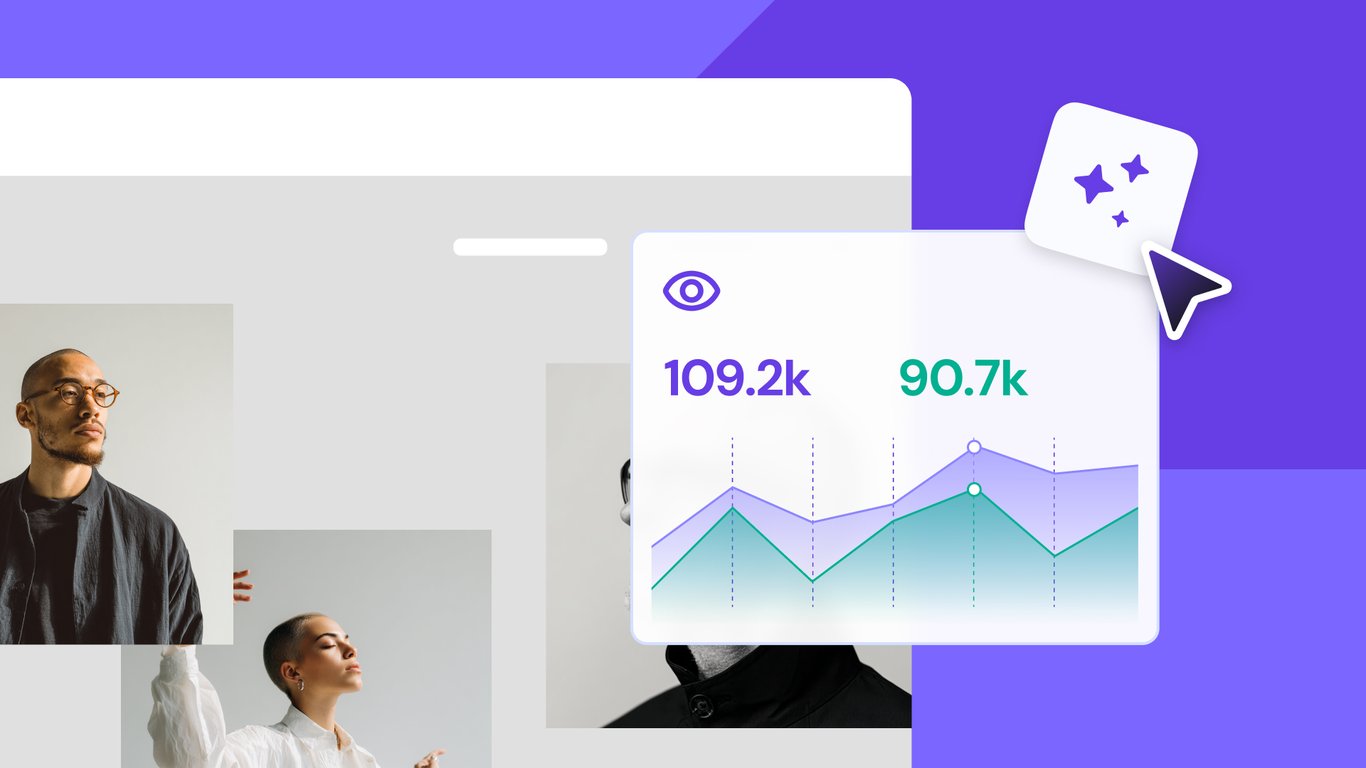
Tracking visibility over time requires a multi-faceted approach. Because standard website analytics only capture traffic from direct clicks on citation links, marketers must combine visitor metrics, server-side crawler logs, and manual answer logging to gauge performance accurately. Regularly auditing technical configurations and maintaining consistent, high-intent content remains essential as conversational search continues to evolve.