Keyboards stand as arguably the most important, if not definitively the single most important, hardware peripherals in any modern computer ecosystem. Whether for professional work, competitive gaming, or casual daily browsing, users interact with their keyboards continuously. For the vast majority of individuals, the keyboard serves as the primary physical input source, bridging the gap between human intent and digital action on the screen. Despite this foundational role, countless computer users continue to rely on subpar typing hardware. Many settle for generic, low-quality boards that were bundled as free accessories with a previous desktop purchase, or worse, struggle indefinitely with the cramped, unergonomic mechanisms permanently built into standard laptop chassis.
Investing in a quality keyboard changes the entire computing experience, yet this peripheral is frequently overlooked during hardware upgrades. While consumers routinely spend hundreds—sometimes thousands—of dollars on high-end graphics cards, ultra-fast solid-state drives, high-refresh-rate monitors, and powerful processors, they often relegate the physical interface through which they control their machines to an afterthought. This discrepancy makes the keyboard one of the most impactful yet accessible upgrades available to anyone who spends significant time in front of a monitor.
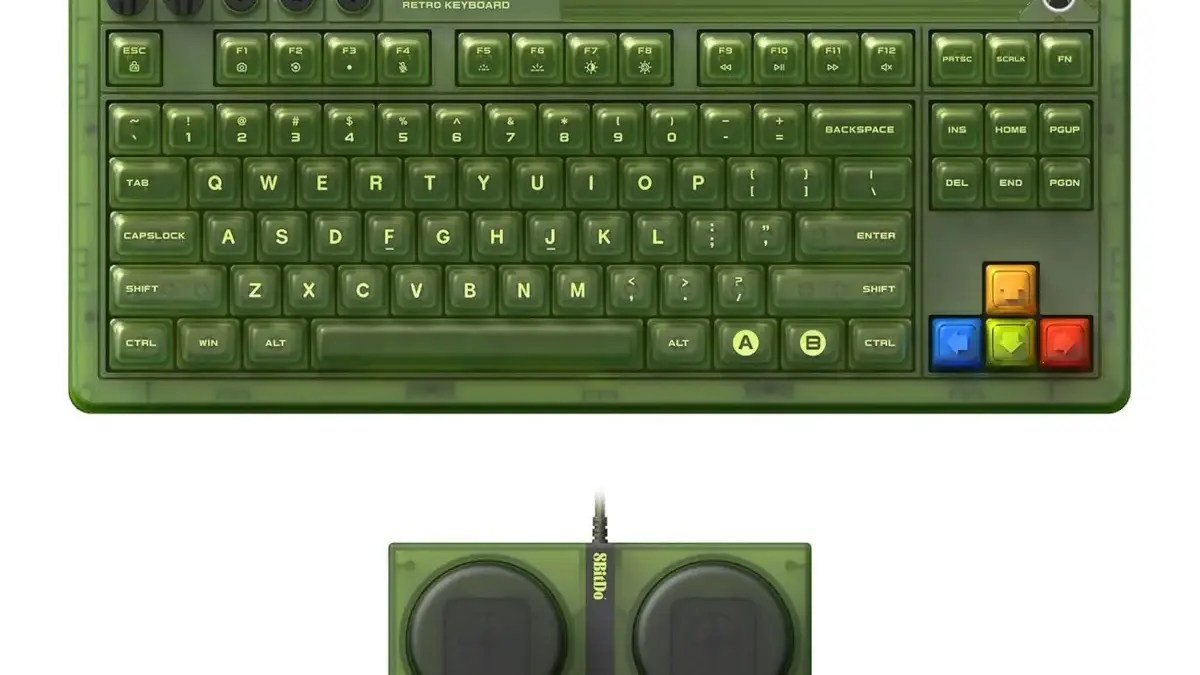
For anyone shopping for a gamer, an avid writer, a software developer, or simply anyone who relies on a computer for their daily routine, a keyboard upgrade offers an immediate and noticeable improvement in comfort and efficiency. Even seasoned keyboard enthusiasts who already own multiple custom mechanical boards can appreciate the addition of a new model to their collection, particularly when that device fills a specific functional niche. Modern mechanical keyboards vary wildly in design, acoustics, and purpose, ranging from ultra-low-profile boards optimized for portability and seamless travel to nostalgic, retro-inspired peripherals that pay homage to classic computing aesthetics and vintage video game consoles.
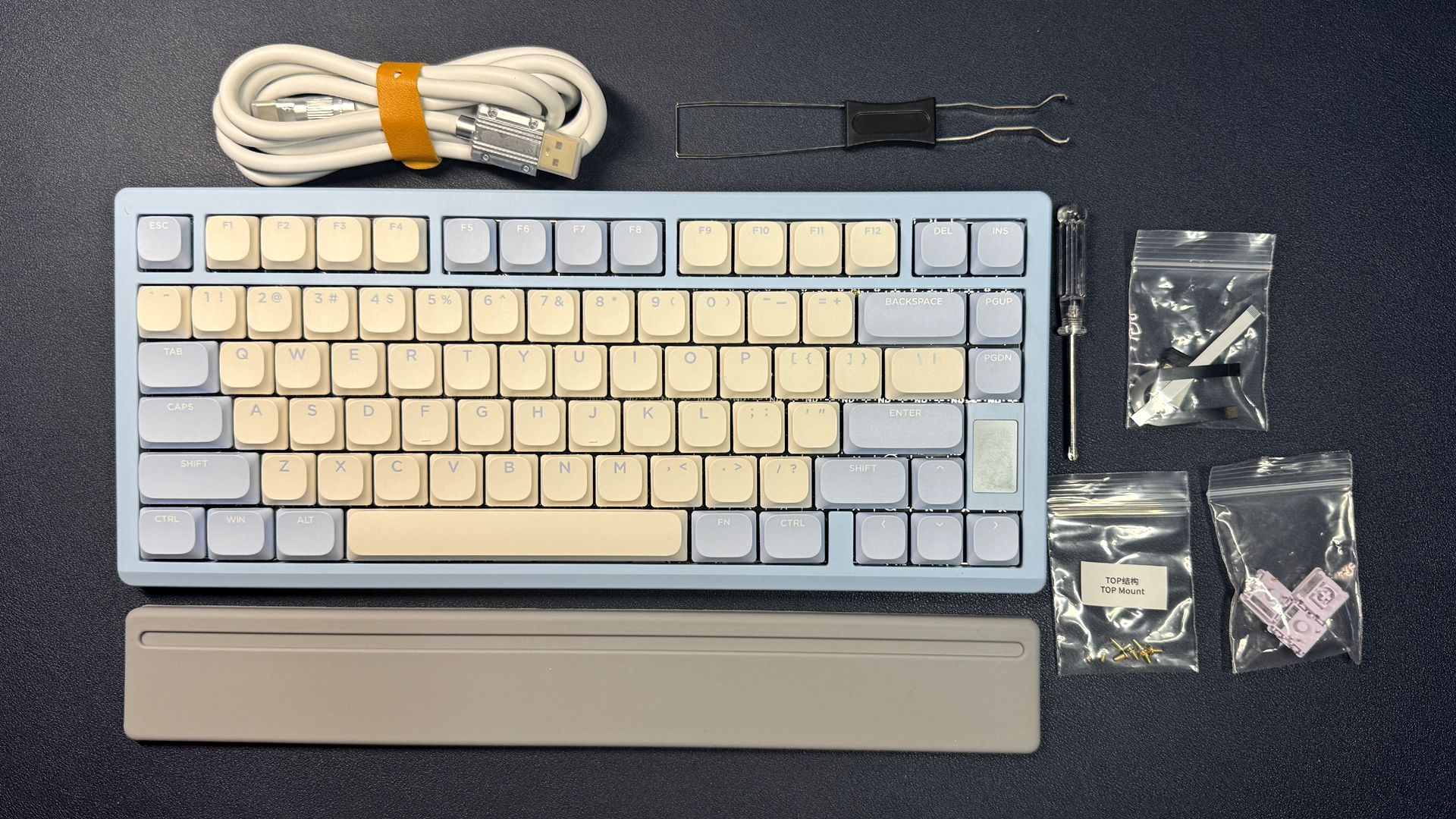
The market for mechanical and customized keyboards has experienced a massive renaissance over recent years, moving far beyond the noisy, utilitarian office keyboards of the past. Today’s consumers have access to an incredible array of mounting styles, switch types, and keycap profiles, allowing for a level of tactile and acoustic personalization that was previously unimaginable for the average buyer. Brands have begun focusing heavily on typing feel, sound profiles, and ergonomic benefits, ensuring that a prolonged typing session or an intense gaming marathon results in significantly less hand fatigue and physical strain.
Furthermore, the appreciation for superior input devices extends well beyond professional typists and hardcore enthusiasts. Casual computer users often do not realize how much physical feedback matters until they experience a properly engineered mechanical or high-end membrane keyboard. The satisfying tactile bump of a tactile switch, the smooth actuation of a linear switch, or the crisp acoustics of a well-lubricated stabilizer can fundamentally transform how a person feels about using their computer. Upgrading from a flimsy, flex-prone plastic stock keyboard to a solid, gasket-mounted aluminum chassis creates a sense of durability and reliability that permeates every single interaction with the machine.
As hardware ecosystems continue to evolve, peripherals like the keyboard remain the constant denominator in human-computer interaction. No matter how advanced processors become or how realistic video game graphics get, the physical act of typing remains largely unchanged, making the tools we use to execute those keystrokes more vital than ever. Recognizing the value of a superior keyboard means acknowledging that the hardware touching your fingers every single day deserves as much careful consideration as the components hidden away inside your PC tower or laptop case.