It is a remarkably challenging era for PC gamers, enthusiasts, and system builders navigating a landscape defined by persistent supply constraints and high costs. High-performance graphics cards remain frustratingly scarce, while critical internal components like RAM and high-capacity storage have become prohibitively expensive for budget-conscious consumers. To compound the frustration for those eagerly anticipating the next major milestone in interactive entertainment, recent leaks indicate that the highly anticipated PC port of Grand Theft Auto VI will not materialize until sometime in 2027 at the earliest. For a community accustomed to long waits, the prospect of waiting months or even years beyond the initial console launch is a bitter pill to swallow.
Yet, despite the formidable barriers currently facing core hardware upgrades, there are still plenty of practical and impactful ways to revitalize a computing environment. Rather than pouring money into scarce GPUs or overpriced memory modules, enthusiasts are increasingly looking outward, transforming their immediate environments by upgrading their desk spaces. Refining the desktop ecosystem offers an immediate, tangible boost to daily productivity and entertainment without requiring a complete system overhaul.
Industry analysts and hardware reviewers note that while internal components dominate headlines, the peripheral and desktop accessory market continues to thrive by solving everyday ergonomic and organizational pain points. Previous coverage has extensively explored essential input devices, diving deep into mechanical keyboards, custom switches, and specialized gaming accessories designed to optimize tactile feedback and responsiveness. Building on those foundation elements, attention has naturally shifted toward auxiliary desk devices that streamline connectivity, enhance cable management, improve long-term ergonomic comfort, and maintain a cleaner, more efficient workspace.
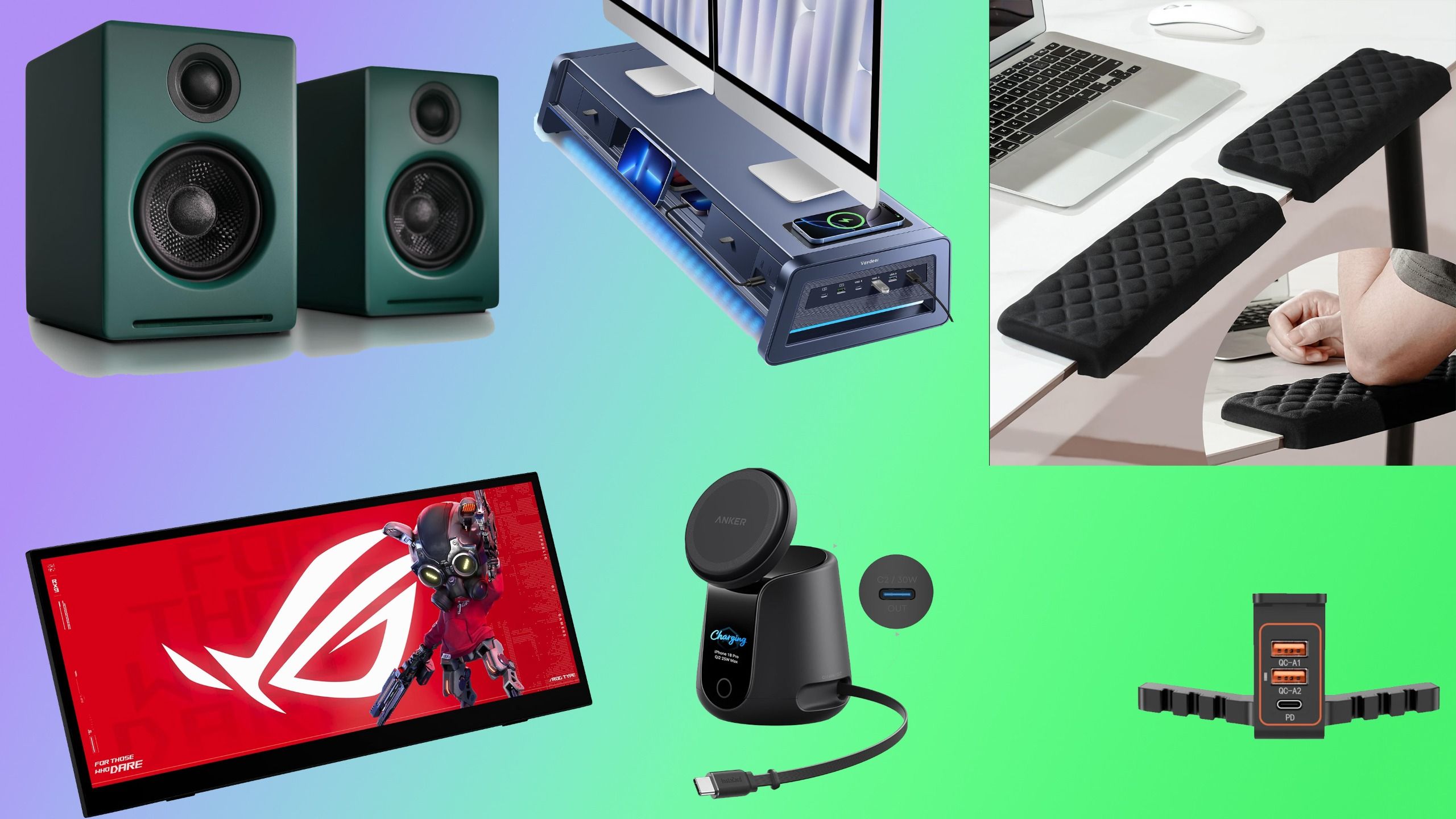
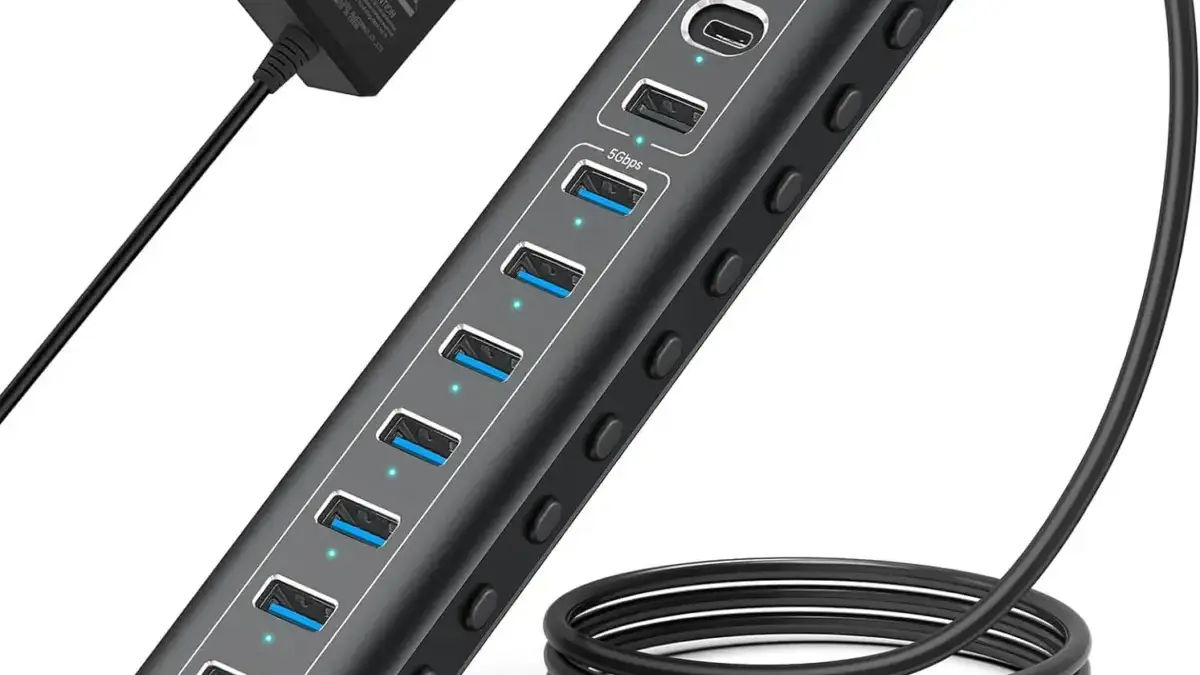
The modern desktop environment serves as the command center for both intense gaming sessions and demanding professional workflows. Consequently, the demands placed on desk accessories have evolved significantly. From high-fidelity, desk-friendly PC speakers capable of delivering room-filling audio without claiming excessive surface area, to tactile media and software control surfaces that put essential functions right at the user’s fingertips, the options for customization are vast. Furthermore, clever hardware solutions like monitor risers that seamlessly integrate multi-port USB hubs and dedicated charging capabilities demonstrate how passive furniture can be transformed into active, powered components of a modern digital setup.
For technology journalists and long-time hardware testers who spend countless hours evaluating consumer electronics, these workspace upgrades are often put through rigorous real-world testing. Having lived with many of these devices—or earlier generational iterations that have since been phased out by manufacturers—industry veterans can readily attest to their practical utility and long-term durability. Some of these productivity-enhancing tools find permanent homes in high-paced professional office environments, where cable clutter and port scarcity are constant daily battles. Others are meticulously integrated into elaborate home PC setups designed for high-end gaming and content creation. Regardless of the specific environment, each device contributes directly to a smoother, more organized, and ultimately more enjoyable computing experience.
The growing emphasis on desktop ergonomics and organization arrives at a crucial time when consumers are looking for alternative ways to invest in their hobbies and workspaces. As hardware acquisition becomes increasingly complicated and expensive, optimizing the physical interface between user and machine provides a welcome path forward. By focusing on accessories that reduce clutter, expand connectivity, and elevate comfort, PC users can significantly enhance their daily digital interactions, proving that a satisfying tech upgrade does not always require opening up the computer chassis.