There remains a unique, enduring enjoyment to be found in the classics—the pixelated graphics, the chiptune soundtracks, and the tactile click of hardware built in an entirely different era of consumer electronics. This enduring affection for the past has fueled a booming industry centered around retro hardware, capturing the attention of aging original enthusiasts and younger generations discovering vintage aesthetics for the first time. From specialized game controllers meticulously engineered to mimic the iconic layouts of consoles from the 1980s and 1990s, to full-scale hardware re-releases of legendary gaming machines, the market offers an expansive ecosystem of fun, highly accessible, and reasonably priced accessories designed to bridge the gap between yesterday and today.
For anyone looking to purchase a present for a dedicated retro aficionado, the modern marketplace offers a wealth of choices designed to evoke genuine sentimental value without sacrificing modern reliability. Finding the right item means looking beyond sheer processing specifications and instead focusing on gear that is genuinely fun to use and carries a serious nostalgic edge. Today’s buyers can choose from a whole host of specialized gear tailored specifically for individuals who prefer the distinct design language, physical interaction, and cultural aesthetic of the late twentieth century over the sleek, minimalist, glass-and-aluminum devices that dominate daily life in the modern era.
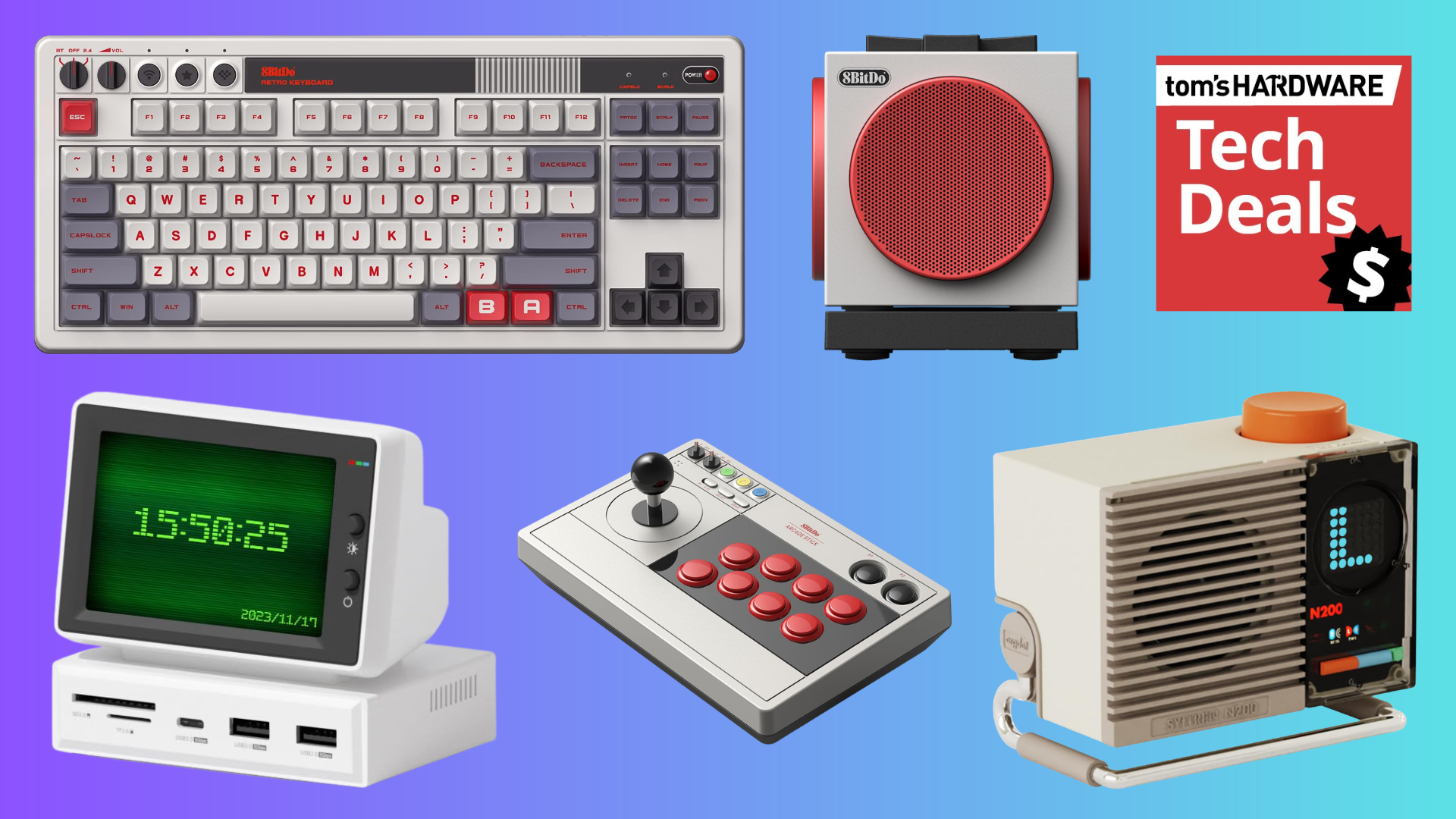
This thriving intersection of modern manufacturing and vintage design has transformed what used to be a niche hobby into a mainstream phenomenon. Brands large and small have recognized that consumers are increasingly eager to recapture the tactile experiences of their youth, or to experience for the first time the simpler mechanics of classic entertainment systems. Whether it is a Bluetooth-enabled gamepad styled after a classic 16-bit console, a retro-styled portable music player, or functional desktop accessories that double as nostalgic conversation pieces, the options cater to a wide variety of tastes within the retro community.
As technology continues to accelerate toward an increasingly cloud-based and automated future, the popularity of retro hardware highlights a fundamental human desire for tangible connection and digital heritage. The enduring appeal of vintage aesthetics proves that while faster processors and higher resolutions will always have their place, the charm of simpler times—packaged with modern reliability—remains a powerful force in the consumer technology landscape.