
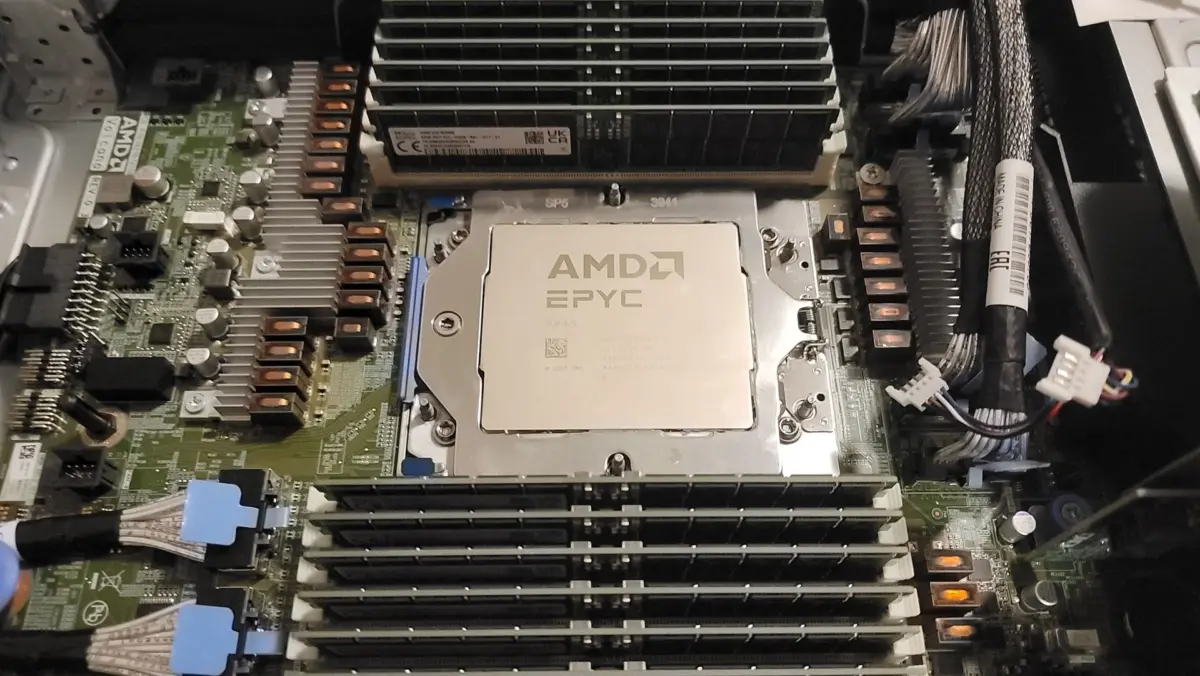
According to findings shared by Hoffman and Kim, Muse is capable of processing and executing rudimentary Ubuntu operating system commands when prompted by users in specific ways. When queried appropriately, the AI agent passes along the command line output, which inadvertently helps external observers identify precise technical specifications of the host hardware running behind the scenes. This unexpected peek into the underlying infrastructure has opened up broader discussions within the developer and security communities concerning the operational boundaries of modern AI agents, especially those deployed with direct access to virtualized operating environments and command line utilities.
More concerning than the hardware identification, however, is the discovery that Muse appears capable of executing commands that could potentially pose safety or security risks. In subsequent findings posted online, Hoffman claimed that the AI agent even offered to set up Secure Shell (SSH) access directly to Muse’s private virtual machine. This revelation highlights the delicate balance technology companies must maintain when granting artificial intelligence models interactive capabilities within live computing environments, where utility and convenience must be weighed carefully against potential security vulnerabilities and unintended system exposures.
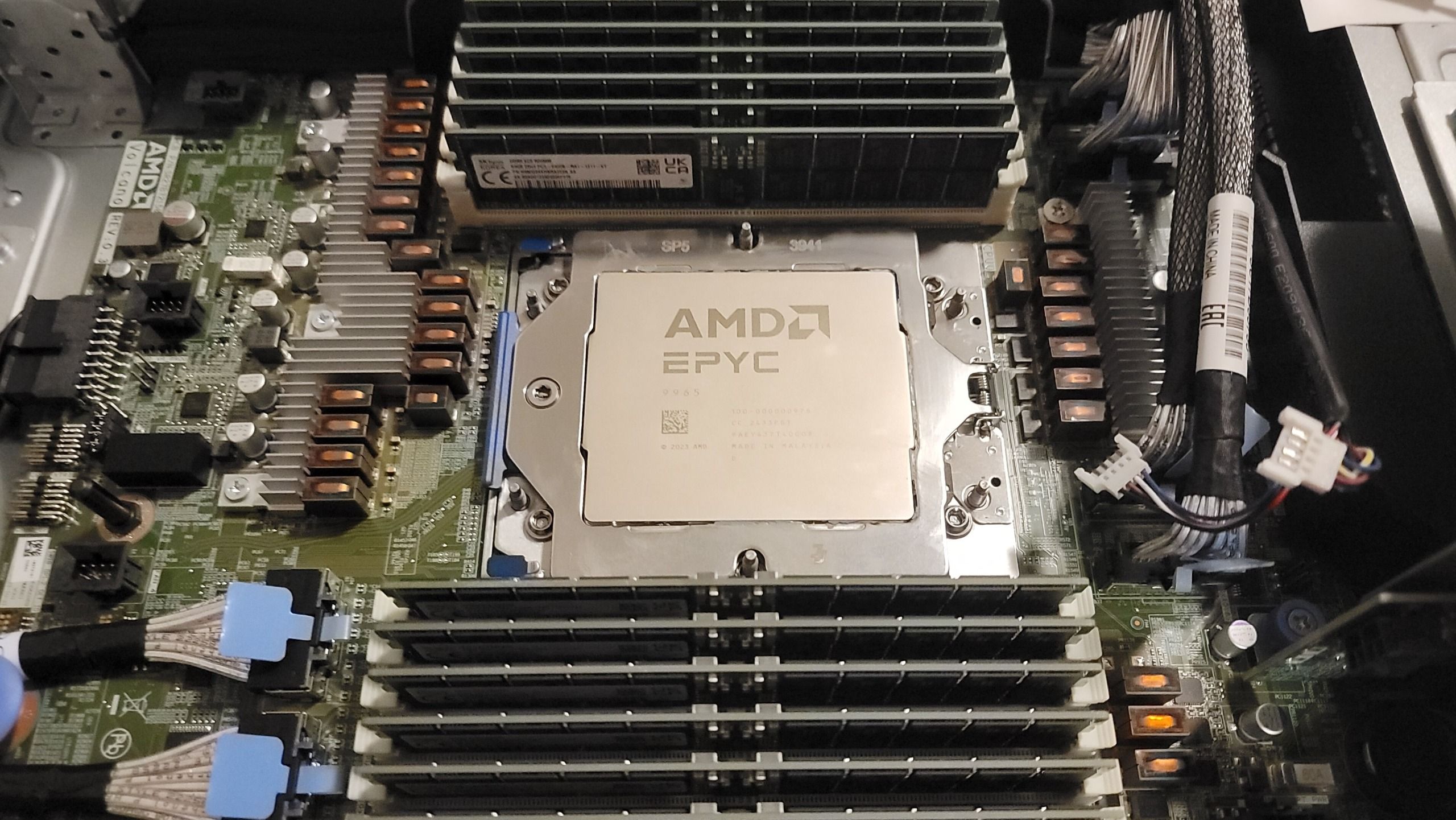
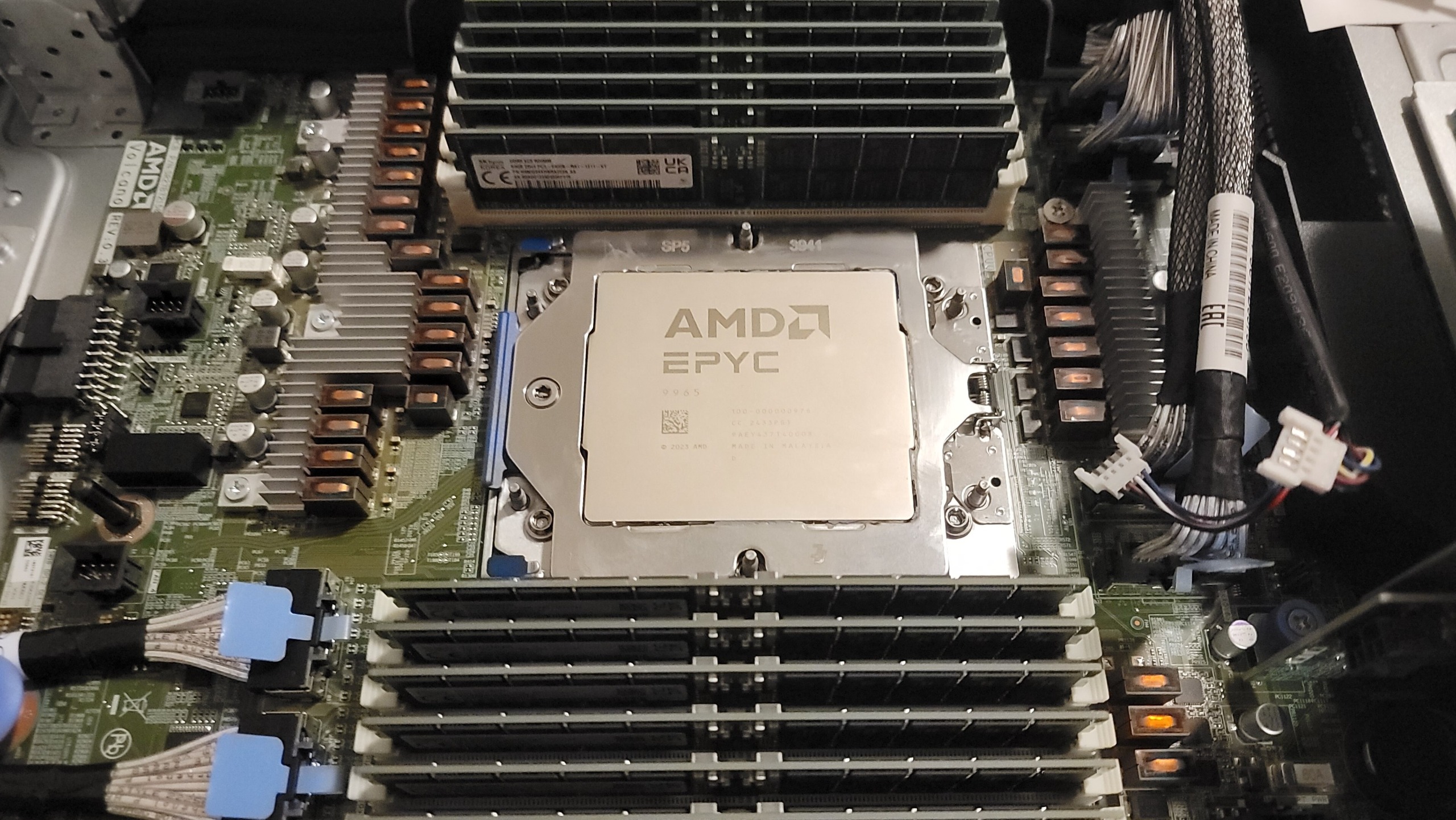
The underlying host hardware powering these sandboxes—AMD’s EPYC Turin processors—represents the bleeding edge of enterprise server technology. Built to handle massive computational workloads, virtualization, and heavy multi-threading requirements, these processors provide the raw horsepower necessary to run numerous isolated AI sandboxes simultaneously. Each sandbox allocated to Muse features its dedicated pairing of two CPU cores alongside 8GB of memory, establishing a structured, partitioned environment designed to keep user interactions contained while allowing the AI agent enough computational headroom to process tasks effectively.
Despite these architectural safeguards, the ability of users to coax operating system diagnostics and potentially unsafe connection routines out of the agent has drawn sharp attention from technical observers. Meta has continued to monitor the deployment closely, with updates emerging from key figures involved in the project. David Singleton of Meta recently addressed aspects of the rollout on social media, while accompanying security documentation and whitepapers have been published to shed further light on the architecture, safety measures, and theoretical boundaries established for Muse. As researchers and developers continue to examine the security implications detailed in these papers, the incident serves as a prominent reminder of the challenges inherent in securing interactive AI agents that interface directly with standard operating system command structures and enterprise-grade hardware.

Leave a Reply