
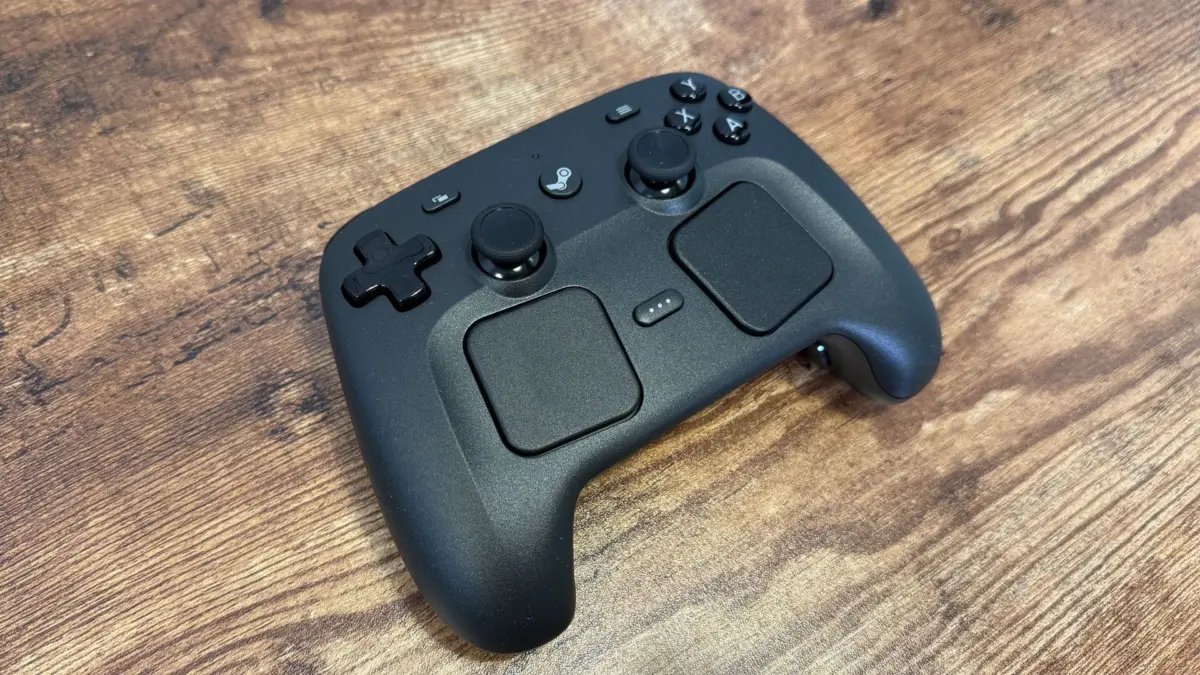
However, shelling out $74 for a standard controller is becoming an increasingly difficult pill to swallow for consumers who find themselves at odds with Sony’s recent business trajectory. This frustration is compounded by the fact that the competitive peripheral market has evolved rapidly, with several third-party manufacturers offering controllers that either undercut Sony’s pricing significantly or pack a substantially more robust suite of modern features—and in many cases, both. While the DualSense undeniably features impressive technology under the hood, it increasingly feels like a product stuck behind an arbitrary feature paywall, lacking several quality-of-life and performance upgrades that have quickly become standard expectations for modern controllers.
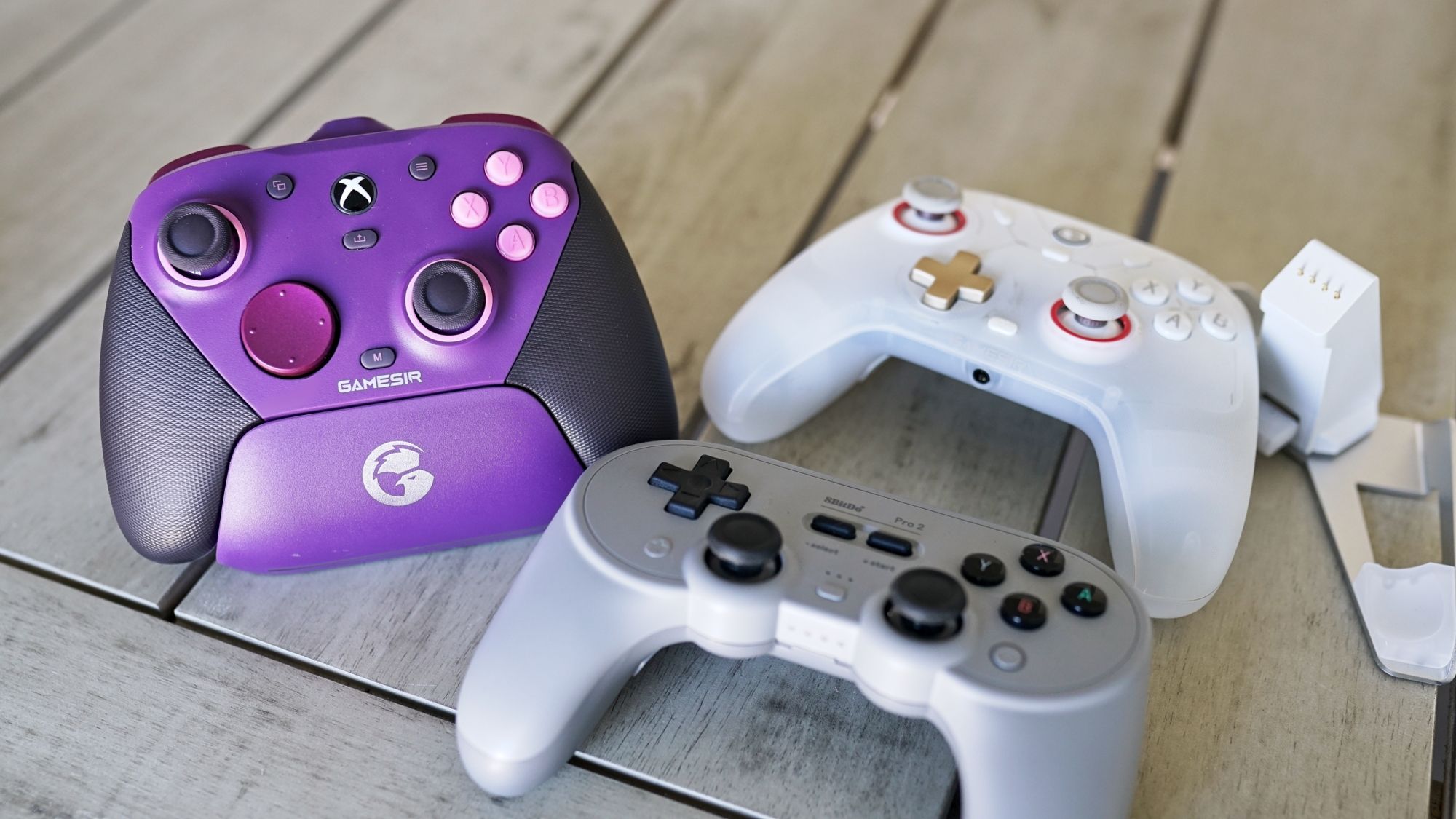
Chief among the missing modern conveniences in the standard $74 DualSense are TMR (Tunnel Magnetoresistance) joysticks, which offer superior durability and precision compared to traditional potentiometers, protecting against the dreaded stick drift that has plagued modern gamepads for generations. Additionally, the standard controller omits additional rear paddle buttons—a feature that competitive and enthusiast gamers have come to rely on for complex input mapping—as well as the ability to save multiple onboard controller profiles. To get these features directly from Sony, consumers are forced to look toward the high-end DualSense Edge, which demands a steep $200 investment. In stark contrast, numerous third-party alternatives on the market now bundle these advanced technological conveniences into their base models, often accompanied by dedicated software suites for comprehensive profile management and advanced button remapping, giving cost-conscious and performance-driven players compelling reasons to look elsewhere.


Leave a Reply