Social commerce continues to undergo significant structural changes as platforms refine how brands sell products directly to consumers. Recent data from the third quarter of 2026 highlights the ongoing evolution of social shopping, showing that at least 17.3% of e-commerce carts containing products on platforms like Hostinger were opened directly via Instagram’s in-app browser. This robust traffic underscores Instagram’s enduring role as a primary gateway into online storefronts, even as underlying checkout mechanisms shift away from native social transactions toward merchant websites.

The mechanics of selling on the platform currently rely on a dual approach: immediate link-sharing through biographies, Stories, and direct messages, alongside structured product catalogs for accounts approved by Meta. While links function from day one for any professional account, advanced features such as clickable product tags require formal approval through Meta Commerce Manager. However, a major policy shift implemented in late 2025 dictates that all shops on Facebook and Instagram now utilize website-based checkout. Rather than completing purchases within the social media application, buyers are redirected to external e-commerce sites to finalize transactions.
This evolution away from native social checkout has redefined how businesses operate within the ecosystem. Meta no longer directly handles payments, customer orders, returns, or disputes for standard shops, placing the entirety of customer service and transaction management back onto the merchant’s independent platform. Consequently, store owners must ensure their underlying e-commerce infrastructure is robust, optimized for mobile devices, and tightly synchronized with inventory databases before driving traffic from social channels.
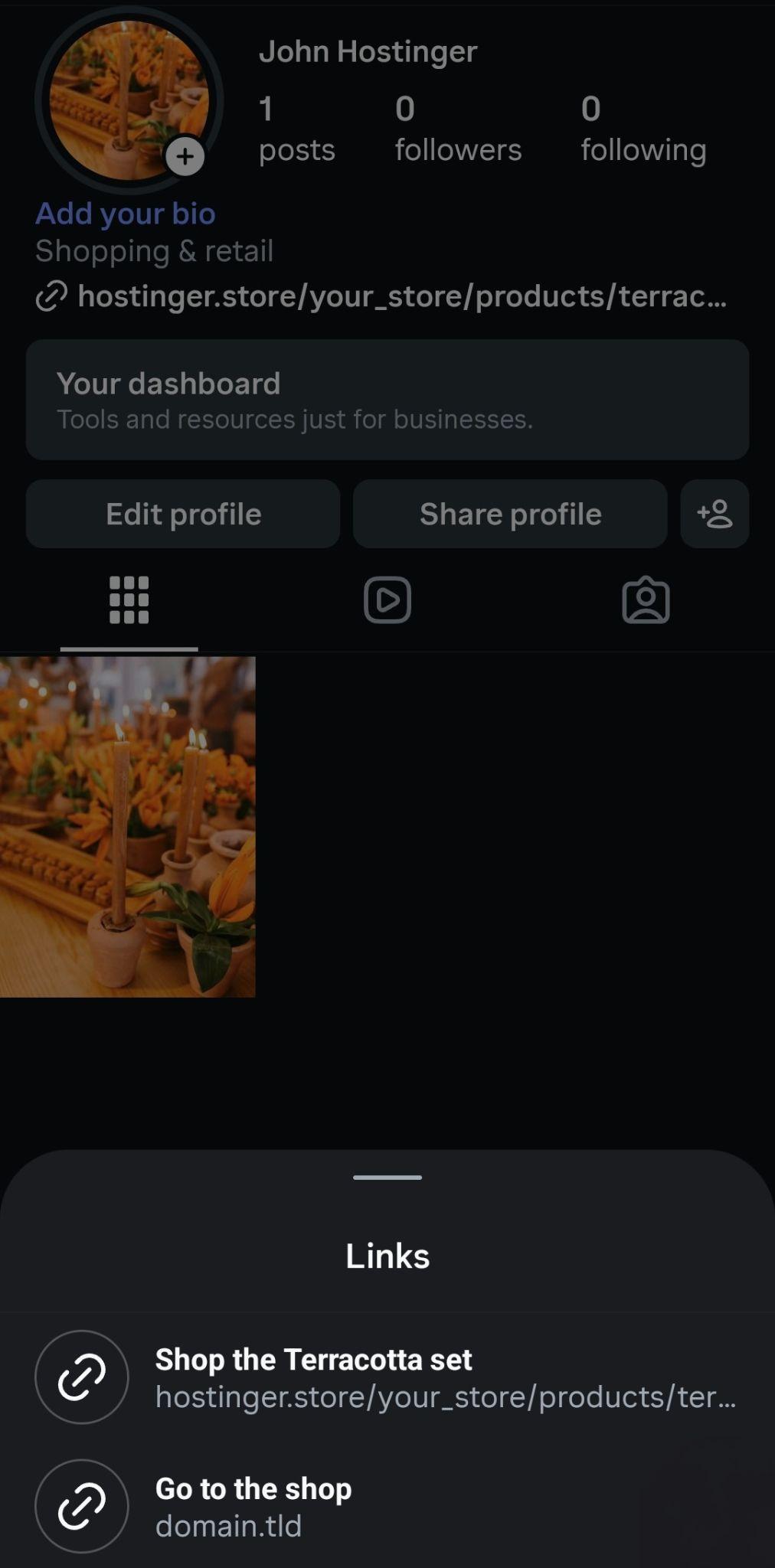
For businesses navigating these requirements, the foundational step involves upgrading a standard profile to an Instagram professional account. This free designation unlocks essential marketing assets, including advertising tools, advanced messaging features, and eligibility pathways for shopping displays. Transitioning requires shifting the profile to public view, allowing content to be indexed by external search engines, and configuring administrative assets within Meta Commerce Manager. Merchants must also navigate specific eligibility criteria, including domain verification and adherence to strict commerce policies that prohibit the sale of digital downloads or recurring subscriptions through native product catalogs.
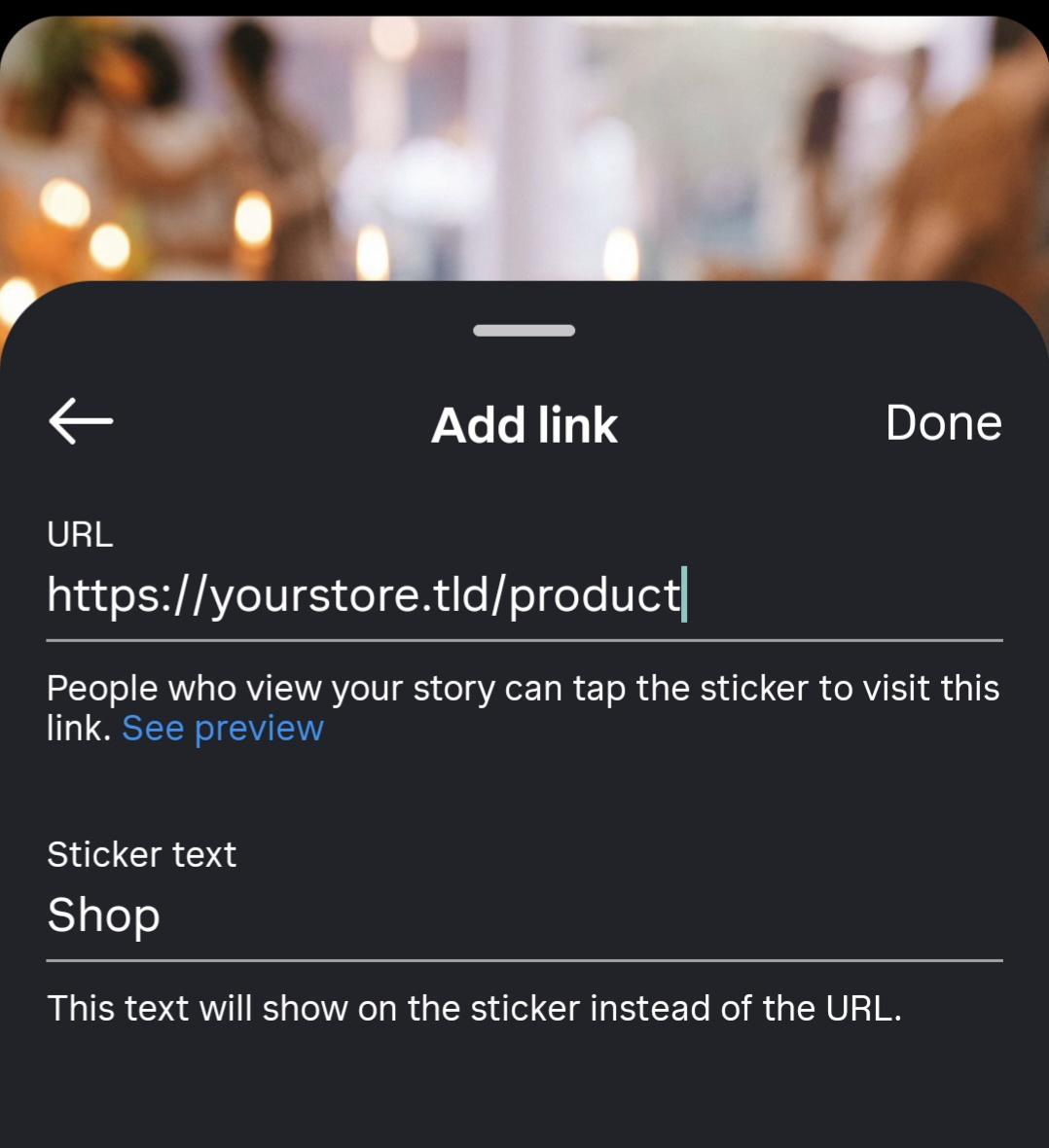
When platform-native product tags are unavailable or delayed due to ongoing review processes—which can sometimes span several weeks—brands continue to rely on direct link integration. Tools like profile bio links, interactive Stories stickers, and direct message links provide immediate avenues to drive traffic to specific product pages. Analytics from testing environments indicate that direct messaging, in particular, serves as a powerful conversion channel when paired with quick replies and tailored product details, allowing merchants to answer sizing, shipping, and return questions efficiently before a purchase is finalized.

Financial considerations for selling through the platform remain centered around external overhead rather than platform fees. Instagram itself does not charge merchants for maintaining a professional account or setting up a shop interface. Instead, operating expenses are derived from e-commerce hosting plans, payment processing fees charged by providers like Stripe and PayPal, and optional advertising expenditures such as boosted posts. Payment processing models typically involve a percentage-based fee combined with a fixed cost per transaction, meaning lower-priced items carry a heavier proportional deduction relative to higher-value orders.
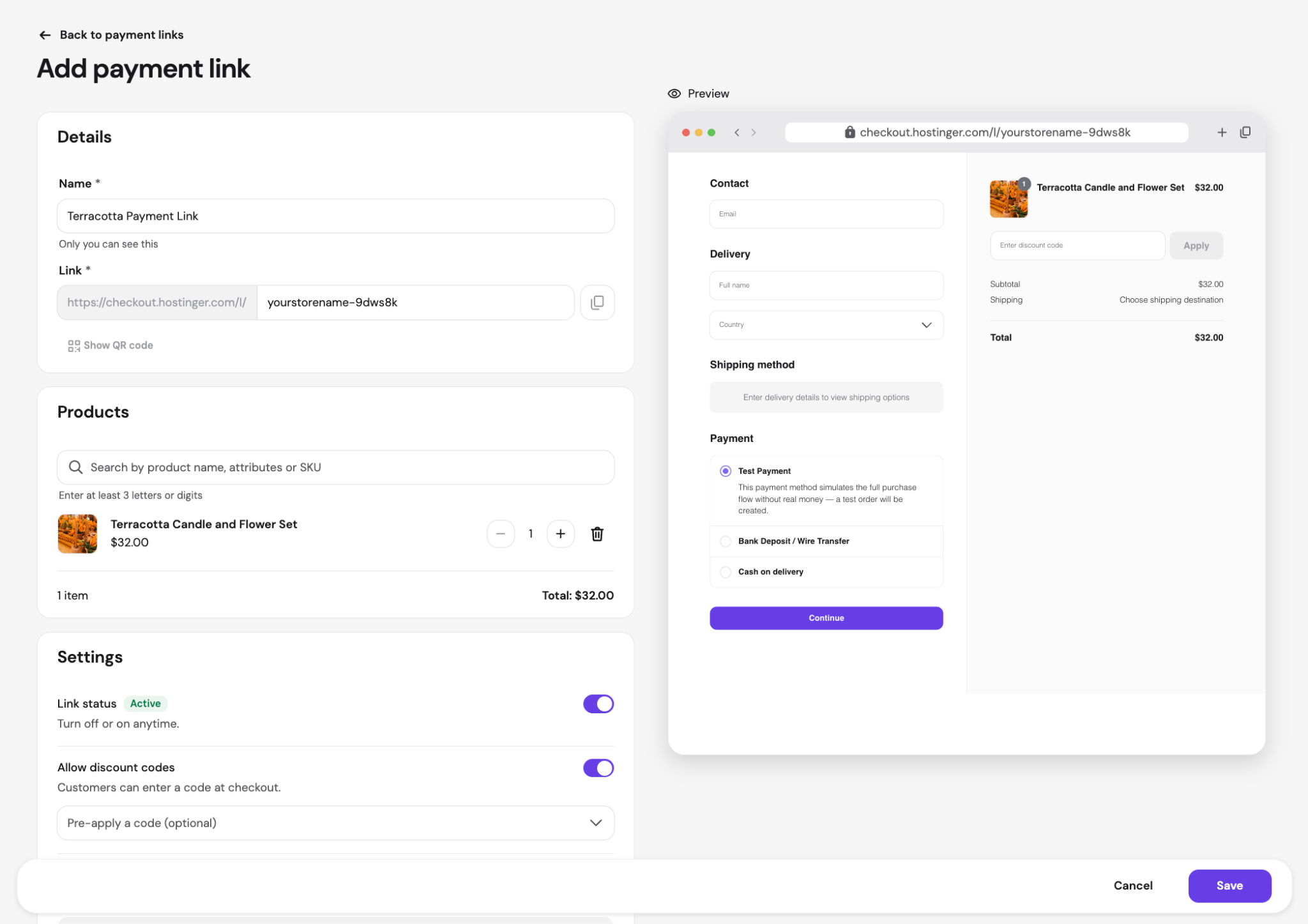
To maximize performance, brands increasingly rely on comprehensive tracking methods, including Urchin Tracking Module parameters appended to destination URLs. By categorizing traffic sources—distinguishing between bio links, Story stickers, and promotional campaigns—merchants can accurately measure conversion rates and refine their content strategies accordingly. As social media platforms continue to alter their feature sets and navigation layouts, the overarching trend points toward a hybrid ecosystem where social discovery feeds independent digital storefronts.