The modern digital marketplace has shifted dramatically as business owners increasingly integrate artificial intelligence into their day-to-day operations. According to a recent industry analysis published on October 23, 2026, by AI Content Editor Alma F., the contemporary ecosystem offers a diverse array of specialized applications designed to assist merchants in building, marketing, and managing online stores. Rather than relying on a single, monolithic piece of software, modern digital commerce relies on targeted solutions tailored to specific operational bottlenecks, ranging from site creation and product photography to personalized customer service and predictive inventory management.

The strategic implementation of these technologies depends heavily on identifying which sector of an online business requires the most intervention. Industry experts categorize these applications based on their core functionalities. Store management, personalization, and advanced analytics tools leverage underlying product catalogs, customer behavior metrics, and sales data to automate routine tasks and enhance decision-making processes. Conversely, design and content creation software utilize product imagery, descriptive guidelines, and brand parameters to generate marketing collateral, refine product listings, and produce cohesive visual assets.

For entrepreneurs embarking on the journey of launching a digital storefront, platforms like the Hostinger AI Builder provide a unified environment. Designed for individuals and small businesses seeking to establish a presence from scratch, such tools can generate a complete online store from a basic business description. By uploading a single product photo, merchants can utilize automated systems to generate complete listing text, suggest competitive pricing structures, and prepare imagery for display. This consolidated approach allows operators to manage physical goods, digital assets, subscriptions, and gift cards from a single dashboard without stitching together disparate hosting and ecommerce services.

In contrast, merchants operating within established ecosystems frequently turn to native integrations. Platforms like Shopify provide integrated solutions through Shopify Sidekick and Shopify Magic, allowing store owners to execute administrative tasks through conversational prompts while simultaneously managing content creation and image editing within their existing administrative interface. Because these assistants are embedded directly into the platform, merchants avoid the friction of managing separate subscription models, though they remain bound to that specific ecosystem.

Beyond the initial setup, visual consistency and product messaging represent major challenges for growing digital retailers. Managing hundreds or thousands of SKUs manually often results in fragmented catalogs and inconsistent branding. To combat this, specialized visual and textual tools have gained prominence. Applications like Photoroom allow brands to process product photos at scale by removing backgrounds, applying standardized backdrops, and resizing images for multiple sales channels. This ensures that items photographed under varying conditions maintain a uniform appearance across the entire digital storefront. Similarly, content platforms like Jasper utilize dedicated product description agents and centralized knowledge bases to write engaging copy that adheres strictly to a brand’s established voice, ensuring consistency across multiple marketplaces.

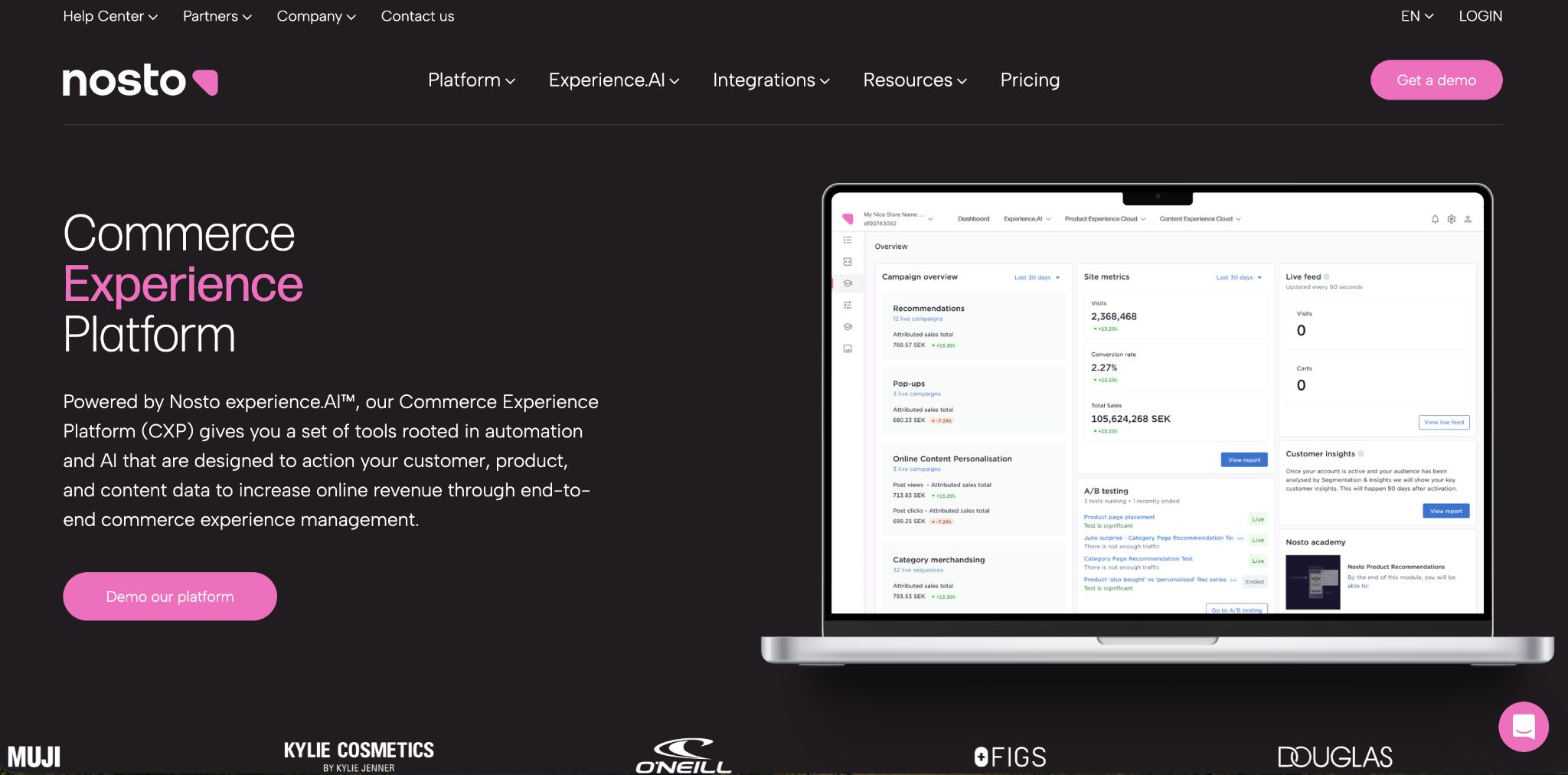
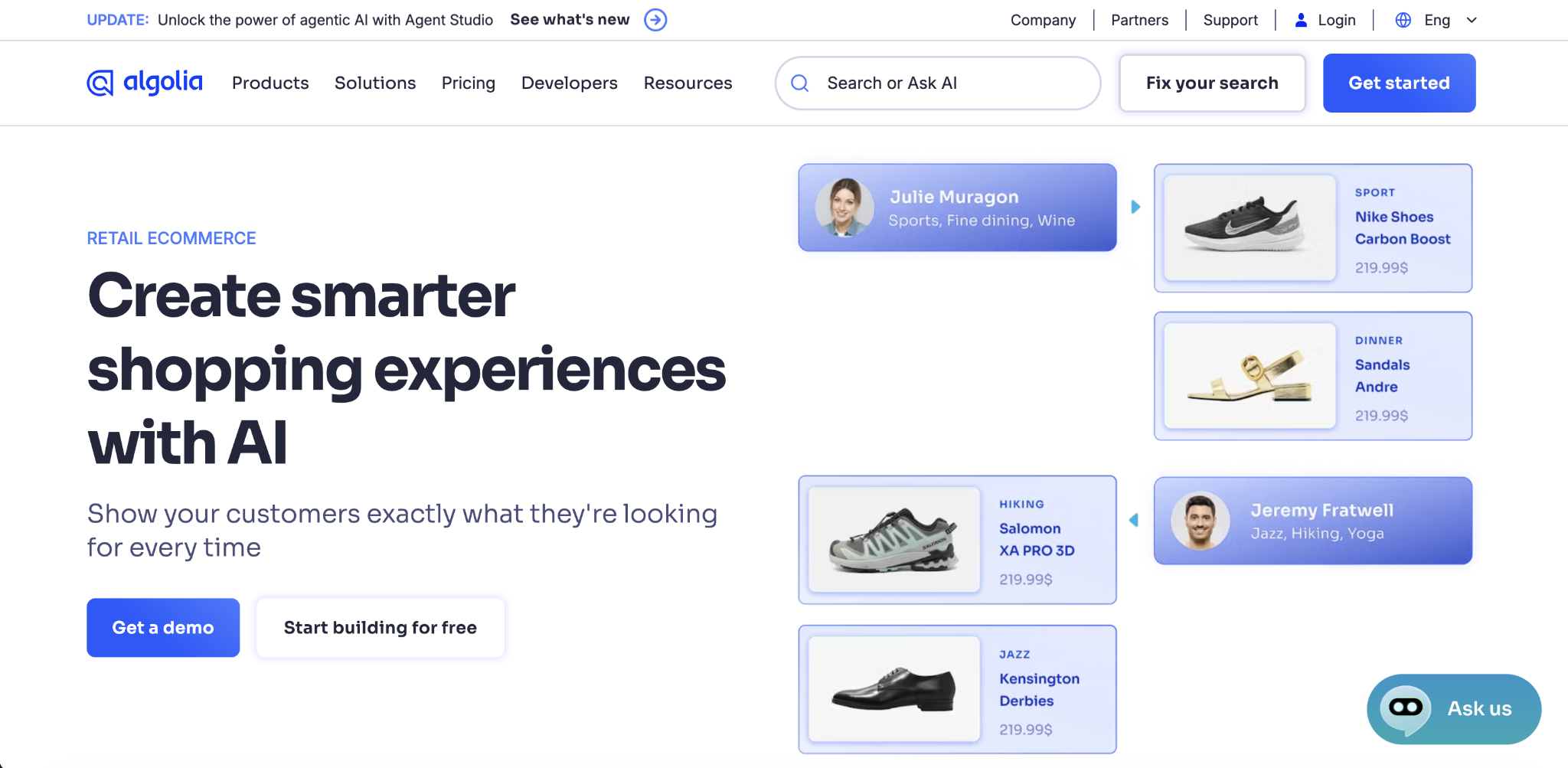
As traffic scales, maintaining a generalized storefront often gives way to hyper-personalization and optimized discovery. Mid-market and enterprise brands frequently integrate solutions such as Nosto to dynamically alter product recommendations, search results, and visual arrangement across the entire store based on individual browsing habits. For established retailers looking to maximize revenue per visitor, Rebuy focuses specifically on cart optimization, offering intelligent upsells and cross-sells at the point of purchase. Meanwhile, platforms like Algolia address the critical challenge of product discovery by deploying advanced search architectures capable of handling typos, synonyms, and complex user queries, ensuring shoppers are successfully directed to relevant items rather than abandoning the site.

Retention and customer communication form another vital pillar of digital commerce operations. Platforms like Klaviyo utilize deep customer behavior analysis and historical purchase data to drive predictive email marketing and automated repeat-purchase campaigns. For store owners requiring rapid deployment with minimal configuration, alternatives like Omnisend offer pre-built automation flows designed to handle cart recovery, welcome sequences, and win-back campaigns out of the box.
Customer support infrastructure has similarly evolved through the integration of conversational intelligence. Support platforms such as Gorgias connect directly to live store data to automate post-purchase inquiries, addressing routine questions regarding order status, tracking links, and returns without human intervention. For pre-purchase assistance, conversational tools like Tidio Lyro guide undecided shoppers through the catalog, offering real-time product recommendations and helping users navigate inventory availability before they reach the checkout phase.

Finally, high-volume retailers require sophisticated analytical oversight to monitor advertising expenditure and supply chain dynamics. Solutions like Triple Whale aggregate performance data from multiple major advertising networks into a single dashboard, enabling merchants to analyze the true drivers of sales across diverse marketing channels. Concurrently, predictive inventory platforms like Prediko analyze historical sales velocities and supplier lead times to automate reorder planning, mitigating the risks of costly stockouts or surplus inventory accumulation.
Ultimately, industry analysts advise merchants to select artificial intelligence solutions based on the specific operational friction points that consume the most time and capital. Because many of these advanced platforms maintain strict platform compatibilities—with several tools engineered exclusively for ecosystems like Shopify while others support a broader array of storefront architectures—careful evaluation of technical requirements remains essential. By carefully testing individual applications against genuine store data and ensuring each addition contributes measurable value, digital retailers can streamline their operations for sustainable growth.