
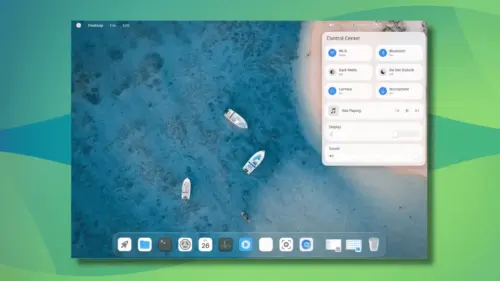
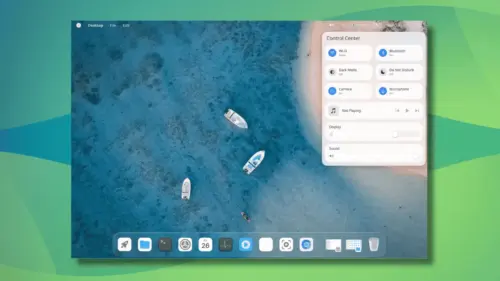
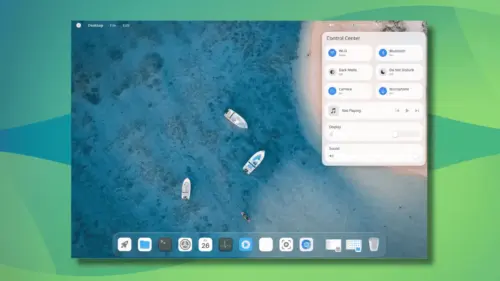
The leadership behind the popular BSD distribution GhostBSD is embarking on a significant journey toward modernizing its graphical user interface. Eric Turgeon, the lead developer steering GhostBSD, has introduced Mocka, an entirely new desktop environment built from the ground up with the ultimate goal of eventually replacing the long-standing MATE desktop environment.
While the project is still in its earliest stages of heavy development, Turgeon has begun pulling back the curtain on what users can expect. Recently, he unveiled the first concrete design concepts, technical specifications, and a fully functional alpha component that point the way toward Mocka’s future. For current users of GhostBSD, there is no immediate action required. Nothing has changed on existing installations, and the transition will be gradual as the project takes shape over the coming development cycles.
The genesis of the project’s unusual moniker stems from a simple linguistic accident. While searching online for projects related to "Mocha"—the popular caffeinated beverage—Turgeon made a minor typo that inadvertently birthed the name "Mocka." Rather than adopting code or lingering dependencies from existing desktop ecosystems, every component of Mocka is being built entirely from scratch, ensuring a clean break and a modernized foundation tailored specifically to the project’s evolving vision.
Turgeon’s strategy involves replacing the legacy desktop architecture one component at a time. By carefully reverse-engineering the functionality that MATE currently provides, the development effort aims to achieve full feature parity incrementally. Once this rigorous process reaches completion, the expectation is that GhostBSD will officially adopt Mocka as its default desktop environment, marking a major milestone in the distribution’s lifecycle.
This methodical approach to structural change is nothing new for the GhostBSD project. Earlier in the year, Turgeon evaluated the landscape and concluded that the MATE desktop was not adequately prepared for the modern Wayland display server architecture. To ensure that GhostBSD could maintain a stable X11 session and secure a reliable path forward, the distribution made the strategic decision to shift toward XLibre. The philosophy driving that architectural pivot directly mirrors the careful, deliberate planning now fueling the development of the Mocka desktop.

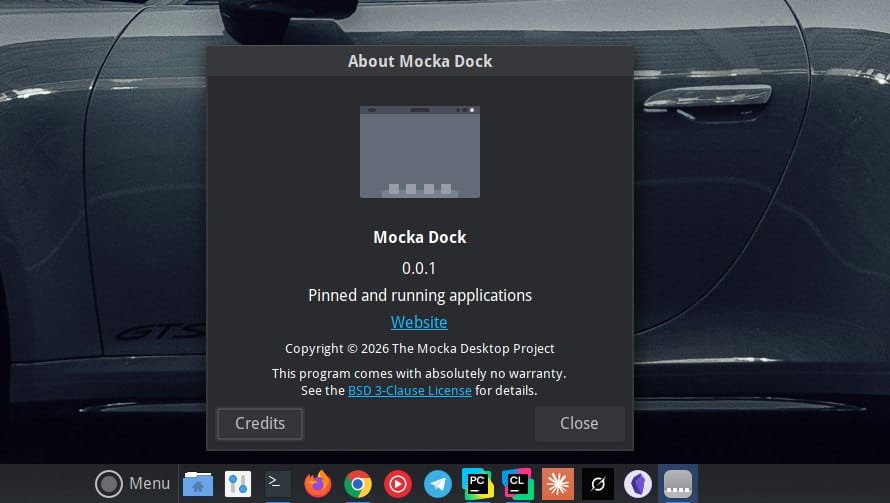
The first tangible fruit of this labor is the Mocka Dock, a taskbar-style dock applet designed specifically for the MATE panel. Currently available in an alpha release for early testers and adventurous developers, the dock provides core desktop functionality. It allows users to launch applications, preview active window thumbnails, bring obscured windows forward into focus, and effectively manage multiple open instances of a single application—delivering the robust feature set expected from a modern desktop dock.
Developers and advanced users with the technical background to do so can build Mocka Dock directly from source code to test its capabilities. Meanwhile, the broader user base will eventually receive the component through standard GhostBSD package updates. Because the software is not yet ready to become the default desktop experience, adopting it in the interim requires manual intervention via the standard "Add to Panel" configuration options on the taskbar.
A closer look at the public repositories hosted on GitHub reveals the broader roadmap for the Mocka ecosystem, outlining extensive ongoing efforts beyond just the dock applet. Among these is Mocka Menu, which features a detailed plan document mapping out completed tasks alongside a comprehensive list of future development milestones.
The documentation highlights ongoing work involving Meson build configurations and schema management, laying the groundwork for a robust application menu system. Once finalized, Mocka Menu will provide efficient item categorization, lightning-fast search capabilities, seamless keyboard navigation integration, and deep interoperability with the Mocka Dock.
Additional plans are already underway for a centralized settings application. Upon completion, this utility will serve as a unified control center, allowing GhostBSD users to effortlessly configure desktop appearances, manage network settings, adjust power management profiles, alter keyboard layouts, and fine-tune various user interface preferences from a single, cohesive location.
A separate repository hosts the source code for the official Mocka website. At the time of writing, this web presence remains in a preliminary phase, lagging behind the functional code components like the menu and dock, containing mostly placeholder content while the core software continues to take shape.
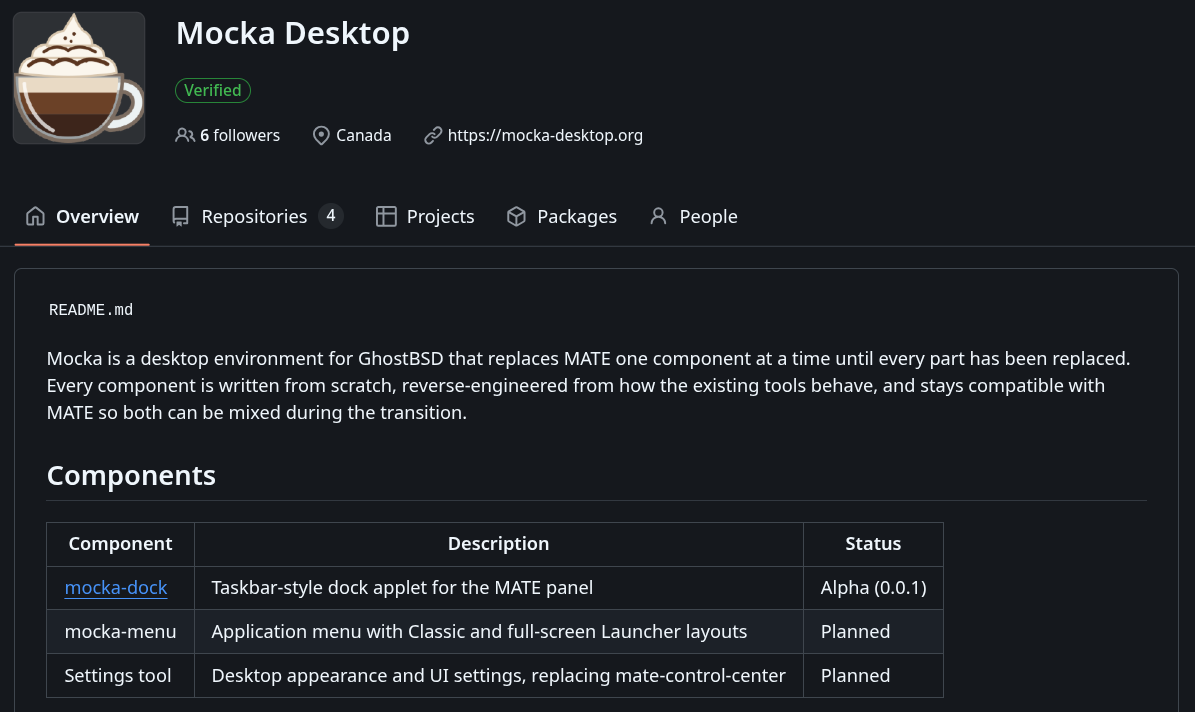
Crucially, the development team has engineered these new Mocka components to maintain backward compatibility with the existing MATE desktop. This deliberate design choice enables users to mix and match individual elements during the transitional phase, providing a flexible bridge before the full migration to a standalone Mocka desktop environment on GhostBSD is finally realized.
Leave a Reply