
While state governments ponder high-level fiscal policy and strategic reserves, the true test of any currency has always happened at the neighborhood cash register. Following the passage of the Strategic Arizona Bitcoin Reserve legislation in 2025, public attention naturally gravitated toward state-level adoption and treasury management. Yet, despite the legislative milestone, state coffers have yet to actually acquire any physical coins. For everyday observers, this raises a fundamental question about the grassroots reality of the digital asset: Can a regular person walk into a local shop today, order lunch or a cup of coffee, and pay seamlessly with bitcoin?
To find out how sound money operates in the wild, a real-world test was recently organized in Scottsdale, Arizona. Friends who had never before used bitcoin for a physical retail transaction were recruited to put the network to the test. Armed with a newly downloaded Lightning network wallet, a small balance of satoshis, and the community-driven BTC Map directory, these novices set out to discover just how frictionless digital currency can be when it meets Main Street commerce.
Their experience quickly challenged common misconceptions about the complexity of cryptocurrency transactions. Within moments, the participants were able to set up their mobile wallets and move satoshis across the internet with a speed and ease that felt entirely natural—prompting comments that this was how money was always intended to function.
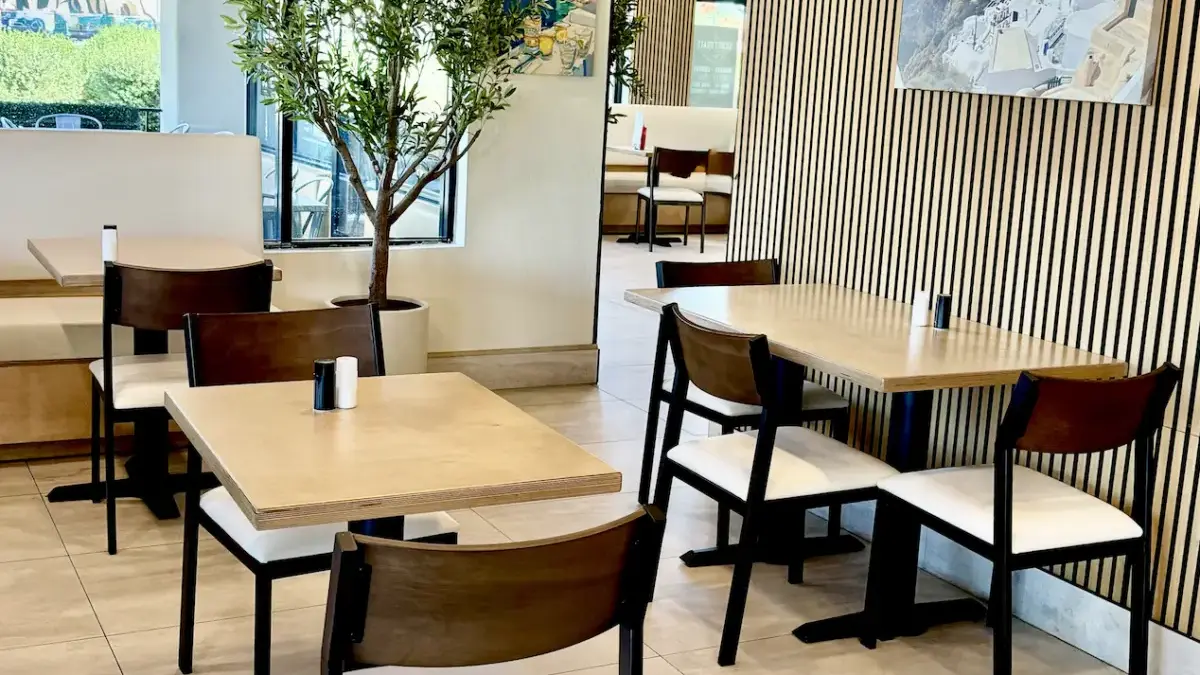
Their first destination was Pita Cafe, a popular Mediterranean eatery located at 23535 North Scottsdale Road, sharing a space with the Scottsdale Burger Bar. Both establishments accept bitcoin, offering a menu known for freshly prepared items like spanakopita and gyro pitas. Despite the lunch hour rush leaving the restaurant packed, service remained remarkably swift, and ample seating was available for hungry patrons.
The transaction itself offered an interesting glimpse into merchant adoption. At first, the cashier was uncertain whether the establishment processed bitcoin payments. However, upon noticing that the point-of-sale Square terminal was already configured to accept the digital currency, the transaction proceeded smoothly and cleared in a matter of seconds. It marked a historic moment for the employee, who noted it was the first time he had ever witnessed a customer pay in bitcoin. Watching the screen register the total, he expressed immediate fascination and amusement, joking that the system had recorded a payment of "22,000 bitcoin." The patrons walked out of the establishment with a newfound appreciation for the ease of decentralized commerce.
Following lunch, the participants made their way to Echo Coffee, situated at 2902 North 68th Street, to order hot cocoa. Unlike the previous stop, the staff at Echo Coffee required no onboarding or hesitation. The cashier immediately recognized the request, switched the terminal interface to accept bitcoin, and presented a dynamic QR code for the customer to scan.
The interaction highlighted a growing comfort level among forward-thinking merchants. The cashier remarked that she finds it genuinely exciting every time a customer inquires about paying in bitcoin, viewing it as a welcome shift in daily commerce. Beyond its cryptocurrency-friendly stance, Echo Coffee maintains a community-focused ethos, donating one percent of its purchases to the humane society, complete with specialty coffee bags featuring dog imagery.
Experiences like these underscore why transactional adoption matters far beyond investment portfolios and speculative trading. While many individuals hold bitcoin as a long-term store of value within traditional investment accounts, the act of spending satoshis for tangible, everyday items bridges the gap between abstract financial theory and practical utility. It demonstrates the core philosophy behind the broader digital asset movement: creating a censorship-resistant, peer-to-peer medium of exchange that functions seamlessly in the physical world.
Across Arizona, a growing directory lists over 219 verified merchants that now accept bitcoin for goods and services, spanning a diverse array of industries from cozy coffee shops and neighborhood bakeries to professional services, automotive shops, and health and wellness centers. This expanding network proves that grassroots adoption is quietly moving forward, driven by independent business owners and curious consumers alike, regardless of how quickly official state reserves begin their accumulation.


Leave a Reply