
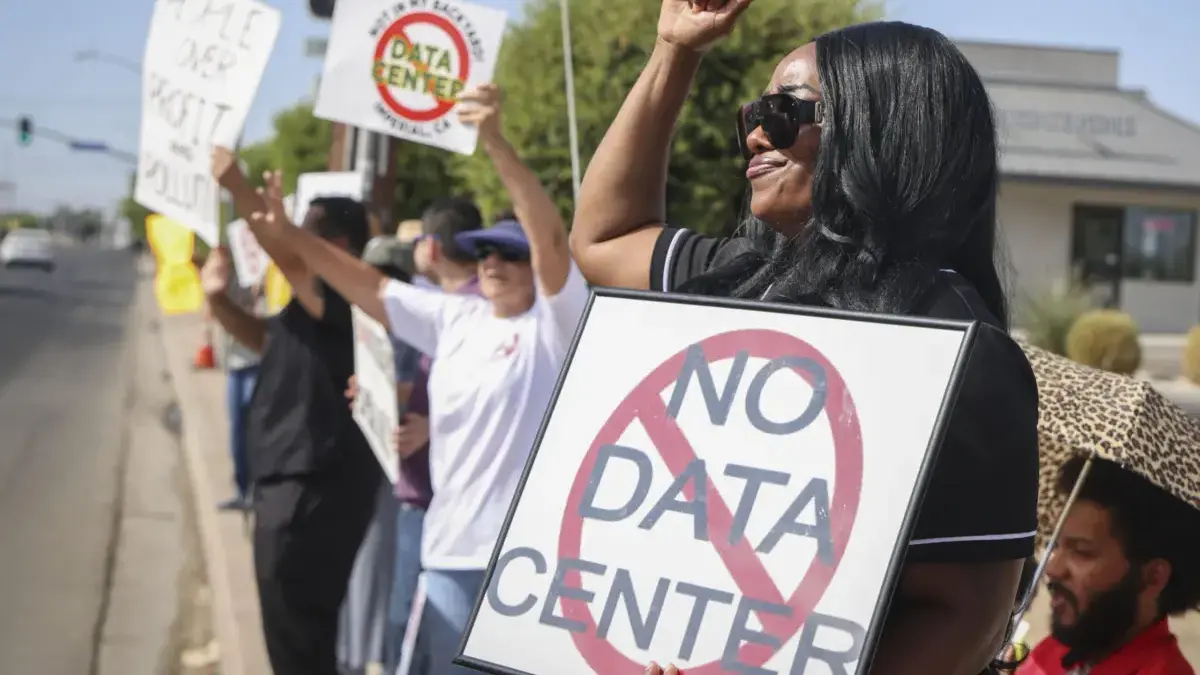
The legislative package, signed into law on September 21, 2026, marks one of the most aggressive regulatory efforts in the United States to address the intense resource consumption driven by the AI boom. As large language models and machine learning operations demand unprecedented amounts of computational power, the facilities housing these systems have placed a heavy strain on municipal resources, triggering concerns over skyrocketing utility bills, grid stability, and environmental degradation.
Under the newly enacted laws, the California Public Utilities Commission (CPUC) is now required to establish a distinct, dedicated rate classification specifically for data centers. This regulatory shift aims to prevent traditional residential and commercial ratepayers from subsidizing the massive energy demands of tech giants. Furthermore, the legislation explicitly mandates that AI data center operators pay directly for the necessary local power grid enhancements and water system modernizations triggered by their high-capacity facilities.
The push for tighter oversight comes amid mounting tensions between state regulators and federal policies. In a press release accompanying the bill signings, Governor Newsom sharply criticized the federal government’s approach under the Trump administration, contrasting California’s proactive stance with federal deregulation.
“While the Trump administration moves toward deregulation, communities are left to deal with the consequences — higher electricity demand, grid constraints, water use, and pollution,” Newsom said. “With these laws, we are ensuring that Californians remain in the driver’s seat — and that those profiting from data centers aren’t doing so at our expense.”
The legislative package extends beyond electricity pricing, incorporating strict transparency and efficiency mandates for any new facilities looking to establish operations within the state. Under the new rules, proposed data centers must disclose comprehensive estimates of their anticipated water consumption directly to local government entities. Additionally, developers must provide detailed documentation concerning their overall energy efficiency measures and long-term drought planning strategies.
To qualify for any streamlined local approval processes, incoming data center projects must meet rigorous, predefined benchmarks regarding energy, water, and fuel consumption. These standards are designed to filter out inefficient operations and prioritize sustainable infrastructure development across the state.

The energy and water legislation arrives on the heels of other high-profile executive actions taken by the state government to manage the rapid ascent of artificial intelligence. Just a week prior to signing the data center package, Governor Newsom signed an executive order intended to accelerate the development and implementation of an AI “kill switch,” reflecting broader state concerns over safety, control, and technological oversight.
The signing of the seven bills has drawn widespread attention from policymakers, utility providers, and industry analysts alike. For months, local communities across California have voiced mounting anxieties regarding the rapid proliferation of massive server farms. While these facilities bring significant capital investment and high-tech jobs, their immense electrical footprints threaten to exhaust regional power supplies and accelerate carbon emissions if not carefully managed.
Utility companies have frequently warned that the sudden influx of hyper-scale data centers could overwhelm local transmission lines, requiring extensive and costly infrastructure overhauls. Historically, the cost of these grid upgrades has often been distributed across the broader customer base through incremental rate hikes on everyday utility bills. By forcing data center operators to internalize these expenses, California’s new laws seek to insulate ordinary citizens from the financial externalities of the AI revolution.
At the same time, the state’s agricultural and municipal sectors have expressed alarm over the immense volumes of water required to cool thousands of high-performance servers running continuously. By compelling developers to submit transparent water use disclosures and adhere to strict drought planning protocols, the legislation provides local municipalities with greater authority to veto or condition projects that pose a threat to regional water security.
The legal and regulatory framework established by the package positions California as a primary testing ground for how state governments will balance the economic imperatives of the tech sector against the practical limitations of public infrastructure. As artificial intelligence continues to transform global industries, the ability of states to regulate the physical footprint of digital infrastructure will likely serve as a model for other jurisdictions grappling with similar resource pressures.
With the ink now dry on the legislative package, attention shifts to state agencies, including the CPUC and local governments, as they begin drafting the specific rules, rate structures, and compliance metrics that will govern data center operations moving forward. Tech companies operating within the Golden State will now be forced to adapt to a vastly different regulatory landscape—one where the true cost of powering the future of artificial intelligence must be paid directly by its creators.



Leave a Reply