
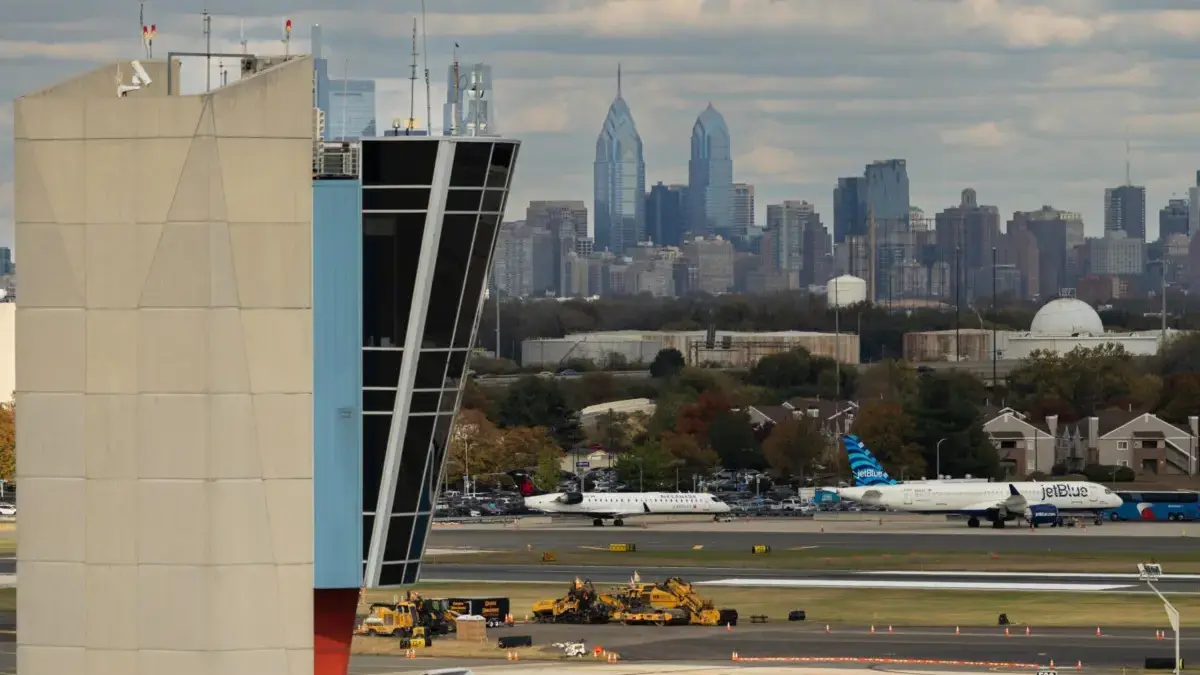
The unexpected infrastructure failure plunged the Northeast aviation network into chaos, triggering immediate ground stops at all three major commercial airports serving the New York City metropolitan area, alongside widespread disruptions at regional hubs across the eastern seaboard.
According to Federal Aviation Administration (FAA) Administrator Bryan Bedford, the alarming equipment outage came to light following a sudden circuit failure within the regional air traffic control network. Technicians rushing to diagnose the root cause traced the disruption to a severed high-speed fiber-optic line located in New Jersey. The ensuing communications blackout effectively blinded portions of the regional air traffic management infrastructure, forcing safety officials to halt departures and manage airborne aircraft with severely restricted radar and communication feeds.
The impact of the severed cable was immediate and devastating for travelers. Major aviation hubs including John F. Kennedy International Airport, LaGuardia Airport, and Newark Liberty International Airport were forced into temporary ground stops, halting incoming and outgoing flights while aviation authorities scrambled to implement contingency routing. Flight tracking data from FlightAware revealed that the ripple effects of the outage resulted in more than 1,000 flight cancellations nationwide by Monday evening, alongside thousands of rolling delays that threw travel schedules into disarray from Boston to Washington, D.C.
As airlines and stranded passengers grappled with the logistical fallout, public officials and corporate entities immediately began pointing fingers over who bore ultimate responsibility for the stray construction work that compromised the vital telecom link.
In a strongly worded statement released to CNBC, telecommunications giant Verizon forcefully distanced itself from the mishap, declaring that it bore "no responsibility for this incident." The company placed direct blame on "construction contractors working in the area" that allegedly "dug up and cut our cable."
However, pinning down the exact identity of the crew responsible proved to be a contentious public relations battle involving multiple transportation and transit authorities.

US Transportation Secretary Sean Duffy weighed in on the unfolding situation early in the day, stating publicly via social media that an Amtrak crew had accidentally cut the communications line during trackside work. The assertion placed the spotlight squarely on the national passenger rail operator, which has extensive rail infrastructure and ongoing maintenance projects crisscrossing the state of New Jersey.
Yet, Amtrak quickly pushed back against the federal transportation chief’s assessment. Representatives for the rail corporation countered that the mishap was not the fault of its own personnel, instead shifting the blame to a New Jersey Transit crew operating in the immediate vicinity of the incident.
An Amtrak spokesperson told NBC4 that the disruptive event occurred squarely on New Jersey Transit property and directly involved a contractor hired by the state transit agency, rather than an internal Amtrak maintenance team. The conflicting accounts highlighted the complex web of overlapping rail, utility, and transit jurisdictions that characterize the heavily populated Northeast corridor, where federal, state, and private infrastructure frequently intersect.
Despite the intense finger-pointing and the rapid-fire exchange of statements among federal officials, telecommunications executives, and rail representatives, emergency repair crews were dispatched to the site of the severed line to begin the painstaking work of splicing the high-capacity fiber-optic cables back together.
By Monday evening, US Transportation Secretary Sean Duffy offered a measure of relief to weary travelers, announcing that the damaged telecom lines had been successfully repaired. Duffy confirmed that all airport operations in the Northeast region were formally resuming normal scheduling protocols.
At the same time, the transportation secretary cautioned that the physical repair of the cable did not mean an immediate return to normalcy for the national airspace system. He warned that it would take "some time to clear all existing delays" as airlines worked through the massive backlog of displaced aircraft, stranded flight crews, and stalled passengers that had accumulated over the course of the day. Aviation authorities and airline representatives advised travelers to continue checking their flight statuses closely as the system slowly absorbed the backlog and worked to restore regular operations heading into the remainder of the week.


Leave a Reply