
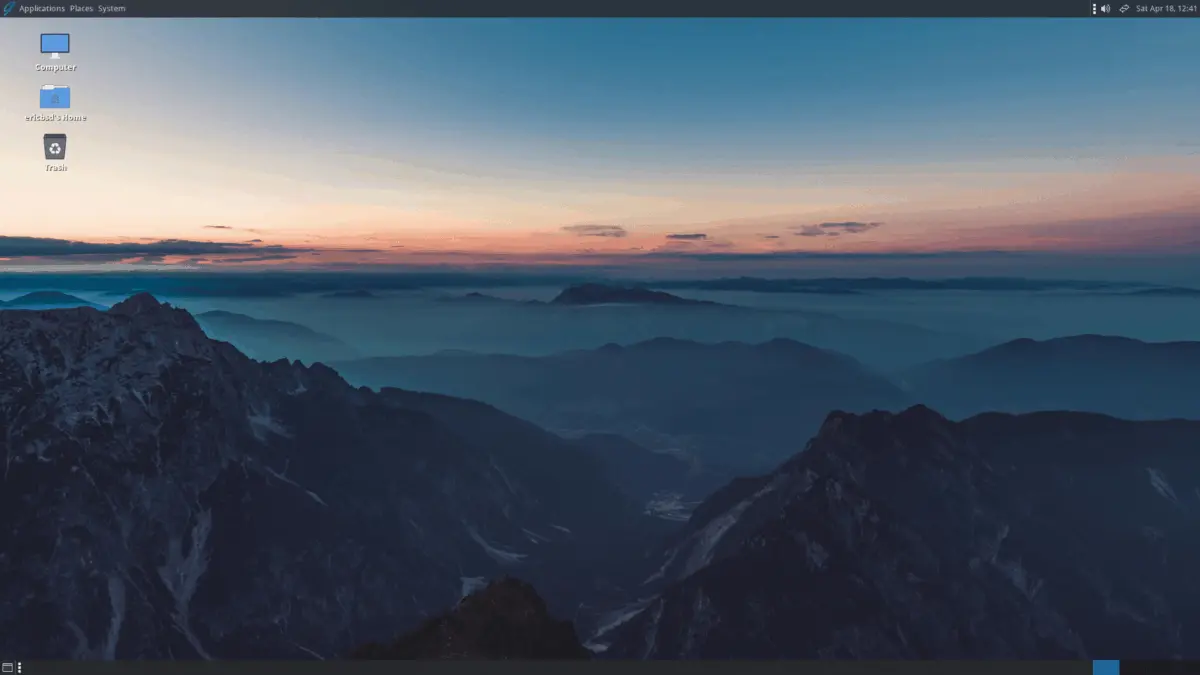
In the vast and diverse world of open-source computing, the standard advice given to anyone seeking an alternative to a mainstream operating system is simple: try another Linux distribution. Whether a user is looking for a fresh desktop interface, a more streamlined package manager, or simply a break from their current software setup, the open-source community almost always points toward the expansive universe of Linux distros. Yet, that well-intentioned advice often overlooks a distinct group of users—those who want a break from Linux itself.
While Linux undeniably dominates the open-source landscape, powering everything from enterprise servers to handheld gaming devices and consumer desktops, it is not the only game in town. A dedicated ecosystem of alternative, open-source operating systems exists entirely independently of the Linux kernel. Many of these platforms offer their own unique design philosophies, experimental architectures, or historical lineages tracing back to classic Unix. Remarkably, a significant number of these systems even maintain varying degrees of compatibility, allowing users to run traditional Linux applications without relying on a Linux-powered foundation.
For enthusiasts, developers, and system administrators looking to explore beyond the ubiquitous penguin, a variety of open-source operating systems offer bootable ISOs and installers ready for deployment today. Ranging from classical Berkeley Software Distribution descendants to modern experimental kernels written in alternative programming languages, these systems offer a fascinating glimpse into what computing looks like outside the conventional Linux paradigm.
1. Vinix
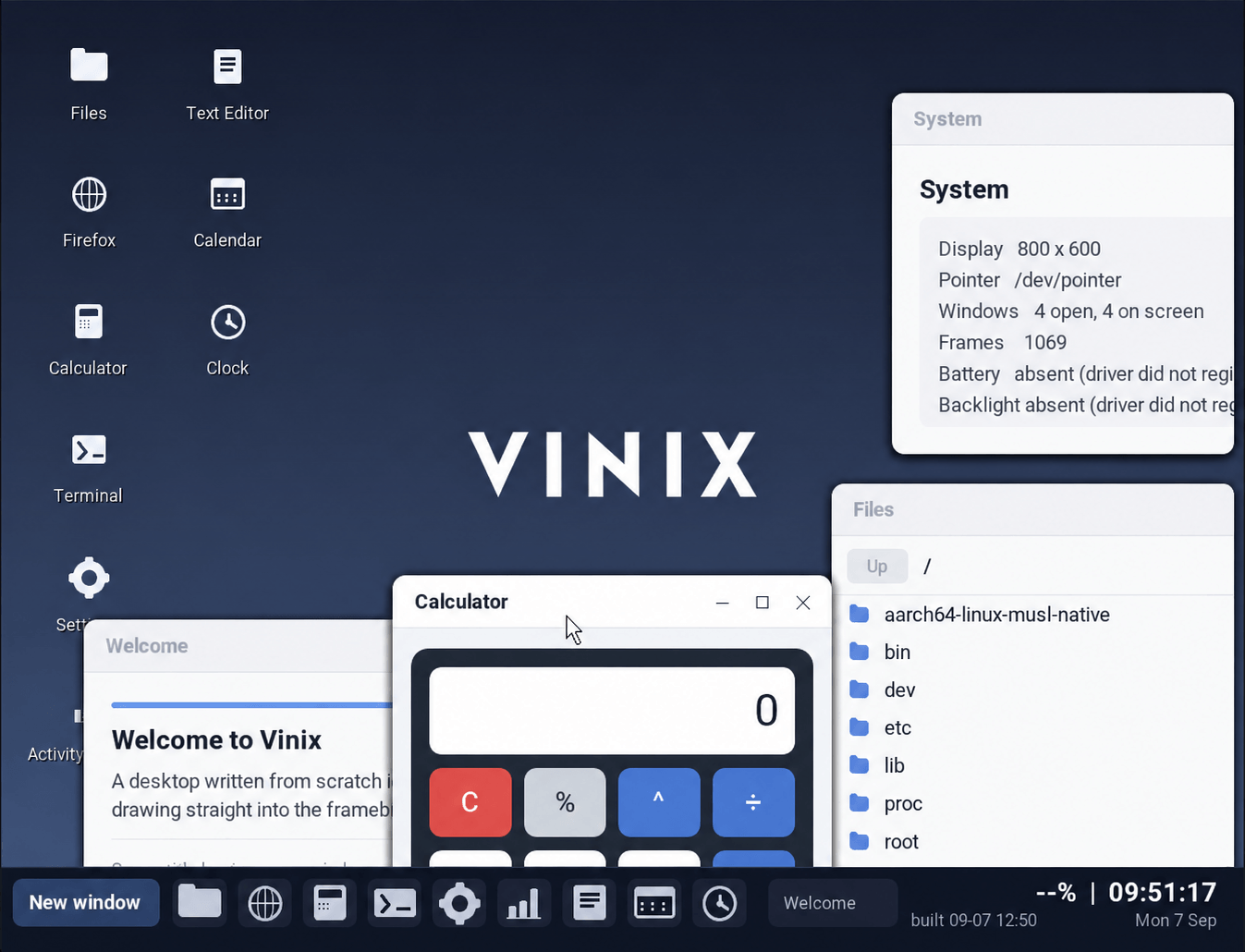
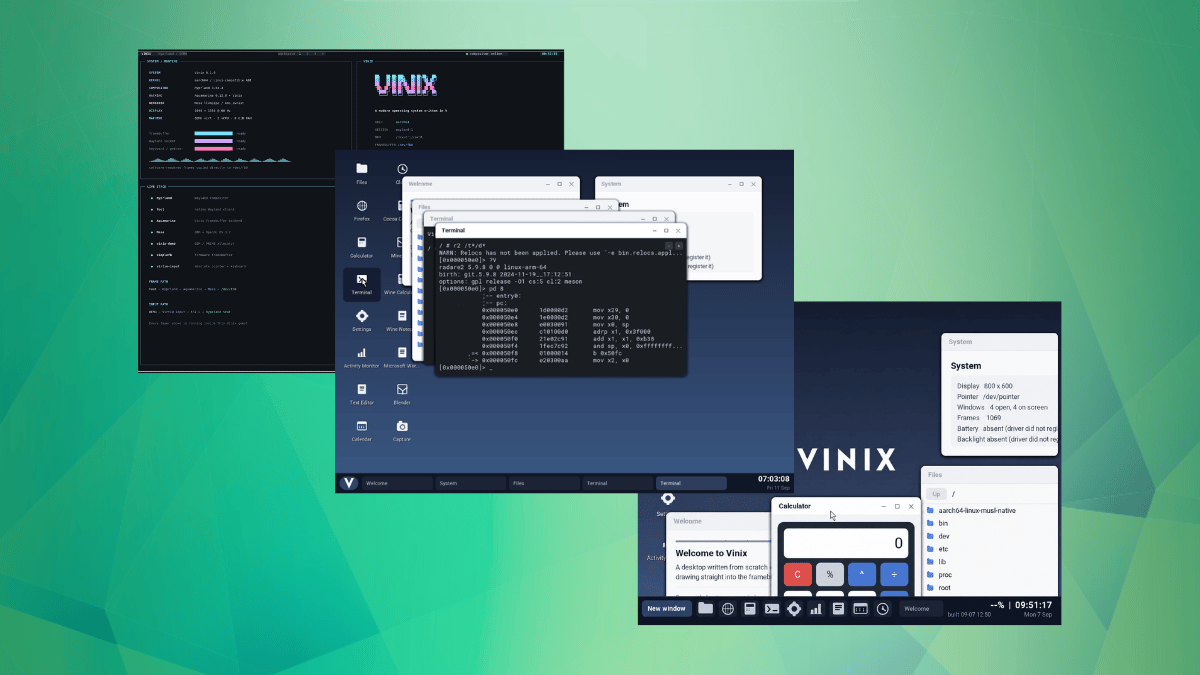
For owners of Apple Silicon MacBooks who are searching for an operating system that is neither Apple’s proprietary macOS nor a traditional Linux distribution, Vinix presents an intriguing option. Currently supporting original M1 hardware, the Vinix project is maintained by Alexander Medvednikov, the creator of the V programming language.
The architecture of Vinix relies on a monolithic kernel written predominantly in V, alongside components written in C and assembly. A notable design choice in Vinix is its reliance on manual memory management. By deliberately omitting a garbage collector, the system prevents any unexpected garbage collection pauses from interrupting critical system calls. Furthermore, its security model incorporates several conceptual borrowings from OpenBSD, aiming to establish a robust baseline of system integrity.
On ARM64 architecture, Vinix is capable of running Alpine Linux binaries natively, utilizing the pkg utility to pull packages directly from Alpine’s aarch64 software repositories. For developers and curious users who do not own compatible Apple Silicon hardware, ISO installation media for both x86-64 and ARM64 architectures are available, making it straightforward to test the operating system within a virtual machine environment. As an experimental kernel project that has been actively developed since 2021, Vinix serves as a compelling sandbox for those interested in alternative systems programming languages and non-standard kernel design.

2. Asterina NixOS
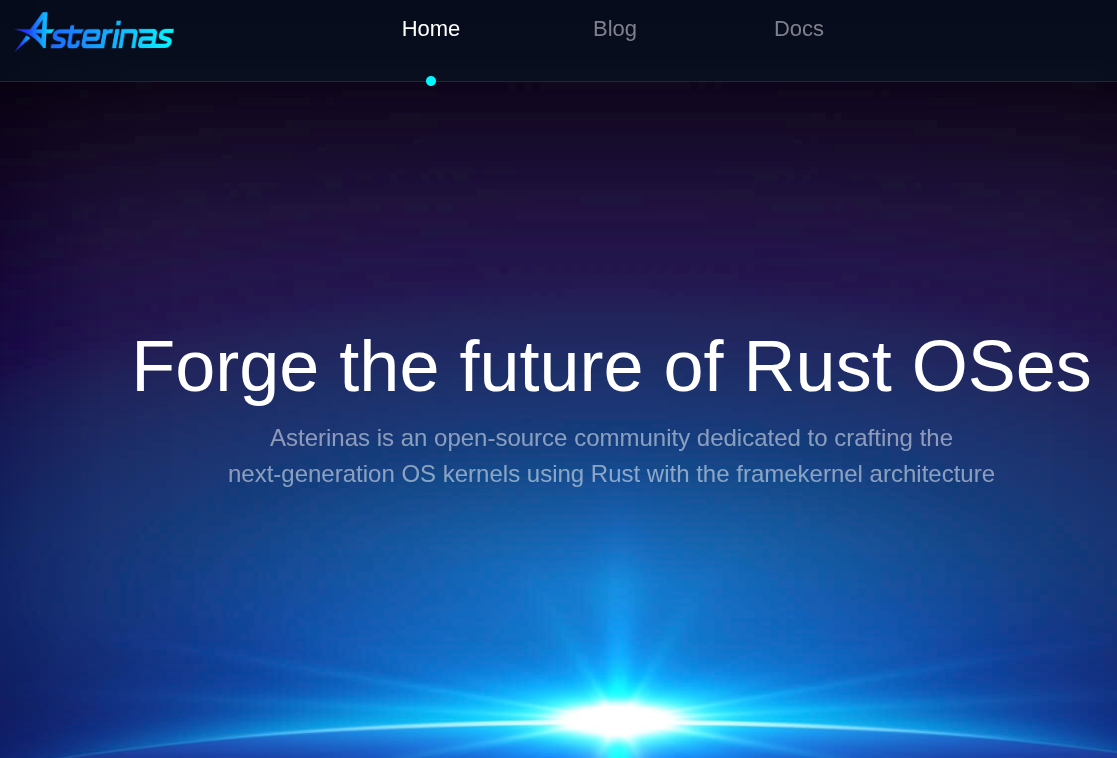
The intersection of modern systems programming and declarative configuration management can be observed in Asterinas NixOS. For users willing to experiment outside conventional software stacks, this project replaces the standard Linux kernel found within a NixOS environment with a custom Rust-based kernel known as Asterinas. Because this kernel implements the standard Linux system call interface, applications compiled for the Linux platform can execute on top of it.
Configuration of the distribution is handled through the familiar Nix language, mirroring the workflow of a standard NixOS installation. Under the hood, the project places a strong emphasis on memory safety. Unsafe Rust code is strictly restricted to a small internal framework known as OSTD, while the remainder of the kernel and its accompanying device drivers are implemented using safe Rust practices.
Full support is currently centered on the x86_64 platform, with ARM64 and RISC-V architectures positioned one tier below in terms of stability and feature completeness. Because the project is still under active development, the developers explicitly note that the distribution is not yet ready for production workloads. Instead, installer ISOs released on GitHub are primarily targeted at early adopters, Rust enthusiasts, and developers tracking the evolution of memory-safe operating system kernels.
3. FreeBSD
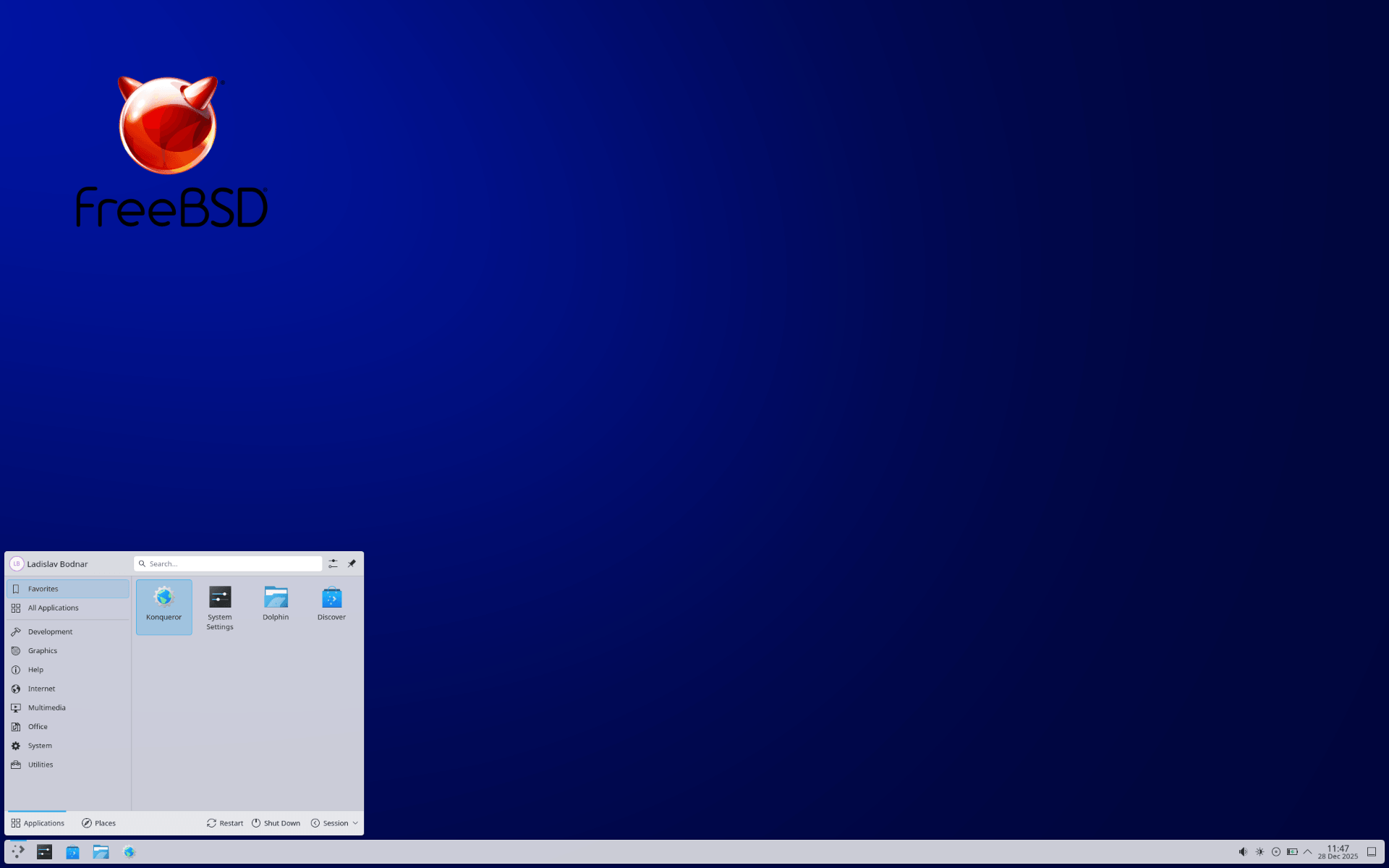
Moving away from experimental developments and into enterprise-grade infrastructure brings us to FreeBSD. As a complete, production-ready operating system, FreeBSD traces its direct lineage back to the Berkeley Software Distribution, the historic Unix operating system developed at the University of California, Berkeley. Maintained by a large and active global community, FreeBSD operates under a permissive license that historically allows commercial entities to integrate and modify the code while keeping their proprietary modifications private.
At the core of FreeBSD’s appeal are advanced enterprise features including the OpenZFS file system, sophisticated containerization through jails, and a built-in hypervisor. OpenZFS is deeply integrated into the base operating system, providing advanced data integrity protections alongside boot environments that allow administrators to safely snapshot the system and instantly roll back problematic updates.
FreeBSD maintains broad hardware compatibility, running natively across a wide array of architectures including AMD64, AArch64, Armv7, PowerPC, and RISC-V. Long favored by network administrators, server operators, and storage engineers, FreeBSD remains one of the most reliable and enduring pillars of the open-source operating system ecosystem.

4. GhostBSD
For users who appreciate the foundational power and stability of FreeBSD but prefer a ready-to-use desktop environment without manual configuration, GhostBSD bridges the gap. The project takes the robust FreeBSD base operating system and pairs it with the MATE desktop environment, creating a familiar, accessible computing experience for everyday users.
The nomenclature of GhostBSD originates from its historical roots as a shorthand description for GNOME hosted by FreeBSD. Although the project now features MATE—itself a continuation of the classic GNOME 2 desktop paradigm—the philosophical approach remains consistent. GhostBSD follows a slow-rolling update schedule, prioritizing long-term system stability over the rapid-fire software adoption cycles common among some desktop Linux distributions.
Beyond its desktop orientation, GhostBSD comes preconfigured with compatibility layers for running Linux binaries, lowering the barrier to entry for users who rely on specific cross-platform software. Additionally, the inclusion of an installer built on OpenZFS ensures that newcomers can easily deploy advanced file system features without deep technical familiarity.
5. Haiku
Inspired by the legacy of the historic BeOS, Haiku is an open-source operating system designed from the ground up specifically for personal computing. Unlike many operating systems where the kernel and user interface are maintained by disparate groups, the Haiku core team develops both the kernel and the desktop applications in tandem. Project contributors credit this unified approach for the system’s high degree of interface consistency and cohesive design.
Beneath its graphical shell lies a kernel architected specifically for high responsiveness, featuring comprehensive multithreading throughout the system architecture. Haiku utilizes the BFS file system, which incorporates indexed metadata to allow Tracker, the native file manager, to perform rapid, database-style queries across storage drives.
Software management in Haiku relies on a modular package system where applications mount cleanly into the operating system directory structure. Furthermore, the system preserves earlier operational states, allowing users to easily roll back botched software installations or system updates. For those seeking a uniform, lightweight desktop experience detached from both the Unix and Linux lineages, Haiku offers a distinct alternative.
6. ReactOS
Occupying a unique space in open-source software development, ReactOS is an ambitious project aimed at creating a free, open-source operating system compatible with applications and drivers written for Microsoft Windows. Because the software remains in an alpha stage of development, the project issues clear warnings regarding system stability, file safety, and hardware compatibility.
Beneath these caveats lies a complete operating system featuring a familiar Windows-style desktop environment. According to the project, the core system architecture was written from scratch, while the majority of its user-mode code relies heavily on Wine, the established compatibility layer for running Windows applications on alternative operating systems.
In terms of storage, the operating system installs by default onto FAT16 or FAT32 partitions, while support for more modern file systems like Btrfs remains experimental. For developers and enthusiasts interested in exploring the boundaries of software compatibility and open-source reimplementations of proprietary platforms, ReactOS serves as a fascinating long-term research project.
Testing and Best Practices
Evaluating alternative operating systems requires a careful approach to hardware compatibility and system stability. Deploying these non-standard environments inside a virtual machine before committing them to bare-metal hardware remains an essential best practice for system administrators and hobbyists alike. Running preliminary tests within a virtualized sandbox allows users to evaluate whether a particular operating system aligns with their daily workflow, application requirements, and personal computing habits.
Once an alternative operating system is deployed in a production or testing environment, maintaining regular updates is critical to ensuring that critical security patches are applied. For high-security environments or experimental research builds, isolated or air-gapped network configurations provide an additional layer of protection against unforeseen vulnerabilities.
Leave a Reply