
For decades, the standard advice given to computer users seeking an alternative to mainstream proprietary operating systems has been to explore a different Linux distribution. While this guidance remains practical for many, it consistently overlooks a distinct segment of the technology community: users who want a break from Linux itself while remaining firmly within the open-source ecosystem.
A diverse landscape of independent, open-source operating systems exists entirely outside the Linux kernel family. Many of these alternative systems provide their own bootable ISOs or native installers, and a significant portion even offer varying degrees of compatibility to run standard Linux applications. Think of these platforms as systems that are friendly toward Tux the penguin, but not quite friendly enough to invite him over for a cup of tea.
The range of available non-Linux open-source systems spans everything from traditional Berkeley Software Distribution derivatives and desktop-first experimental environments to entirely new kernels built in modern programming languages.

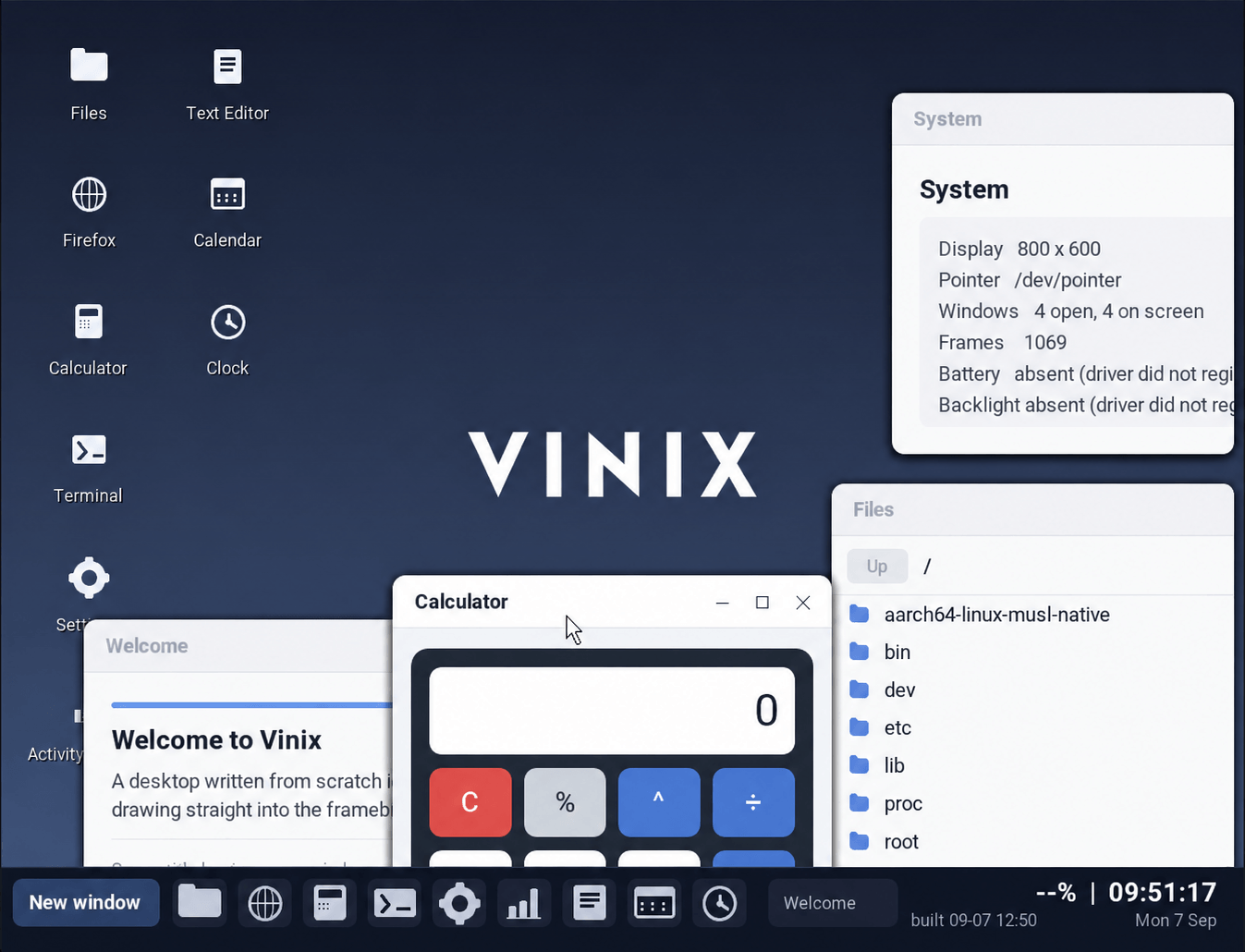
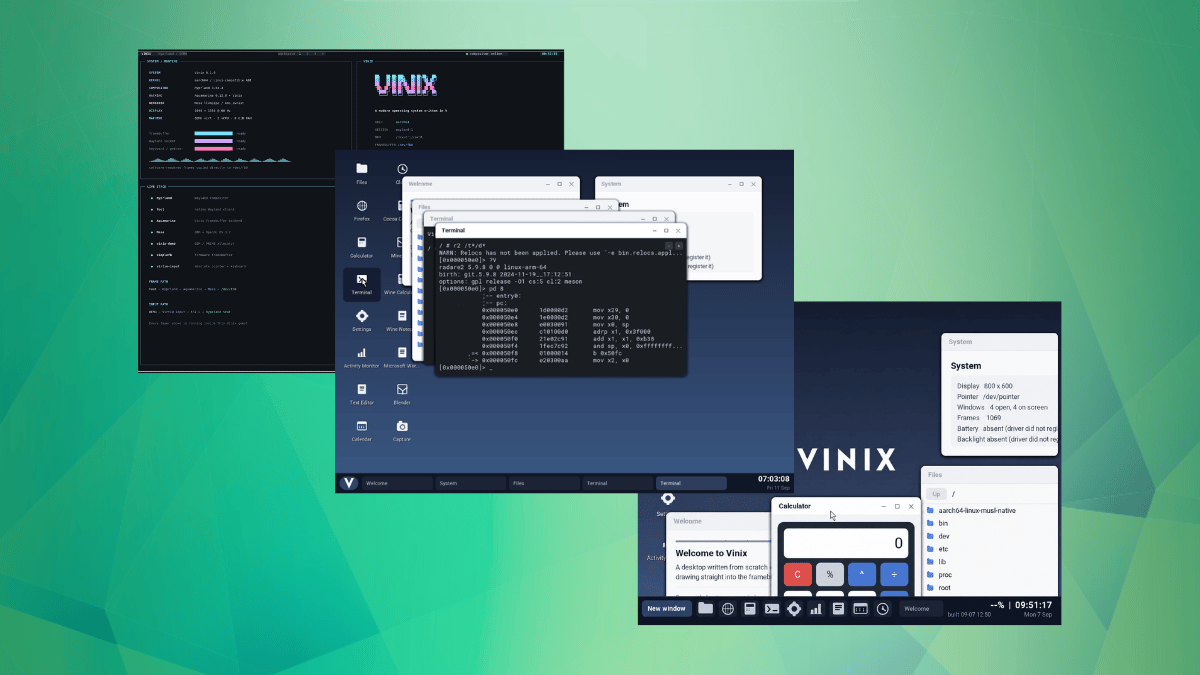
One of the more unique projects catering to modern hardware is Vinix. Tailored specifically for users who own an Apple Silicon MacBook and want an operating system that is neither macOS nor a traditional Linux distribution, Vinix targets the original M1 architecture. Maintained by Alexander Medvednikov, the author of the V programming language, the project features a monolithic kernel written predominantly in V, alongside portions written in C and assembly.
Because Vinix manages memory by hand, it avoids the interruptions of a garbage collector during system calls, and its security model borrows several foundational concepts from OpenBSD. On ARM64 architectures, Vinix can run Alpine Linux binaries natively, while the package manager retrieves packages directly from Alpine’s aarch64 repositories. Developers and enthusiasts can also access ISO images for both x86-64 and ARM64 architectures, primarily intended for virtual machine testing. For anyone interested in poking at experimental kernels, Vinix offers a compelling sandbox.
Another experimental project pushing the boundaries of kernel development is Asterinas NixOS. For users willing to experiment with a Rust-based kernel where Linux would normally reside, Asterinas offers a fascinating alternative. Asterinas acts as a custom kernel that implements the Linux system call interface, allowing native Linux applications to execute on top of it.
Configuration of the distribution is handled through Nix, mirroring the standard NixOS experience. To ensure safety, unsafe Rust code is strictly isolated within a small framework known as OSTD, while the remainder of the kernel and its accompanying drivers are written in safe Rust. While the x86_64 platform enjoys full support, ARM64 and RISC-V architectures currently sit one tier below. Project maintainers emphasize that the distribution is not yet ready for production environments, aiming its GitHub installer ISOs strictly at early adopters and technology enthusiasts tracking the implementation of memory-safe languages in operating system design.

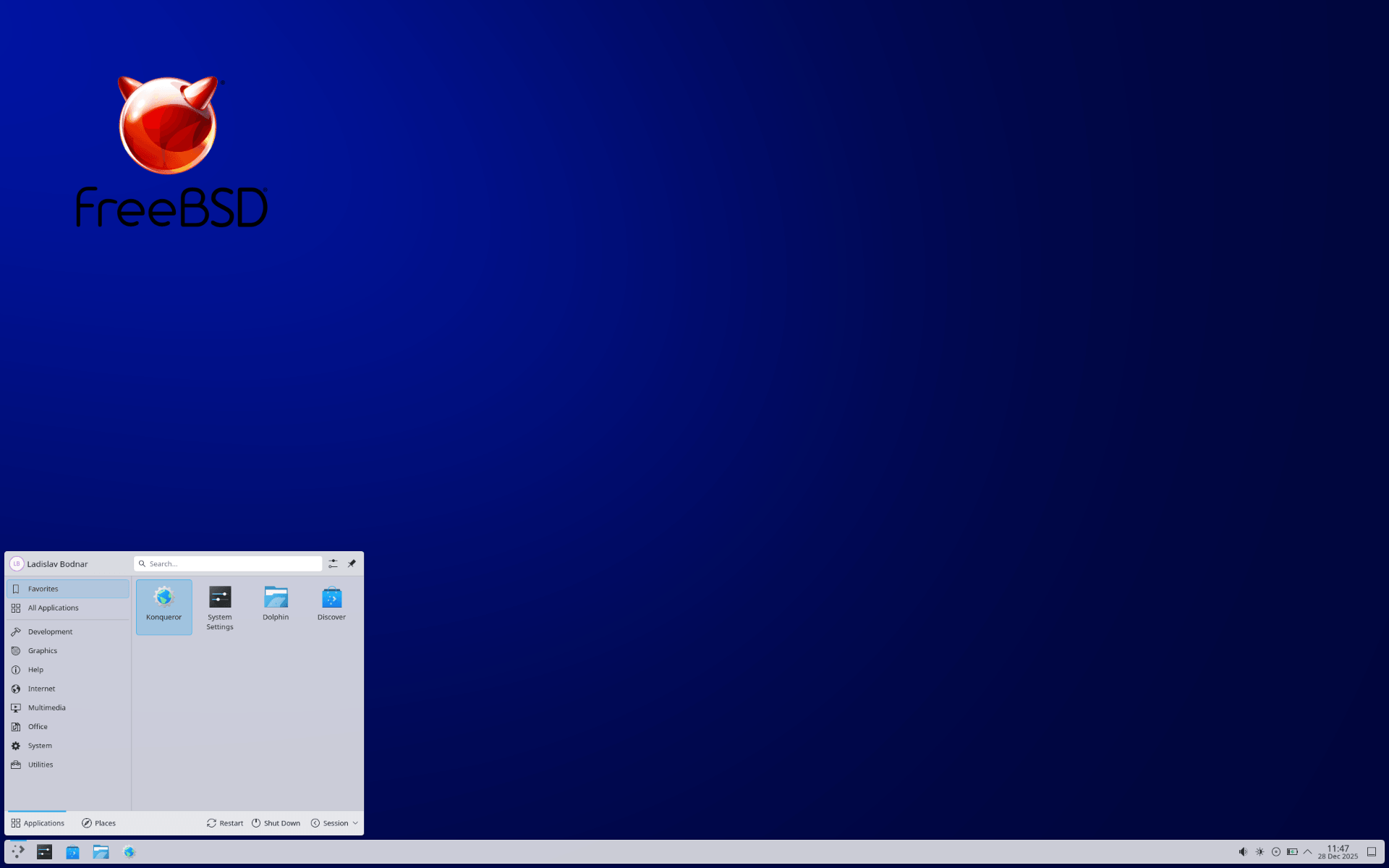
Moving away from experimental kernels toward more established architectures brings us to FreeBSD, a complete and robust operating system derived directly from the Berkeley Software Distribution developed at the University of California, Berkeley. Maintained by a large and active global community, FreeBSD operates under a permissive license that allows commercial entities to keep their internal modifications private.
At the core of FreeBSD’s appeal are advanced enterprise features such as OpenZFS, jails for virtualization, and a powerful native hypervisor. OpenZFS is built directly into the base system, enabling boot environments that allow administrators to roll back faulty system updates instantly by taking snapshots prior to making changes. FreeBSD maintains a broad hardware support footprint, running reliably on AMD64, AArch64, Armv7, PowerPC, and RISC-V platforms. It remains a preferred choice for high-performance servers, enterprise storage arrays, and complex networking infrastructure.
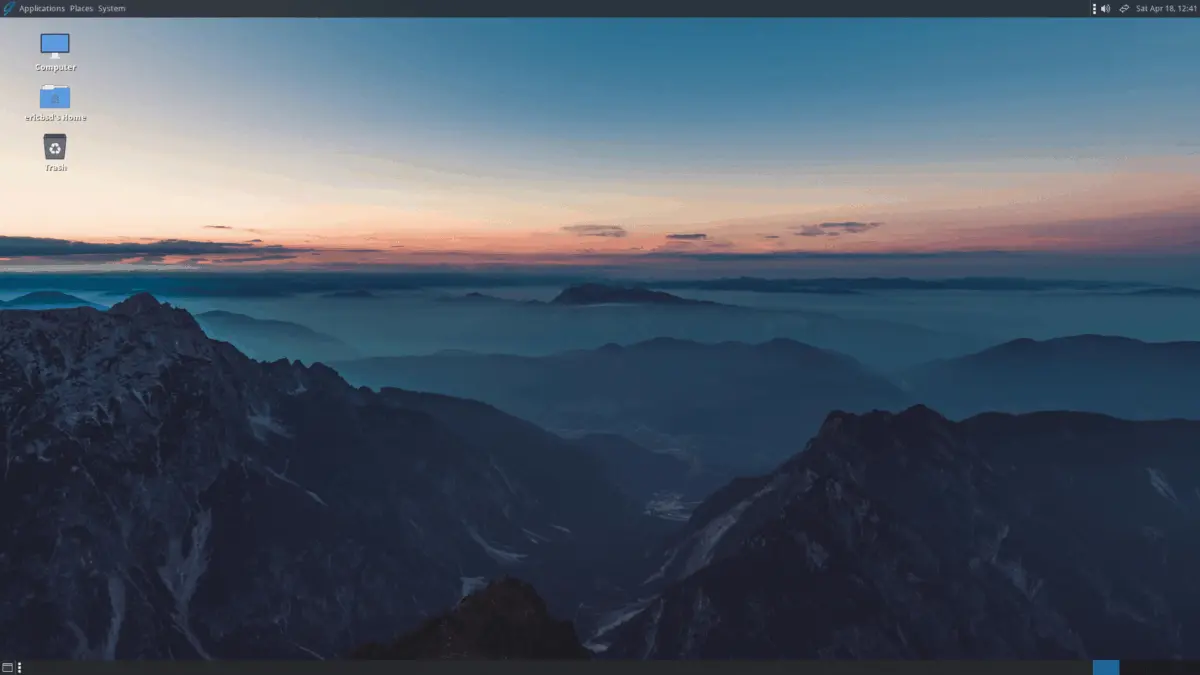
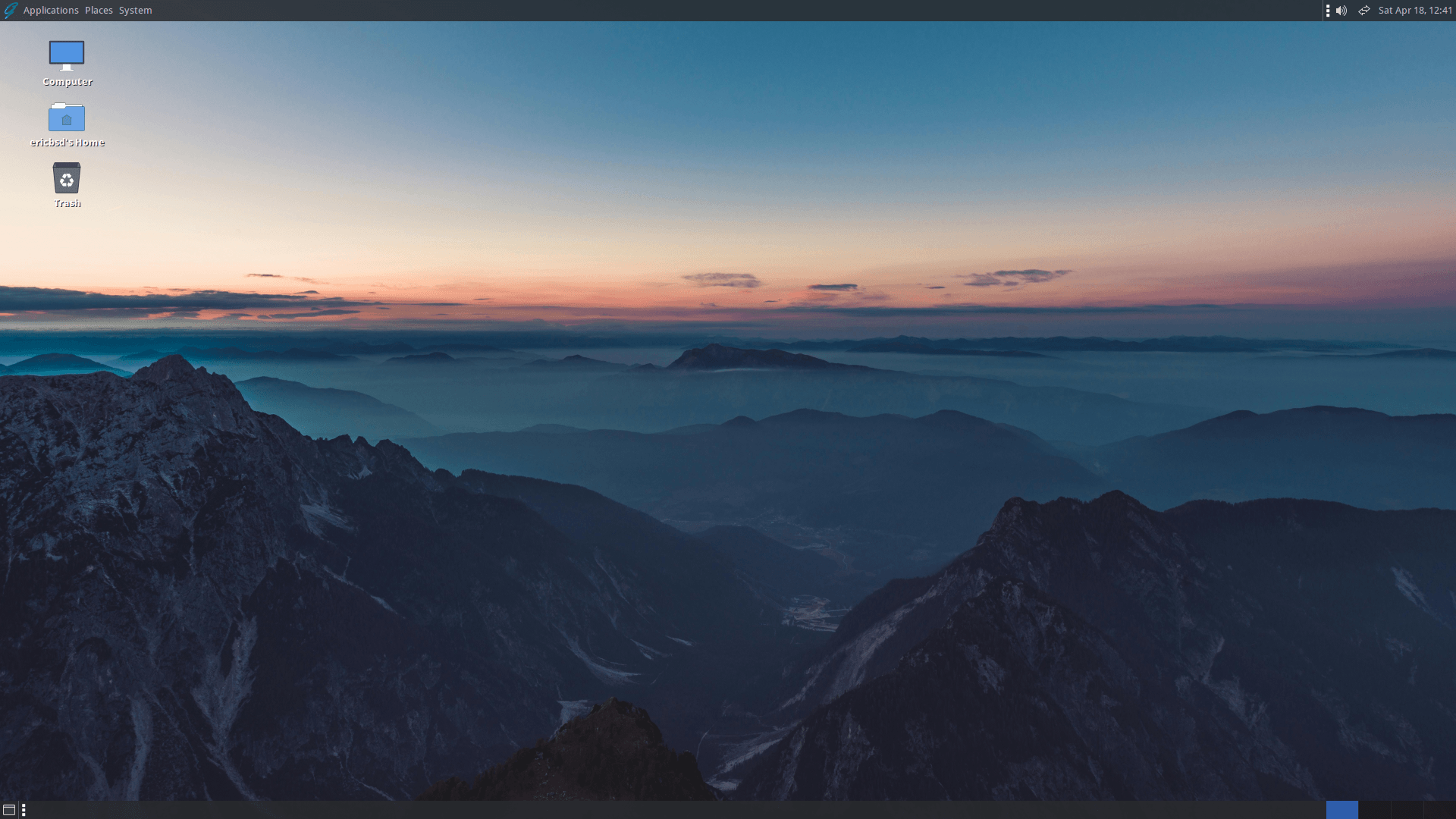
For users who appreciate the architectural strength of FreeBSD but prefer a traditional desktop experience without manual configuration, GhostBSD bridges the gap. GhostBSD pairs the robust FreeBSD base with the MATE desktop environment, offering a pre-configured suite of applications designed to provide an immediately familiar user interface.
The project’s historical name originated as an abbreviation for GNOME hosted by FreeBSD. Although the system now utilizes MATE—a direct continuation of the classic GNOME 2 interface—the underlying philosophy remains consistent. GhostBSD follows a slow-rolling update schedule, prioritizing long-term stability and deliberate release cycles over chasing the bleeding-edge software updates common in many fast-moving Linux distributions. Furthermore, the system comes preconfigured with Linux binary compatibility and utilizes an installer built on OpenZFS, making advanced file-system safety approachable for newcomers who want to use FreeBSD as an everyday desktop machine.
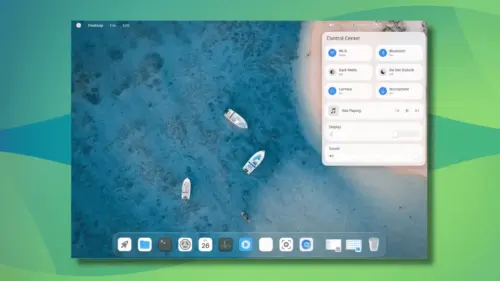
Another project reviving classic computing philosophies is Haiku, an open-source operating system heavily inspired by BeOS and engineered specifically for personal computing. Haiku stands out because the core development team writes both the operating system kernel and the desktop applications in tandem, a unified approach that creates a remarkably consistent and cohesive user interface.
Beneath that interface lies a kernel designed explicitly for low-latency responsiveness, featuring multithreading throughout the entire system architecture. Haiku utilizes the BFS file system, whose indexed metadata allows the native Tracker file manager to execute rapid database-style queries across storage drives. Software installation is handled through self-contained packages that mount cleanly into the system, with previous system states preserved to allow straightforward rollbacks if an update fails. For users seeking a uniform desktop experience outside the mainstream paradigms, Haiku provides a polished alternative.
At the more experimental end of the desktop spectrum lies ReactOS, a project that carries an explicit warning label. Because ReactOS is still classified as alpha-level software, its official download page explicitly cautions users regarding system stability, file safety, and hardware compatibility.
Beneath this caveat is an ambitious operating system featuring a Windows-style desktop environment written completely from scratch, while the majority of its user-mode code relies on Wine, the well-known compatibility layer. By default, ReactOS is designed to install onto a FAT16 or FAT32 partition, with Btrfs support remaining experimental. It serves as an intriguing project for those tracking how far an open-source reimplementation of the Windows architecture can progress.
For anyone considering a venture into these non-standard operating systems, technology veterans generally recommend testing them within a virtual machine before deploying them directly to bare-metal hardware. Virtualization provides a safe environment to evaluate whether a unique workflow and daily usage habits align with what a particular alternative OS has to offer. Once an operating system is chosen and deployed, maintaining regular updates ensures that critical patches are never missed, though highly security-conscious administrators may still rely on air-gapped network setups to mitigate external risks.
Leave a Reply