At its core, the technology operates by recognizing behavioral signals. When a consumer visits an online store, AI models immediately begin processing clicks, search queries, cart additions, and historical purchase data. These patterns allow automated systems to recommend relevant items, refine ad delivery across multiple networks, generate tailored marketing copy, and flag early warning signs when a loyal buyer begins losing interest. However, industry experts emphasize that the technology functions best as an accelerator rather than a standalone decision-maker. Human oversight remains a critical safeguard, because unchecked automation or flawed source data can quickly result in inaccurate content, irrelevant suggestions, and wasted advertising expenditure.

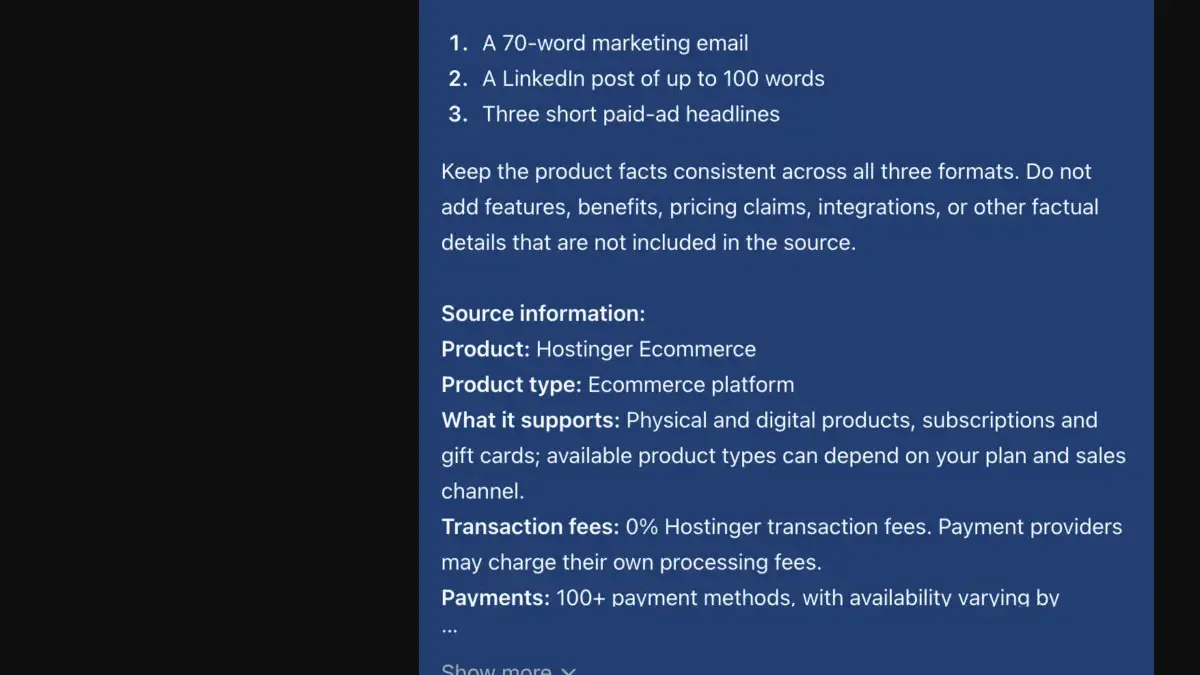
The integration of artificial intelligence spans eight primary marketing functions within the ecommerce ecosystem, beginning with advanced product recommendation engines. By evaluating real-time browsing sessions and past shopping habits, stores can surface items that precisely match an individual’s immediate interests. For instance, a shopper inspecting a pair of running shoes might be shown compatible running socks or specialized insoles, while a customer browsing rugged hiking boots will instead be directed toward waterproofing treatments. These recommendations can appear dynamically across product pages, shopping carts, post-purchase screens, and email notifications, effectively reducing the friction shoppers face when hunting for relevant goods while creating lucrative cross-selling and upselling opportunities. Research compiled on ecommerce trends demonstrates that when shoppers actively engage with these data-driven suggestions, product recommendations can account for nearly a third of total online store revenue. To verify their efficacy, merchants typically monitor key performance indicators such as conversion rates, average order values, and repeat purchase frequencies.
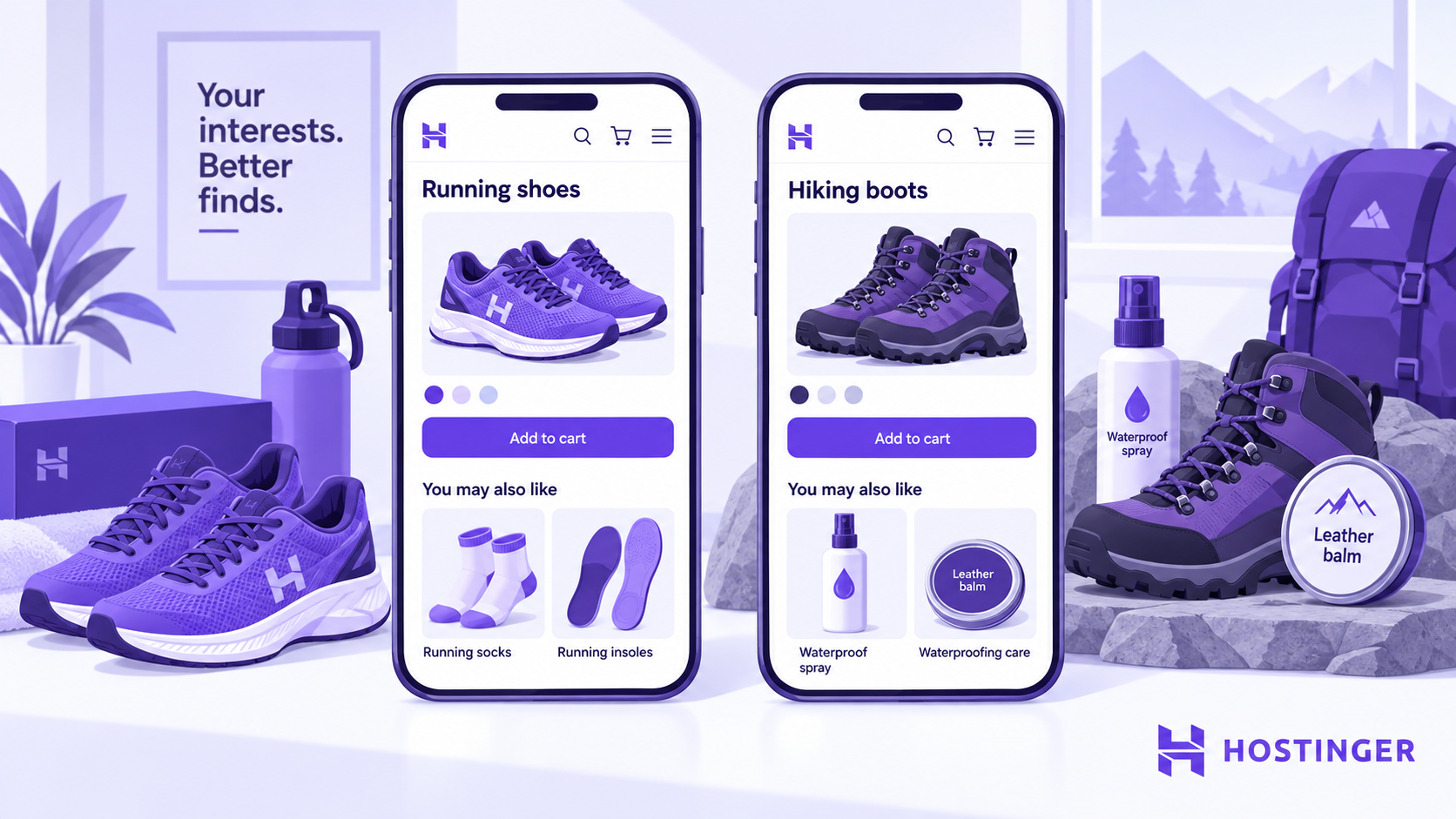
Content creation and adaptation represent another major arena where machine learning tools are reshaping daily operations. Digital marketing statistics indicate that more than half of marketing professionals now utilize artificial intelligence to generate initial content drafts, while a significant portion relies on automated systems to refine and optimize existing copy. When launching a new product—such as a specialized skincare moisturizer—merchants can feed verified source material, brand voice guidelines, and ingredient lists into an AI content generator. The system can then instantly draft product descriptions, targeted ad variations, email subject lines, and social media captions. Furthermore, these tools excel at adaptive repurposing, transforming a single approved product page launch into shorter, channel-specific formats without losing factual consistency. Nonetheless, professionals stress that generated copy must always be treated as a preliminary draft. Before any material goes live, human editors must rigorously verify factual claims, pricing details, ingredient lists, and performance guarantees to protect consumer trust.
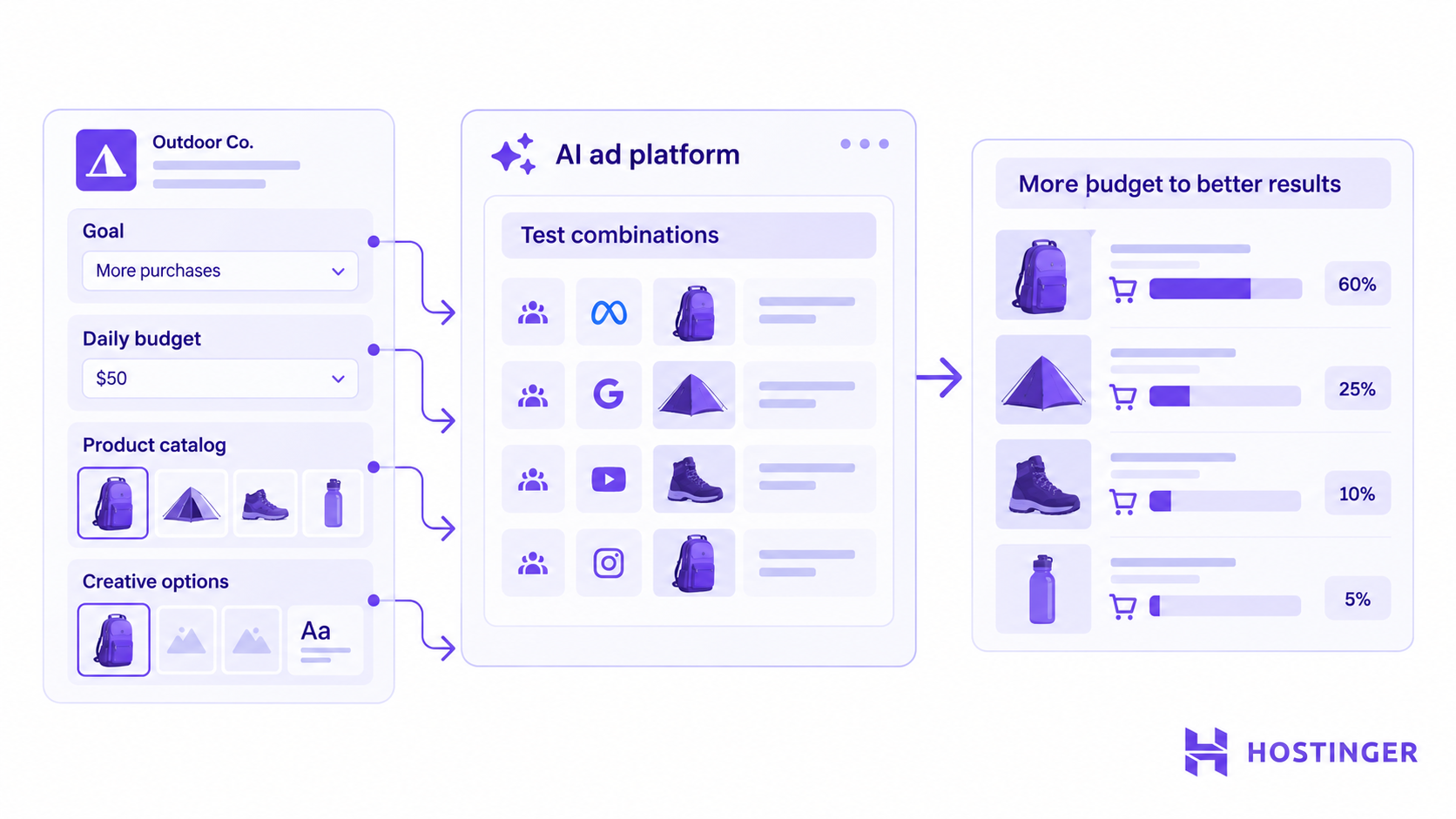
Paid advertising optimization has also undergone a profound transformation through automated platforms like Google Performance Max and Meta Advantage+. Instead of manually adjusting bids, audience targeting, and creative placements across different channels, merchants can supply an inventory catalog, a collection of approved ad creatives, a daily financial limit, and a overarching sales objective. The underlying algorithms then continuously test different combinations of headlines and images, shifting budgets dynamically toward the best-performing assets to maximize capital efficiency. While the software handles heavy computational tasks like audience selection and delivery pacing, human marketers retain strict control over foundational parameters, including overall budget caps, product inventory, brand safety guidelines, and conversion tracking accuracy.
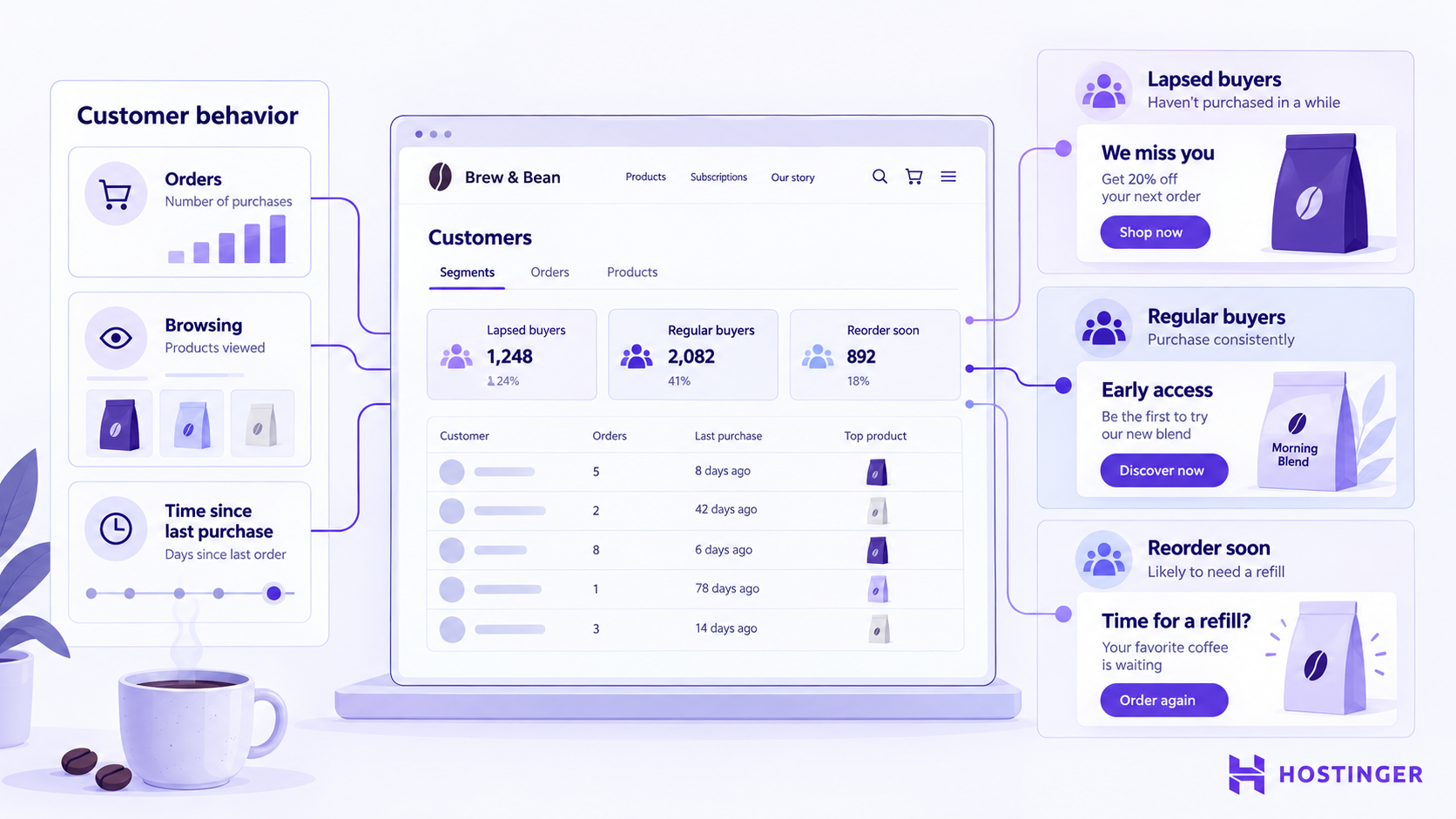
Beyond advertising and content generation, artificial intelligence empowers retailers to execute sophisticated customer segmentation and lifecycle management. A segment represents a distinct cohort of buyers sharing specific behavioral traits, such as a group of coffee enthusiasts who have placed at least two orders but remained inactive over the past sixty days. By leveraging automated data analysis, stores can continuously update these cohorts and deliver tailored messaging depending on whether a customer is a high-value regular, a lapsed buyer, or a first-time browser. This behavioral intelligence naturally flows into email and SMS marketing campaigns, allowing automated systems to optimize the timing and frequency of communications. For example, rather than sending a generic promotional blast, a pet-food retailer can analyze an individual animal owner’s reorder cadence—sending a personalized text reminder closer to their typical four-week or six-week replenishment cycle, provided the consumer has opted in to receive alerts.
Conversational commerce has likewise evolved beyond rigid, rule-based chatbots into intuitive shopping assistants powered by natural language processing. Modern shoppers can describe what they need using everyday language, asking conversational queries like, "I need a lightweight waterproof jacket for hiking under $150." Instead of forcing the user to navigate complex filter menus, the AI assistant compares suitable inventory, highlights key functional differences, and guides the customer directly to a satisfying purchase. Industry metrics show that more than a third of online consumers have interacted with chatbots during their shopping journeys in recent months. However, developers note that an effective assistant must bridge the gap between product discovery and support smoothly, as irrelevant suggestions or dead-end prompts only introduce friction into the buying process.
Recovery strategies for abandoned carts have similarly benefited from predictive modeling. When a shopper adds items to a virtual cart but exits before completing the transaction, automated systems can tailor the follow-up reminder based on the user’s specific context. A first-time visitor who abandoned checkout after encountering shipping fees may require a different message than a loyal, repeat customer who simply forgot to finalize the order. By analyzing historical behavior, the recovery sequence can adjust messaging and incentives dynamically, ensuring that discounts are reserved for price-sensitive shoppers rather than given away unnecessarily to frequent buyers who would have purchased at full price anyway.

At the other end of the customer lifecycle, predictive analytics enable merchants to combat customer churn by identifying subtle shifts in behavior before a buyer departs for good. When a customer who routinely purchases monthly nutritional supplements suddenly stops opening promotional emails, skips store visits, and misses their expected reorder date, machine learning models recognize the compounding signals of disengagement. Armed with these early warnings, merchants can deploy targeted retention campaigns—such as loyalty rewards, personalized check-ins, or tailored product bundles—to win back the customer’s attention before they permanently stop buying. While these predictive features require robust historical data and substantial customer volumes to operate accurately, smaller or newer stores can successfully rely on simpler rule-based triggers until their transaction histories mature.
Despite these operational advantages, integrating artificial intelligence into ecommerce marketing carries distinct risks and limitations. Because algorithms rely entirely on the quality of the data and rules provided by human operators, garbage data inevitably leads to flawed campaign decisions. Common concerns include poor data quality resulting from duplicate purchase records, inaccurate AI outputs that generate unsupported product claims, potential data privacy exposures if customer information is shared with unapproved third-party processors, and the danger of overreliance on automation where unsupervised campaigns continue spending capital long after a marketing premise has become obsolete. To mitigate these vulnerabilities, retailers must establish rigorous data hygiene practices, enforce strict spending and discount limits, and maintain mandatory human review workflows for every published asset.
As the technology continues to mature, industry adoption is moving beyond isolated tools toward more integrated operational workflows. While foundational tasks ranging from ad optimization to churn prediction are increasingly managed by machine learning, the ultimate measure of success remains unchanged. Whether deploying automated email sequences, generating campaign copy, or guiding shoppers through conversational assistants, artificial intelligence must deliver measurable value by saving time, boosting marketing performance, and enhancing consumer relevance without compromising human control over brand standards and customer trust.