Nvidia’s board of directors has reportedly initiated discussions with Arm chief executive officer Rene Haas regarding a potential leadership transition that could eventually see him succeed longtime CEO Jensen Huang, according to a recent report from the Financial Times. Citing individuals with direct knowledge of the matter, the report highlights Haas as one of several candidates currently under consideration by the board as part of its long-term succession planning.
While the outreach underscores Nvidia’s forward-looking approach to executive governance, it remains entirely unclear whether Haas will receive a formal offer to take the helm at the world’s most valuable chipmaker, or whether he would ultimately agree to leave his current position at Arm to accept such a high-profile role. The preliminary nature of the discussions highlights the complex web of relationships, competition, and technological interdependence that defines the modern semiconductor industry, where industry leaders frequently cross paths and share deep professional ties.
The prospect of Rene Haas emerging as a potential successor to Jensen Huang brings together two of the most influential figures in the contemporary technology landscape. Under Huang’s visionary leadership, Nvidia has transformed from a niche graphics processing unit manufacturer known primarily for PC gaming hardware into an absolute juggernaut of the artificial intelligence era. Nvidia’s advanced GPUs and CUDA software ecosystem have become the foundational infrastructure powering the generative AI boom, driving massive data center expansions across the globe. Huang, who co-founded Nvidia in 1993, has cemented his status as a legendary executive whose strategic bets on parallel processing and accelerated computing have reshaped the entire technology sector, making succession planning a uniquely challenging and critical endeavor for the company’s board of directors.
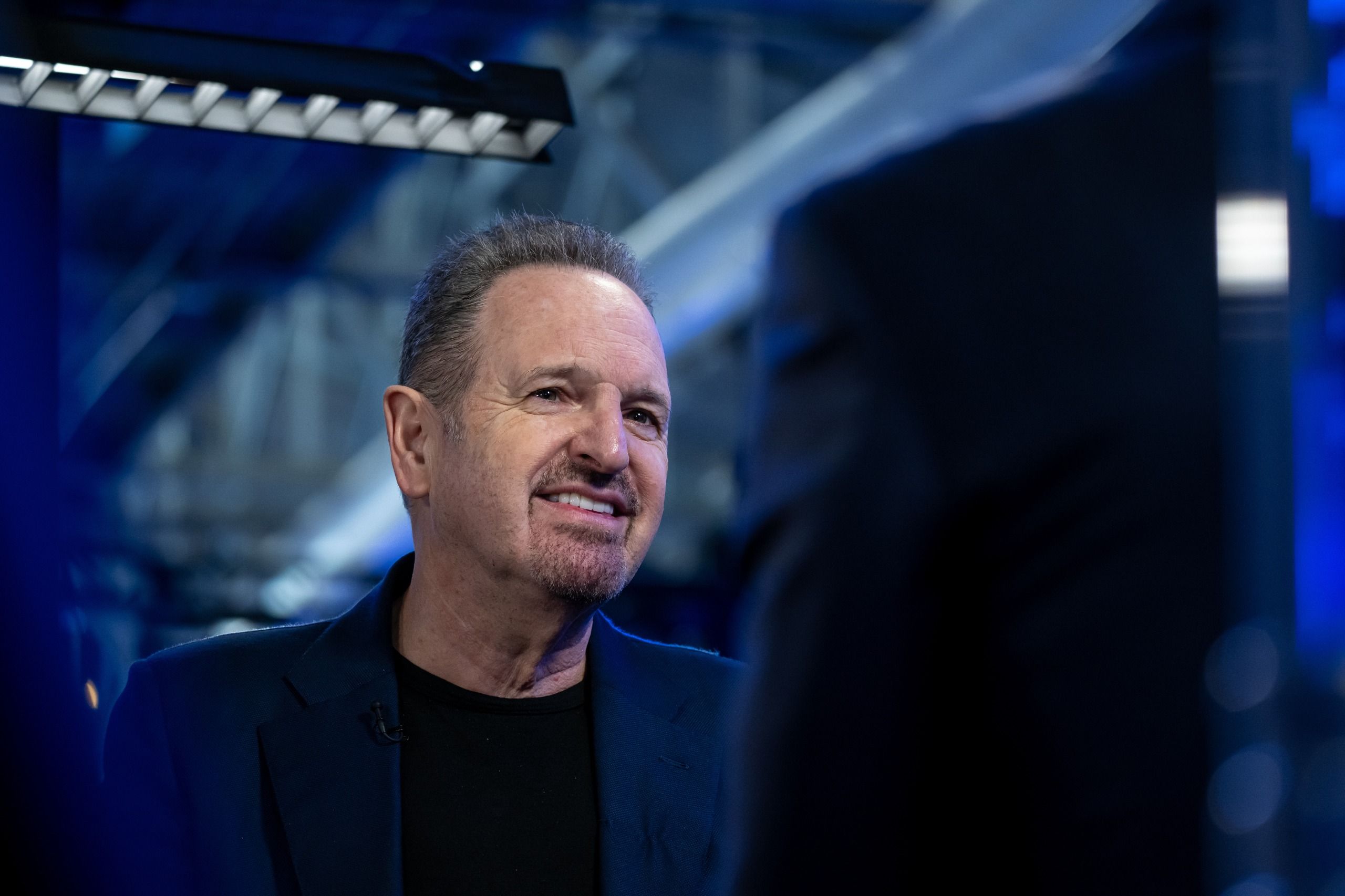
On the other side of the equation sits Rene Haas, who took over as the chief executive officer of Arm in 2022 following the collapse of Nvidia’s ambitious $40 billion bid to acquire the British chip designer. Nvidia’s attempted acquisition of Arm, which was first announced in September 2020, ultimately unraveled in February 2022 due to intense regulatory scrutiny and fierce opposition from antitrust authorities and major industry competitors across the globe. Despite the high-profile failure of that mega-merger, the professional relationship between the leadership teams at Nvidia and Arm has remained robust, largely driven by the undeniable technological synergies between Nvidia’s accelerated computing platforms and Arm’s ubiquitous, energy-efficient processor architectures.
Under Haas’s leadership, Arm has continued to expand its footprint well beyond its traditional stronghold in mobile devices and smartphones, pushing aggressively into cloud computing, automotive systems, personal computers, and enterprise artificial intelligence data centers. Arm’s underlying instruction set architecture is licensed by hundreds of companies worldwide, making it one of the most widely deployed computing foundations in human history. Haas has successfully guided Arm through its blockbuster initial public offering on the Nasdaq stock exchange in September 2023, cementing the company’s financial independence and market value while deepening its strategic relevance in the AI hardware race.
The reported interest from Nvidia’s board reflects a broader industry reality: finding a leader capable of matching Jensen Huang’s unique blend of technical foresight, market intuition, and charismatic leadership is an extraordinary challenge. Huang, who continues to guide Nvidia with immense energy and hands-on involvement, has not publicly indicated any immediate plans to step down from his role as CEO. However, prudent corporate governance requires public companies of Nvidia’s immense scale and market capitalization to actively evaluate internal and external candidates to ensure seamless continuity in the event of an eventual transition.
As the global semiconductor industry navigates a period of unprecedented demand, geopolitical complexity, and technological transformation, executive movements at the highest levels carry immense implications for the future of computing. Whether Rene Haas will eventually be formally approached with an offer to succeed Jensen Huang remains one of the most closely watched and speculative storylines in the corporate tech world. For now, both executives remain firmly focused on steering their respective companies through the ongoing artificial intelligence revolution, leaving the long-term question of Nvidia’s future leadership as an unfolding development to be monitored by industry observers and investors alike.