The tech giant, which is in the midst of an aggressive expansion phase involving the construction of 35 new data centers across the country alongside plans for an additional 134 facilities, has held discussions with the White House Office of Science and Technology Policy and the National Security Council. According to reports from Reuters, Microsoft is spearheading these efforts alongside the Information Technology Industry Council (ITI), a prominent trade association representing major technology firms, to persuade the administration to scuttle the anticipated regulatory blockade.
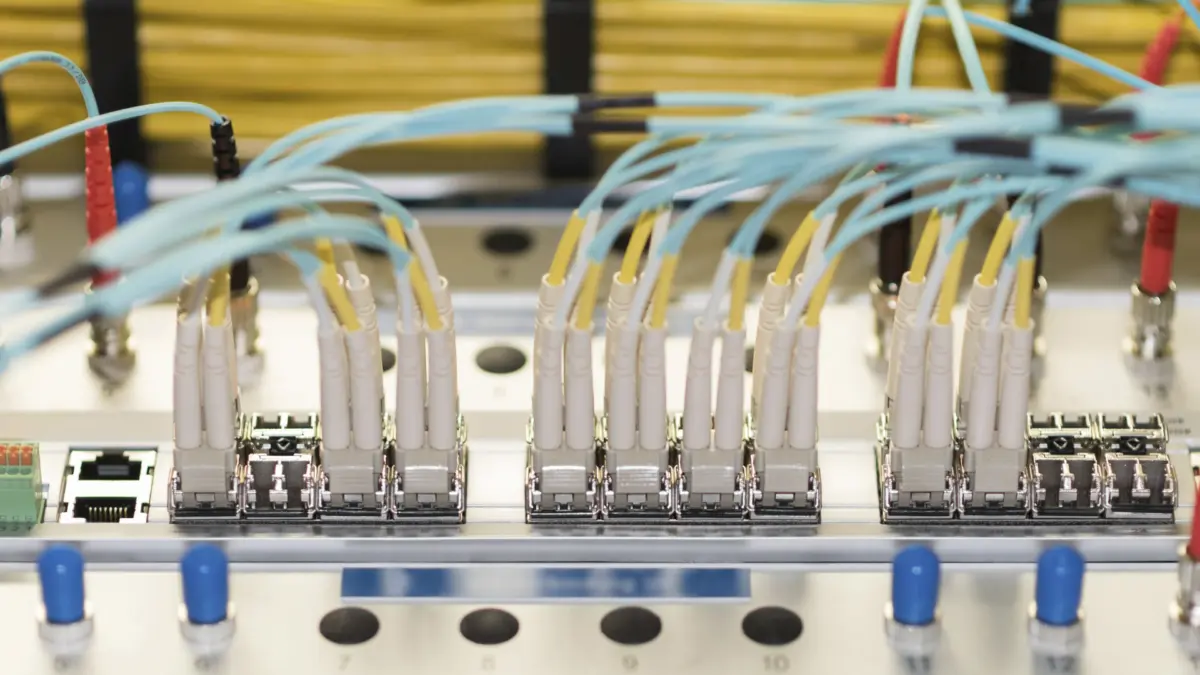
At the heart of the regulatory debate are optical transceivers, specialized components that convert electrical signals into light pulses and vice versa, enabling high-speed data transmission across fiber-optic cables. These hardware modules serve as vital interconnects within modern data centers, particularly those optimized for artificial intelligence workloads that require massive bandwidth and ultra-low latency to shuttle data between clusters of advanced graphics processing units and servers.
The proposed Federal Communications Commission action places the technology sector in a difficult position as it races to build out the physical infrastructure necessary to support next-generation artificial intelligence systems. Industry data indicates that China currently holds approximately 56 percent of the global market share for optical transceivers. This dominant market position makes alternative sourcing a complex, costly, and time-consuming endeavor for American cloud providers and hardware manufacturers who rely on steady supply chains to meet booming enterprise and consumer demand for AI capabilities.
Microsoft’s intensive infrastructure rollout underscores the urgency behind its diplomatic and political outreach. The company’s unprecedented real estate and engineering footprint, encompassing dozens of active construction sites and more than a hundred planned data centers, requires an uninterrupted flow of networking equipment. Any sudden restriction or outright ban on widely used components without a mature domestic or allied supply chain readily available could introduce severe bottlenecks, driving up capital expenditures and delaying timelines for bringing critical AI capacity online.
The Information Technology Industry Council has joined Microsoft in pressing the administration to reconsider the potential disruptions associated with the FCC initiative. The trade group, which counts many of the world’s leading hardware and software developers among its members, has voiced concerns over how sweeping import restrictions on foundational networking gear might ripple through the broader technology ecosystem. As data centers scale up to accommodate increasingly complex machine learning models, the demand for high-performance optical interconnects continues to escalate exponentially, making supply chain resilience a top priority for technology executives and policymakers alike.
The high-stakes meetings between corporate representatives and federal agencies highlight the ongoing tension between national security priorities and the commercial realities of the global technology supply chain. While policymakers evaluate the risks associated with hardware dependencies tied to foreign markets, major industry players like Microsoft are arguing that abrupt import barriers could inadvertently hamper America’s competitive edge in the global artificial intelligence race by slowing down the deployment of necessary infrastructure. As discussions continue between the tech industry and the administration, the final direction of the proposed import ban remains under close scrutiny across both Washington and corporate boardrooms.