The Legend of Zelda: Ocarina of Time has always been a title defined by its melancholic atmosphere. Even beneath the bright, rolling hills of Hyrule Field and the cheerful melodies of the Lost Woods, a persistent undercurrent of sorrow permeates the legendary Nintendo 64 classic. From the tragic fate of the Great Deku Tree to the haunting weight carried by the Kokiri children, the world of Hyrule is one that frequently asks its players to bear a heavy emotional burden. Those who venture deeper into the experience—perhaps by donning the Mask of Truth to converse with the local fauna and residents—will quickly discover that Nintendo intended for this sense of loss to be felt intimately by the audience.
Yet, within the newly released remake of Ocarina of Time for the next-generation Nintendo platform, developers have introduced a series of subtle tweaks and expansions that reshape various corners of the beloved world. While the vast majority of these additions lean into the overarching bleakness of the narrative—amplifying the horror elements and underscoring the devastation wrought by the passage of time—one particular change stands out in stark, heartwarming defiance. It centers entirely around the community’s consensus choice for the best character in the game: a remarkably charming dog named Richard.
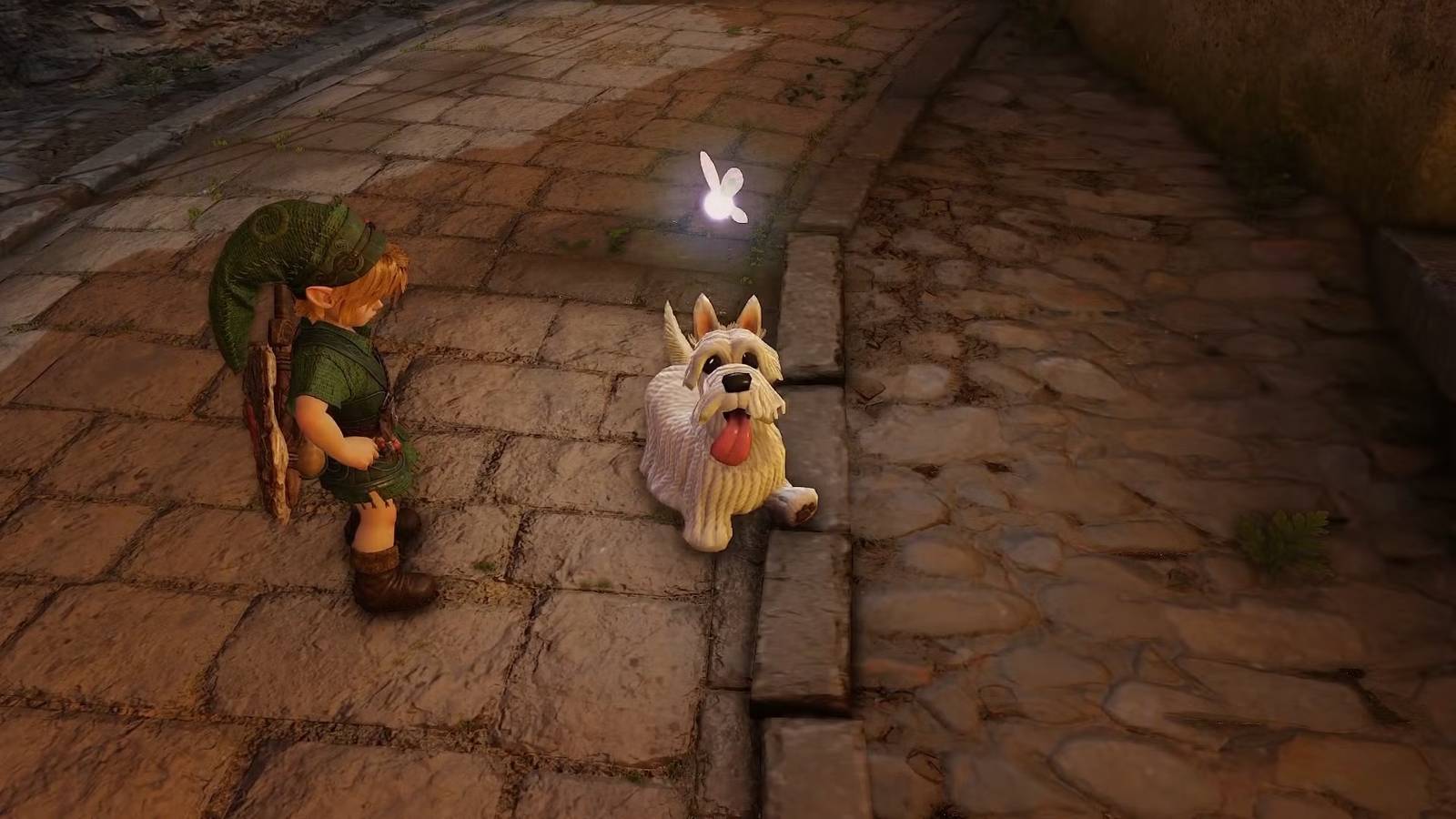
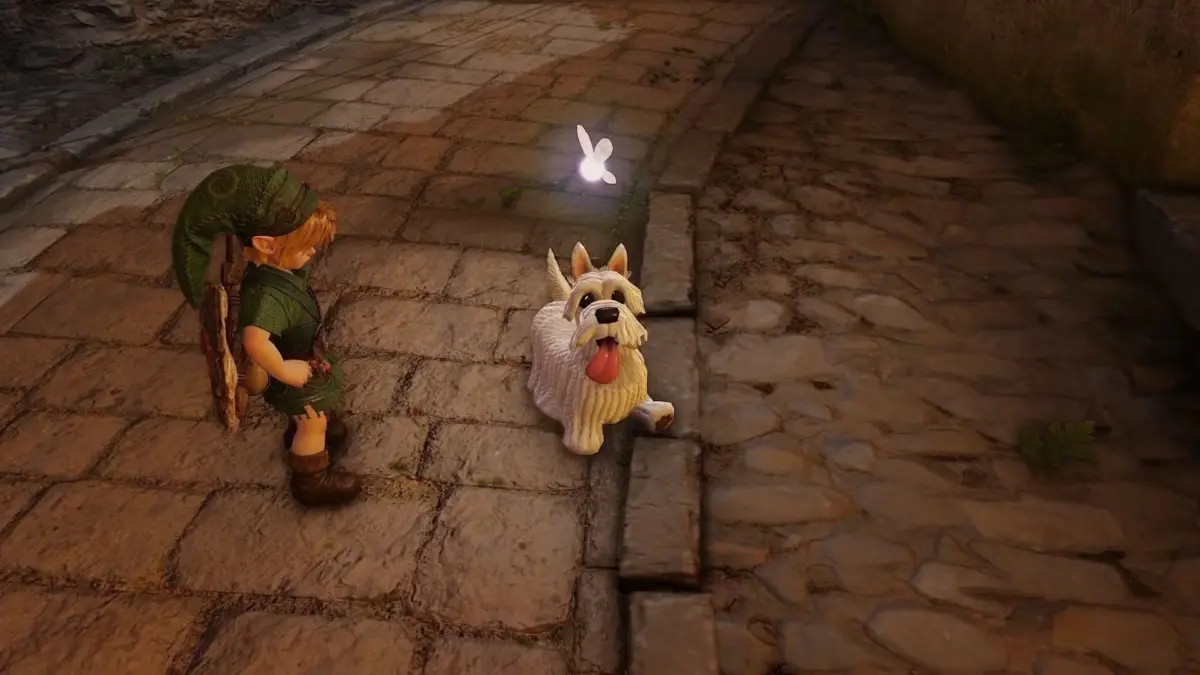
To understand the significance of Richard’s updated narrative arc, one must look back at his origins in the original timeline and subsequent re-releases. At the beginning of the adventure, when a young Link first explores the bustling alleys of Castle Town, Richard can be found frolicking near his adoring owner, Mamamu Yan. An eccentric resident of the capital, Mamamu Yan spends her days watching Richard play and enthusiastically expressing her deep affection for her favorite canine companion. While she can occasionally be rather dismissive or outright rude toward the other stray dogs wandering the cobblestone streets, Richard remains completely blameless—a universally acknowledged good boy untouched by the petty judgments of his owner.
However, the tone of Richard’s story took a notably grim turn in previous iterations of the game, most notably the 2011 Nintendo 3DS version of Ocarina of Time. When young Link pulls the Master Sword from its pedestal and spends seven fateful years trapped within the Sacred Realm, the peaceful kingdom of Hyrule suffers a catastrophic collapse under the tyrannical rule of Ganondorf. Castle Town is reduced to a smoking, desolate ruin prowled by ReDead—the terrifying, zombie-like horrors of the Zelda franchise.
While Navi never explicitly confirms the tragic origin of these shambling monsters, the pervasive gloom of the future timeline heavily implies that the former denizens of Castle Town met a gruesome end. Fortunately, not everyone perished in the purge. A number of the capital’s eccentric citizens managed to escape to the relative safety of Kakariko Village, including Mamamu Yan.

In the 3DS remake, speaking with Mamamu Yan in the future reveals a heartbreaking detail: she speaks of Richard entirely in the past tense. According to her dialogue, Richard was a famous dog, and notably, a deceased one. While Mamamu Yan herself does not appear outwardly devastated by the loss of her beloved pet, the revelation struck many players as a profoundly depressing touch, reinforcing the bleak reality of Ganondorf’s seven-year occupation. For a game already dealing in themes of lost childhood, altered timelines, and widespread devastation, the confirmation of Richard’s demise felt like an unnecessary twist of the emotional knife.
That is precisely why the choice made by developers in the new Switch 2 remake of Ocarina of Time has resonated so deeply with the community. In this latest version of the classic title, Richard lives.
Upon arriving in Kakariko Village after witnessing the horrors of a ruined Future Castle Town, players are greeted by an unexpected and deeply comforting sight. Richard is alive, well, and energetically frolicking through the village streets during the daytime hours, remaining safely accounted for when night falls over the settlement. It quickly becomes apparent that this clever pup learned a valuable lesson about avoiding dangerous city centers during times of crisis.
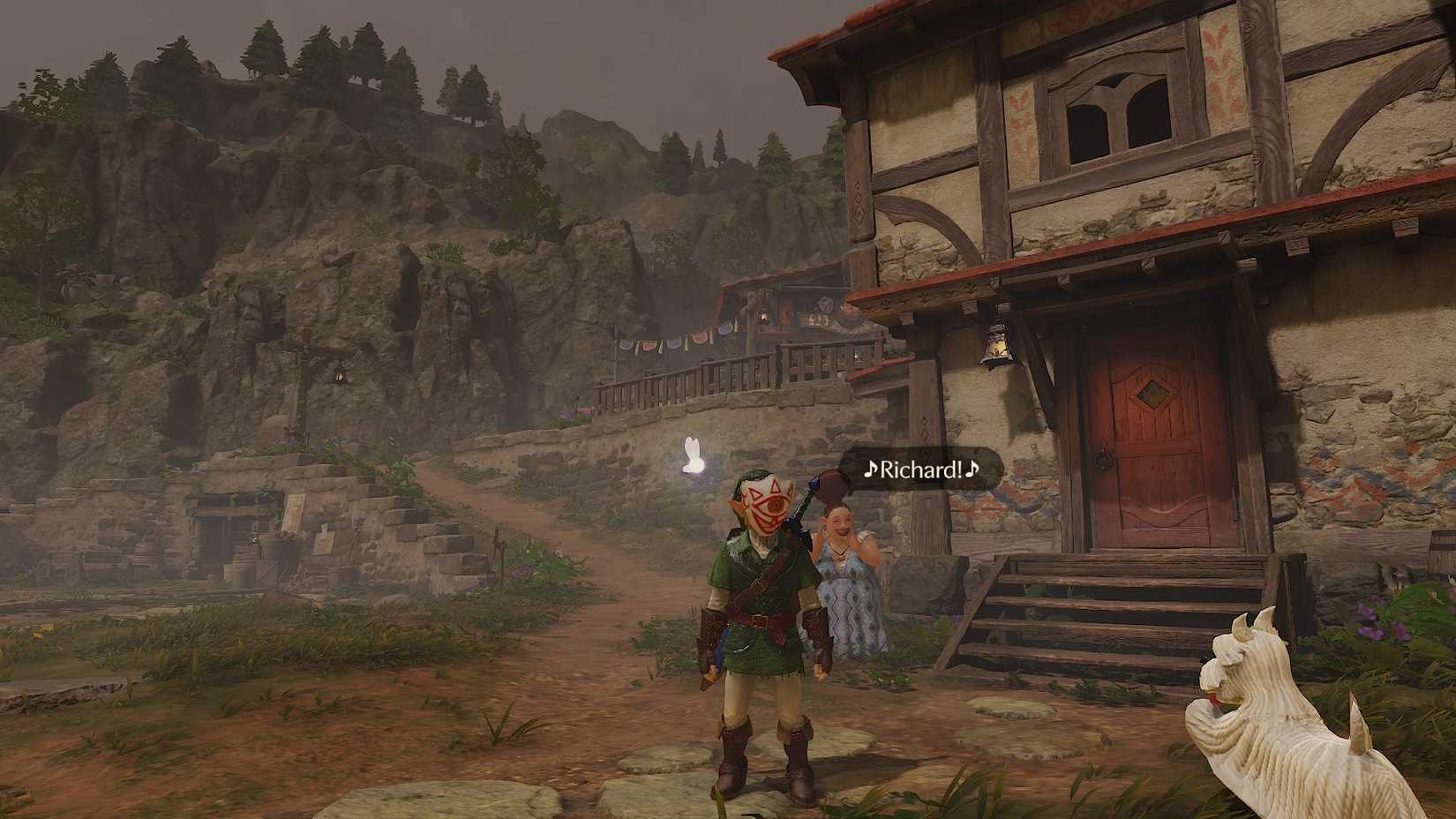
Initial speculation among players suggested that Mamamu Yan might simply be carrying on a family tradition of pet naming—perhaps referring to a descendant, affectionately dubbed Richard the Second or Richard the Third. Yet, in-game interactions quickly dispel this theory. It is unequivocally the same wonderful, energetic ball of fur from the early hours of the game. Mamamu Yan waxes poetic at great length about the extraordinary virtues, splendor, and undeniable magnificence of her cherished Richard, offering zero mention of ancestors, replacement pets, or tragic demises.
For players trudging through the heavy, oppressive atmosphere of the game’s second half, encountering a living, happy Richard serves as an invaluable ray of sunshine. It stands as a rare, uncompromising moment of pure joy planted squarely in the middle of a world grappling with trauma and destruction. As players continue their journey across the expanses of a rewritten Hyrule, the survival of Castle Town’s most celebrated canine companion offers a small, defiant reminder that some things are simply too precious to be lost to the march of time. Good boy, Richard. May you live forever.