What truly constitutes great video game direction? It is a question frequently asked of industry leaders, yet the responses remain as diverse as the medium itself. When players think of game direction, their minds often drift immediately toward cinematic AAA blockbusters, where high-budget cutscenes, sweeping orchestral scores, and grand visual spectacles make a director’s guiding hand clearly visible.
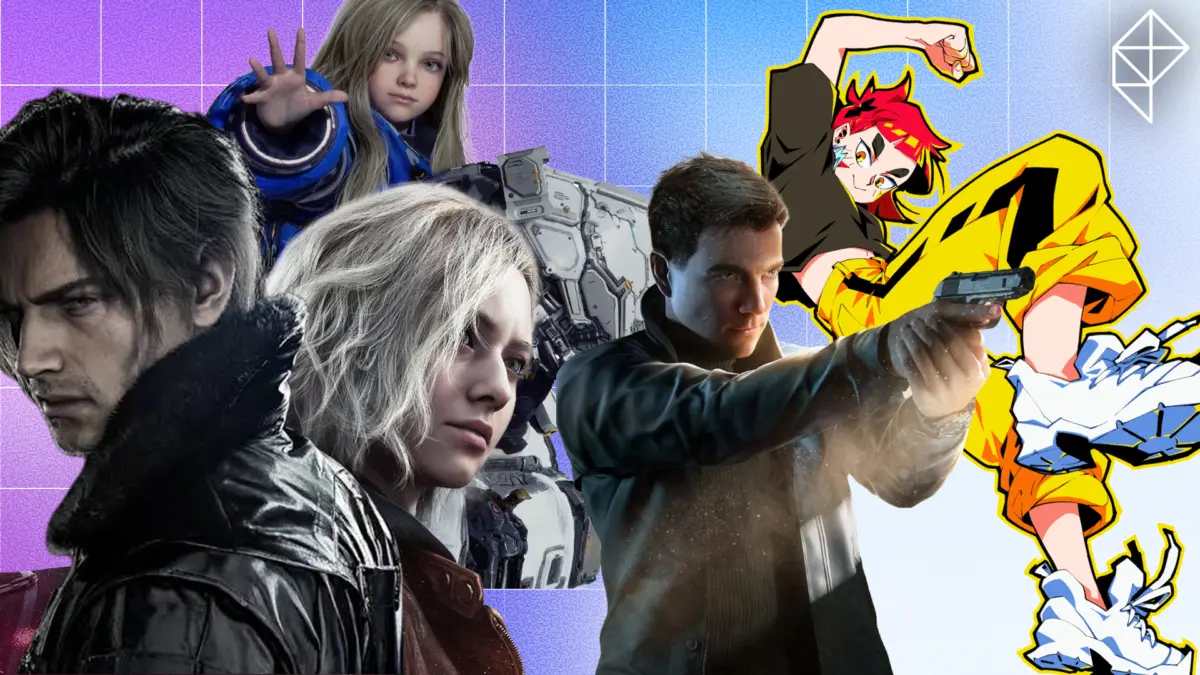
However, the enduring beauty of interactive entertainment is that artistic greatness manifests in countless different forms, scales, and genres. To explore the reality behind this often-misunderstood art form, Polygon gathered a group of the creative minds behind 2026’s most ambitious video games. The resulting conversation delves into the delicate, often precarious balance between uncompromised artistic vision, complex technical execution, and player experience—the ingredients required to transform a scattered collection of conceptual ideas into a genuine Game of the Year contender.
For some developers working in the space, exceptional game direction begins with the sheer conviction to attempt something that has never been done before. Mikael Kasurinen, director of Control Resonant, argues that standing out requires a profound level of individuality. "You need to be distinctive. You need to be doing things that nobody else is doing," Kasurinen asserts, highlighting a philosophy centered on pushing boundaries and challenging conventional design norms.
For other creators, however, chasing pure originality can occasionally take a backseat to the pursuit of absolute polish and execution. Eric Berger, creative lead for Queen’s Domain, takes a more direct approach to development. "I don’t wanna spend a lot of time figuring out how to make it special and different," Berger notes. "I just wanna make every aspect of it as good as we can figure out how to make it."
In other instances, an entire creative vision can spark from a concept as unconventional as the resulting game itself. David Jaumandreu, director of Denshattack, recalls how his project began with a rather absurd hypothetical question: What would happen if you combined the momentum-based, trick-oriented mechanics of a classic Tony Hawk skateboarding game with a massive, roaring train?
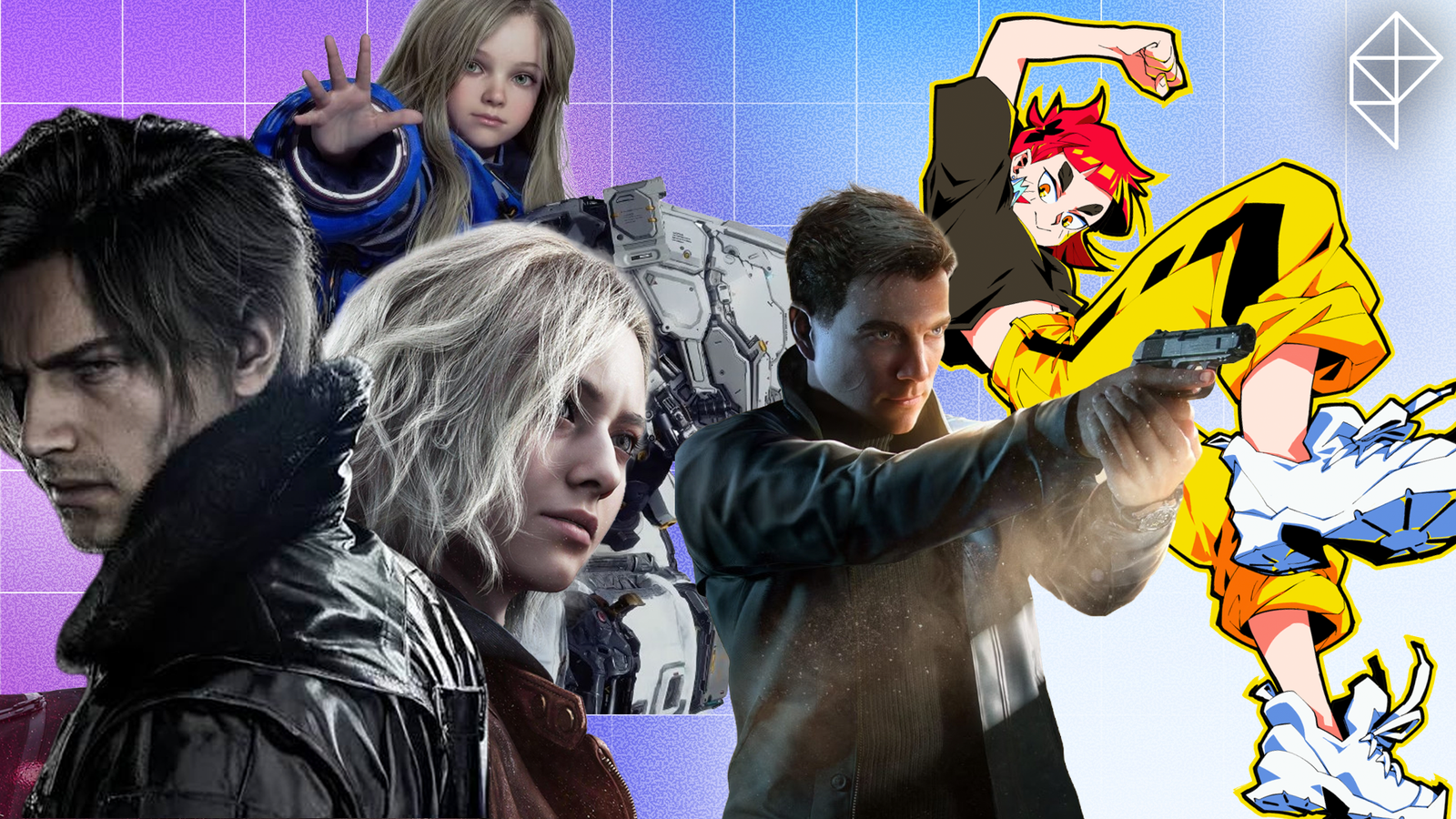
Despite their wildly different philosophies, pipelines, and team sizes, these creative leaders all ultimately arrive at the exact same foundational challenge: How does a creator build something that feels unmistakably and uniquely their own, while simultaneously remembering that an actual player has to sit down and enjoy playing it?
Throughout this wide-ranging industry conversation, the individuals shaping the next generation of interactive entertainment reveal how grand ambitions manage to survive contact with the harsh realities of game production. From Berger’s remarkably lean two-person team constructing the strange, interconnected world of Queen’s Domain, to Capcom’s development teams carefully balancing tension, terror, and action in Resident Evil Requiem, the scale of the production changes drastically. Yet, the core questions remain remarkably consistent.
The conversation also touches upon other major 2026 releases. The creators of Cairn break down the intricate design choices required to make players physically and emotionally feel the grueling weight of scaling a dangerous mountain peak. Meanwhile, the minds behind Mina the Hollower, Star Wars: Zero Company, 007 First Light, and Zero Parades grapple with a diverse array of design hurdles, ranging from difficulty tuning and player freedom to narrative pacing, cross-studio collaboration, and the personal sacrifices often required to see a singular creative vision through to completion.
Ultimately, there is no universal, foolproof formula for great game development. Every creator who participated in the roundtable discussion shares a common trait: the creative courage to throw themselves completely into the arduous development process just to see what kind of world emerges on the other side.