Get your Splattershots ready. Nintendo has officially released a brand-new playable demo for Splatoon Raiders, the single-player-focused spin-off that originally launched earlier this year to strong critical and commercial reception.
"A demo version of Splatoon Raiders is now available on Nintendo Switch 2!" reads an announcement published to the official Splatoon social media channels. "Get a taste of the Spirhalite Islands with 3 different stages, and team up with Deep Cut to take 3 preselected loadouts for a test splat."
This new demo offers prospective players a direct entry point into the post-apocalyptic world of the Spirhalite Islands, giving audiences a chance to experience the spin-off’s unique blend of third-person shooting and looter-shooter mechanics firsthand without having to purchase the full title right away.
How does Splatoon Raiders differ from other games in the series?
For those unfamiliar with the trajectory of Nintendo’s vibrant franchise, Splatoon Raiders represents a significant structural departure for a series traditionally celebrated for its intensely competitive multiplayer modes. Released on July 23, 2026, the game shifts the focus heavily toward a narrative-driven, single-player campaign.
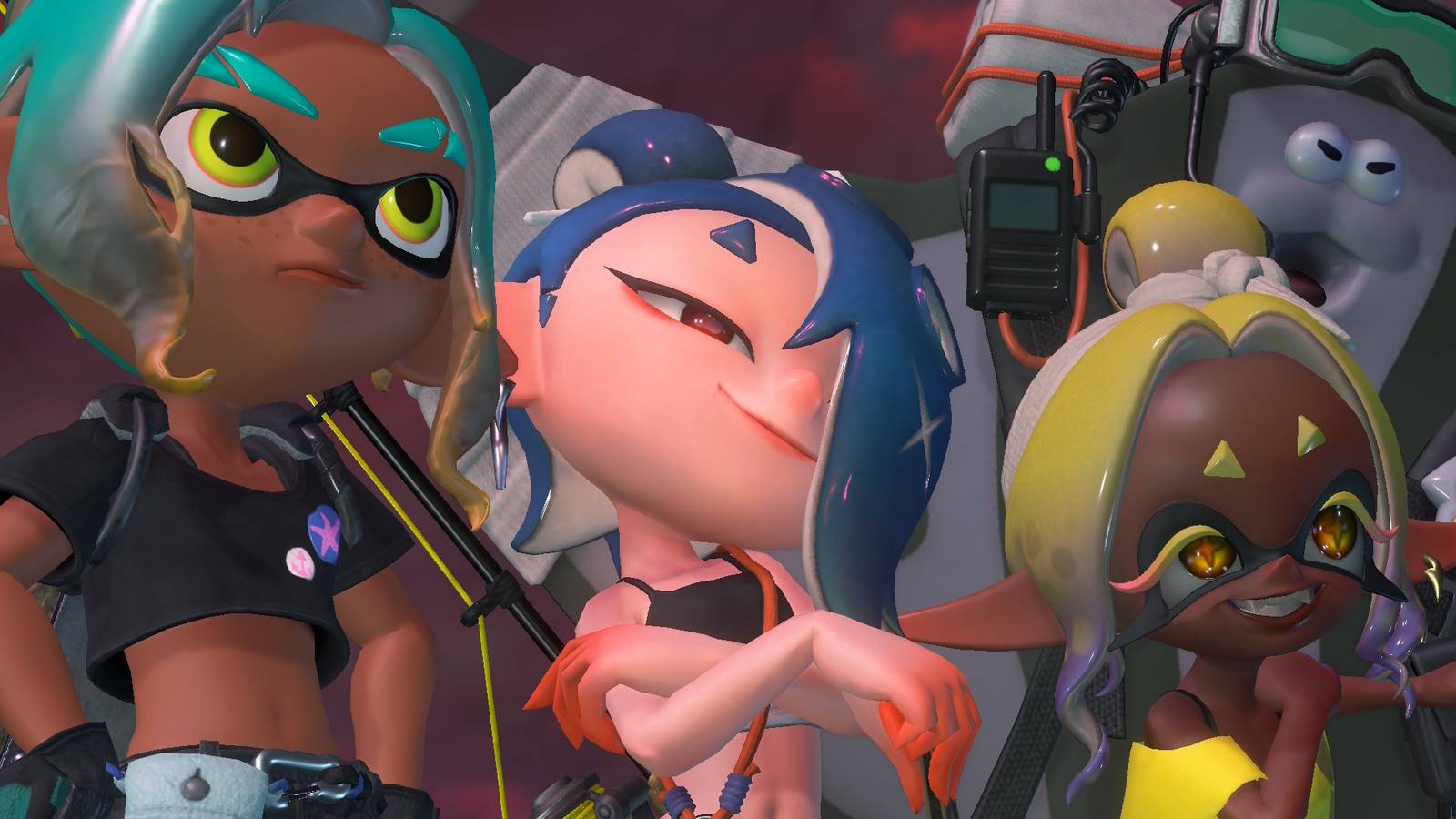
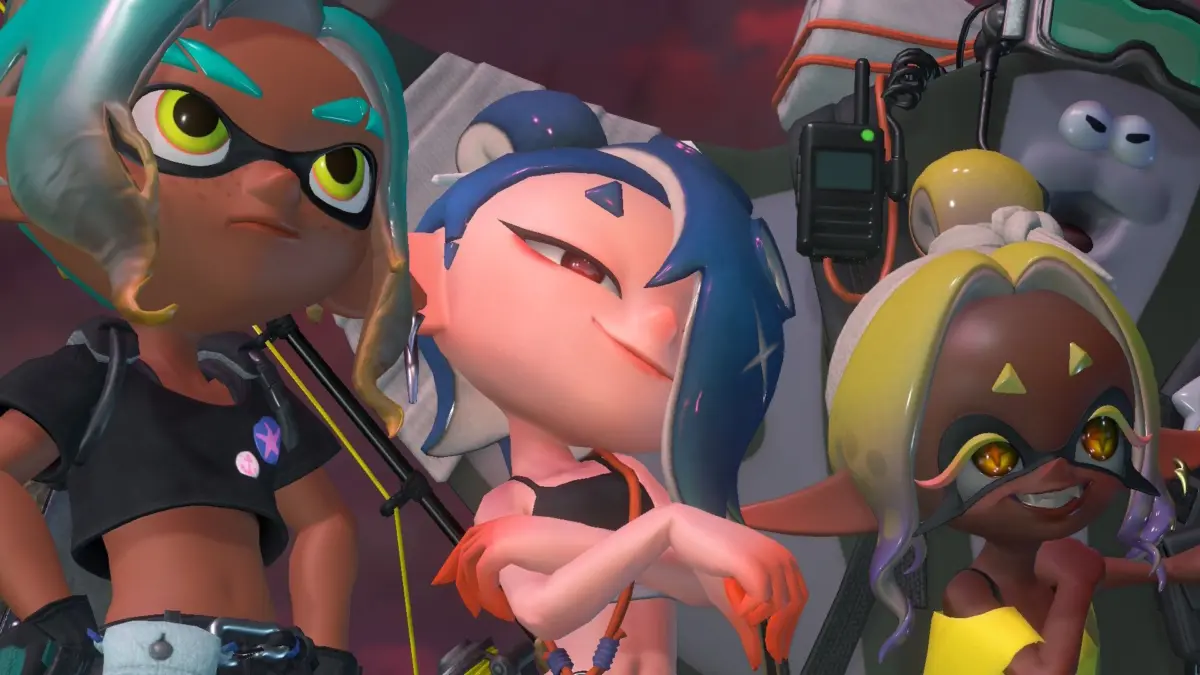
The story follows a fully customizable player character as they venture deep into the remote and mysterious Spirhalite Islands in search of lost treasure. They are accompanied by fan-favorite idol trio Deep Cut—consisting of Shiver, Frye, and Big Man. Like every other title in the beloved franchise, the game is set in a far-future, post-apocalyptic version of Earth where humanity has long since gone extinct, leaving the planet in the hands of fascinating humanoid creatures that have evolved directly from marine life.
While traditional entries in the series focus on territorial turf wars and competitive online matches, Splatoon Raiders maintains the franchise’s core mechanical identity—blasting enemies and covering the environment in colorful ink to move quickly across the battlefield—while aggressively expanding into new territory. The game introduces dozens of new weapons alongside robust looter-shooter elements.
Beyond standard firearms, players are equipped with specialized gadgets such as grappling hooks, high-powered explosives, and other tactical utilities. These gadgets draw power from one of three distinct ink tanks managed by the player. The Speed Tank is dedicated to gadgets and abilities that emphasize mobility and traversal; the Power Tank focuses on direct, aggressive combat options; and the Tactical Tank enables more deliberate, strategic attacks on enemies.
Players utilize these expanded arsenals and gadgets to fight off waves of Salmonids, earning experience points and random weapon drops as they explore dungeons that range from fairly linear corridor-style challenges to much more open-ended exploration areas. This structural shift allows longtime fans of the franchise to experience the familiar movement and gunplay mechanics in an entirely fresh context.
How was Splatoon Raiders received?
The gamble to take the franchise in a more exploratory, single-player direction appears to have paid off for Nintendo. Much like its mainline predecessors, Splatoon Raiders received overwhelmingly positive reviews from critics upon its release, with most industry reviewers praising its refined core gameplay loop, creative gadget system, and engaging cooperative elements.

The game currently holds a solid aggregate score of 82 on both Metacritic and OpenCritic. General players have been even more enthusiastic about the spin-off’s unique charms, with Splatoon Raiders boasting an impressive 9.2 user rating on Metacritic, highlighting strong grassroots appreciation for the narrative expansion and cooperative gameplay loops.
From a commercial standpoint, the title has also performed quite well for the platform. According to official corporate financial reports released by Nintendo, Splatoon Raiders had sold 2.42 million copies worldwide as of Sept. 30, 2026. While that figure represents a strong and healthy financial return for a single-player spin-off, it does not quite match the explosive, record-breaking popularity of Splatoon 3. For context, Splatoon 3 managed to move an astonishing 3.45 million copies in Japan alone during its first three days on the market, eventually pushing past 12 million copies sold globally.
Despite the differences in sales velocities between the main series and its latest spin-off, figures like these confirm that the franchise retains a massive, highly dedicated global audience. With millions of players continuing to engage with the world of ink and cephalopods, it is safe to say that Nintendo’s colorful post-apocalyptic universe has plenty of life left in it.