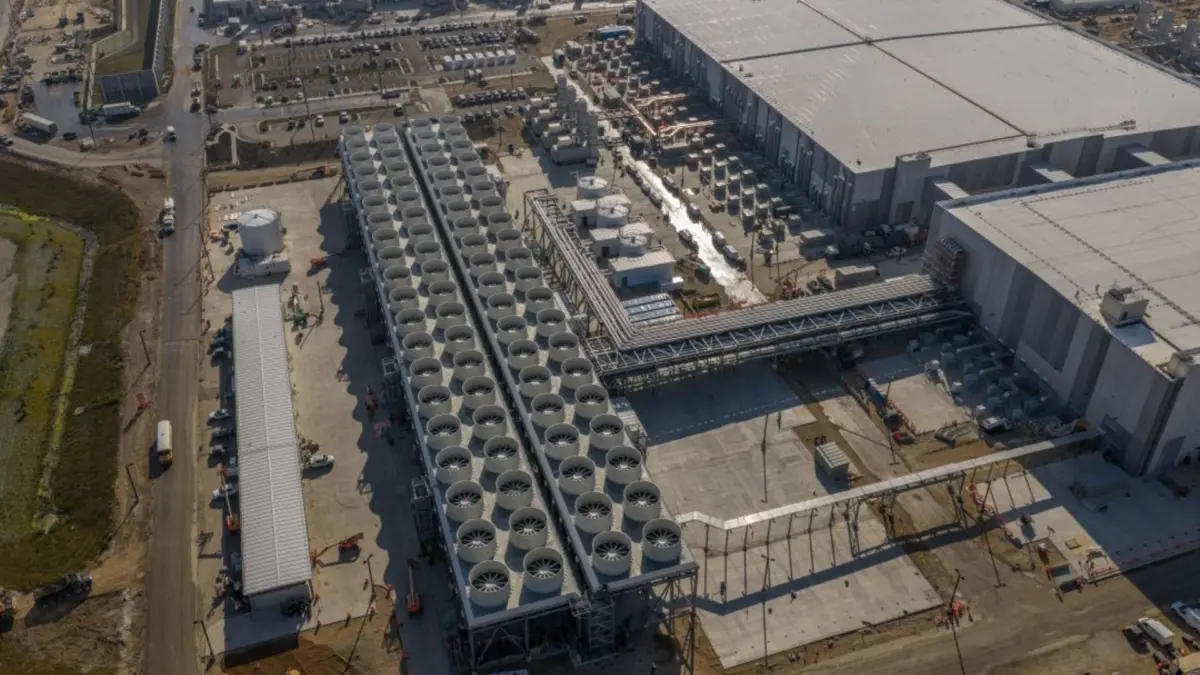
Electricity consumption remains one of the most prominent concerns that local residents and community leaders bring up whenever a major technology company proposes constructing a new data center in their neighborhood. The massive energy footprint required to power modern artificial intelligence infrastructure has turned power grids into a central battleground for tech expansion. In response to these growing community anxieties and mounting pressures on municipal power supplies, OpenAI is taking proactive steps to minimize the operational impact of its facilities on local electricity grids.
According to the company, its newly announced Grid Protectors Program is specifically designed to reduce the power consumption of its artificial intelligence data centers dynamically as local demand increases. By cutting back energy usage during critical times, the initiative aims to ensure that the public electrical grid is not overwhelmed during peak hours when everyday residential and commercial electricity needs are at their highest. This operational flexibility is expected to serve as a vital bridge between the insatiable power demands of modern computing clusters and the physical limitations of regional utility infrastructures.
Beyond the immediate goal of ensuring that the lights remain on for everyone in the surrounding communities, the program carries significant strategic benefits for the company’s expansion plans. Implementing a framework that curtails power draw during periods of peak demand would allow OpenAI’s data centers to connect to the grid and go online much sooner. Typically, tech companies face lengthy delays while waiting for new utility-scale power generation sources, such as dedicated solar farms, wind installations, or grid upgrades, to be built and integrated. By demonstrating an ability to dynamically scale back power usage and protect local grids, the initiative could streamline regulatory approvals and accelerate the deployment of critical artificial intelligence infrastructure without waiting for additional power sources to come online first.
The launch of the Grid Protectors Program arrives at a time when public resistance to data center development has become a widespread national phenomenon across the United States. Recent public opinion polls and community town halls frequently highlight that local opposition is primarily driven by concrete concerns over object-level local environmental impacts, such as strain on local water resources, noise pollution, and, most importantly, the reliability and cost of local electricity. Interestingly, broader political beliefs and national partisan affiliations have been shown to have minimal impact on how local residents view proposed artificial intelligence data centers in their backyards. Instead, the discourse is overwhelmingly shaped by practical, tangible worries about how these mega-facilities will alter the immediate daily lives and utility bills of the people living closest to them.
As the artificial intelligence boom continues to accelerate, the computational power required to train and run advanced large language models has scaled exponentially. This computational hunger translates directly into unprecedented megawatt requirements, transforming tech firms into major industrial power consumers almost overnight. Traditional grid planning cycles, which typically span years or even decades to forecast demand and build out transmission lines, struggle to keep pace with the hyper-rapid deployment schedules of the technology sector. This mismatch has created friction between utility providers, local regulators, and technology enterprises seeking rapid growth.
OpenAI’s Grid Protectors Program attempts to bridge this gap by introducing a system of load management and demand response tailored specifically to the unique operational profiles of artificial intelligence workloads. While traditional industrial facilities might reduce operations by shutting down assembly lines or shifting manufacturing schedules to off-peak hours, artificial intelligence data centers handle vast computational streams that require sophisticated management. By optimizing how and when these massive computing clusters draw power from local utility providers, the program seeks to create a symbiotic relationship between tech operators and local municipalities.
Community stakeholders and local utility officials have increasingly demanded accountability and safeguards from technology companies before granting zoning permits or approving interconnection agreements. Concerns that data centers could trigger rolling blackouts, drive up residential utility rates, or monopolize available clean energy capacity have put municipal leaders on the defensive. Initiatives like the Grid Protectors Program represent an acknowledgment by major artificial intelligence developers that traditional approaches to infrastructure procurement are no longer sufficient to secure social license in host communities.
By addressing the core fear of grid destabilization head-on, OpenAI hopes to alter the conversation surrounding data center expansion. If successful, the program could establish a new operational benchmark for how technology enterprises interact with regional energy markets. Rather than acting as a passive drain on municipal power reserves that forces local populations to bear the brunt of infrastructure strain, data centers participating in such demand-response frameworks could actively participate in stabilizing the local electrical ecosystem during times of stress.
The intersection of artificial intelligence advancement and energy infrastructure planning will undoubtedly remain a central challenge for the technology industry for the foreseeable future. As power grids face the dual pressures of transitioning to renewable energy sources and absorbing the massive electrical load of emerging technologies, innovative demand-side management solutions will play an increasingly critical role. OpenAI’s new initiative highlights the growing urgency for technology firms to innovate not just within their software and algorithms, but also in how their physical infrastructure integrates with the fundamental energy needs of the communities that host them.