
Nvidia has implemented a steep and unexpected price increase for the Shield TV Pro, raising the cost of the long-running Android TV streaming device from its original $199.99 launch price to $299.99. The significant 50 percent price hike makes the premium media player $100 more expensive, catching many consumers and tech enthusiasts by surprise, particularly given that the hardware has not received a major refresh or internal overhaul in years.
The updated pricing is now officially listed on Nvidia’s website, reflecting a major shift in how the company values and prices one of the most enduring and respected devices in the streaming market. According to Nvidia, the primary catalyst behind this substantial price adjustment is the rising cost of hardware components—a broader industry trend that the company attributes heavily to the ongoing, explosive global demand for artificial intelligence infrastructure.
The Nvidia Shield TV Pro has long held a unique status in the consumer electronics ecosystem. Since its initial debut, it has maintained a reputation as the gold standard for Android TV devices, praised by power users, home theater enthusiasts, and gamers alike for its robust performance, versatile capabilities, and exceptional longevity. Unlike typical streaming sticks or boxes that receive minor annual updates and are often phased out after a few years, the Shield TV Pro has enjoyed an unusually long lifecycle on the market, retaining its relevance through software updates and powerful processing architecture.
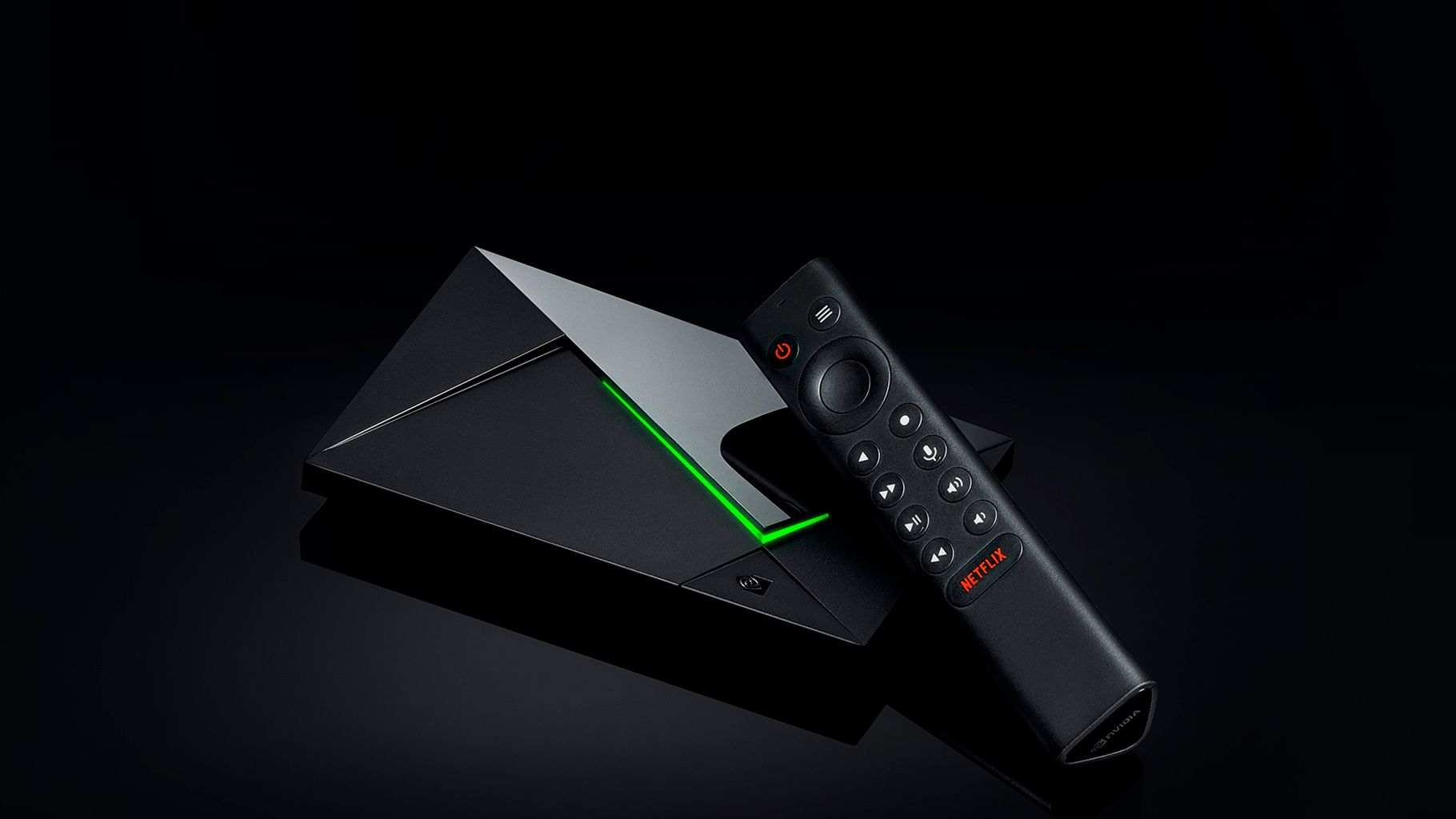
However, the decision to elevate the price to $299.99 years after its initial release has sparked widespread discussion across the tech community. Devices in the consumer streaming space rarely appreciate in value or cost over time; instead, they typically become more affordable as manufacturing processes mature or as newer, competing hardware enters the marketplace. Nvidia’s move bucking this traditional trend highlights the severe economic pressures currently impacting semiconductor supply chains and component manufacturing.
The boom in artificial intelligence has fundamentally altered the semiconductor landscape over the past several years. As technology companies race to build and expand massive data centers to train and run complex generative AI models, the demand for specialized silicon, advanced memory modules, and various supporting hardware components has skyrocketed. This unprecedented surge has created intense competition for manufacturing capacity and raw materials across the entire technology sector. Consequently, suppliers of electronic components have faced soaring production costs, pressures that are now increasingly trickling down to consumer-facing hardware products.
While Nvidia is a dominant force in the AI hardware market with its enterprise-grade GPUs and data center solutions, the ripple effects of the AI boom are clearly being felt across its broader product portfolio. The company’s decision to adjust the price of the Shield TV Pro suggests that maintaining the production and availability of older hardware architectures has become significantly more expensive under current market conditions.
Despite the lack of new hardware features, the Shield TV Pro has retained a dedicated user base due to its unique feature set. It has historically offered advanced upscaling capabilities powered by its custom Tegra processor, robust support for various media formats, integration with smart home ecosystems, and access to cloud gaming services like Nvidia GeForce Now. For many enthusiasts, these capabilities justified the initial $199.99 price tag, positioning the device as a high-end alternative to mainstream streaming options from competitors like Roku, Amazon, and Google.
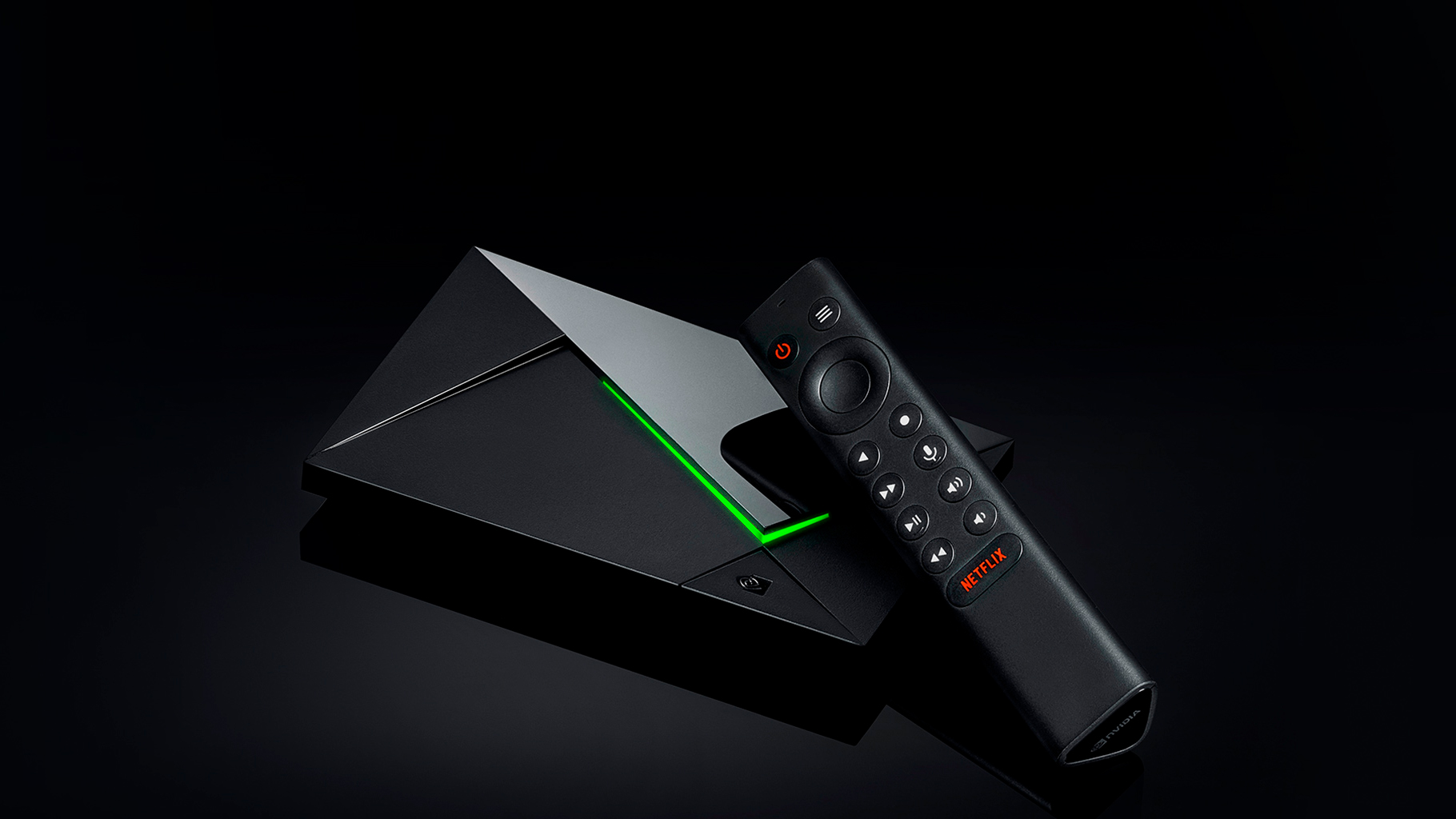
Whether consumers will be willing to pay the new $299.99 price point for a device that has remained fundamentally unchanged for years remains to be seen. The streaming hardware market has evolved significantly since the Shield TV Pro’s introduction, with lower-cost 4K streaming devices and smart TV interfaces offering increasingly robust capabilities for a fraction of the cost. However, for a specific niche of power users who rely on the Shield TV Pro’s unique performance characteristics, local media streaming capabilities, and advanced software flexibility, the device has historically had few direct equivalents.
As component costs remain high and the global electronics industry continues to navigate the long-term impacts of the AI infrastructure boom, Nvidia’s pricing update for the Shield TV Pro serves as a striking example of how broader economic shifts in the semiconductor industry can impact even legacy consumer hardware products.


Leave a Reply