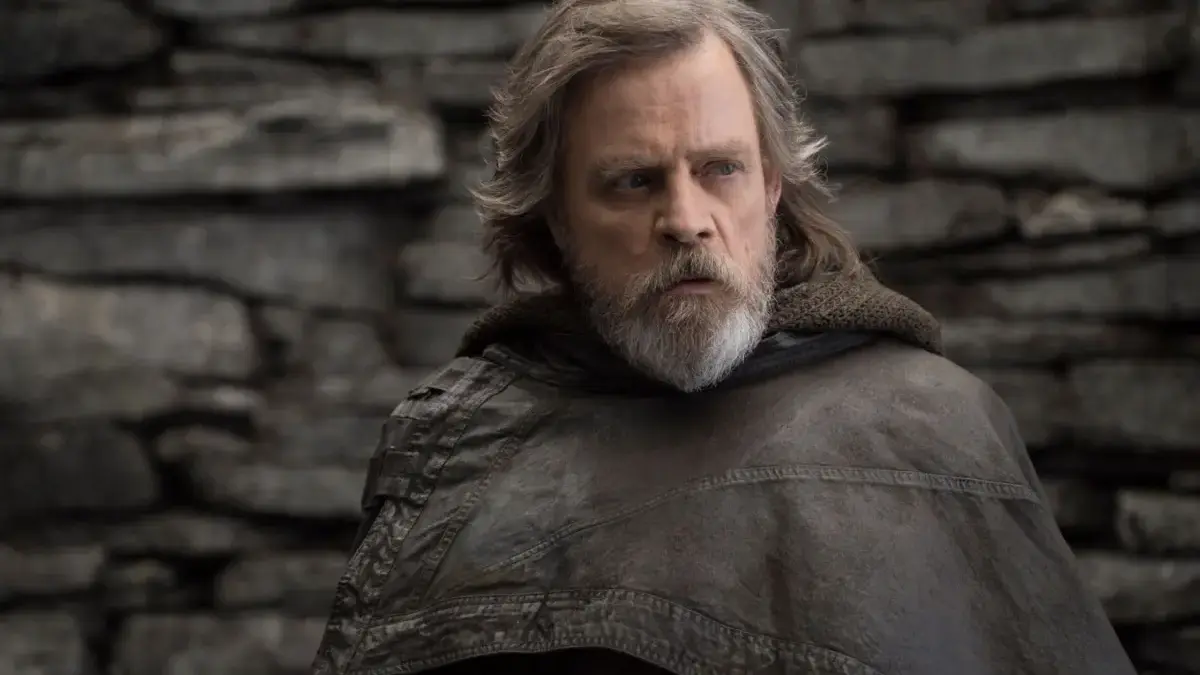
Since its theatrical debut, director Rian Johnson’s Star Wars: The Last Jedi has remained at the center of intense, ongoing debates within the global fan community. Opinions remain sharply divided over whether the 2017 blockbuster was a brilliant subversion of cinematic myth-making or a misstep that mishandled iconic characters, particularly Luke Skywalker. Yet, regardless of where one stands on the film’s broader narrative choices, it is difficult to dismiss the profound emotional resonance of its dialogue.
While internet discourse often fixates on biting retorts like “Amazing. Every word of what you just said was wrong,” The Last Jedi actually houses a far more impactful line. Luke Skywalker’s absolute best quote in the entire franchise has nothing to do with Darth Vader, lightsaber duels, or galactic politics. Instead, it is a quiet, devastatingly poignant reassurance that captures the emotional core of a galaxy far, far away, reframing the themes of redemption, legacy, and spiritual endurance.
Luke’s Best Star Wars Moment Isn’t the One You Think
Over the course of Star Wars’ nearly fifty-year history, the legendary Jedi Master has delivered no shortage of iconic dialogue. For millions of fans, Luke’s defining moment arrives during the climactic confrontation with Emperor Palpatine in Star Wars: Return of the Jedi, when he proudly declares, “I am a Jedi, like my father before me.” It is a phenomenal, fist-pumping line that solidifies Luke’s identity, showcasing his moral fortitude and his refusal to succumb to the Dark Side. Yet, despite its cultural footprint, that classic declaration does not quite claim the top spot for his ultimate thematic contribution.
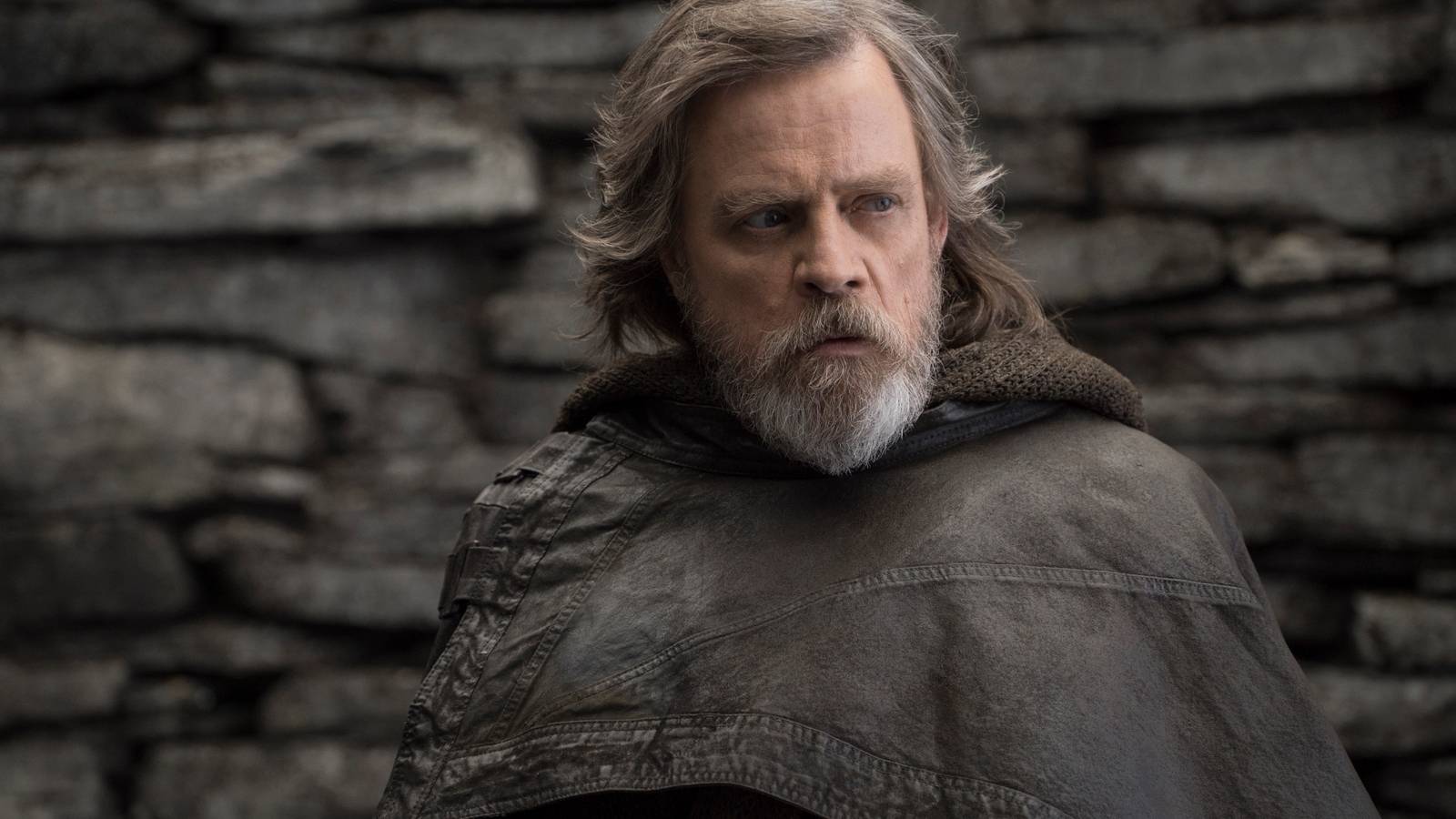
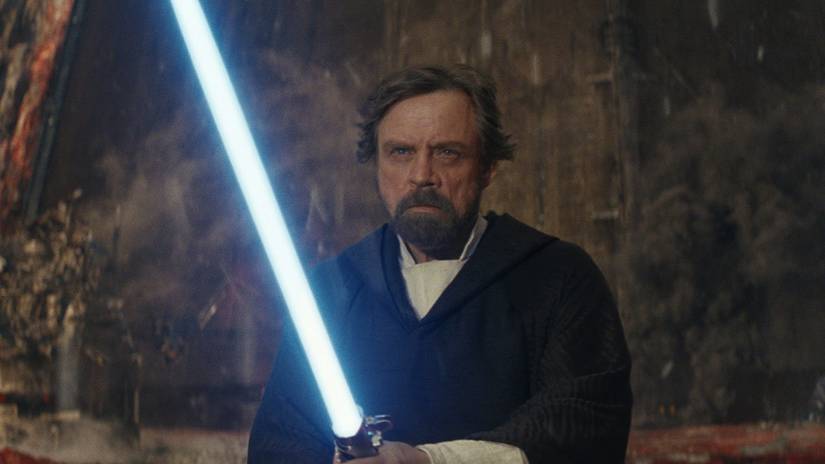
That honor instead belongs to one of Luke’s most understated, emotionally vulnerable moments: a fleeting interaction on the planet Ahch-To, where he projects his image through the Force to comfort his grieving sister, Leia. During this poignant exchange, Leia expresses agonizing sorrow over the loss of her son, Ben Solo, who has abandoned his family and fallen to the Dark Side to become Kylo Ren.
Luke, having recently rediscovered his faith, optimism, and connection to the light through his interactions with Rey, gently appears to his twin sister. Free from the cynical isolation that defined his character for much of the film, a renewed and bright-eyed Luke delivers a line of immense comfort: “No one’s ever really gone.”
This brief interaction marks a dramatic emotional turnaround for the character. After spending the majority of The Last Jedi consumed by guilt, self-loathing, and the shame of his past failure with Ben, this quote demonstrates just how far Luke has traveled psychologically. He is no longer running from his legacy or hiding from the mistakes of the past; he is stepping forward to offer solace to the person who needs it most, anchoring himself once again in the philosophy of hope that defined the original trilogy.
Why Luke Skywalker’s Best Quote Is All About Redemption
Words often carry the power to illuminate universal truths in ways audiences might not have previously considered. This is especially vital within a sprawling, mythological franchise like Star Wars, where cosmic forces like the Force, the Jedi Order, and the Sith dictate the fate of civilizations, and viewers continually search for deeper meaning behind the galaxy’s greatest mysteries.

Redemption has always served as the beating heart of Star Wars storytelling. Across theatrical films, television series, comic books, novels, and video games, the overarching narrative consistently reinforces the idea that no individual is entirely beyond saving. However, the franchise frequently demonstrates that redemption is not a monolith; it looks entirely different depending on the character, and what one person views as absolution may not satisfy another.
For instance, while Anakin Skywalker found ultimate redemption in the eyes of his son, Luke, the atrocities he committed as Darth Vader—including the destruction of Alderaan—meant his daughter, Leia, could never look at Anakin quite the same way Luke did. Traumatic histories leave scars that do not easily vanish simply because a villain experiences a change of heart at the eleventh hour.
This complex reality makes Luke’s quote to Leia so vital. By telling her that “no one’s ever really gone,” he reassures her that no matter how far someone has fallen, or how drastically their personality has morphed under the influence of darkness, the kernel of who they used to be remains reachable. Supplemental Star Wars stories, such as novels focusing on Ben Solo’s youth, paint a picture of a child who was once deeply kind, caring, and sensitive—a stark contrast to the ruthless commander he eventually became as an adult.
Yet, the fact that the Ben Solo known to his parents and uncle was seemingly erased by Supreme Leader Snoke and the First Order does not mean the young man is lost to the cosmos forever. Redemption, as Luke suggests, remains a persistent possibility, waiting to be unlocked.
Alternative Meanings to Luke Skywalker’s Best Quote
Great cinematic dialogue often thrives on layered, alternative interpretations. Luke’s line in The Last Jedi serves as a prime example of how the film engages with both the deeply personal theme of redemption and the broader, more mystical spiritual essence of the Force itself. On a purely metaphysical level, Star Wars lore dictates that physical death is not the absolute end of existence. When living beings pass away, their consciousness merges with the cosmic Force, ensuring they never truly cease to be.
Taken more literally, long-time fans know that those profoundly attuned to the Light Side of the Force possess the ability to manifest physically as luminous spirits, a phenomenon witnessed as early as the original trilogy and expanded upon in projects like the Ahsoka television series. Coupled with the iconic tagline of the sequel trilogy’s conclusion and the echoing voices of past Jedi in Star Wars: The Rise of Skywalker, it is entirely natural to view Rian Johnson’s script as a meditation on the indestructible nature of the Jedi spirit. Death itself cannot extinguish the enduring will of those who fight for balance in the galaxy.
On yet another level—this one entirely metatextual—the phrase functions almost as a tongue-in-cheek nod to Lucasfilm’s ongoing storytelling philosophy. The sentiment reflects the reality that the studio can, and frequently does, find creative avenues to bring back beloved characters regardless of narrative obstacles. While sometimes this approach feels earned and emotionally rewarding, such as Anakin’s guidance in modern streaming series, other times it leads to unexpected or debated creative decisions across various corners of the expanded universe.
Ultimately, whether the viewer interprets the quote as a psychological lifeline for grieving families, a metaphysical truth about the afterlife, or a meta-commentary on franchise longevity, its impact remains undeniable. It stands as a testament to the emotional depth that Rian Johnson brought to the screen, ensuring that despite the ongoing debates surrounding The Last Jedi, Luke Skywalker’s finest piece of dialogue continues to resonate deeply across the Star Wars universe.