
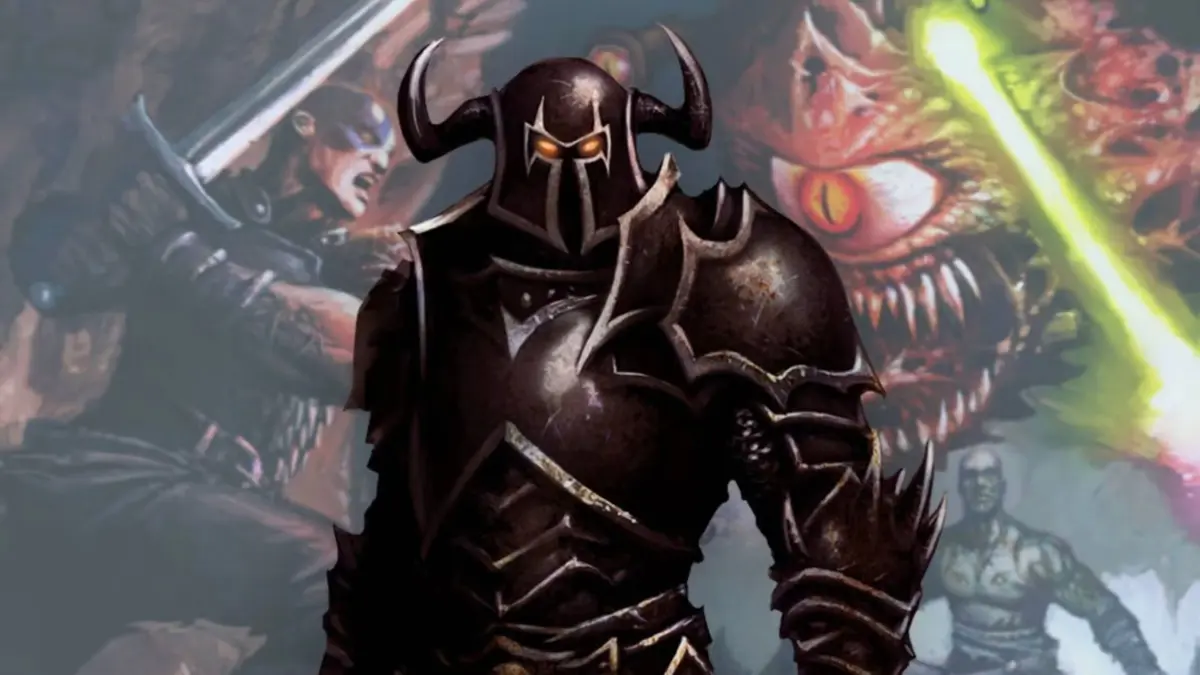
Baldur’s Gate 3 stands as a monumental achievement in modern gaming, captivating hundreds of thousands of concurrent players on weekends even three years after its initial launch. Yet, for all its cinematic flair, branching narratives, and widespread critical acclaim, it is not automatically the definitive experience carrying the franchise’s name. Long before modern developer Larian Studios reimagined the Forgotten Realms, another epic unfolded in the very same universe—one featuring tortured souls, unpredictable companions, and tactical depth that came out over two decades ago. That title is Baldur’s Gate 2, a sprawling computer role-playing game that many enthusiasts still regard not only as the finest entry in the series, but as one of the greatest video games ever created.
BG2 is the Best Baldur’s Gate Game
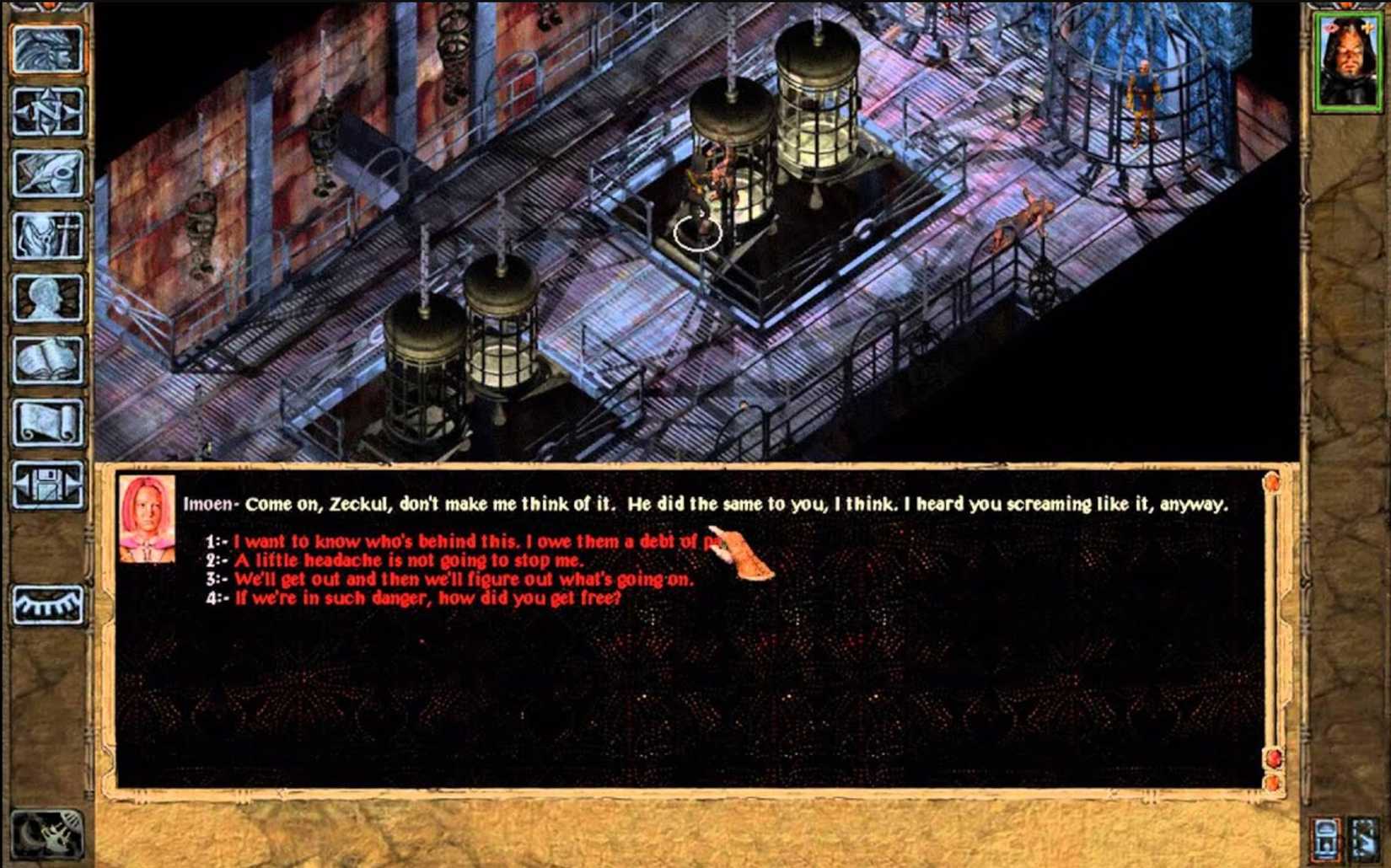
Baldur’s Gate 2: Shadows of Amn, fully playable on Windows PC, picks up directly from the events of the original Baldur’s Gate, though it functions entirely well as a standalone adventure. Players assume the role of a Bhaalspawn, one of numerous mortal offspring fathered by Bhaal, the now-deceased god of murder. These children are hunted relentlessly across the Sword Coast for the latent divine spark coursing through their veins. By the time the sequel begins, that hunt has finally caught up to the protagonist. Players wake up chained inside a locked cell deep beneath the sprawling city of Athkatla. Nearby, trusted party members are held captive while an enigmatic wizard subjects them to cruel, isolated experiments, leaving the protagonist with no immediate clue as to what the captor truly wants.
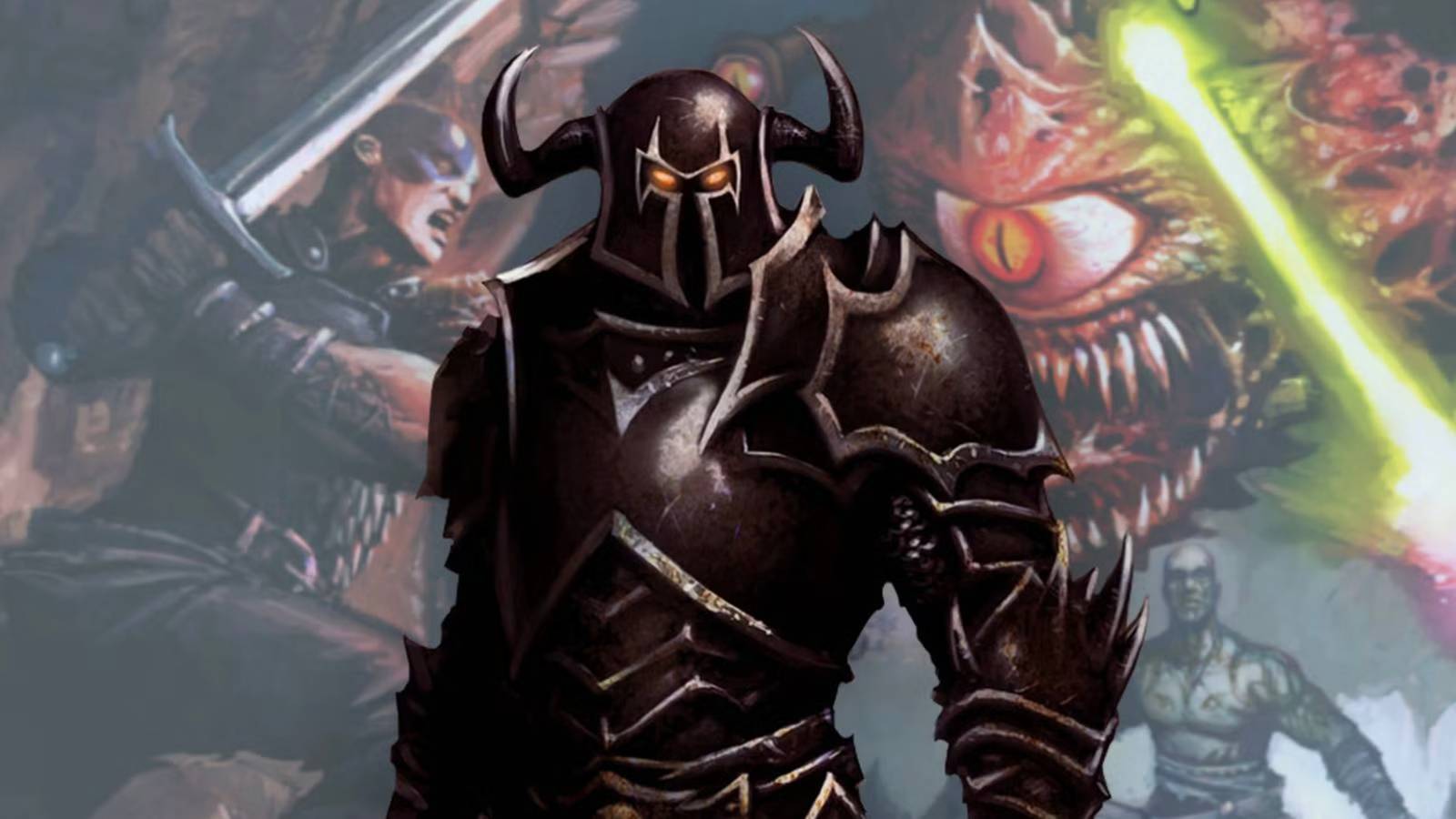
Jon Irenicus, the central antagonist, represents a deeply unsettling, meticulously written villain. Once a respected elven mage, he was exiled from his own society for conducting forbidden experiments on living beings—a hobby he has clearly not abandoned. Early in the exploration, players stumble upon a grove of dryads that Irenicus has completely drained of life just to test his methodologies, leaving tree spirits reduced to withered, silent husks for no practical reason.
Fortunately, the journey is not undertaken alone. Survivors navigate the treacherous opening hours with the aid of a small group of companions, each burdened by their own profound personal traumas that demand the player’s intervention. Series regular Jaheira loses her husband before the campaign truly begins, forcing her to process raw grief while fighting for survival. Aerie has spent her life as a caged circus performer with her wings clipped, and learning to fly again is only the beginning of her struggles. Anomen enters the fold as an ambitious knight-in-training so desperate to prove his worth that his poor judgment leads directly to tragedy, including the potential death of his own sister. Meanwhile, Viconia DeVir operates as a dark elf priestess exiled from the Underdark for the severe crime of showing mercy—an act of compassion condemned by the very goddess she continues to serve.

As the campaign progresses, the overarching narrative shifts dynamically in response to player choices. Decisions dictate character growth, companion loyalty, and ultimately the fate of the surrounding world. Long before "open world" became a ubiquitous marketing term for the industry, Athkatla presented a fully explorable urban environment from the moment of arrival, featuring distinct districts like the docks, the slums, and the government sector. These areas were packed with side content that could be approached in virtually any order. Furthermore, individual character classes featured distinct, exclusive questlines. A fighter could lead a stronghold, a thief could seize control of a local guild, and a cleric could be tasked with restoring a neglected temple. These narratives were gated behind the specific identity of the player character rather than serving as uniform side quests experienced by everyone, lending the game exceptional replayability. One dedicated player famously spent twelve years before finishing their first full campaign, continuously restarting as a different class to view the world from alternative perspectives.
The sheer scope of the experience ensures that players spend roughly seventy hours navigating the primary campaign alone. Over this span, they endure psychological torture, forge uneasy alliances with fellow prisoners who appear just as dangerous as their captors, uncover Irenicus’s true ambitions, and ultimately confront their own murderous siblings. As players grapple with their monstrous Slayer form—a manifestation of their divine heritage trying to break free from their skin—they must confront the ultimate question. Will they muster the strength to ascend to Bhaal’s vacant throne when godhood is offered, or will they perish as mere vessels, adding their names to a dead god’s ledger of failed children?
Released in 2000, Baldur’s Gate 2 established the core developmental blueprint that BioWare utilized for several subsequent, legendary titles. Star Wars: Knights of the Old Republic in 2003 adopted a similar alignment system and late-game companion plot twist. Mass Effect in 2007 introduced loyalty missions that felt remarkably like the stronghold missions of its predecessor set against the backdrop of space. Similarly, Dragon Age in 2009 handled origin characters and their unique storylines in a manner clearly reminiscent of the studio’s earlier work.
The thematic seeds planted in Baldur’s Gate 2 even found fertile ground in Baldur’s Gate 3, evident in companions who actively judge and react to nearly every player decision, as well as the late-game dilemma regarding whether to embrace or resist a monstrous transformation in exchange for power. While modern players continue to enjoy endless replays of Larian Studios’ contemporary masterpiece, the foundational brilliance of the original sequel remains fully intact for anyone willing to look back. For those feeling the familiar urge to embark on another journey through the Forgotten Realms, diving into Baldur’s Gate 2 offers a direct encounter with the classic design that made the genre what it is today.

Leave a Reply