

Valve has introduced a major structural evolution to the desktop gaming ecosystem with its latest Steam Client Beta update, fundamentally changing how the Linux client is built, delivered, and executed on host operating systems. Rolled out via the October 15 Steam Client Beta channel, the update transitions the native Linux client to a fully 64-bit architecture while executing it entirely inside an isolated Steam Runtime container environment. Alongside this architectural overhaul, the release addresses persistent user grievances by incorporating a crucial fix for the updater window failing to appear, alongside the introduction of the platform’s new Achievement Sets feature.

For years, the Linux iteration of the Steam client has operated within an older framework that layered Steam Runtime libraries directly over the native libraries installed on a user’s host operating system. According to technical documentation provided by Valve, this traditional configuration relied heavily on the host operating system remaining newer than the runtime environment itself to prevent dependency conflicts and library version mismatches. While this layered approach served as a functional baseline during the early years of Steam on Linux, it frequently introduced unpredictable behavior across the vast and fragmented landscape of modern Linux distributions.
Valve has previously tackled similar dependency fragmentation with games on the platform by leveraging containerization technologies. Linux games on Steam already frequently execute inside specialized isolated environments, giving individual titles their own dedicated sets of libraries rather than blending them haphazardly with the host system’s packages. The underlying orchestration tool driving these game containers, known as pressure-vessel, handles application isolation while cleanly passing vital graphics drivers directly from the host system to ensure optimal rendering performance.
By pivoting the Steam client itself into a comparable containerized model, Valve aims to establish a much higher degree of behavioral consistency across disparate Linux distributions. Because the underlying technology is already widely trusted and heavily tested through years of running complex modern titles, transitioning the client to this architecture represents a natural maturation of Valve’s Linux strategy. The release notes for the beta client do not explicitly brand the container by name, but corresponding runtime release notes tie the 64-bit client update directly to a container environment designated as steamrt3c. Technical documentation on Valve’s repositories describes this specific environment as a specialized variant of the established sniper runtime, meticulously tailored and optimized specifically for running within the Steam client itself.
The foundational groundwork for this transition has been visible to observant developers and testers for months. Tracing back to March, Valve first seeded the containerized framework and an early iteration of the 64-bit client to the public via the Linux SteamRT3 Beta program, giving the community an early preview of the engineering effort required to decouple the client from the host operating system’s native dependency tree.

Despite the comprehensive shift toward a 64-bit architecture, Valve has clarified that this upgrade does not eliminate the underlying dependency on 32-bit libraries within the ecosystem. The official requirements for the beta client explicitly dictate that x86_64 systems must still maintain both 32-bit and 64-bit versions of essential system libraries and graphics drivers. Consequently, purely 64-bit-only host setups remain unsupported by the beta client at this stage. Documentation for the steamrt3c container explains that these specialized environments continue to ship necessary i386 libraries to ensure seamless compatibility with older software, legacy games, and various proprietary dependencies that have yet to make the permanent jump to 64-bit execution.

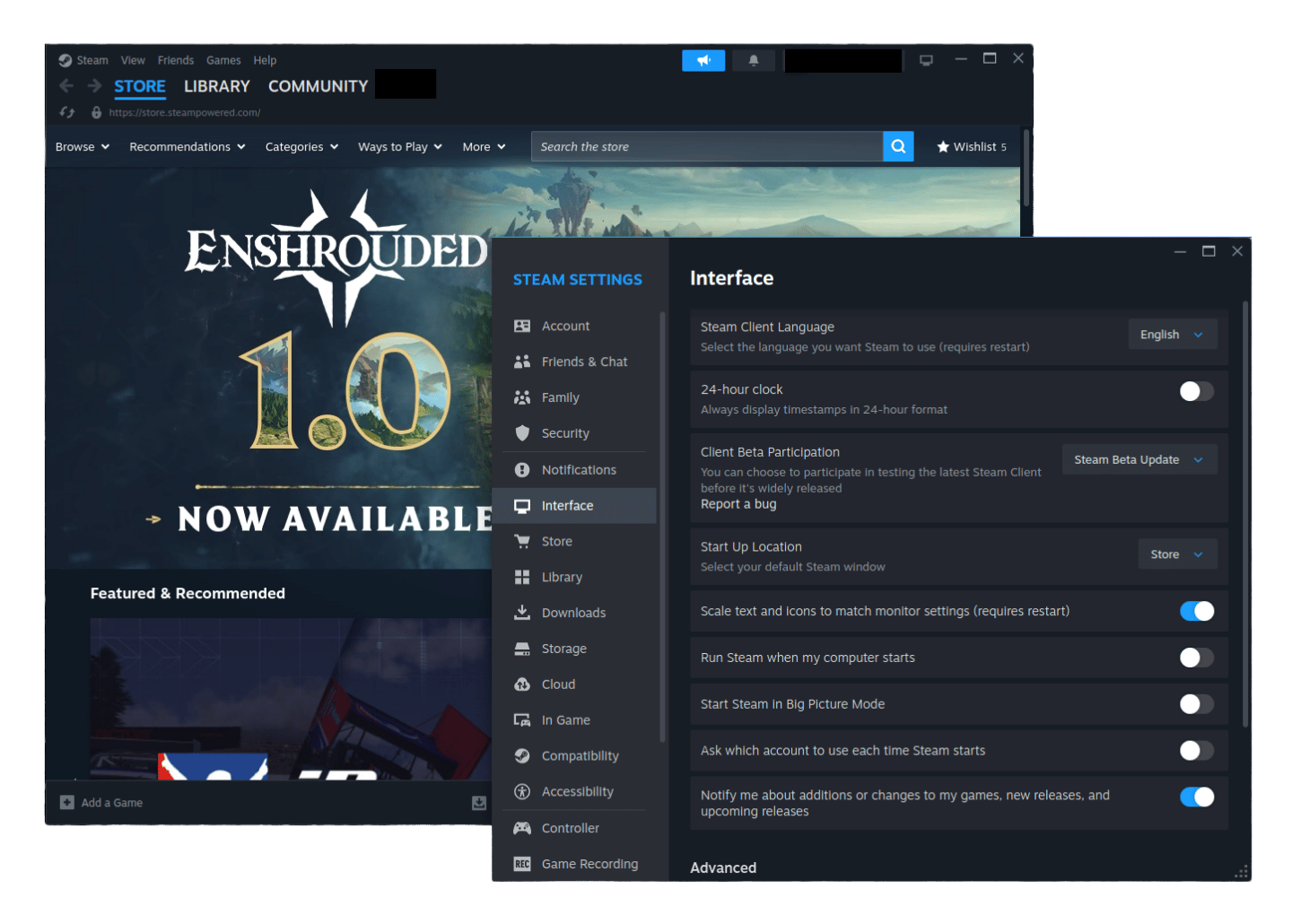
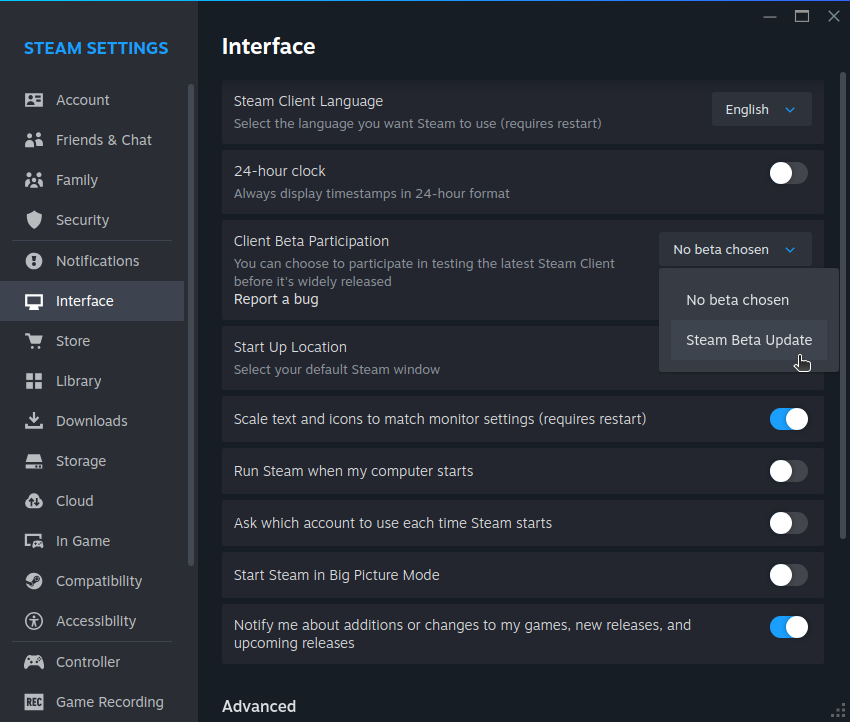
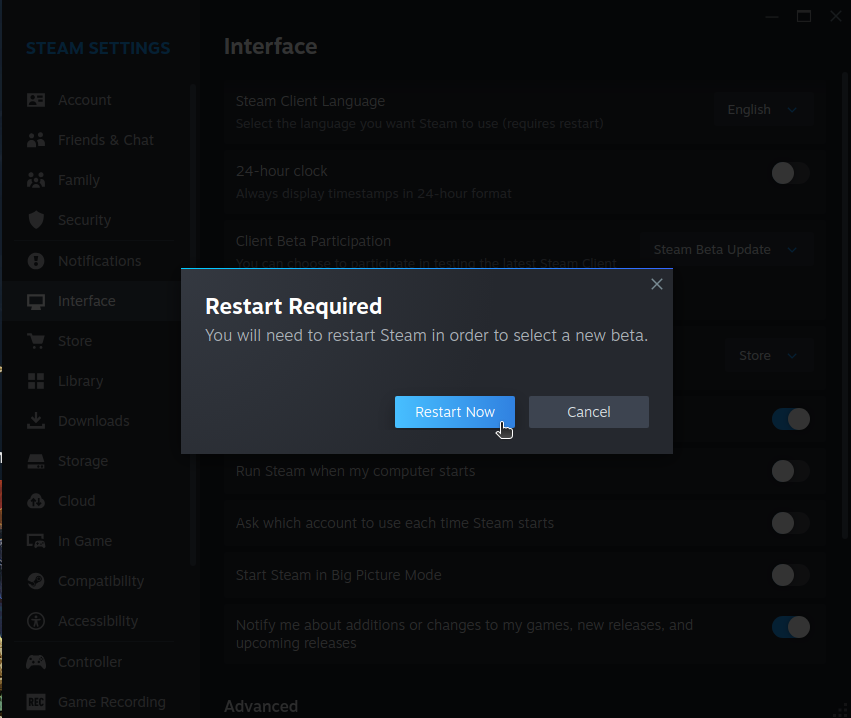
Testing the new architecture is presently available to any user willing to opt into the beta channel through their existing client settings. Transitioning to the test build on supported distributions such as Ubuntu involves acquiring the official DEB package for the client if it is not already present, and subsequently modifying the client update channel settings within the application preferences. Valve has actively encouraged the community to participate in testing and submit detailed bug reports whenever anomalies or regressions are encountered, pointing users toward the dedicated reporting mechanism located within the interface settings page.
Leave a Reply