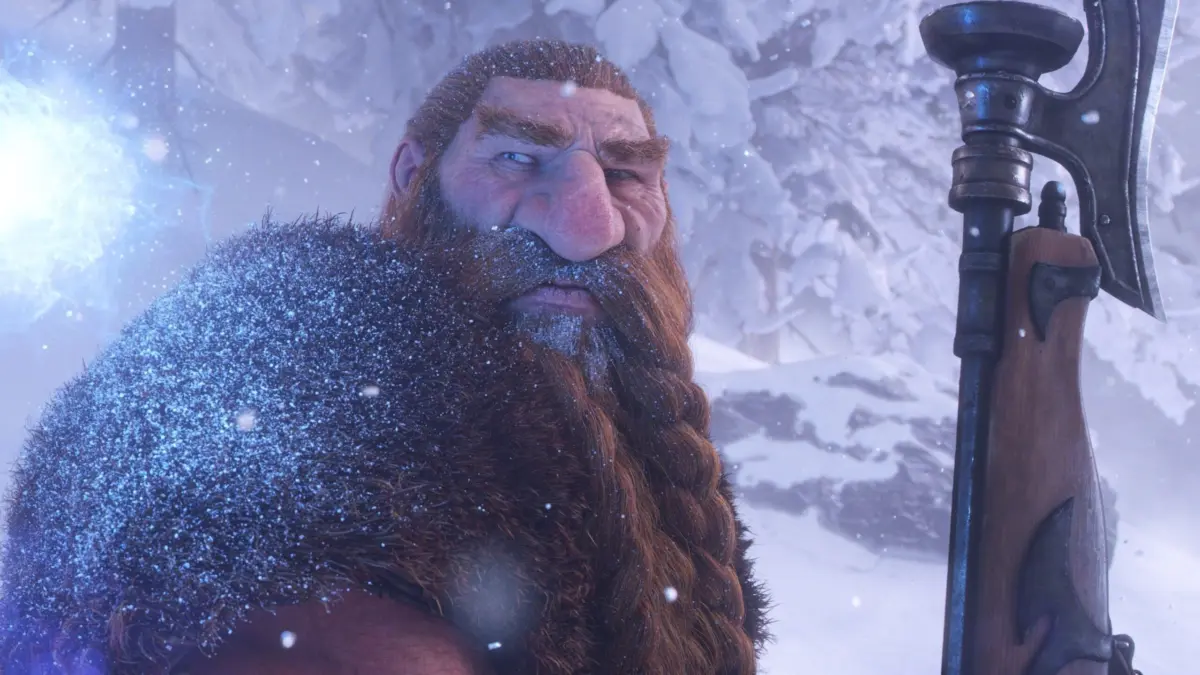
More than two decades after millions of players first stepped through the Dark Portal or wandered the snow-swept valleys of Dun Morogh, Blizzard Entertainment is offering yet another path back to the beginning. With the release of World of Warcraft: Forever, subscribers have a third—or, depending on how one counts the fragmented history of the long-running massively multiplayer online role-playing game, a sixth or seventh—distinct way to experience the legendary universe of Azeroth.
Joining the ever-evolving modern retail game and the nostalgia-driven Classic servers, World of Warcraft: Forever takes its foundation from the landmark 2004 launch version of the game. However, this new iteration is far more than a simple preservation effort. It arrives with freshly minted content, heavily rebalanced character classes, updated graphical enhancements, and a wide array of quality-of-life modernizations designed to blend the spirit of the original era with contemporary sensibilities.
For veteran players and curious newcomers alike, the digital doors to this reimagined past open globally on November 4 at 6:00 p.m. EST, rolling out across international time zones into November 5. The release represents a fascinating experiment for Blizzard: an attempt to recreate the specific emotional resonance and social texture of World of Warcraft as it felt twenty-two years ago, while acknowledging that the game never actually existed in precisely this polished, modified form back then.
World of Warcraft: Forever Release Times
The global rollout is scheduled to unite players worldwide at the exact same moment. For those tracking the launch across various regions, the servers are set to go live on Wednesday, November 4, at 6:00 p.m. Eastern Standard Time. This translates to corresponding afternoon, evening, or late-night hours depending on geographic location, allowing a synchronized rush of adventurers eager to secure classic character names, race toward early-game milestones, and experience the opening notes of the iconic login screen music together once more.
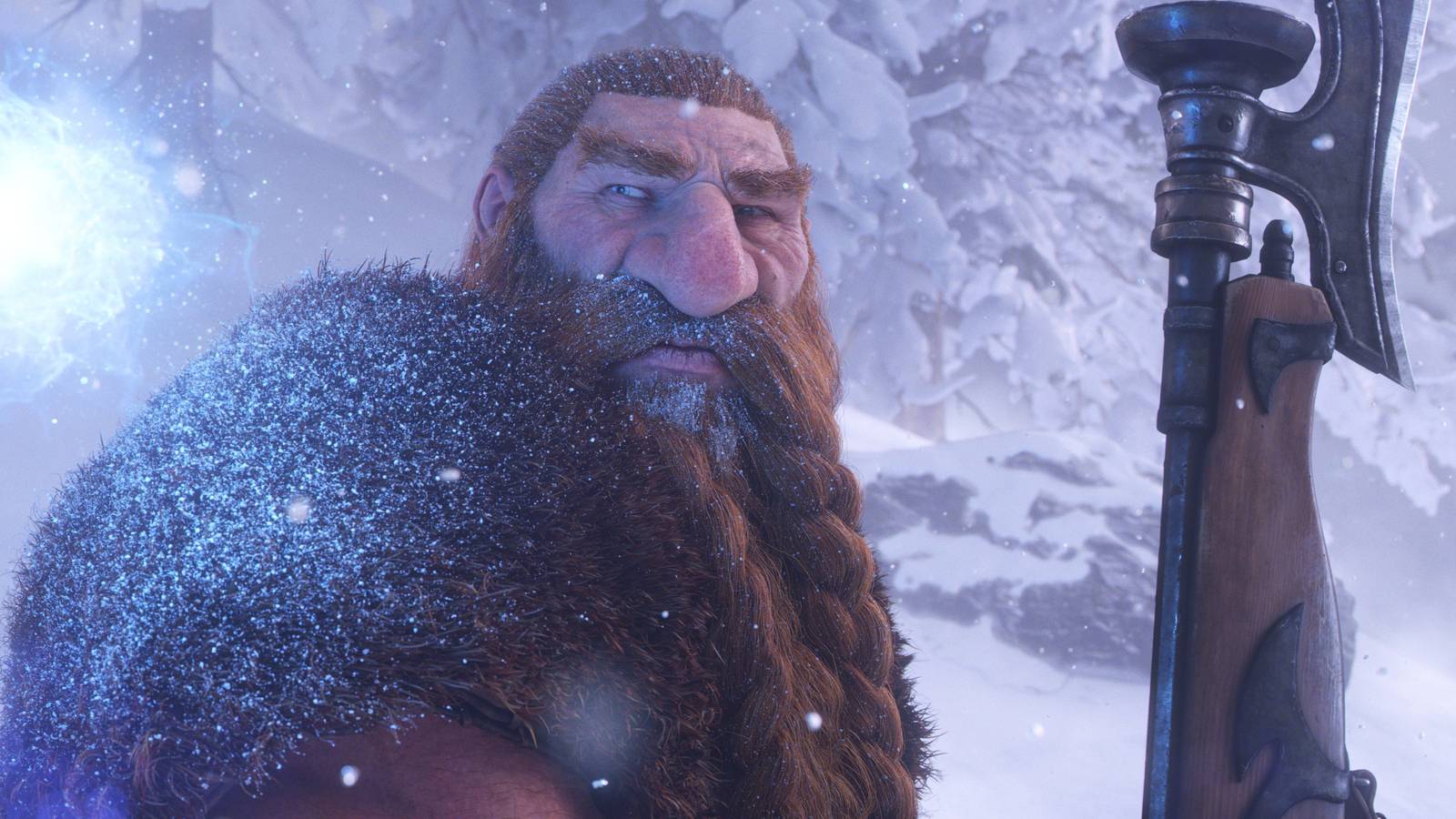
As has become standard for the ecosystem, access to World of Warcraft: Forever is bundled directly into the cost of a standard active World of Warcraft subscription, meaning that existing players do not need to purchase a separate expansion to cross the threshold. However, certain expanded elements—such as the new Skyborne faction and access to their distinct starting zone—are sold separately as an optional add-on for those looking to expand their experience beyond the core boundaries of the 2004 release.
What to Expect From World of Warcraft: Forever
At its heart, WoW: Forever functions as a retro remix of the title that defined a generation of online gaming. It is built firmly on the foundational content and design philosophy of the classic era, yet it is infused with unexpected twists, modern backend improvements, and targeted adjustments that set it apart from both standard retail and previous Classic iterations.
The core framework of Forever anchors itself in the original nine character classes and eight playable races that defined the game’s infancy. These traditional heroes and heroines remain strictly divided into the two iconic, warring factions—the Horde and the Alliance—that can never communicate with one another across the language barrier, nor form cooperative groups for dungeons or raids. All the foundational adventuring zones, sprawling dungeons, epic raids, and majestic capital cities of the original two massive continents of Kalimdor and the Eastern Kingdoms are fully present, bringing back the sense of scale and danger that characterized early twentieth-century MMO design.
Yet, despite preserving this nostalgic backbone, the developers have introduced substantial alterations beneath the hood. Character classes have undergone significant rebalancing to smooth out the notoriously punishing mechanics and dead-end talent trees of the original 2004 release, offering more viable playstyles for classes that historically struggled in endgame content. Graphical enhancements lift the fidelity of the vintage assets without sacrificing the distinctive, painterly art style that made the original world feel timeless. Furthermore, a suite of modernization efforts—ranging from interface updates to technical optimizations—ensures that the game runs smoothly on contemporary hardware while retaining the deliberate pacing, community-driven economy, and exploratory wonder that made the original phenomenon an indelible part of gaming history.