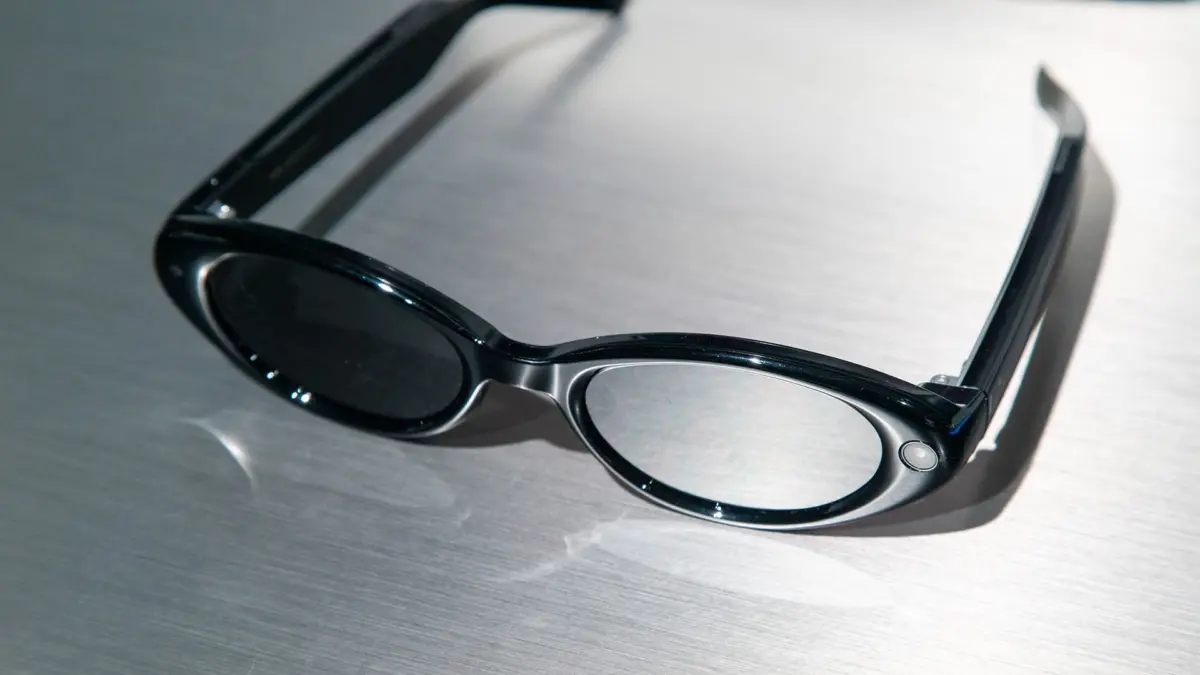
The landscape of wearable technology is once again shifting toward smart eyewear, and Samsung’s anticipated entry into the market is reportedly closing in on a release window. Months of speculation surrounding Samsung’s Android XR glasses have yielded numerous rumors, conflicting timelines, and shifting expectations. Now, a fresh report offers a more specific timeframe for when consumers might finally see the devices hit store shelves, suggesting a holiday-season debut in select key markets.
According to a recent report from South Korean publication ChosunBiz, Samsung is allegedly preparing to launch its much-discussed Intelligent Eyewear in mid-December. The initial rollout is reportedly planned for two primary markets: South Korea and the United States. Rather than a massive global simultaneous launch, Samsung appears to be taking a calculated and measured approach by introducing the smart glasses to these two critical regions first.
Industry insiders cited in the report indicate that Samsung intends to closely monitor initial consumer demand, user reactions, and real-world feedback in South Korea and the U.S. before committing to a broader international expansion. This phased approach is a common strategy for major tech companies breaking into entirely new product categories, allowing them to iron out any unforeseen hardware or software kinks before scaling up production and distribution on a global scale.
Despite the narrowing launch window, one crucial detail remains shrouded in uncertainty: the price. Over the past several months, industry watchers and tech publications have gone back and forth speculating on how much Samsung will charge for the Intelligent Eyewear. However, the latest reports emphasize that nothing is entirely set in stone just yet. Samsung is reportedly still deliberating on the final price point for the smart glasses as it enters the final weeks leading up to the anticipated mid-December release.
Navigating Shifting Launch Windows and Market Positioning
This latest December timeline marks yet another shift in the ongoing rumor mill surrounding Samsung’s wearable hardware. Earlier in October, various reports and industry leaks suggested that Samsung was eyeing an ambitious November launch for the Intelligent Eyewear. At the time, the prospect of a November arrival generated significant excitement among tech enthusiasts eager to see Samsung’s vision for Android XR.
However, the latest round of reporting effectively pushes that expectation back by several weeks into December. Because the wearable tech space is notoriously prone to last-minute supply chain adjustments, manufacturing hurdles, and strategic pivots, industry analysts advise taking these rumored dates with a healthy dose of skepticism until Samsung makes an official, public announcement.
When it comes to pricing, Samsung has previously offered subtle hints about its strategy. Back in July, company executives suggested that the Intelligent Eyewear would carry a "reasonable" premium price tag. While that phrasing leaves room for interpretation, industry consensus indicates that Samsung’s smart glasses will likely command a higher price than Meta’s popular $300 Ray-Ban smart glasses, reflecting a more advanced feature set and tighter integration with the broader Android XR ecosystem.
Rather than functioning as a standalone computing device or a replacement for your smartphone, Samsung has positioned the Intelligent Eyewear to act as an extension of your existing Galaxy ecosystem. The integration is designed to be seamless, allowing users to interact with the glasses through intuitive gestures performed on any compatible Galaxy Watch. Furthermore, functionality such as quick photo capture will tie directly into the user’s daily mobile routine, enhancing convenience without overwhelming the user interface.

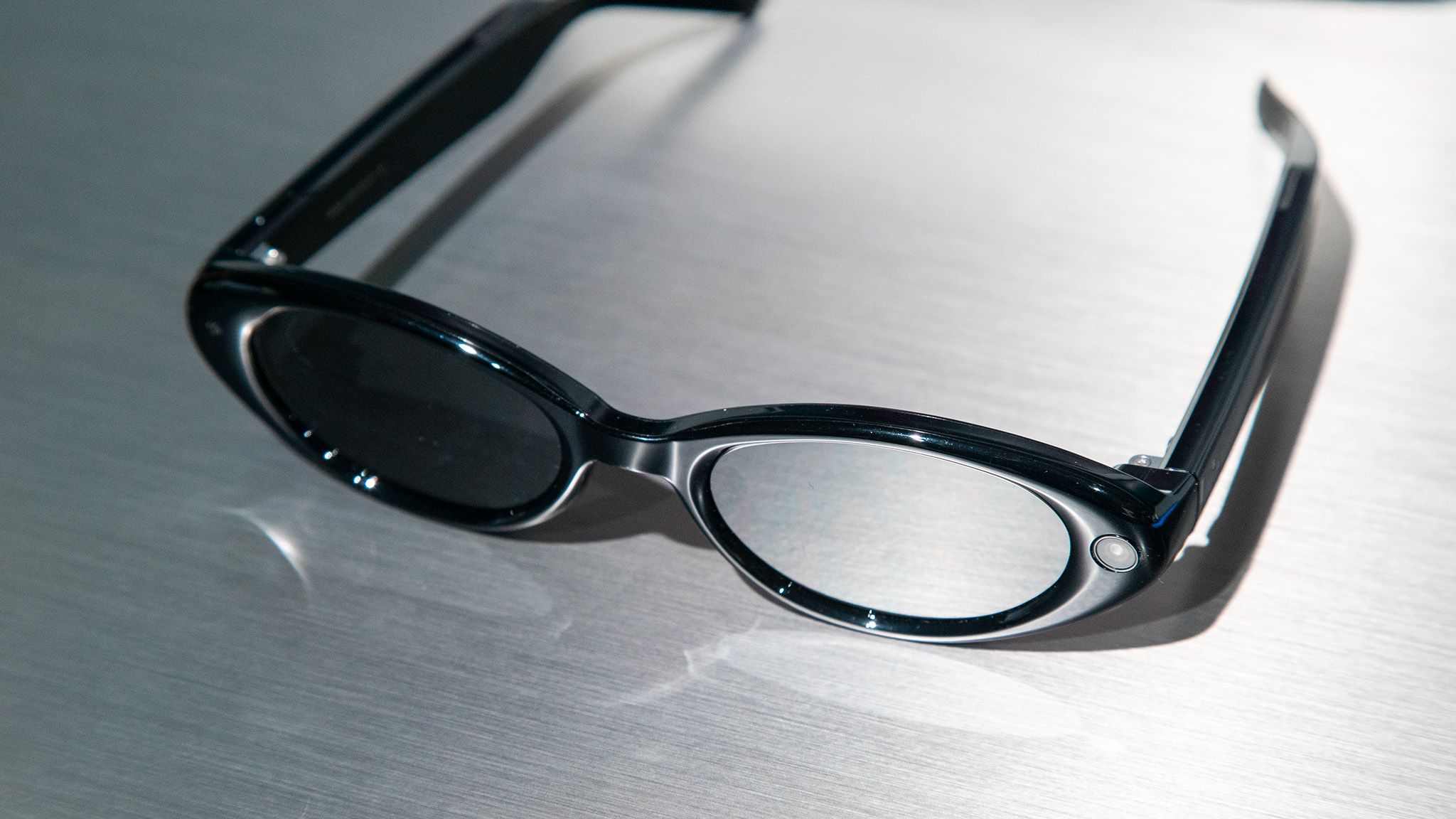
The upcoming launch also follows Samsung’s official previews of the hardware’s aesthetic design. Collaborations with prominent fashion brands like Warby Parker and Gentle Monster mean that Samsung’s smart glasses are heavily focused on mainstream fashion appeal alongside technological capability. By merging advanced artificial intelligence and extended reality features with recognizable, stylish frames, Samsung and Google are clearly hoping to avoid the clunky, overly futuristic aesthetic that has hindered previous generations of smart eyewear.
As mid-December approaches, all eyes will be on Samsung to confirm whether these latest reports hold true and whether consumers in South Korea and the United States will indeed be the first to experience the future of Android XR Intelligent Eyewear.