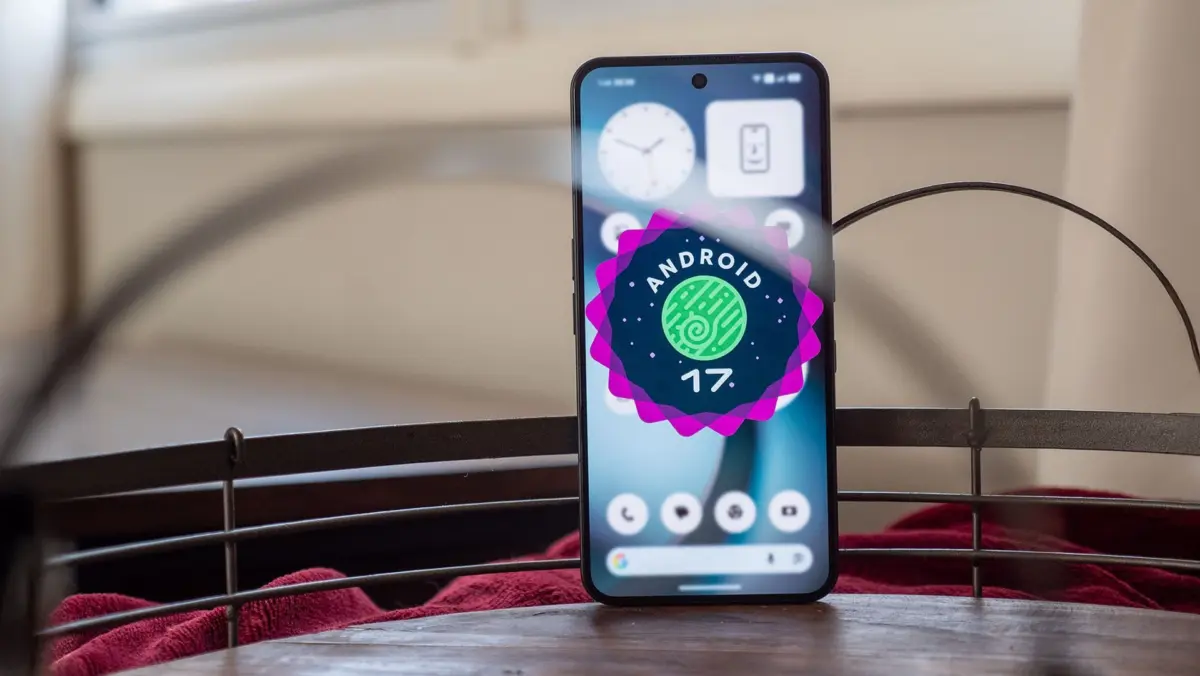
Google’s ongoing development cycle for Android 17 continues to move at a rapid pace, with the tech giant pushing out multiple Quarterly Platform Release updates alongside continuous bug fixes tailored for Pixel devices. Following the early October rollout of the QPR3 beta testing phase—which initially focused heavily on squashing stability, network connectivity, and performance bugs across the ecosystem—Google has now officially released Android 17 QPR3 Beta 3. This latest software drop packs an impressive array of 26 distinct bug fixes, the highly anticipated return of the app lock feature, and a series of practical user interface improvements designed to streamline the overall mobile experience.
While this latest beta build does not introduce a massive visual overhaul or a radical redesign of the Android user interface, it highlights Google’s deliberate strategy to use these interim beta releases to refine, polish, and tidy up the operating system ahead of subsequent major public releases. This iterative cleanup is crucial for maintaining the long-term reliability of supported hardware.
The arrival of QPR3 Beta 3 follows closely on the heels of QPR3 Beta 2, which dropped just over a week prior with its own targeted collection of system patches. According to the detailed release notes shared by the development team on Reddit, the new build addresses a sprawling list of 26 issues. These range from pesky display glitches and sudden application crashes to stubborn connectivity bugs and overarching system stability bottlenecks that have occasionally troubled users during day-to-day operations.
App lock and bubbles get another shot
Beyond the under-the-hood repairs, the modifications made to the usability and user-facing features of the operating system are proving to be among the most engaging aspects of the new beta. As carefully documented by members of the user community on Reddit, the native app lock feature is making a triumphant comeback. This functionality provides users with an additional, robust layer of security, allowing them to safeguard sensitive applications from unwanted access by unauthorized individuals who might pick up or handle the device.
In tandem with the return of app lock, Google is also working to make app bubbles significantly easier and more intuitive to manage. With the new beta update, users are now empowered to launch bubbles directly from the Recents menu, bypassing the need to dig deep through layers of other interface options and settings menus just to multitask effectively.
The Quick Settings panel is also receiving a thoughtful quality-of-life upgrade in the form of a dedicated camera shortcut. While arguably a small addition on the surface, this shortcut gives users yet another fast, frictionless way to launch the camera application without having to hunt down its standalone app icon on the home screen or app drawer. Furthermore, Google has successfully resolved a quirky issue regarding the AM/PM time display for lock screen alarms and has thoughtfully brought back a degree of lock screen blur that had been inadvertently lost or stripped away in a previous software update.
A bigger cleanup under the hood
While the interface tweaks provide immediate visual and functional satisfaction, a significant portion of Android 17 QPR3 Beta 3 is dedicated to a much broader cleanup under the hood. The extensive list of 26 fixes takes direct aim at a variety of persistent and annoying technical issues that have frustrated users across different Pixel models.
Among the resolved problems are random screen flickering events, as well as an irritating issue that resulted in black inner displays when unfolding foldable devices. Users who rely on their Pixel devices for remote communication or streaming will also welcome fixes targeting poor webcam video quality. Additionally, Google has patched pesky application crashes that occurred when users attempted to view specific mentions within X threads.
The patch notes further detail solutions for broken force-stop controls, missing notification elements that failed to render properly, and Bluetooth scans that would unexpectedly crash mid-process. Enterprise users and individuals relying on robust campus or corporate infrastructure will also appreciate the resolution of WPA-Enterprise Wi-Fi authentication failures, which previously hindered seamless network connections.
In terms of device compatibility, Android 17 QPR3 Beta 3 is widely available for the Pixel 6a and newer hardware generations. The vast majority of supported Pixel models will receive build DP11.261016.003, while newer Pixel 11 models are assigned build DP11.261016.004 to account for their specific hardware architectures.
Users who are eager to experience these new fixes and features firsthand can sign up through Google’s official Android Beta Program. However, because beta software inherently carries a degree of instability and the potential for unforeseen bugs, it remains strongly recommended that users back up all critical personal data prior to installing any beta builds on their primary devices.
Looking ahead at the broader software roadmap, Android 17 QPR2 is anticipated to reach its stable, public-facing status around the end of 2026. Meanwhile, the ongoing development of QPR3 is shaping up to be another comprehensive round of meaningful refinements, setting the stage for an anticipated full release cycle in 2027.