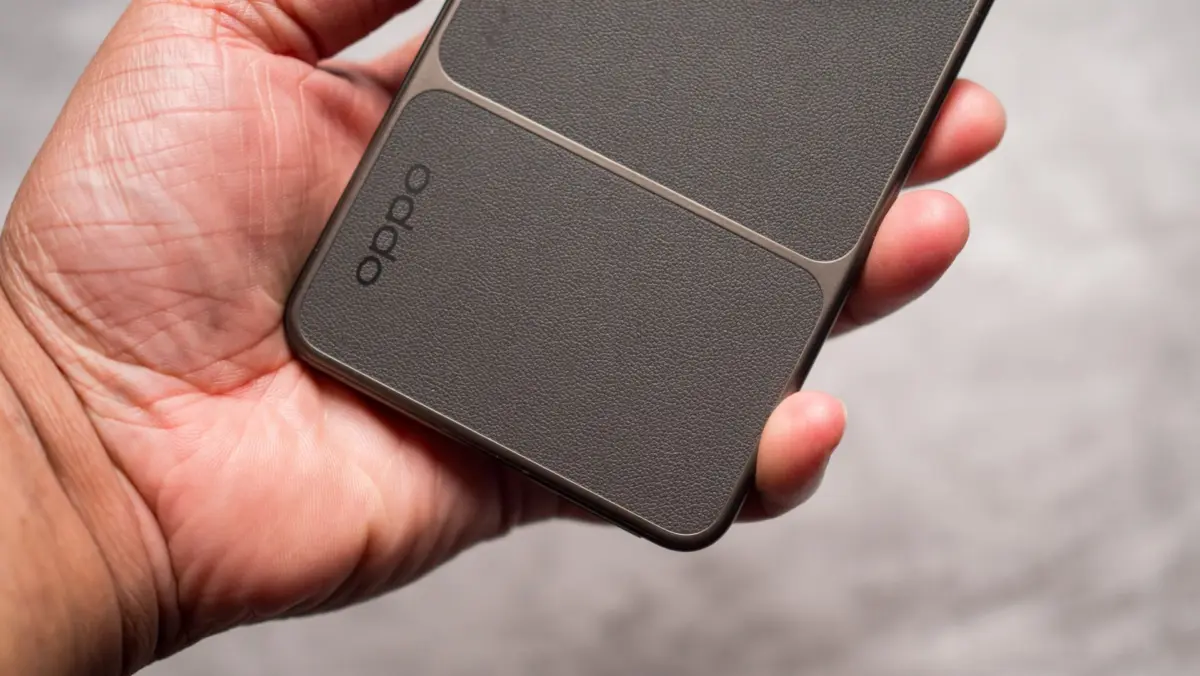
OPPO could be planning a major strategy shift for its upcoming flagship camera smartphone lineup, with early industry reports suggesting that the brand is actively testing alternative silicon configurations for the much-anticipated Find X10 Ultra. Traditionally known for anchoring its top-tier Ultra devices exclusively with Qualcomm’s premier Snapdragon processors, the Chinese manufacturer is reportedly evaluating MediaTek’s cutting-edge hardware for its next-generation powerhouse, signaling a potential evolution in how the company approaches high-end mobile performance and ecosystem integration.
According to recent leaks originating from the reliable Weibo tipster Smart Pikachu, the upcoming Find X10 Ultra is currently being put through its paces with MediaTek’s advanced Dimensity 9600 Pro processor. This development suggests that OPPO is seriously exploring a future where its absolute flagship device shares silicon parity with other top-tier models in its stable. However, the report also notes that Qualcomm has not been entirely pushed out of the picture. A secondary configuration powered by Qualcomm silicon is also running in active development laboratories, and industry insiders suggest that this more familiar pairing may ultimately be the one that crosses the finish line and hits commercial markets when the device launches.
The prospect of OPPO experimenting with the Dimensity 9600 Pro for its Ultra series highlights MediaTek’s growing prominence in the upper echelons of mobile computing. Built upon TSMC’s advanced 2nm manufacturing process, the Dimensity 9600 Pro boasts a formidable architecture comprising two C2-Ultra cores capable of clock speeds up to 4.55GHz, alongside six additional performance cores designed to handle intensive multi-threaded workloads and demanding applications. Because OPPO has already publicly confirmed this powerful processor for the upcoming Find X10 Pro Max, employing the same system-on-chip across multiple elite devices would represent a streamlined approach to supply chains and hardware optimization.
Despite the internal testing of MediaTek hardware, Smart Pikachu indicates that the Snapdragon-powered variant remains the frontrunner for mass production. This version is expected to feature Qualcomm’s upcoming Snapdragon 8 Elite Extreme Gen 6 chipset, continuing a long-standing tradition of partnership between OPPO and Qualcomm for the Ultra product tier.
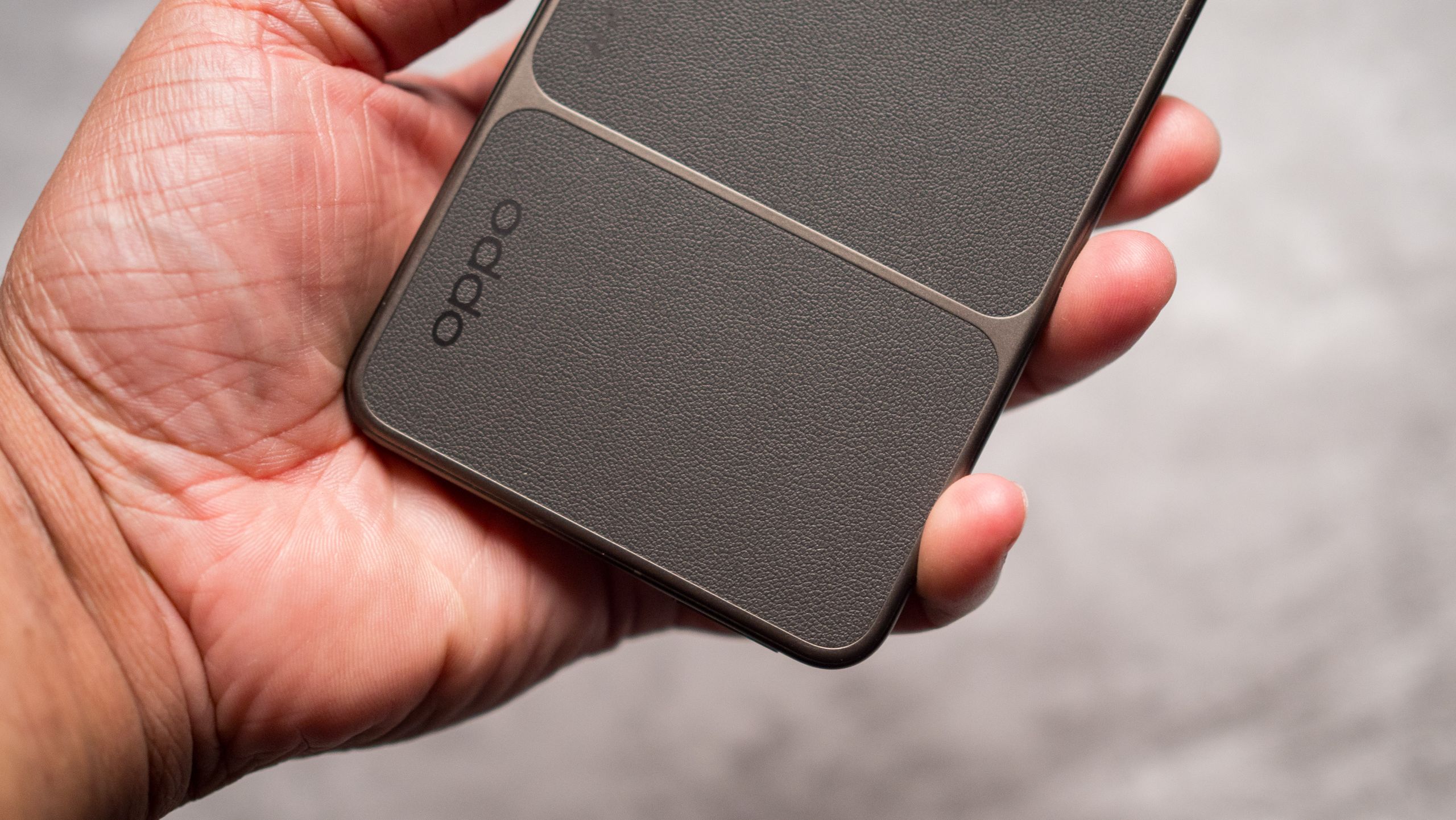
Even as discussions and internal debates continue over which processor will ultimately power the device, the Find X10 Ultra is already shaping up to be a monumental release driven primarily by its ambitious imaging hardware. Past leaks point to a camera configuration designed to push the boundaries of computational and optical photography on mobile devices. Rumored specifications outline a massive 200-megapixel main camera sensor built around a generous 1/1.12-inch optical format. Furthermore, this primary sensor is said to incorporate Lateral Overflow Integration Capacitor technology, an advanced sensor innovation that, as explained by industry technical references from organizations like DPReview, dramatically increases dynamic range and effectively prevents highlight clipping in high-contrast lighting environments.
The imaging package does not stop at the primary sensor. Additional leaked details suggest the inclusion of a second 200-megapixel periscope telephoto camera, complemented by a dedicated 50-megapixel periscope lens capable of delivering an impressive 10x optical zoom range. On the front of the device, OPPO is reportedly planning a high-resolution 100-megapixel selfie camera to cater to creators and everyday users alike.
If OPPO ultimately decides to move forward with MediaTek for the Find X10 Ultra while keeping the Dimensity 9600 Pro in the Find X10 Pro Max as well, both devices would share the exact same flagship system-on-chip architecture. Such a scenario would place considerable pressure on OPPO’s product differentiation strategy. Without a raw processing performance advantage to separate the Ultra from the Pro Max, the company would rely heavily on its proprietary camera hardware, specialized lenses, and advanced software tuning to justify the Ultra moniker and its higher market positioning.
To address this exact challenge, current testing protocols reportedly pair the MediaTek Dimensity 9600 Pro with custom-built imaging algorithms designed to interface seamlessly with OPPO’s proprietary Lumo True Image Engine. This integration demonstrates that regardless of which silicon partner ultimately wins the internal hardware race, OPPO remains fully committed to retaining rigorous control over its signature color science, image processing pipelines, and computational photography features.
As it stands, the OPPO Find X10 Ultra is widely anticipated to make its official debut in China during the first half of 2027. Because OPPO has not yet officially confirmed the existence of the handset, nor has it locked in its final production specifications, hardware configurations remain fluid, leaving ample room for adjustments before commercial manufacturing begins. While Qualcomm currently holds the strategic advantage for the final commercial launch, MediaTek’s serious consideration in the testing phase underscores how far mobile chipset performance has evolved, cementing MediaTek’s hard-earned seat at the very top of the smartphone industry.