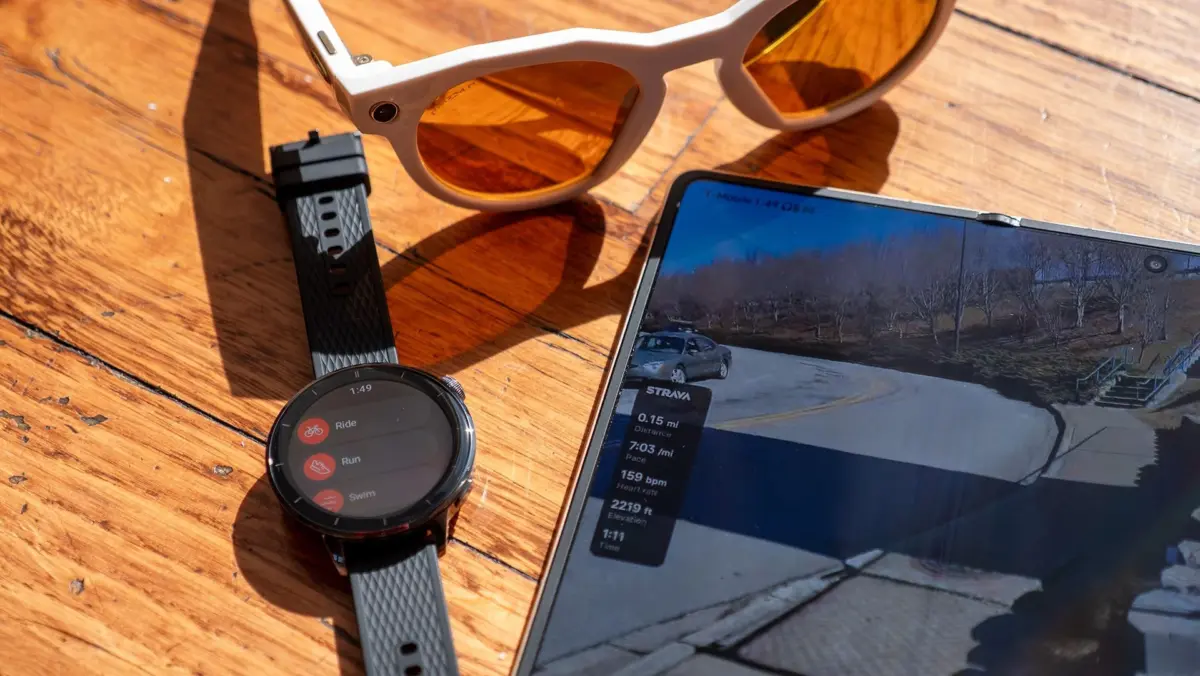
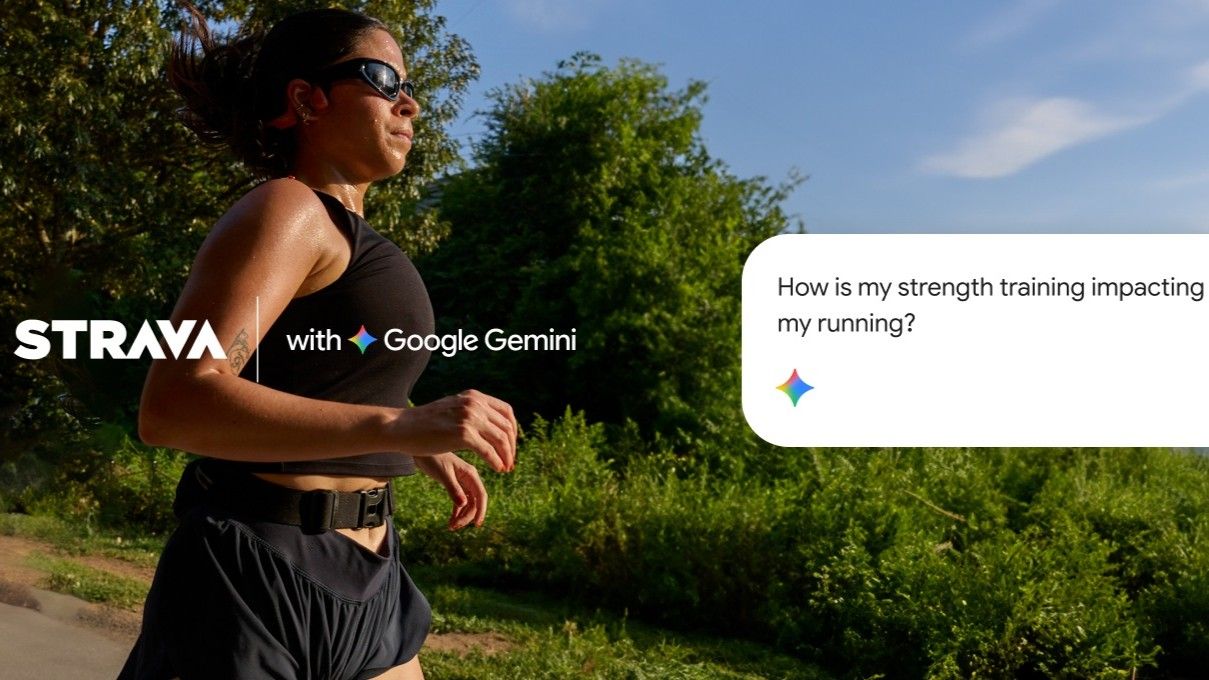
Strava is expanding the ways athletes and fitness enthusiasts interact with their wellness data by forging a new partnership with Google Gemini. In an official press release, the fitness tracking platform announced that users can now experience a seamless "Connected Apps" integration with Google’s advanced artificial intelligence model, beginning this rollout phase this week.
Under this new feature, subscribers can securely connect their Strava accounts directly to Google Gemini to review their long-term progress, uncover deep performance insights, and receive highly personalized training advice. According to the company, Gemini is capable of tailoring its responses and training feedback explicitly around the individual user’s logged Strava data, moving beyond generic fitness advice to provide context-aware evaluations.
The integration opens up conversational capabilities for athletes looking to dissect their training blocks. Strava highlighted several practical examples of how users can query the AI assistant, such as asking whether they are progressively getting faster while maintaining the same heart rate. In response, Gemini can cross-reference heart rate metrics and speed trends across a user’s overall training volume, consistency, and mix of sports disciplines. Furthermore, the updated integration allows Gemini to break down complex racing performances on a mile-by-mile basis, giving runners a granular view of their pacing strategies and efficiency over distance.
Additional updates rolled out alongside the Gemini integration give users the ability to investigate qualitative factors affecting their workouts. Athletes can ask Gemini to analyze whether unfavorable weather conditions were the primary driver behind a sluggish training session, or if the fatigue stemmed from internal bodily recovery and physiological strain.
The feature is rolling out to subscribers in the United States starting this week, and Strava has confirmed that the capability is accessible across all Gemini plans. To get started, users can navigate through the platform settings by accessing Personal Intelligence within Gemini, selecting Strava under the Connected Apps menu, and completing the secure sign-in process.
Expanding AI Capabilities in Fitness Tracking
This new partnership with Google builds upon Strava’s broader push into artificial intelligence, which has seen the platform introduce several sophisticated analytical tools over recent months. While the Strava mobile application has traditionally served as the primary hub for daily workout reviews, the company previously captured the attention of the fitness community with the stable rollout of its Athlete Intelligence feature.
Athlete Intelligence spent roughly four and a half months maturing in a beta testing phase before graduating to a stable public release. Upon its debut, the feature brought significantly improved analytical accuracy and deeper insights directly to subscribers. Designed to provide a tailored user experience, Athlete Intelligence possesses the unique capability to interpret non-GPS activities—such as indoor treadmill running or stationary cycling power output—expanding the scope of what the platform can evaluate.
Furthermore, Athlete Intelligence automatically contextualizes workouts by noting how a user’s current pace or speed compares against historical efforts on the exact same route. Early testers noted minor hiccups during the initial beta phases, but the underlying insights proved remarkably accurate over time. Shortly after introducing Athlete Intelligence, Strava expanded its algorithmic suite further by bringing AI Performance Predictions to its subscriber base.
This predictive software is designed to estimate how long a user would take to complete standard racing distances, including 5Ks, 10Ks, half marathons, and full marathons. However, because these predictions rely heavily on historical performance baselines to generate accurate forecasts, the system requires a substantial amount of data before it becomes operational. Strava stipulates that users must successfully log and catalog approximately 20 distinct activities before the AI Performance Predictions engine can begin formulating reliable race estimates.