

The open-source community is facing a wave of structural shifts, funding challenges, and security developments as several long-standing support programs come to an end while others rapidly adapt. In one of the most disruptive moves for independent projects, DigitalOcean has quietly concluded its open-source infrastructure credit support program, leaving numerous established initiatives scrambling to secure alternative resources for their hosting and operational needs.

The abrupt termination of these credits means that long-standing open-source projects will no longer receive the financial backing they rely on to maintain their servers and infrastructure. The decision has sent ripples through the developer ecosystem, sparking broader discussions about the sustainability of critical software projects that depend heavily on cloud provider goodwill and philanthropic corporate grants.

This funding crunch appears part of a wider trend affecting infrastructure stability across the ecosystem. Gentoo Linux has announced that it is actively seeking new infrastructure sponsors after experiencing the withdrawal of several long-term backers. To sustain its operations, the historic Linux distribution is appealing to the community and corporate partners for donated machines, colocation space, virtual machines, physical servers, or direct financial contributions to keep its development and testing pipelines running smoothly.

Legal and Security Pressures Mount for Popular Tools
Beyond infrastructure hurdles, open-source maintainers are facing rising regulatory and legal scrutiny. The International Federation of the Phonographic Industry (IFPI), a prominent music copyright group, has submitted yt-dlp—a widely used, general-purpose command-line media downloader—to the European Union’s piracy watchlist. By lumping the versatile utility in with dedicated copyright-infringing ripping services, the group has targeted four specific maintainers, claiming that the tool actively facilitates copyright infringement despite its broad utility for archiving, educational, and legal media management.

Security and integrity have also taken center stage in other parts of the ecosystem. Google’s open-source bug bounty program was forced to temporarily pause product vulnerability submissions after being inundated with a massive flood of AI-generated spam reports. While the company has kept supply chain vulnerability reports open, it has teased a thoroughly revamped program slated for launch by the first quarter of 2027 to better handle the influx of automated noise.

Meanwhile, corporate shifts continue to reshape project governance. When Siemens silently deleted the repository for OpenRadioss, the project’s open-source license proved its worth. Protected by the Affero General Public License (AGPL), the project was swiftly rescued. Rocky Linux co-founder Brian Clemens forked the codebase into a new project named OpenCourant within days of the deletion, and the new initiative is already shipping pre-compiled binaries for both Linux and Windows environments.

Innovation, Alternative Tools, and Privacy Initiatives
Amid these structural challenges, developers and maintainers continue to push forward with modern architectural alternatives and security improvements. Red Hat is flipping traditional security maintenance paradigms on their head with its Lightwell initiative. Rather than waiting for upstream patches to trickle down through conventional channels, Lightwell backports security fixes directly into production Java libraries. Having already cleared over 400 vulnerabilities, the approach is gaining momentum as a proactive strategy for enterprise software maintenance.
Security and privacy are also driving core updates in mainstream distributions. Ubuntu 26.10 is set to introduce Sequoia PGP, a modern, memory-safe OpenPGP implementation written in Rust. The new tool will sit alongside the long-serving GnuPG, with both implementations coexisting during a transitional phase as the distribution charts a course toward eventually phasing out older tooling.

Collaboration and productivity tools are expanding their interoperability as well. Tuta Mail has introduced an official application in the Nextcloud App Store. Additionally, a dedicated Nextcloud plugin within Tuta now allows users to seamlessly upload email attachments directly to their Nextcloud instances and embed video conference links straight into their calendar events, bridging the gap between secure encrypted communication and private cloud storage.

The broader conversation around digital privacy has also intensified. Carl Dong, a former Bitcoin Core contributor, recently discussed the motivations behind building Obscura, a privacy-focused VPN designed around institutional distrust rather than traditional marketing promises. Operating on the principle that consumer data should be treated as toxic waste, Obscura splits user identities from browsing activity across two independent corporate entities, ensuring that neither company holds enough information to reconstruct a complete browsing profile.

Hardware, Terminals, and Daily Ecosystem Updates
On the hardware and peripheral front, Linux users continue to see improved native compatibility. ORICO has released the X50, a sleek Thunderbolt 5 NVMe SSD enclosure that integrates seamlessly with Linux distributions out of the box without requiring specialized configuration or proprietary drivers. Meanwhile, the Raspberry Pi Foundation has expanded its reach beyond dedicated single-board computers by making its Debian 13-based Raspberry Pi Desktop available for standard PCs and Macs.
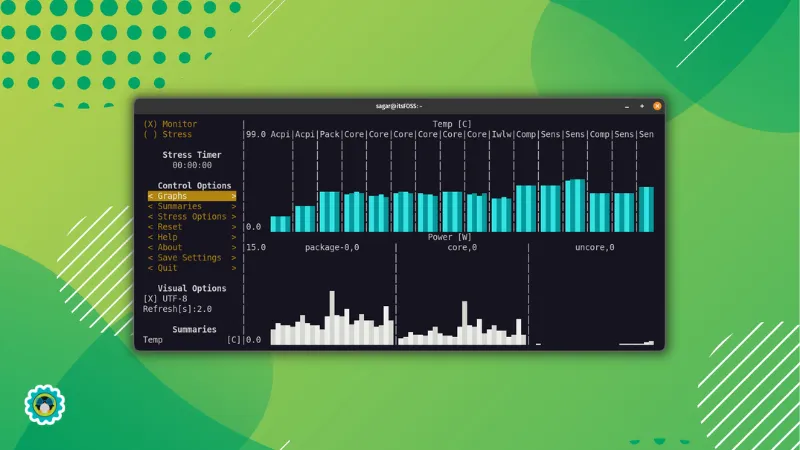
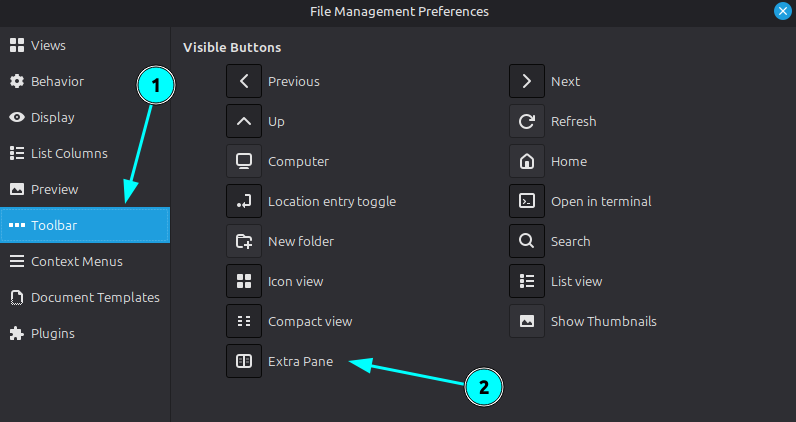
Desktop users looking to optimize their workflow have also received new tools and utilities. The terminal continues to be a focal point for system monitoring and customization, with tools like S-TUI offering terminal-based CPU monitoring, stress-testing, and thermal throttling detection through an interactive graphical interface. File managers like Nemo are also receiving attention for productivity features, such as split-pane viewing modes controlled via function keys or customizable toolbar buttons, which simplify file management across directories.
As the open-source landscape navigates these shifting currents—balancing funding realities, legal pressures, and technological advancements—the community continues to demonstrate resilience through community-driven alternatives, collaborative development, and a steadfast commitment to open standards.


Leave a Reply