
Linux creator Linus Torvalds has once again integrated artificial intelligence into the core development of the Linux operating system, signaling a profound evolution in his perspective on AI-assisted programming. A newly discovered branch within his personal kernel repository has brought to light an experimental patch series developed with the help of AI, aimed at solving a long-standing file-reading bottleneck.
The developments were further elaborated during a candid public discussion in Prague, where Torvalds discussed his shifting views on modern development tools, the realities of code maintenance, and the joy of programming.
The Technical Breakthrough: Tackling the File-Reading Bottleneck
Torvalds’ new branch in his kernel repository is titled noref-filemap-read-with-llm. It houses an eight-patch series built on top of Linux 7.3-rc6 alongside additional fixes. While the commit message is comprehensive and technical, it does not specify an immediate kernel release target for merging the work into the mainline tree.
The underlying change addresses a performance restriction that has vexed kernel maintainers for years. When multiple threads attempt to read the same file simultaneously, the Linux kernel typically serves these requests directly from the page cache, which acts as an in-memory repository for recently accessed data. Historically, each individual read operation requires a thread to acquire a hold on the cached data and subsequently release it after the read concludes.
This mechanism forces every concurrent thread to update the exact same internal counter. Under heavy parallel workloads, the threads inadvertently trip over each other, creating contention and limiting overall read throughput. The specific performance issue was initially flagged back in 2024 by developer Matthew Wilcox, who identified the bottleneck while analyzing a demanding customer workload.
To bypass this bottleneck, Torvalds’ new patch series effectively skips the counter-updating step during shared read operations. To ensure system stability and prevent race conditions, memory leaving the cache is temporarily held back from immediate reuse for a brief, designated period. This safeguard allows an individual reader to copy data straight out of memory without needing to acquire or release active references.

While the trade-off involves a slight increase in memory sitting idle for a brief moment, the performance payoff is substantial. When measured on Torvalds’ personal laptop with certain security protections temporarily switched off, the optimization delivered a dramatic increase in throughput. Specifically, a workload involving eight threads reading a single file surged from approximately 10 million reads per second to a staggering 30 to 33 million reads per second.
Crucially, the commit message credits Claude Code, operating under Torvalds’ direct supervision, for engineering the solution. The AI assistant’s contributions extended beyond the raw code to include a comprehensive draft of the commit message itself, the development of test programs, and a rigorous review cataloging known problems and edge cases.
This marks the second high-profile instance of Torvalds utilizing artificial intelligence for kernel maintenance in recent months. In August, he similarly employed AI tools to help diagnose and resolve a persistent bug within the Intel Xe graphics driver subsystem.

Perspectives from Prague: A Shift in Tone on Artificial Intelligence
The revelation of the noref-filemap-read-with-llm branch closely follows public remarks made by Torvalds during a live conversation with his long-time friend and colleague Dirk Hohndel, head of Ericsson Software Technology, at the Open Source Summit Europe in Prague.
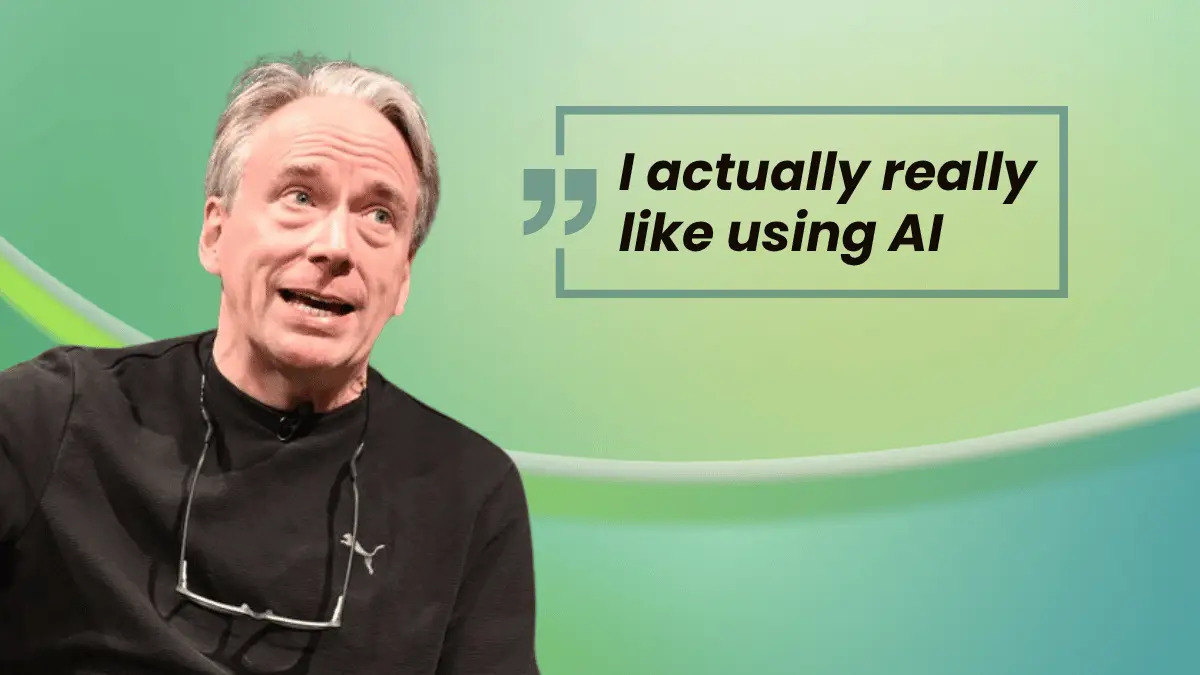
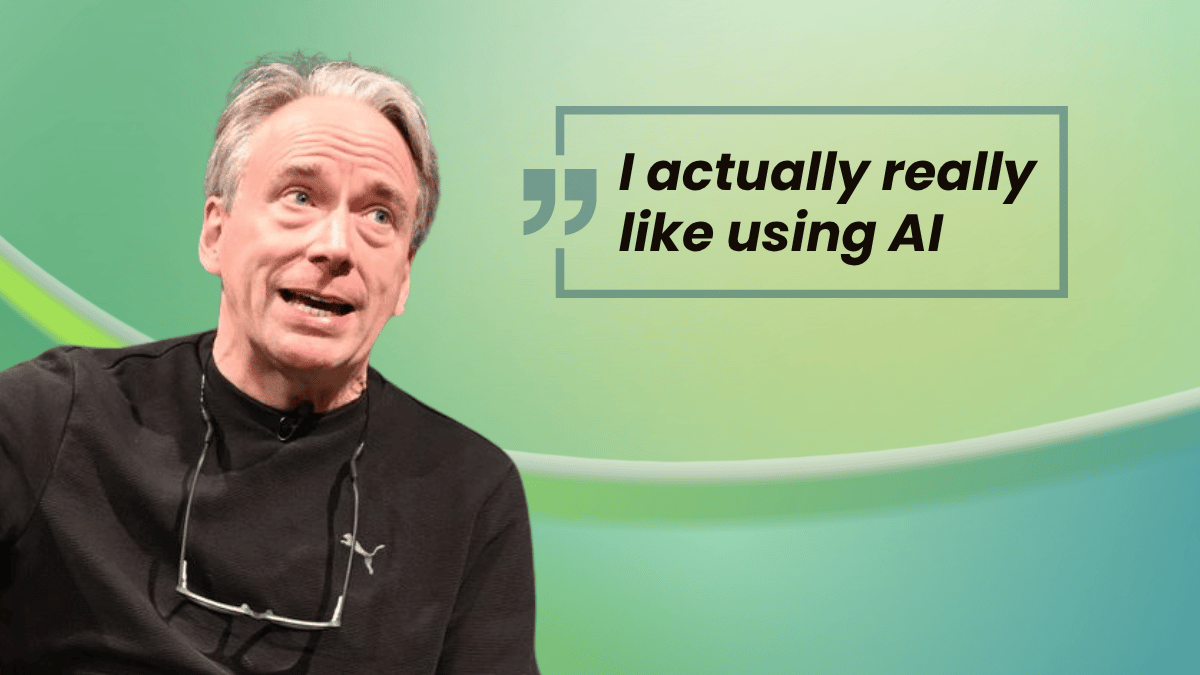
Attending journalists, including Steven Vaughan-Nichols of ZDNet, captured a candid Torvalds discussing his changing relationship with machine learning technologies. During the session, Torvalds openly stated that he actually really likes using AI for certain tasks, a notable departure from his previous skepticism.
Torvalds admitted that he once viewed AI technology as fundamentally overhyped and ineffective, but his practical experiences have led him to revise that assessment. In his current view, artificial intelligence functions remarkably well as long as it is strictly treated as a tool rather than a replacement for human engineering judgement. He noted that utilizing these assistants has made programming more enjoyable for him in specific contexts.

To illustrate his practical application of the technology, Torvalds pointed to a personal guitar pedal project featuring a custom interface originally written in C. Seeking a more modern and polished visual aesthetic, he turned to AI to handle the interface design, remarking that he actively uses AI to tackle the tasks that he considers himself bad at.
Furthermore, Torvalds defended the concept of "vibe coding"—a colloquial term for programming heavily guided by natural language AI prompts—describing it as a wonderful way for newcomers to rediscover the intrinsic joy of programming. However, he balanced his enthusiasm with a pragmatic warning regarding ecosystem health. While acknowledging that AI tools are capable of improving specific areas of codebases, he emphasized that the sheer volume of AI-generated contributions flooding into open-source projects has created an unsustainable burden on human maintainers, turning patch review into a significant operational challenge.
This pragmatic yet increasingly accepting stance highlights a major evolution in Torvalds’ public commentary. As recently as 2024, the Linux creator famously dismissed the broader artificial intelligence industry as consisting of 90 percent marketing and only 10 percent reality. Now, by actively incorporating tools like Claude Code into the complex workflow of the Linux kernel, Torvalds is demonstrating how practical, highly targeted applications of AI can find a permanent home even within the most rigorous and demanding open-source codebases in the world.

Leave a Reply