The ongoing discourse surrounding modern graphics processing units reflects a broader evolution within the PC hardware ecosystem. Components like high-performance GPUs, cutting-edge central processing units, and high-speed memory modules form the backbone of modern gaming, content creation, and increasingly complex artificial intelligence workloads deployed locally on consumer desktops. Within this dynamic environment, technical journalists and hardware specialists play a critical role in evaluating performance metrics, architectural nuances, and the real-world value proposition of newly released components.
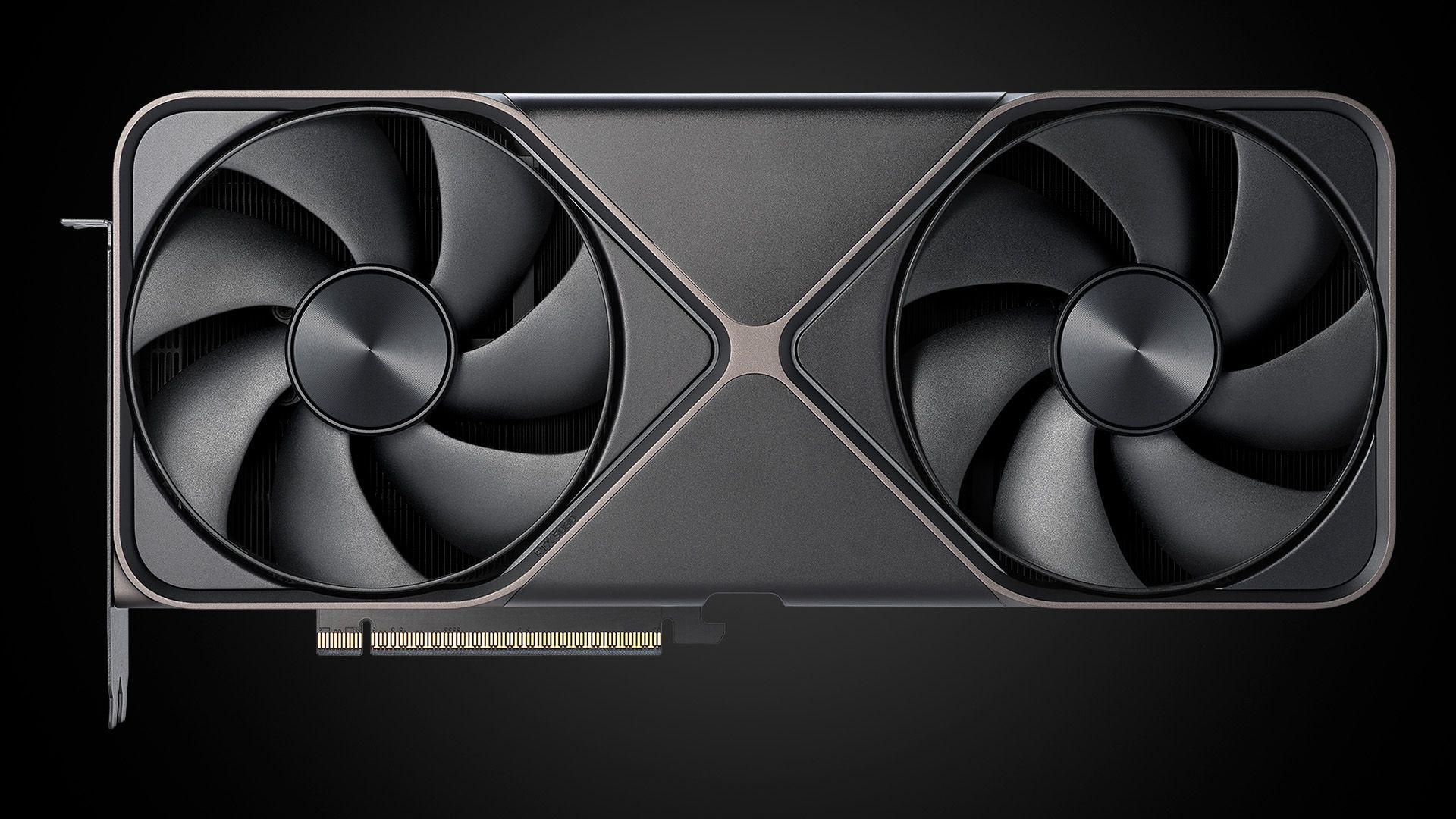
At publications like Tom’s Hardware, dedicated hardware editors and specialists spend countless hours analyzing the latest technological advancements. Professionals such as Zhiye Liu, who focuses extensively on memory reviews, solid-state drive testing, and breaking industry news, provide deep technical insights into how individual components interact within a high-end system. The rigorous examination of CPUs, GPUs, and RAM ensures that enthusiasts receive accurate, data-driven assessments of how hardware innovations translate into tangible performance gains during demanding tasks like high-resolution gaming, ray tracing, and intensive productivity workflows.
The excitement surrounding flagship and enthusiast-tier graphics cards stems not only from raw rendering power, but also from the introduction of novel architectural features that redefine what is possible on a desktop platform. As software developers push the boundaries of visual fidelity and computational complexity, hardware developers are compelled to innovate relentlessly. This continuous cycle of advancement drives the entire industry forward, influencing everything from power delivery standards and cooling technology to the physical dimensions of modern graphics cards and motherboard layouts.
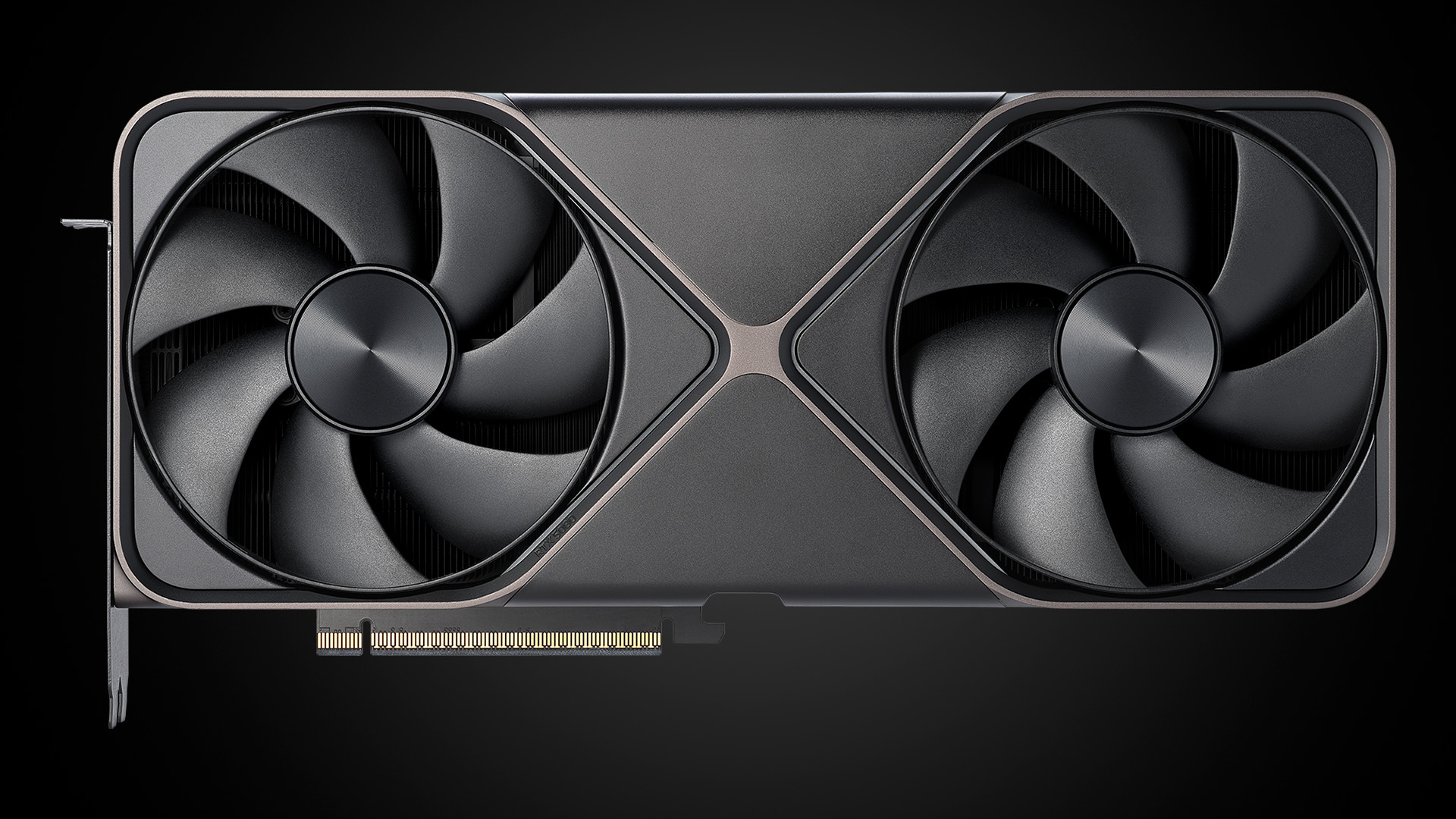
For enthusiasts tracking these developments, staying informed requires keeping a close eye on the latest industry reports, architectural deep-dives, and comprehensive hardware reviews. Whether examining the silicon architecture of a newly announced graphics processor or benchmarking the throughput and latency of cutting-edge memory modules, the technical details matter immensely to builders aiming to assemble the ultimate high-performance machine. As the hardware market prepares for the next wave of releases, the focus remains firmly on how these upcoming components will perform under rigorous real-world conditions and whether they will establish new benchmarks for efficiency, speed, and overall capability.