

As the digital marketplace continues to evolve at a breakneck pace, merchants and online retailers are increasingly turning to artificial intelligence to streamline operations, reduce overhead, and elevate the customer experience. Published on October 12, 2026, a comprehensive industry analysis by AI content editor Alma F. has highlighted a growing ecosystem of specialized technologies designed to help businesses build, market, and manage their online stores more efficiently than ever before.

According to the analysis, the modern ecommerce landscape relies heavily on platforms that draw directly from live store data, including product inventories, recent orders, browsing behavior, and customer history. By harnessing this context, modern software solutions can accurately predict inventory requirements, recover abandoned shopping carts, recommend complementary products, and answer complex order-tracking questions in real time. Rather than relying on generic solutions, contemporary merchants are finding success by selecting specific tools targeted at their most pressing operational bottlenecks, whether those challenges lie in initial site development, product content creation, customer personalization, email retention, customer support, or multi-channel analytics.

For entrepreneurs looking to launch a brand-new digital storefront without juggling separate hosting, design, and ecommerce systems, comprehensive site builders have emerged as a primary starting point. Platforms such as the Hostinger AI Builder allow creators to generate a complete online store from a simple business description. These systems can ingest raw product imagery and automatically produce full product listings, complete with suggested pricing strategies and optimized visual assets. Supporting everything from physical merchandise to digital downloads, subscriptions, and gift cards, these all-in-one environments aim to simplify the entry barrier for small businesses and independent entrepreneurs.

Conversely, merchants already operating within established ecosystems have access to deeply integrated administrative assistants. For those utilizing Shopify, built-in features like Shopify Sidekick and Shopify Magic offer native assistance directly within the store’s existing backend. These tools assist merchants with day-to-day administrative tasks, ranging from writing promotional copy and editing product images to setting up discounts, analyzing sales performance, and automating routine workflows. While these native features provide seamless convenience for existing users, industry analysts note that they are typically constrained to their host platforms and may lack the cross-platform flexibility or deep predictive capabilities of dedicated external software.

Enhancing Product Content and Visual Standards
Maintaining visual consistency and compelling copywriting across large product catalogs remains a persistent challenge for growing retail brands. To address this, specialized visual optimization platforms have gained significant traction. Tools like Photoroom allow businesses to standardize product photography at scale, automatically removing backgrounds, placing items on unified backdrops, and resizing assets for diverse sales channels. This capability ensures that photographs captured under varying lighting conditions and environments maintain a uniform, professional appearance across an entire digital catalog, eliminating the recurring costs of traditional studio productions.

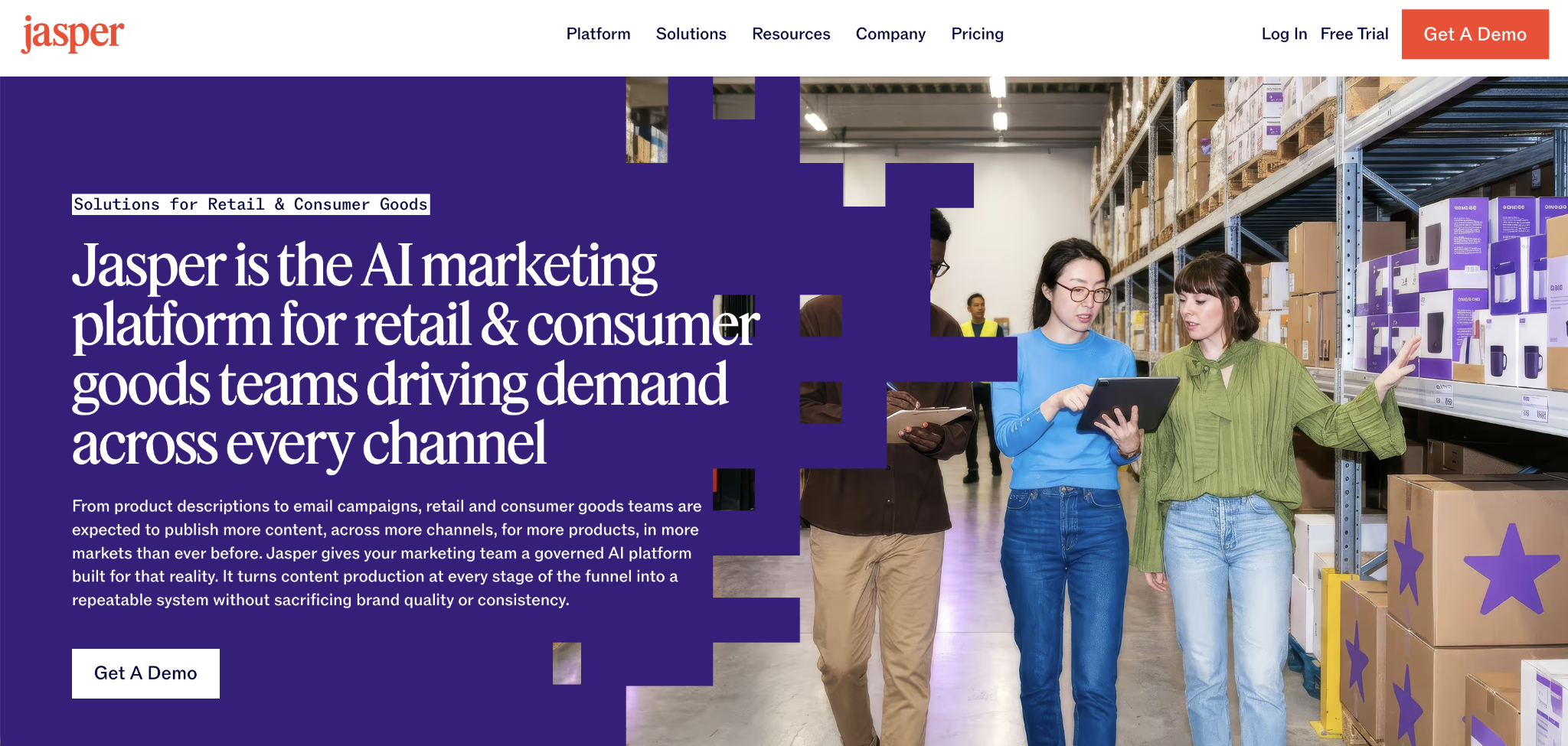
On the copywriting front, generating hundreds or thousands of unique product descriptions can quickly become an operational bottleneck. Enterprise-grade writing assistants, such as Jasper, address this issue by leveraging centralized brand voices and detailed style guides. By loading product specifications into a knowledge base, marketing teams can deploy specialized agents to draft compelling listing copy tailored to specific sales channels. While these content tools require merchants to manually publish the final text to their storefront platforms, they significantly reduce the time required to maintain consistent brand messaging across massive inventories.
Personalization, Discovery, and Revenue Optimization
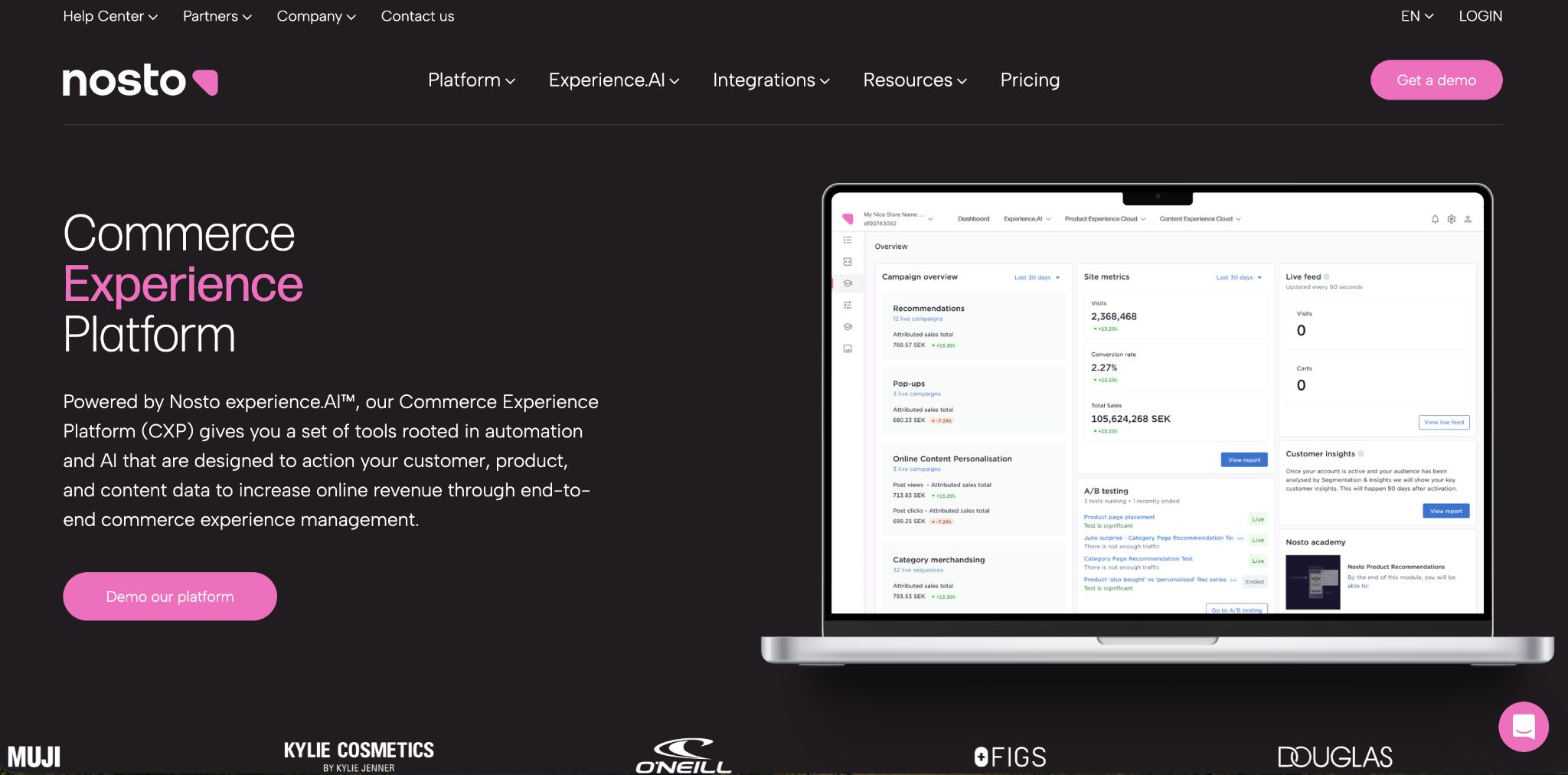
Once a store is operational and attracting traffic, maximizing the value of each visitor becomes a primary objective. Advanced personalization engines and discovery platforms play a pivotal role in tailoring the digital storefront to individual consumer preferences. Mid-market and enterprise brands frequently utilize platforms like Nosto to dynamically adjust product recommendations, search results, and storefront layouts based on real-time browsing and purchasing patterns. Because these machine-learning algorithms rely heavily on traffic volume to discern meaningful behavioral patterns, they are particularly valuable for larger merchants with substantial visitor data.
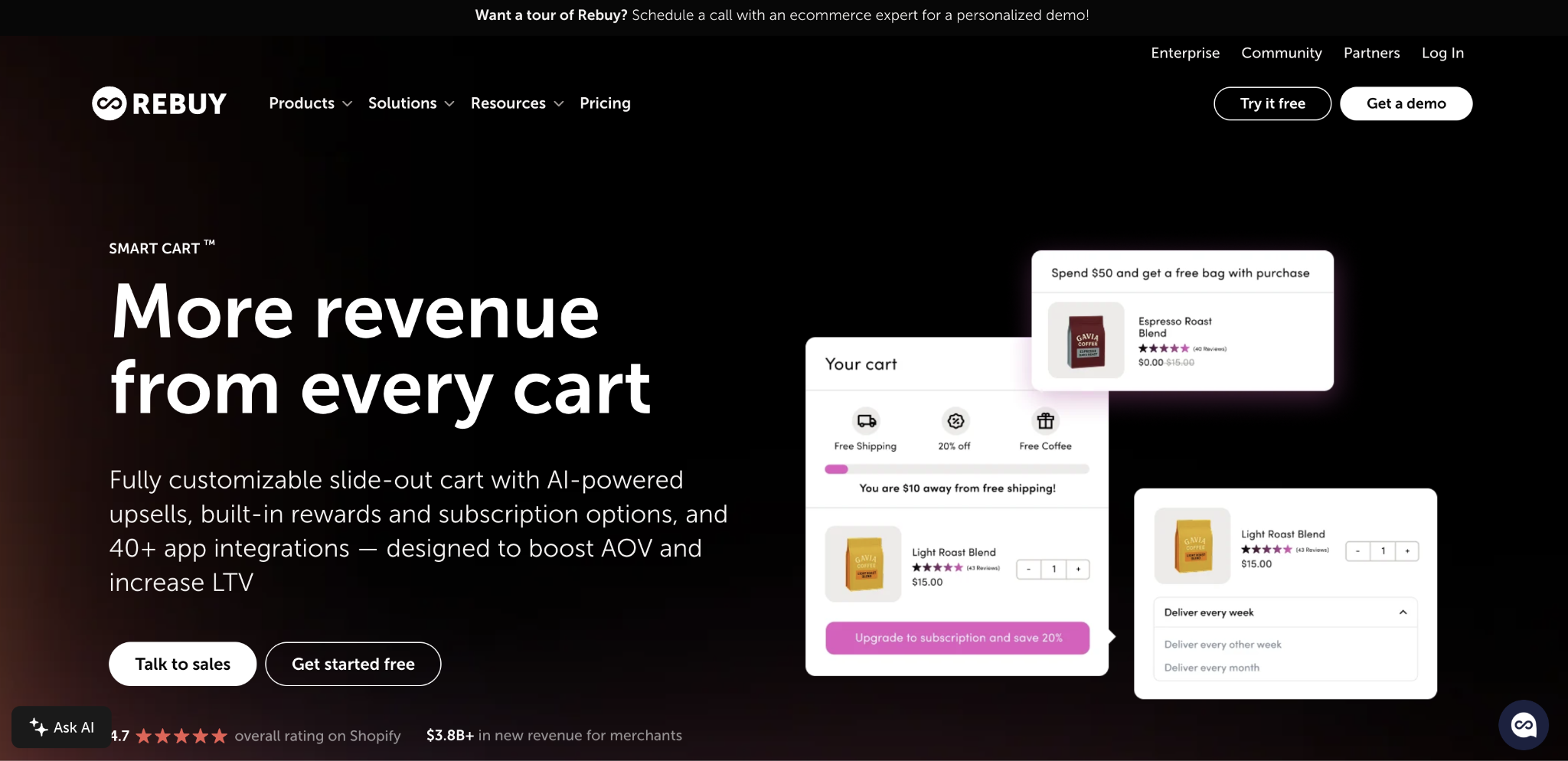
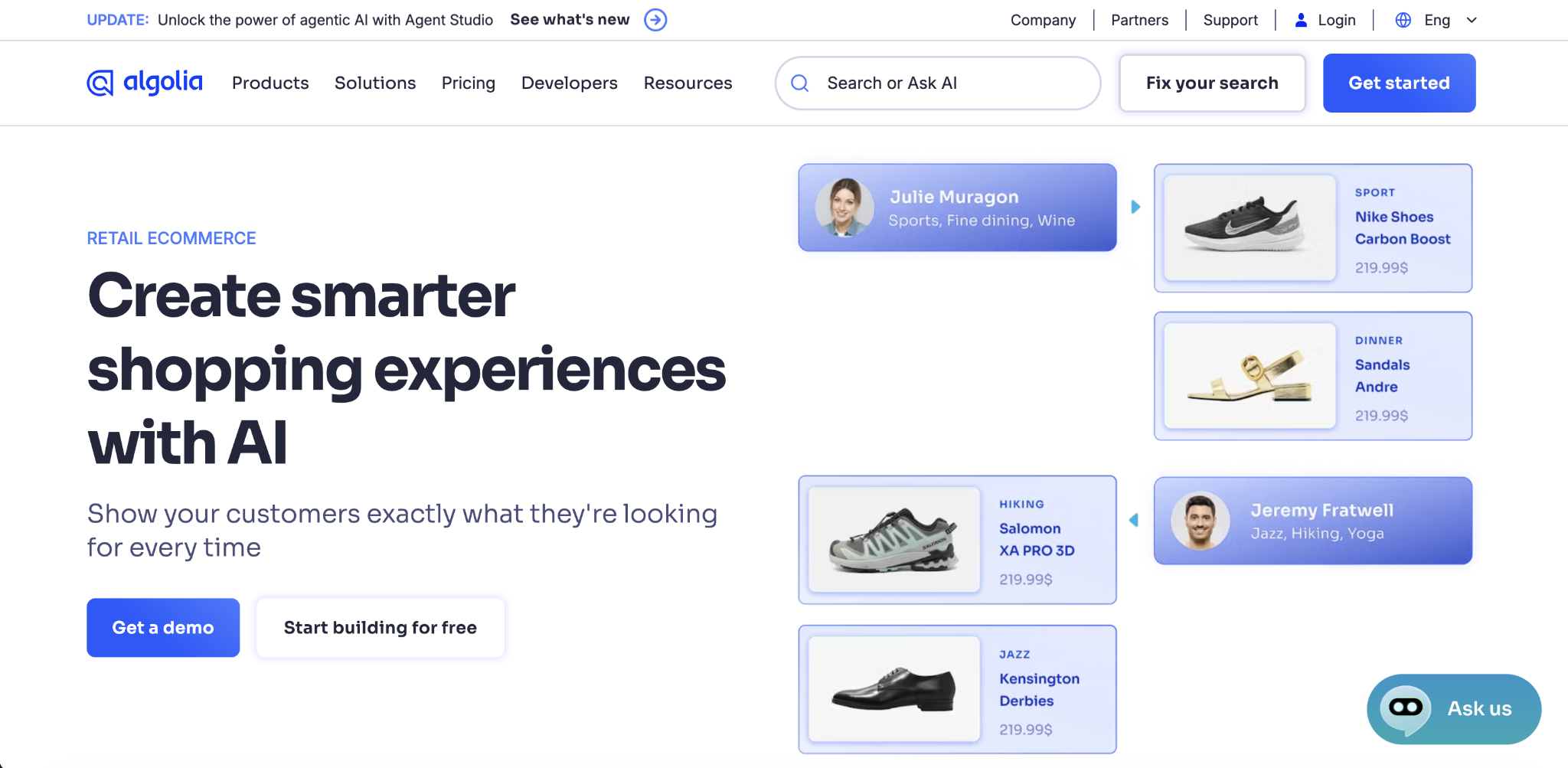
In tandem with broad storefront personalization, specialized cart-optimization platforms focus heavily on increasing average order values during the final stages of a transaction. Solutions designed for Shopify ecosystems, such as Rebuy, leverage predictive algorithms to introduce intelligent upsells, cross-sells, and cart modifications at the precise moment of purchase. For retailers dealing with extensive product selections where traditional search functions often fail, discovery engines like Algolia provide sophisticated search capabilities that account for typos, synonyms, and nuanced consumer queries, ensuring shoppers are swiftly directed to the items they desire rather than abandoning the site.
Email Marketing, Customer Support, and Operational Analytics
Retention marketing and customer support represent two of the most resource-intensive aspects of managing an online retail business. To maintain customer loyalty without inflating staffing costs, merchants are increasingly adopting intelligent automation platforms for email and retention campaigns. While established solutions like Klaviyo offer deep customer behavior analysis and predictive capabilities suitable for fast-growing brands, platforms like Omnisend provide streamlined, ready-made automation workflows designed for smaller store owners who handle marketing independently and require rapid setup for cart recovery and win-back campaigns.
Customer service operations have similarly experienced a technological shift through automated support agents. Platforms such as Gorgias integrate directly with store data to autonomously handle repetitive inquiries regarding order statuses, return policies, and tracking links, seamlessly transferring complex conversations to human representatives when necessary. For pre-purchase assistance, interactive chat assistants like Tidio Lyro engage undecided shoppers, answering product questions and guiding them toward a completed transaction by directly interacting with the store’s inventory catalog.
Finally, managing the broader financial and logistical health of an ecommerce business requires consolidated data analysis and predictive inventory planning. Multi-channel analytics platforms like Triple Whale aggregate performance data from various advertising networks, providing merchants with a unified dashboard to evaluate return on ad spend across platforms like Google, Meta, and TikTok. Complementing these marketing insights, specialized inventory forecasting systems such as Prediko analyze historical sales data to predict future demand, helping Shopify merchants mitigate the financial risks associated with sudden stockouts or excess inventory accumulation.

As the ecommerce sector moves further into 2026, industry experts emphasize that merchants do not need to adopt every available technology simultaneously. Instead, business owners are advised to identify the specific workflows consuming the most time or capital, test targeted solutions against their unique store data, and incrementally adopt new tools as their operational needs and sales volumes expand.
Leave a Reply