
Dateline: October 15, 2026 — By Alma F.

The landscape of online retail is undergoing a profound shift as businesses increasingly integrate artificial intelligence into their digital marketing strategies. Designed to process vast amounts of customer, product, and campaign data, modern AI systems are helping online stores attract shoppers, drive sales, and improve customer retention with unprecedented precision. Industry observers note that while these technologies offer powerful capabilities, maintaining rigorous human oversight remains critical to avoiding costly missteps.

At its core, artificial intelligence in e-commerce marketing functions by identifying behavioral patterns across digital touchpoints. By analyzing how individuals browse product catalogs, complete purchases, and interact with promotional materials, AI tools can dynamically recommend products, refine advertising campaigns, generate draft content, and flag early warning signs when shoppers begin to lose interest. Platforms ranging from boutique online storefronts built on solutions like Hostinger Ecommerce to global operations utilizing Shopify and WooCommerce are deploying these capabilities to streamline daily operations.
Industry data underscores the growing adoption of these technologies across the digital marketing sector. Recent metrics indicate that a significant majority of marketing professionals rely on AI tools to accelerate the creation of first drafts, while others leverage automated systems to optimize existing content. Furthermore, retail research demonstrates that when shoppers actively engage with AI-driven product recommendations, those suggestions can account for nearly a third of total e-commerce revenue.
Despite the efficiencies introduced by automation, experts emphasize that artificial intelligence operates strictly within the parameters of the data and rules provided by human operators. Consequently, inaccurate underlying records or unchecked automated workflows can rapidly cascade into flawed content, irrelevant consumer recommendations, or wasted advertising expenditures.
What is AI in E-commerce Marketing?
The modern e-commerce tech stack incorporates a diverse array of artificial intelligence tools, including sophisticated product recommendation engines, automated ad optimization platforms, content generation software, and interactive shopping assistants. These applications evaluate historical customer data to forecast purchasing preferences, draft marketing copy, and resolve routine shopper inquiries in real time.
Consider a specialized home decor retailer launching a seasonal collection. The store can utilize browsing history to serve relevant product suggestions, automatically generate multiple variations of promotional advertisements tailored to different demographics, and identify customer segments whose purchasing frequency has declined. In this dynamic, the artificial intelligence handles the labor-intensive pattern recognition and repetitive execution, while the human marketer defines overarching strategic goals and approves final actions.
Core Applications in Digital Retail
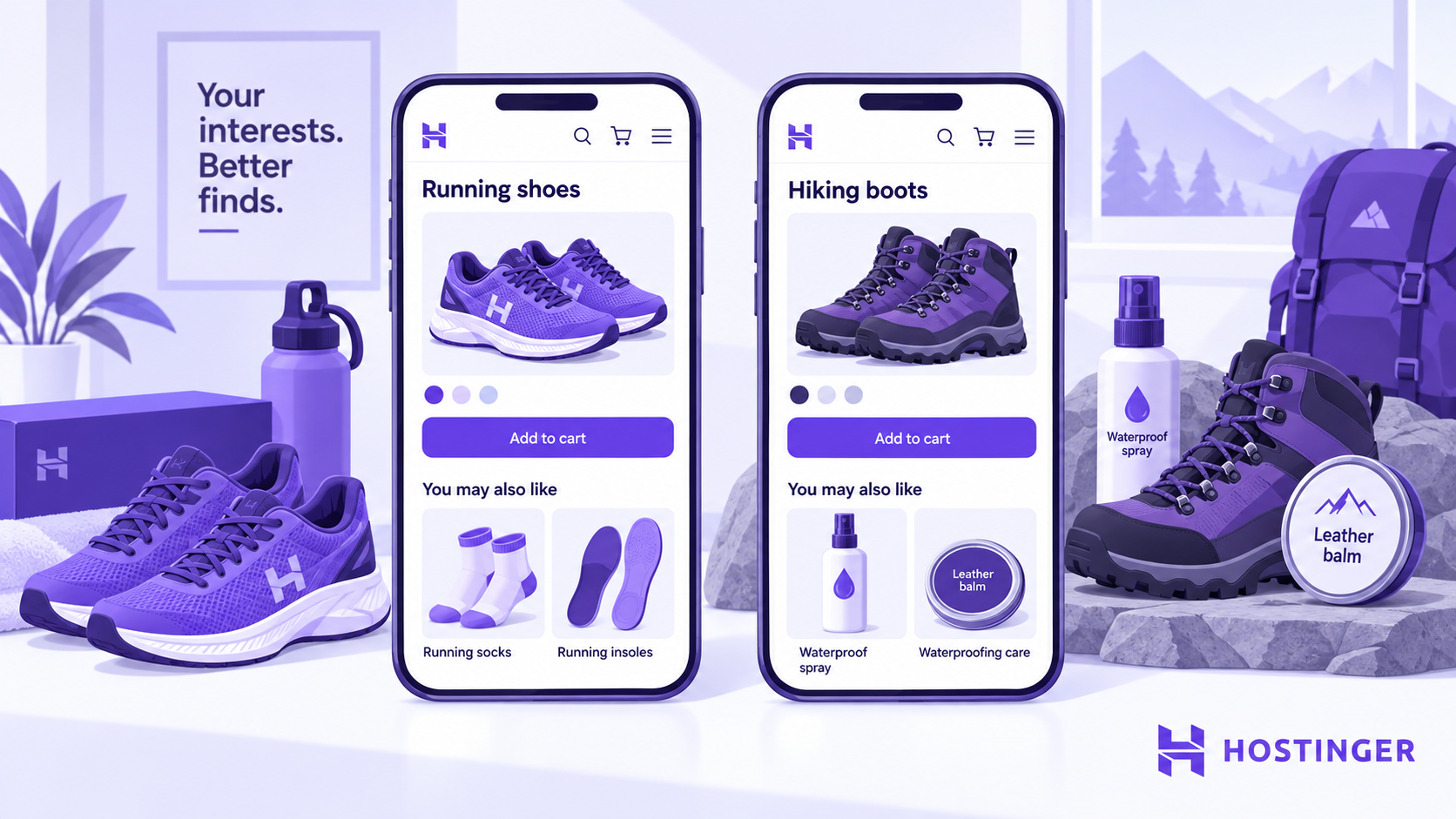
Retailers currently deploy artificial intelligence across several distinct operational domains, beginning with the personalization of product recommendations. By evaluating real-time browsing paths, active shopping carts, and past purchase histories, platforms can display items that align closely with an individual consumer’s demonstrated interests. For example, a shopper examining running shoes might be presented with specialized athletic socks or supportive insoles, whereas an individual browsing heavy-duty hiking boots would instead encounter waterproofing treatments and protective care kits.

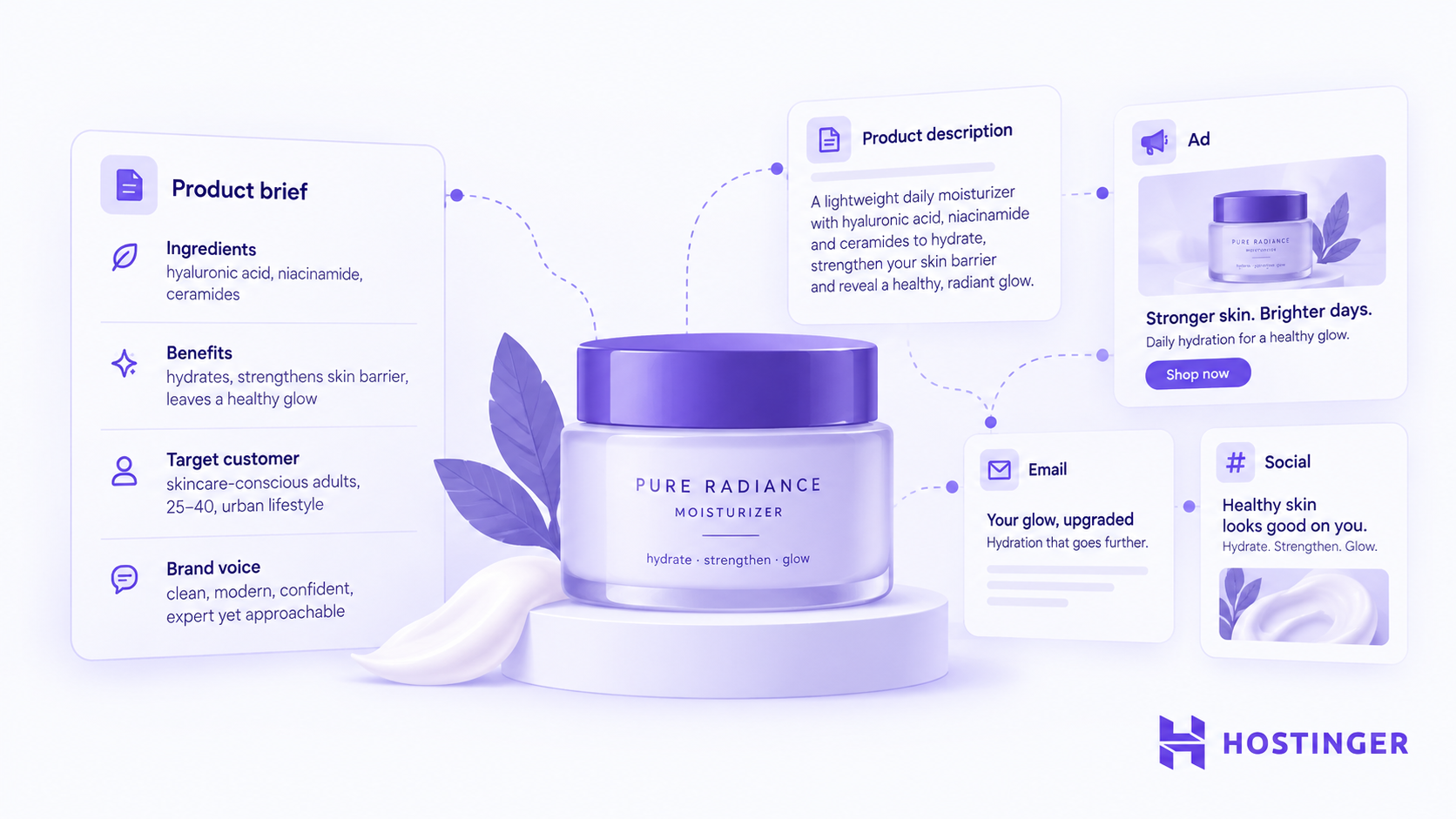
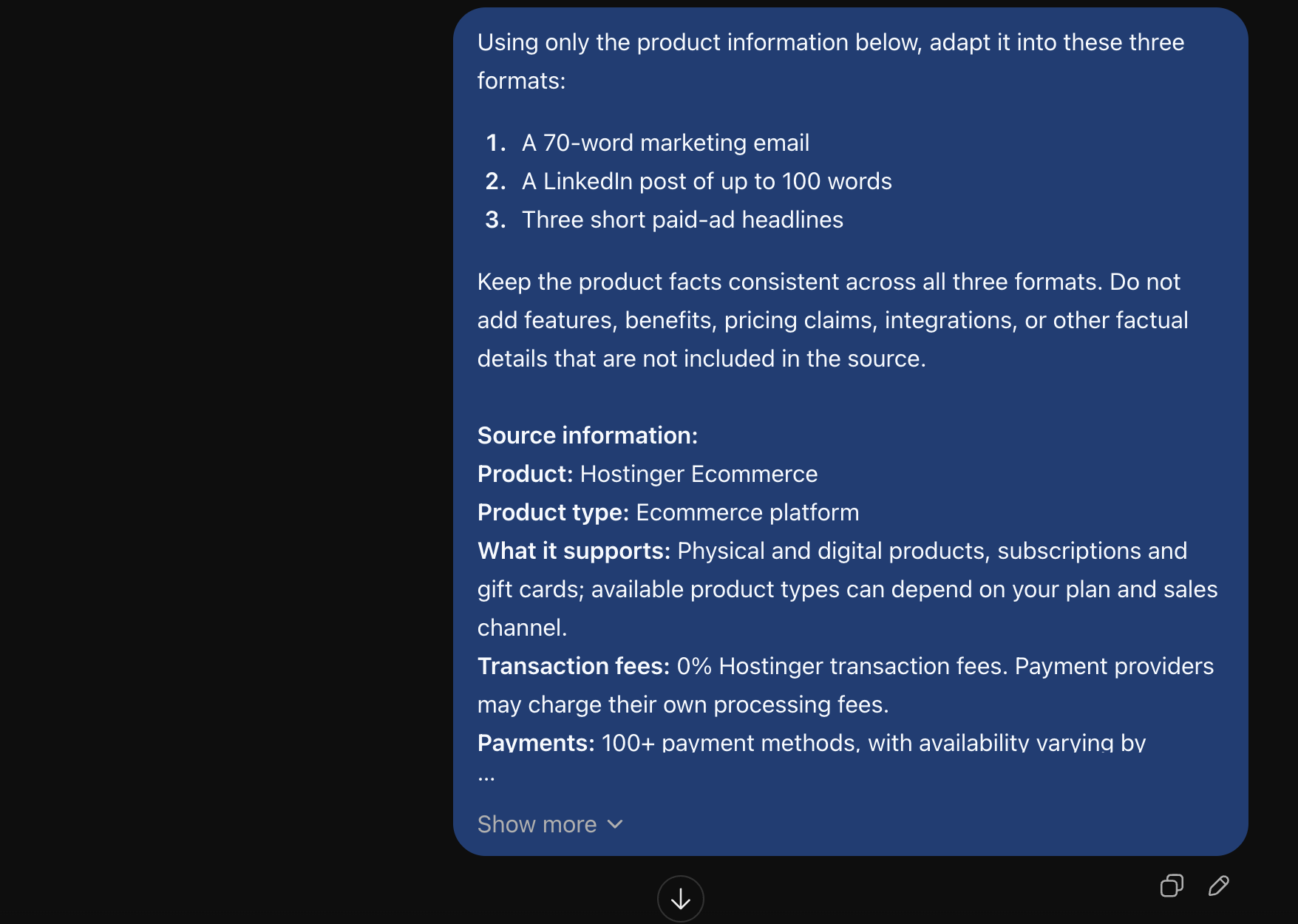
Content creation and adaptation represent another major area of utilization. Marketers can supply an AI content generator with verified product specifications, ingredient lists, brand guidelines, and target audience profiles. The system can then draft synchronized product descriptions, advertising copy variants, email subject lines, and social media captions derived from that single verified source. Professional standards, however, dictate that all generated material must undergo thorough human review to verify product facts, pricing, pricing guarantees, and performance claims before publication.
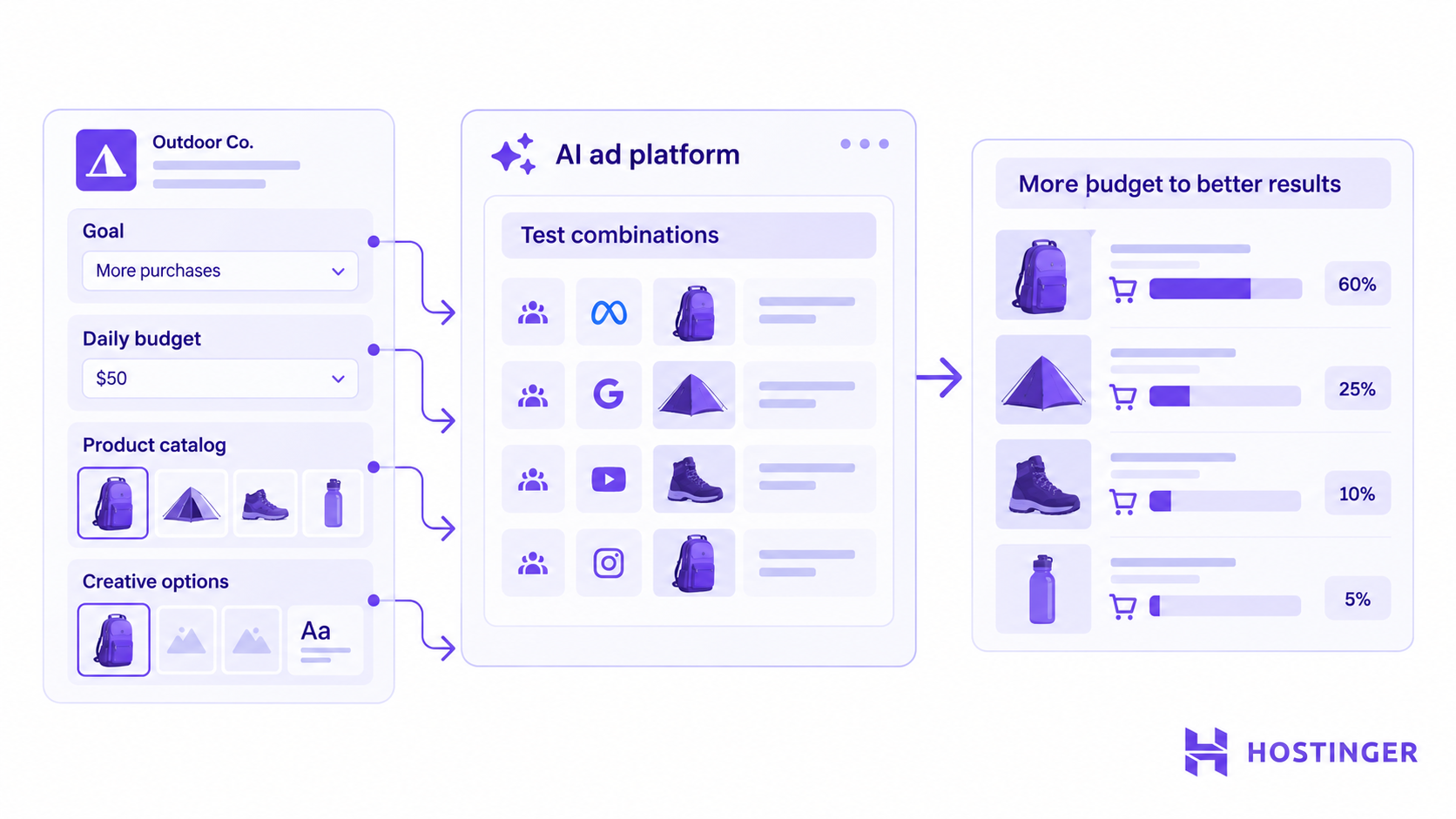
Paid advertising optimization has similarly evolved through machine learning. Modern advertising platforms utilize automated systems to dynamically adjust target audiences, creative placements, and bidding strategies based on real-time campaign performance. By feeding a product catalog, visual assets, and a daily budget into platforms equipped with automated delivery mechanisms, retailers allow the underlying algorithms to test numerous creative combinations and allocate spending toward the highest-performing configurations.
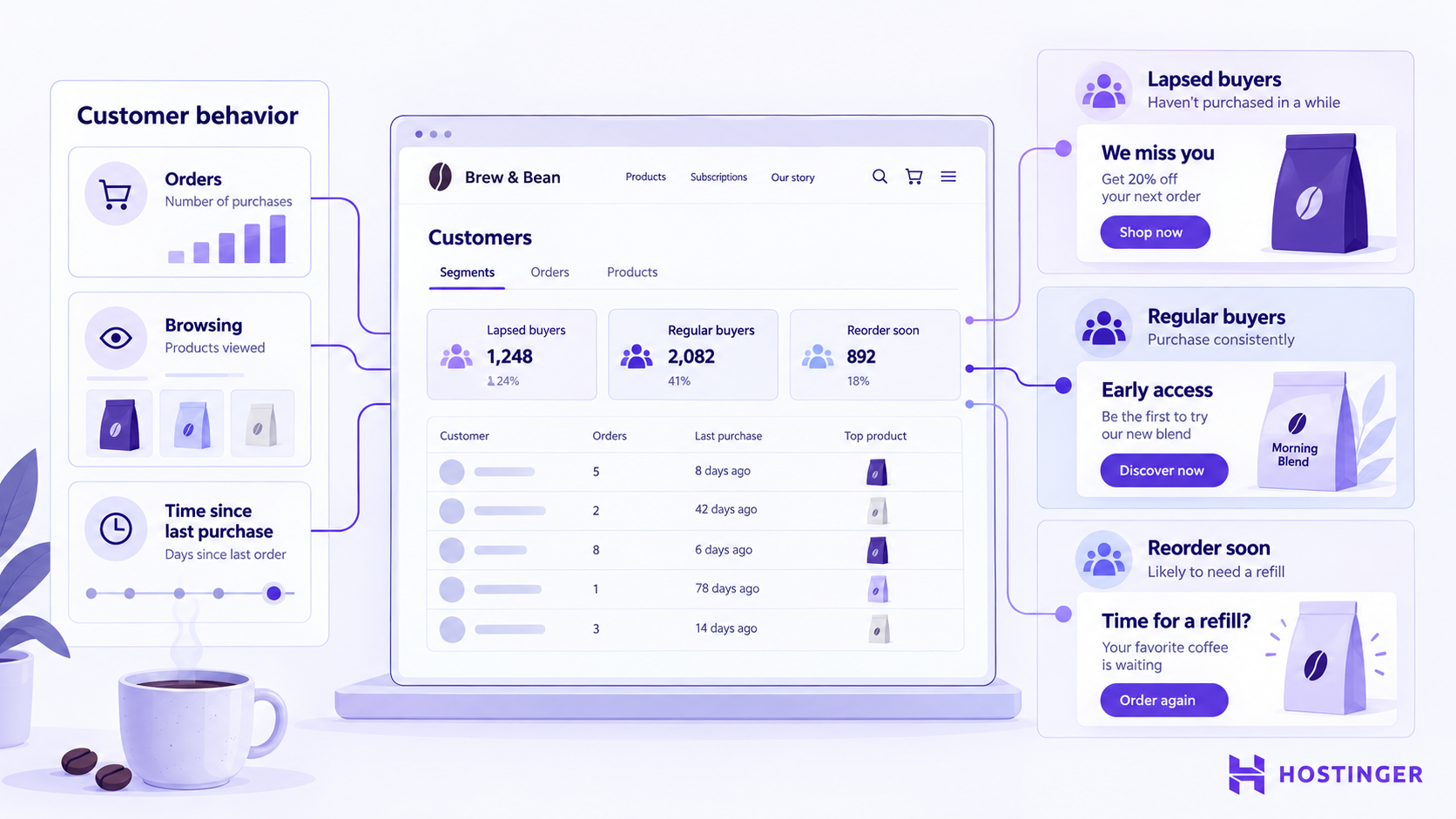
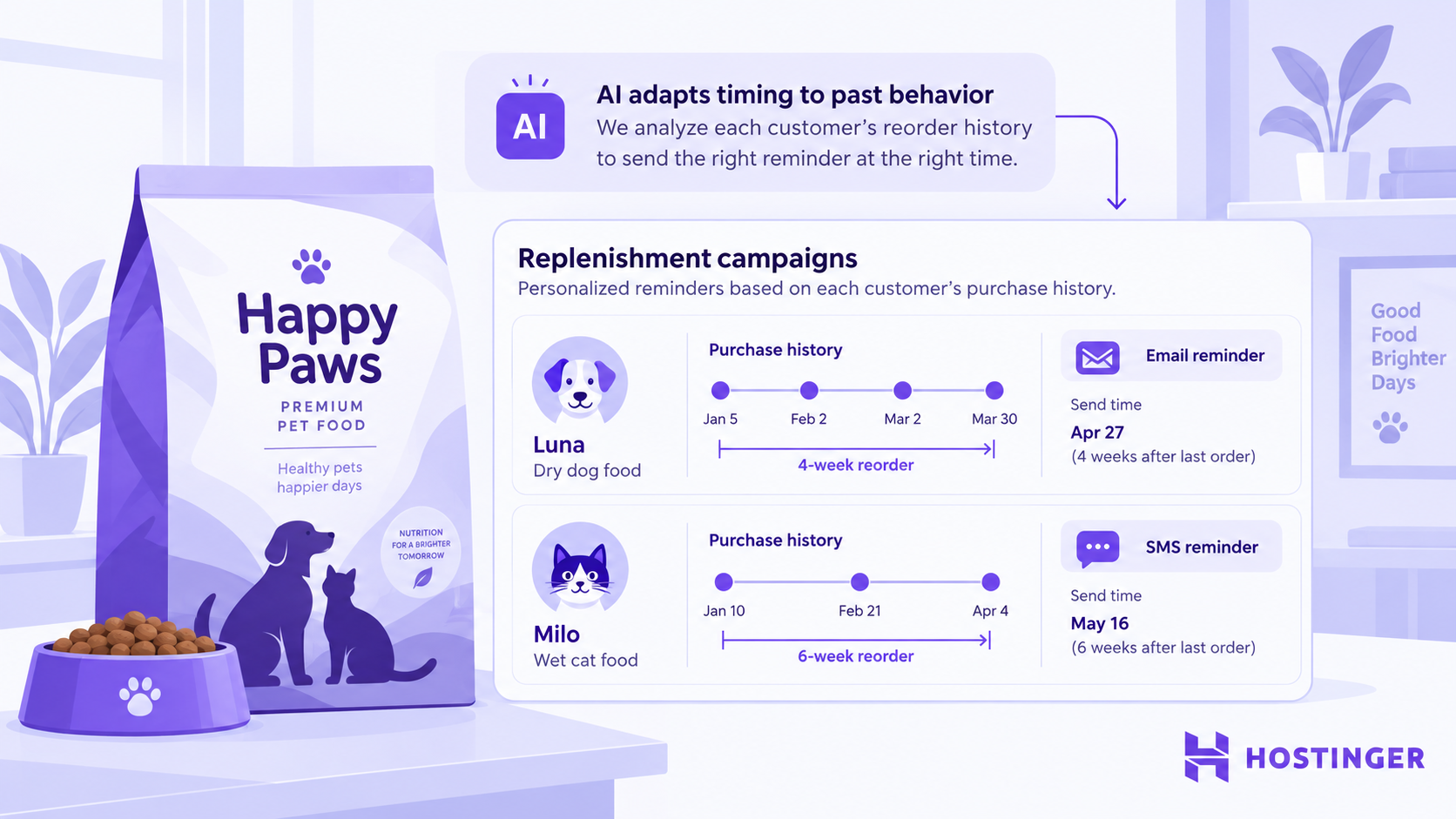
Customer segmentation and lifecycle marketing have also benefited from advanced data processing. AI systems group consumers into distinct behavioral cohorts based on purchasing habits and platform engagement, allowing brands to tailor their messaging accordingly. Email and SMS marketing campaigns can be timed to match individual reorder cycles rather than relying on generalized broadcast schedules, ensuring that reminder messages arrive when a consumer is statistically most likely to need replenishment.
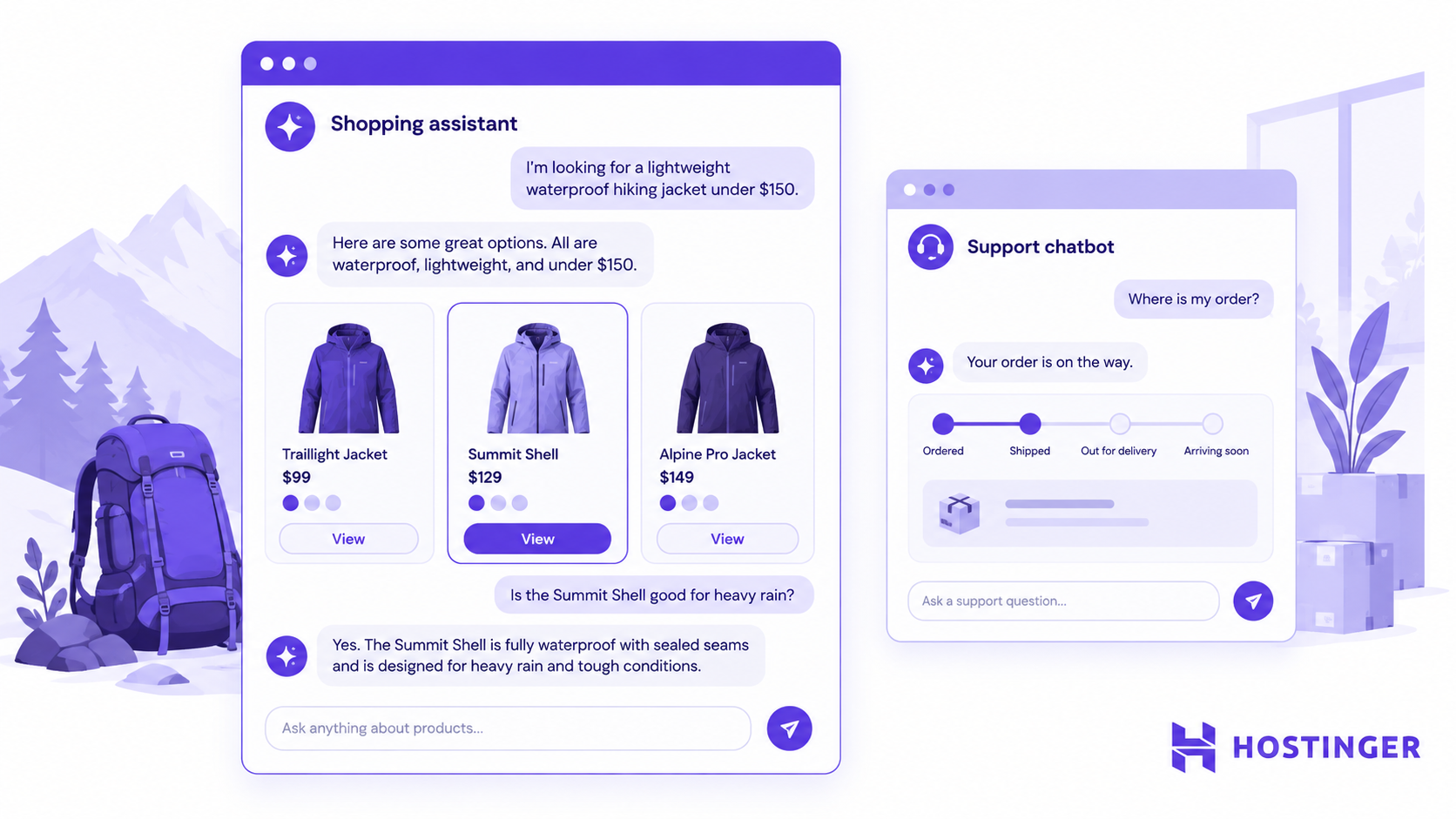
Conversational commerce has introduced new ways for shoppers to interact with online storefronts. Rather than navigating rigid filter menus, consumers can articulate their preferences using natural language. A shopper searching for apparel can describe specific functional requirements, price limits, and aesthetic preferences, prompting an intelligent assistant to compare qualifying products and explain key differences.
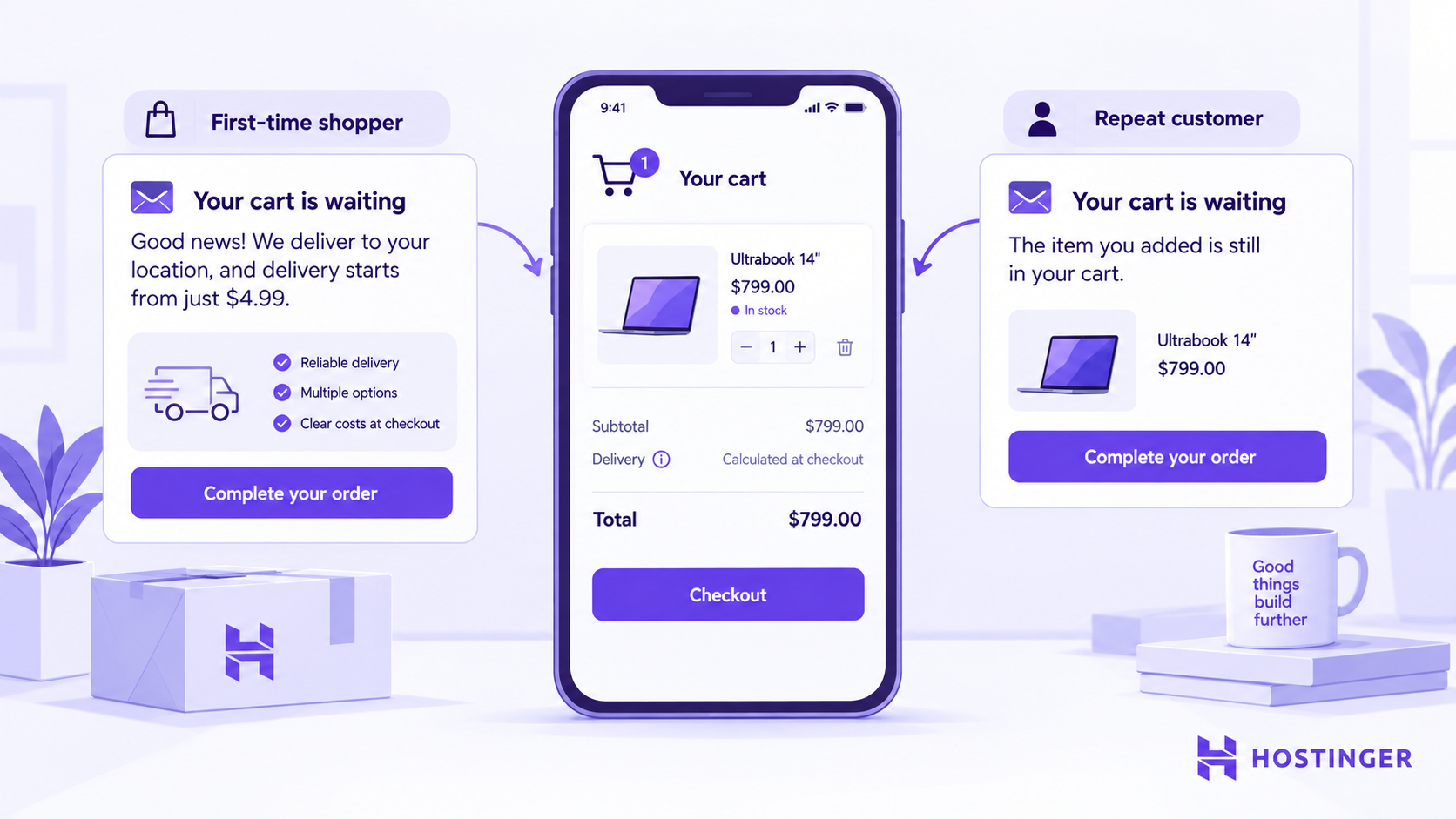
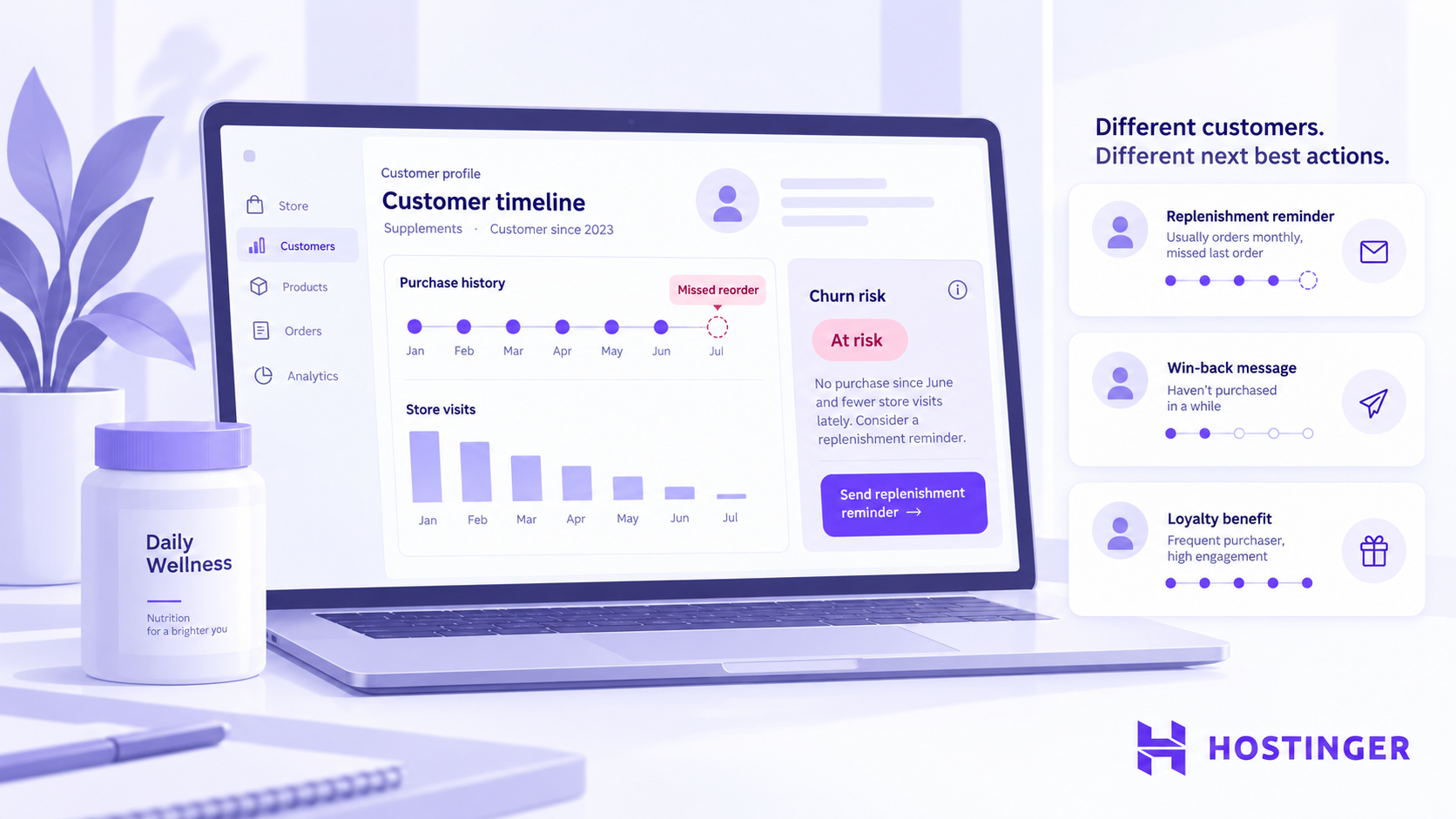
Additionally, retailers deploy predictive analytics to recover abandoned shopping carts and mitigate customer churn. By recognizing subtle shifts in behavior—such as missed reorder dates, decreased site visits, and reduced email engagement—systems can flag accounts at risk of becoming inactive. Marketers can then intervene with targeted retention campaigns designed to re-engage the customer before they abandon the brand entirely.
Managing Limitations and Operational Risks
While artificial intelligence offers substantial operational advantages, industry analysts stress the importance of recognizing its inherent limitations and risks. The primary vulnerabilities associated with automated marketing stem from data quality issues, potential inaccuracies in AI-generated outputs, customer data privacy concerns, and overreliance on unattended automation.
Duplicate or missing transaction records can provide algorithms with a distorted perspective of consumer behavior, degrading the reliability of automated recommendations. Similarly, generative systems can occasionally fabricate unsupported product claims if not strictly tethered to verified source material. Furthermore, unmonitored automated campaigns risk continuing to spend capital or distribute discounts long after underlying business rules have expired.
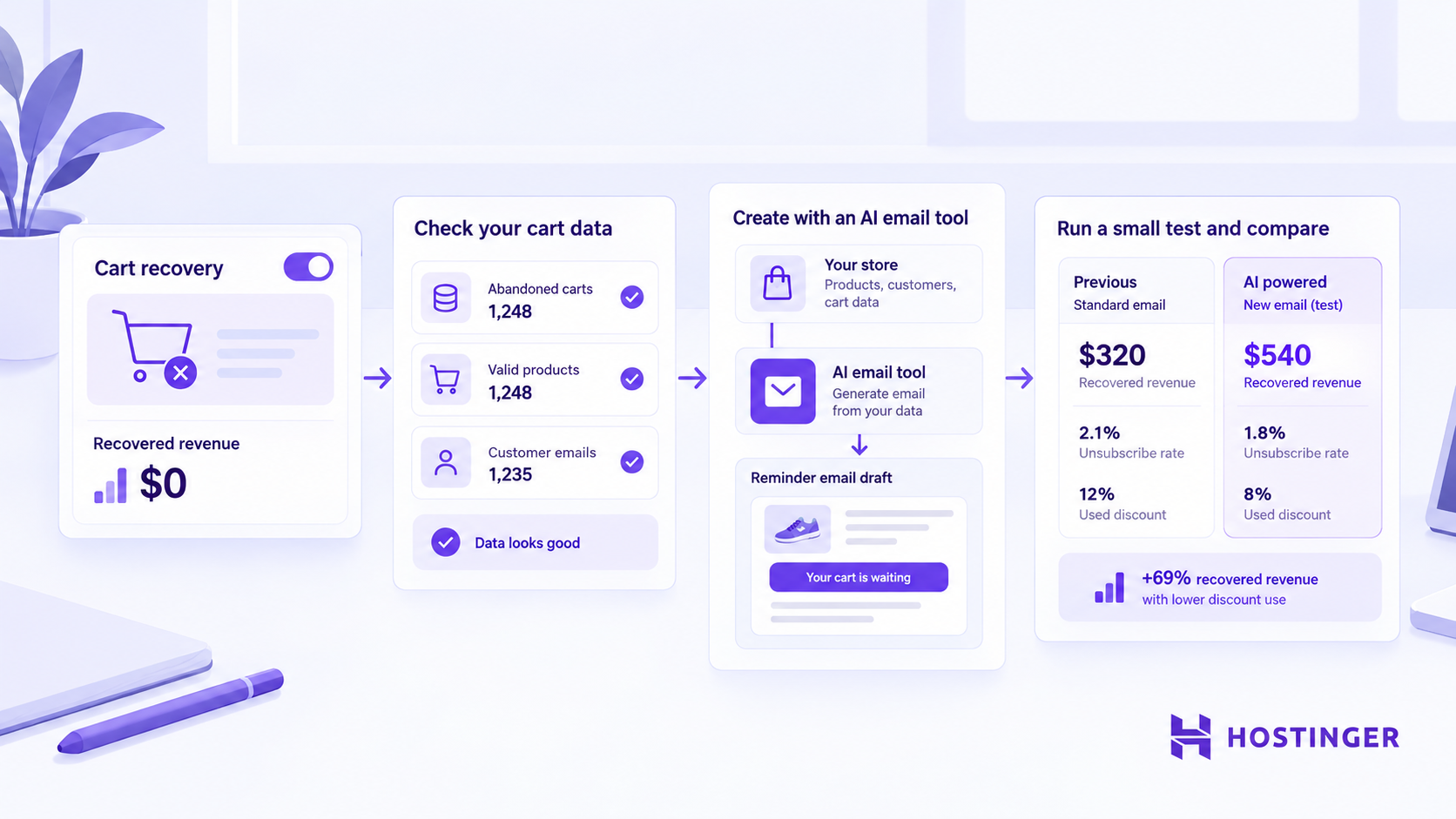
To mitigate these risks, organizations are encouraged to enforce strict data hygiene practices, limit the sharing of sensitive consumer information with unauthorized third-party platforms, and establish hard caps on automated spending, discounts, and contact frequencies. By combining the processing power of artificial intelligence with diligent human supervision, online retailers aim to achieve greater marketing efficiency while preserving brand integrity and consumer trust.
Leave a Reply