
October 15, 2026
By Alma F.

The landscape of online retail is undergoing a profound shift as artificial intelligence increasingly integrates into digital marketing strategies. Across platforms like Shopify, WooCommerce, and Hostinger Ecommerce, digital merchants are leveraging advanced technologies to analyze customer behavior, target campaigns, and drive sales. However, industry experts emphasize that while artificial intelligence offers unprecedented efficiency, maintaining rigorous human oversight remains critical to avoiding costly missteps.

Modern ecommerce marketing relies heavily on customer, product, and campaign data to attract shoppers, boost conversion rates, and foster brand loyalty. Artificial intelligence algorithms comb through massive sets of data to identify patterns in how consumers browse, purchase, and interact with digital promotions. These insights allow stores to dynamically recommend products, optimize marketing campaigns, generate tailored content, and flag shoppers who may be losing interest.

Despite the advanced capabilities of these tools, specialists advise merchants to adopt a measured approach. Successfully deploying artificial intelligence typically begins with focusing on a single marketing task, ensuring that the underlying data source is reliable, and carefully measuring the resulting performance. Because unchecked automation and flawed data can lead to inaccurate content, irrelevant product recommendations, or wasted advertising spend, human review remains a non-negotiable component of digital retail strategies.
What is AI in Ecommerce Marketing?
Artificial intelligence in the digital retail sector encompasses a wide array of specialized tools, ranging from product recommendation engines and automated ad systems to generative text models and conversational shopping assistants. These systems function by continuously analyzing user behavior to predict buying preferences, generate marketing materials, and respond to consumer inquiries in real time.

For instance, a home decor retailer might use browsing history to suggest matching accessories, instantly generate multiple variations of a promotional ad for a new product line, or identify a drop-off in purchasing frequency among specific customer segments. In this dynamic, artificial intelligence handles the heavy lifting of pattern recognition and repetitive execution, while human marketers establish overarching goals and make final strategic decisions.
Key Applications in Modern Retail
Retailers currently apply artificial intelligence across several critical pillars of digital marketing, transforming how they interact with consumers at various stages of the buying journey.
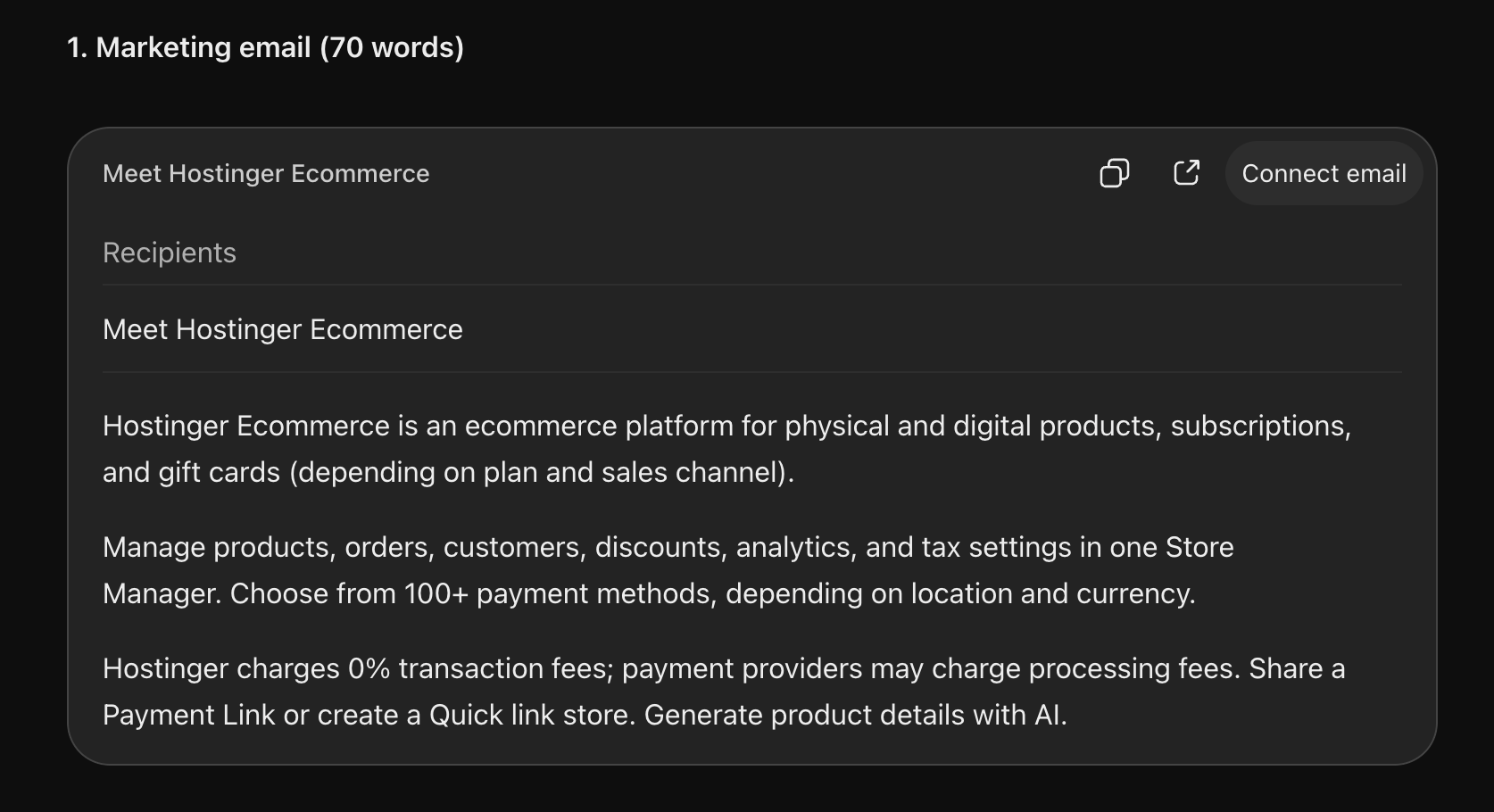
Personalizing product recommendations remains one of the most immediate and lucrative applications. By evaluating browsing paths, cart additions, and historical purchases, stores can present individual shoppers with items that directly match their interests. For example, a consumer viewing running shoes might be shown compatible socks or specialized insoles, while a shopper browsing hiking boots will see relevant waterproofing treatments. Industry research indicates that highly engaging product recommendations can account for a significant portion of total ecommerce revenue when utilized effectively. Retailers typically track conversion rates, average order values, and repeat purchase metrics to gauge the success of these personalized suggestions.
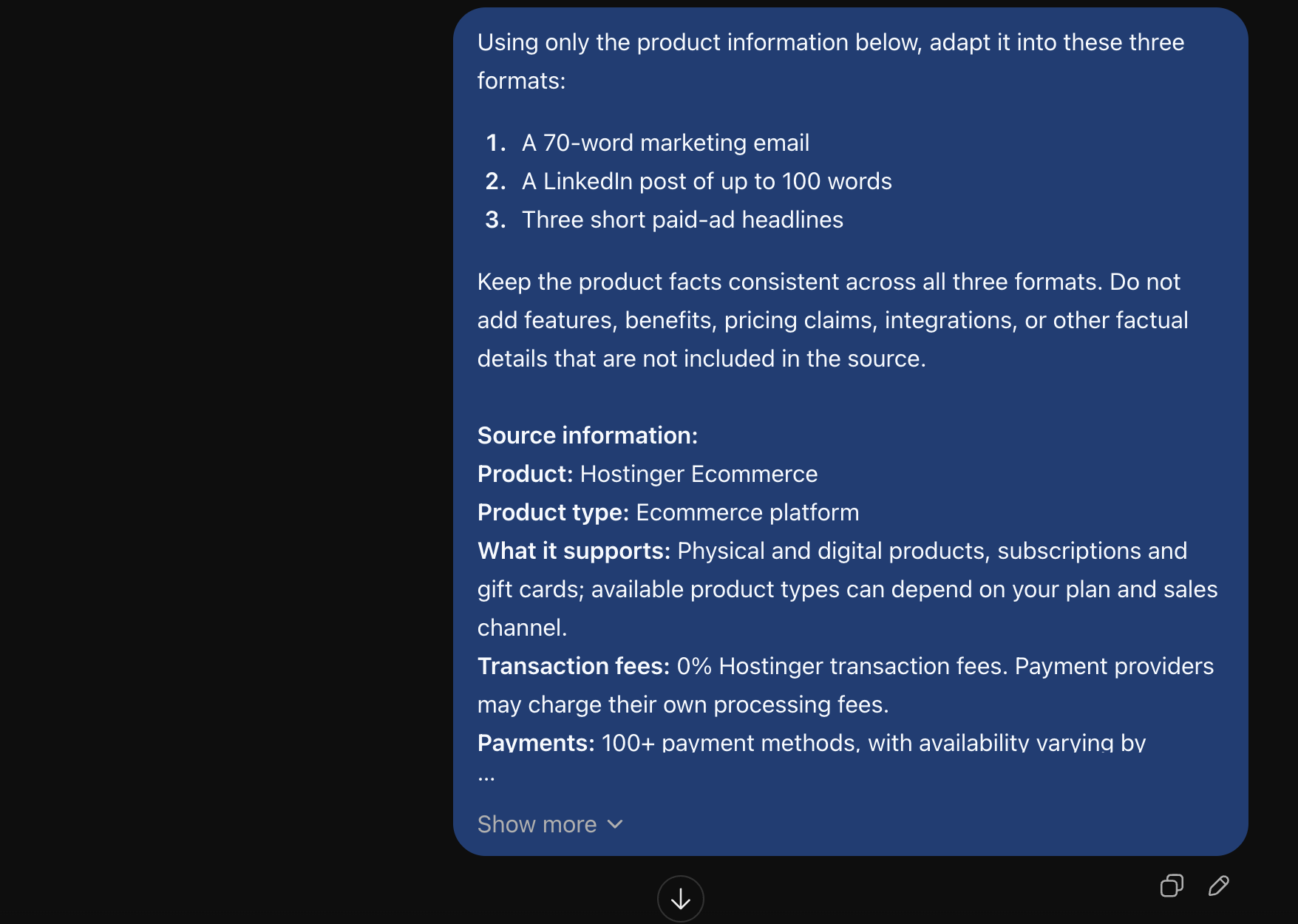
Content creation and adaptation have also evolved significantly. Marketers routinely utilize artificial intelligence tools to draft initial marketing copy, create ad variations, and adapt approved source material into distinct formats across multiple channels. Data indicates that a majority of marketing professionals rely on these technologies to streamline first drafts or optimize existing content. However, industry watchdogs stress that generated content must always be treated as a draft. Factual claims regarding product pricing, ingredients, materials, warranties, and performance must be rigorously verified against original product specifications before publishing.

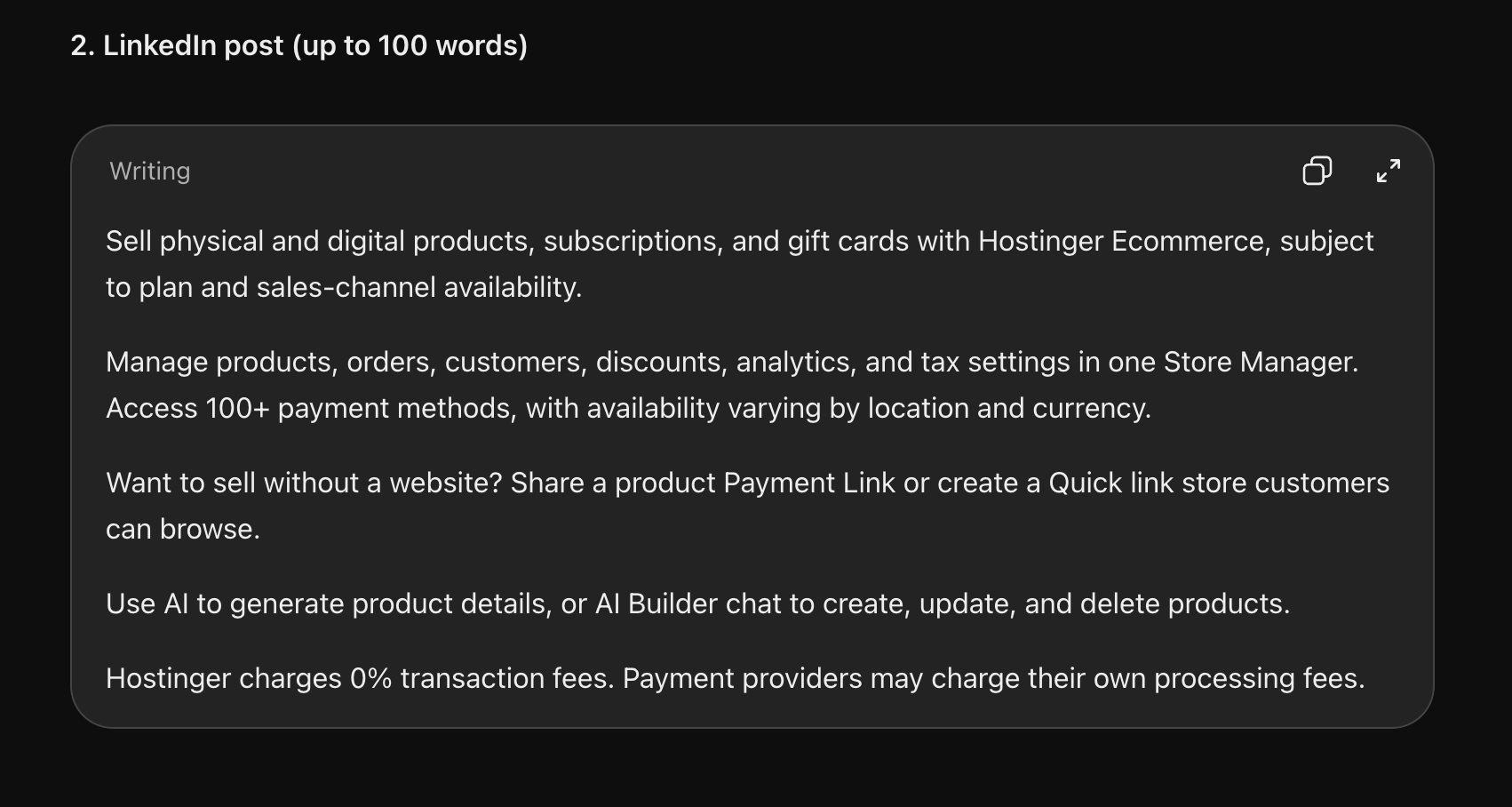
Paid advertising optimization represents another major area of adoption. Modern ad platforms use automated bidding and audience placement systems—such as Google Performance Max and Meta Advantage+—to adjust delivery based on real-time campaign goals and performance data. By testing various combinations of images, headlines, and target audiences, these platforms help merchants maximize their advertising budgets. Nevertheless, human supervisors retain control over core parameters, including overall budget allocation and accurate conversion tracking.
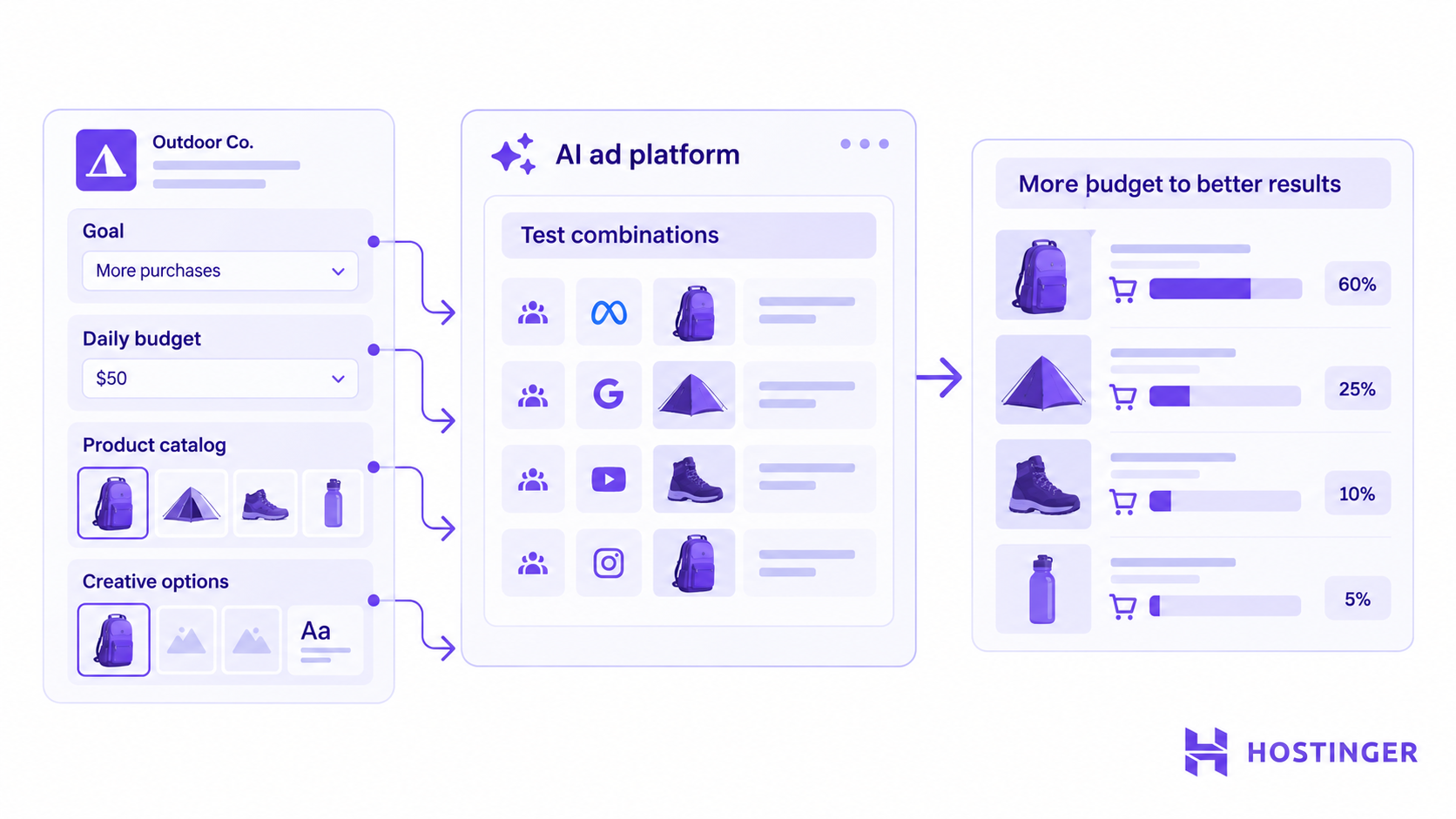
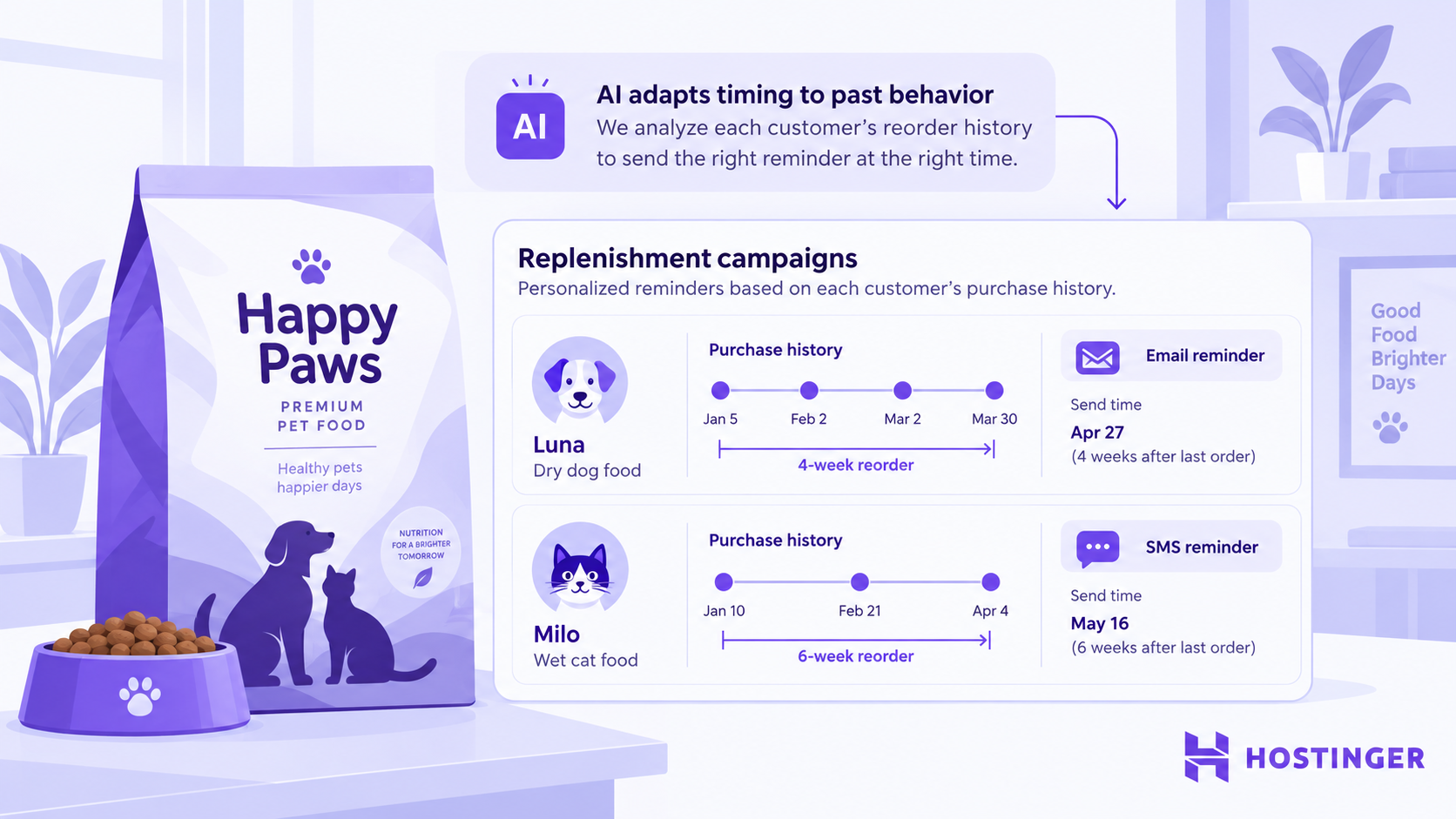
Customer segmentation and retention efforts have similarly benefited from predictive analytics. By grouping shoppers according to their specific behaviors and engagement levels, retailers can deliver targeted messaging that resonates with particular buyer profiles. Furthermore, predictive tools can identify early warning signs of churn—such as missed reorder dates, decreased site visits, and declining email engagement—allowing businesses to launch proactive retention campaigns before customers drift away permanently.
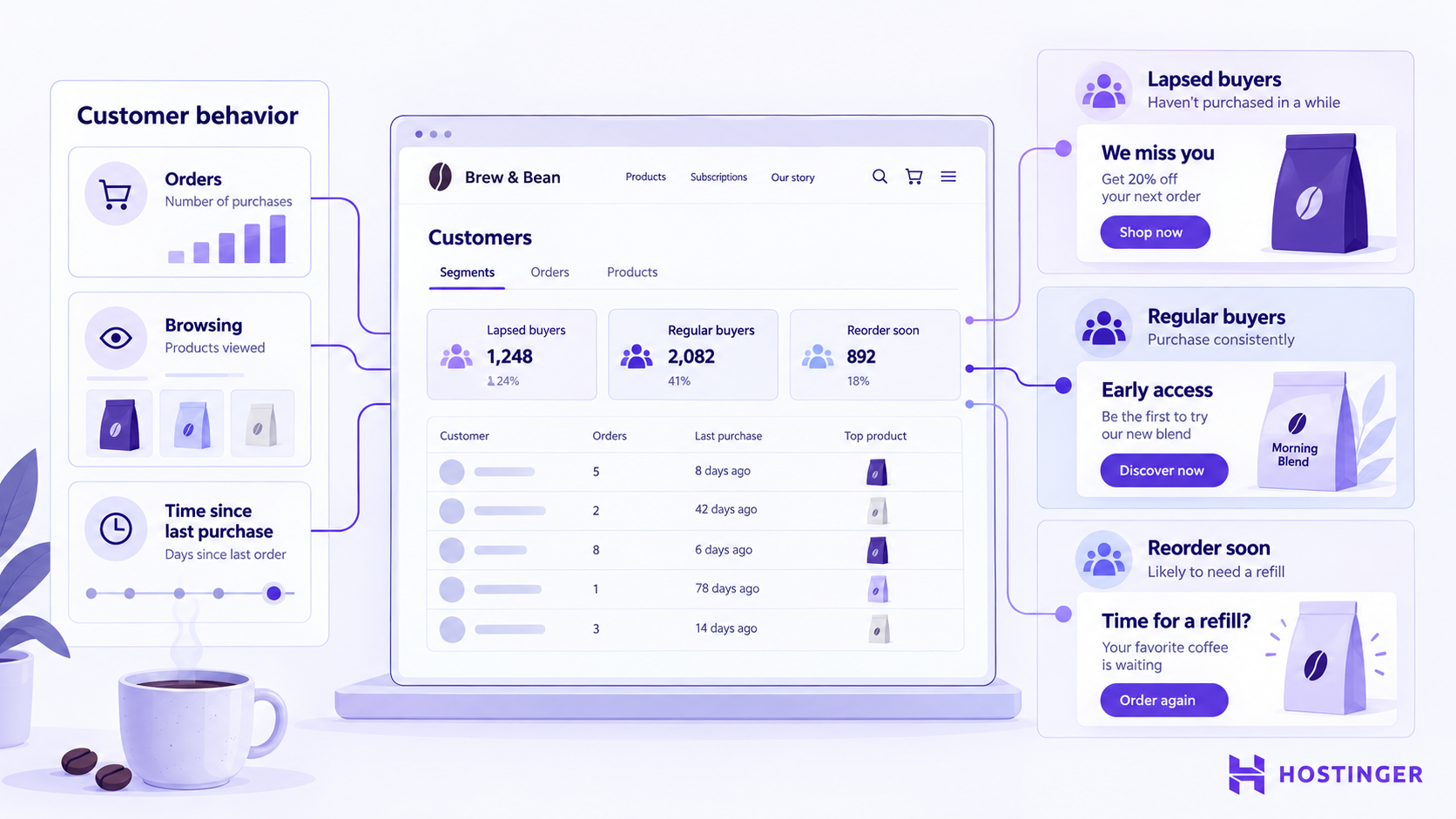
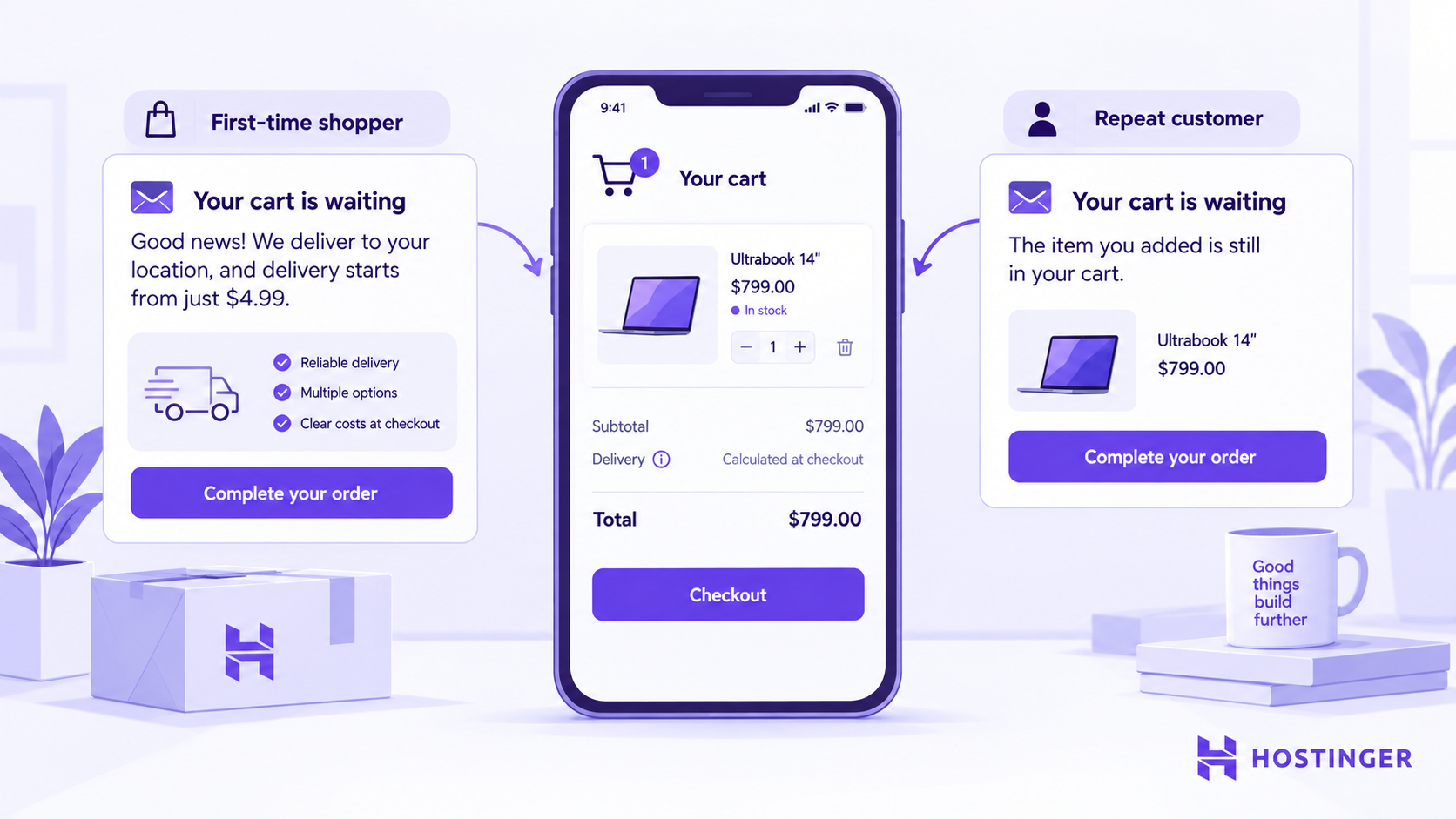
Conversational artificial intelligence and automated recovery sequences round out the primary use cases. Advanced shopping assistants allow consumers to describe their needs using natural language, enabling the system to narrow down product catalogs and explain the differences between options without forcing users through complex filter menus. Similarly, automated cart recovery systems tailor follow-up messages based on why a shopper may have abandoned their checkout, balancing helpful reminders with appropriate incentives.
Limitations and Risks
While the benefits of artificial intelligence in ecommerce are substantial, the technology carries notable limitations and risks. The primary danger stems from reliance on poor data quality. Duplicate or missing purchase records provide algorithms with a distorted picture of consumer behavior, rendering recommendations and campaign decisions unreliable.
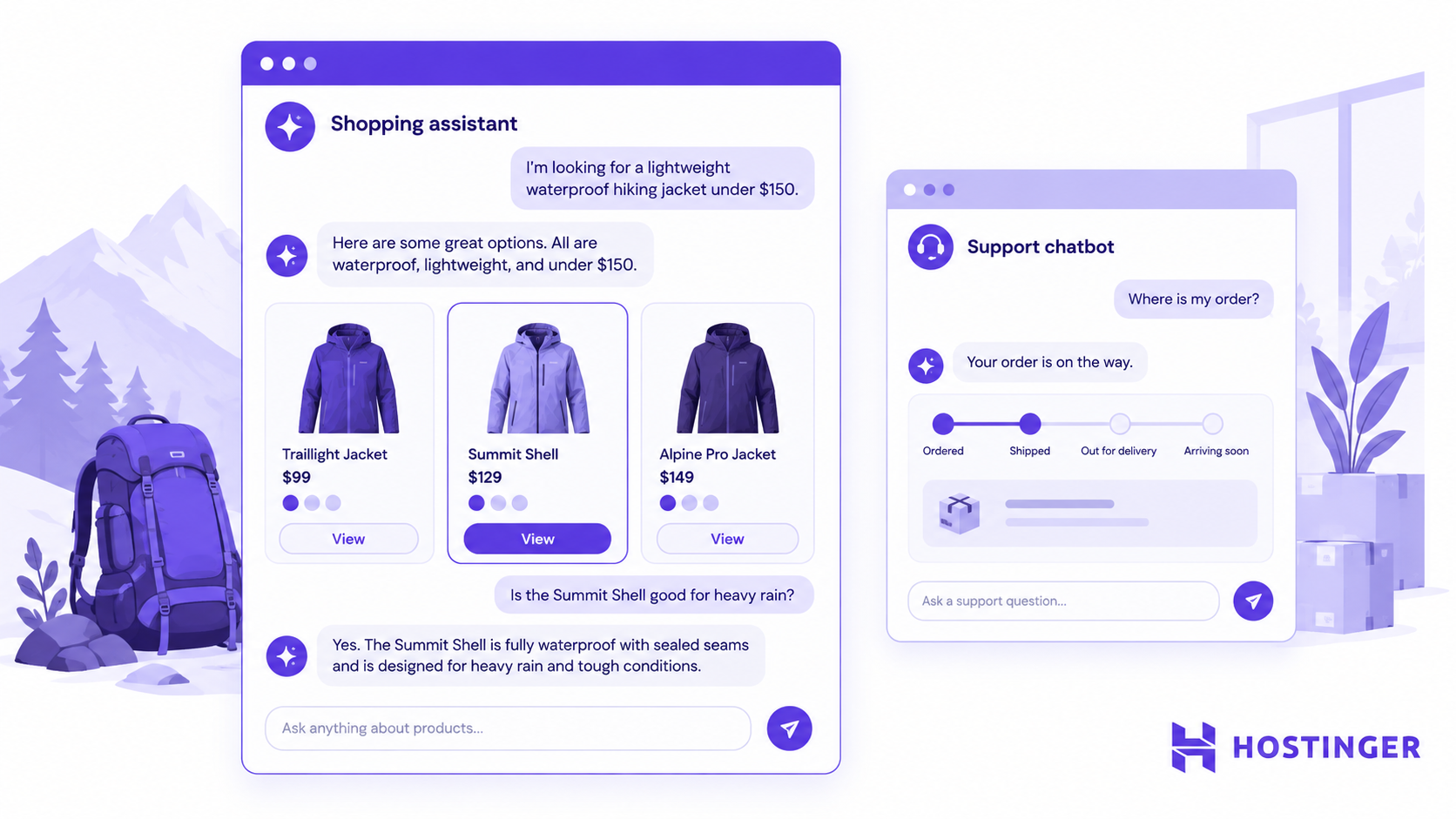
Inaccurate outputs, such as unsupported product claims generated by automated content tools, pose another significant risk that requires constant vigilance by human editors. Additionally, privacy concerns regarding customer data exposure necessitate strict oversight to ensure sensitive information is processed only through approved, secure service providers. Finally, overreliance on automation can lead to runaway spending or outdated campaign rules continuing to execute long after they have lost commercial relevance.
Experts advise merchants to begin their artificial intelligence journey cautiously by selecting one well-understood task, verifying the data behind it, choosing an appropriate tool, and testing the workflow on a small scale against established performance baselines. As automated workflows prove their reliability, businesses can gradually expand their use of intelligent systems to handle more complex operational tasks, ultimately measuring success by whether the technology saves time, improves performance, and preserves control over brand integrity and customer trust.
Leave a Reply