

The integration of artificial intelligence into online retail has evolved from a futuristic luxury into a fundamental operational requirement for modern merchants. According to industry analyses released in October 2026, store owners now have access to a sophisticated ecosystem of AI-driven platforms designed to streamline everything from initial store creation to post-purchase retention and inventory forecasting. Rather than relying on a patchwork of disconnected software, contemporary merchants are increasingly turning to specialized solutions that draw directly on live store data, including product catalogs, order histories, browsing behaviors, and customer support interactions.

Industry analysts note that selecting the right technological intervention depends heavily on identifying which operational bottleneck is draining the most time and resources. While some platforms specialize in the foundational launch phase of a business, others focus on automating administrative duties, personalizing consumer interactions, or managing complex supply chains. By leveraging deep contextual data, these systems are now capable of executing nuanced tasks such as recovering abandoned digital shopping carts, predicting precise inventory needs, accurately answering intricate order inquiries, and delivering hyper-relevant product recommendations in real time.

For entrepreneurs and businesses embarking on the journey of establishing a new online retail presence, comprehensive platforms offer a streamlined entry point. Solutions like the Hostinger AI Builder allow users to generate an entire storefront simply by inputting a basic business description. These all-in-one environments typically eliminate the traditional friction of piecing together separate hosting, website design, and ecommerce applications. By utilizing visual processing capabilities, such tools can transform basic product photographs into complete listings, complete with generated descriptions and suggested pricing configurations that support physical goods, digital assets, subscriptions, and gift cards alike.

Conversely, merchants operating within established ecosystems like Shopify often prefer native integrations that accelerate day-to-day administrative burdens without requiring external subscriptions. Built-in assistants such as Shopify Sidekick and Shopify Magic function directly within the merchant admin dashboard, assisting with tasks ranging from drafting product descriptions and editing visual assets to establishing discount parameters and analyzing performance metrics. While these native environments offer seamless convenience for platform loyalists, they generally remain confined to their respective ecosystems, lacking the cross-platform catalog consistency of standalone copywriting agents or the advanced predictive capabilities of specialized analytics software.

When scaling a retail operation, maintaining visual consistency across large inventories presents a persistent challenge for digital marketers. Specialized visual editing platforms, such as Photoroom, address this hurdle by automating the standardization of product photography at scale. By effortlessly removing distracting backgrounds, placing items onto cohesive backdrops, and dynamically resizing images for various sales channels, these systems ensure that catalogs maintain a professional studio aesthetic even when individual photographs are captured under disparate lighting conditions and environments. This automated visual uniformity becomes increasingly critical as product inventories expand and manual editing grows commercially unviable.

Similarly, textual consistency across hundreds or thousands of product listings requires sophisticated content generation tools. Platforms like Jasper utilize customized brand voices and centralized knowledge bases to draft product descriptions that align seamlessly across multiple marketplaces and digital channels. By ingesting product specifications and style guidelines, these content agents produce tailored copy that prevents descriptions from sounding generic, though merchants must still manually transfer the finalized text into their respective store hosting platforms.

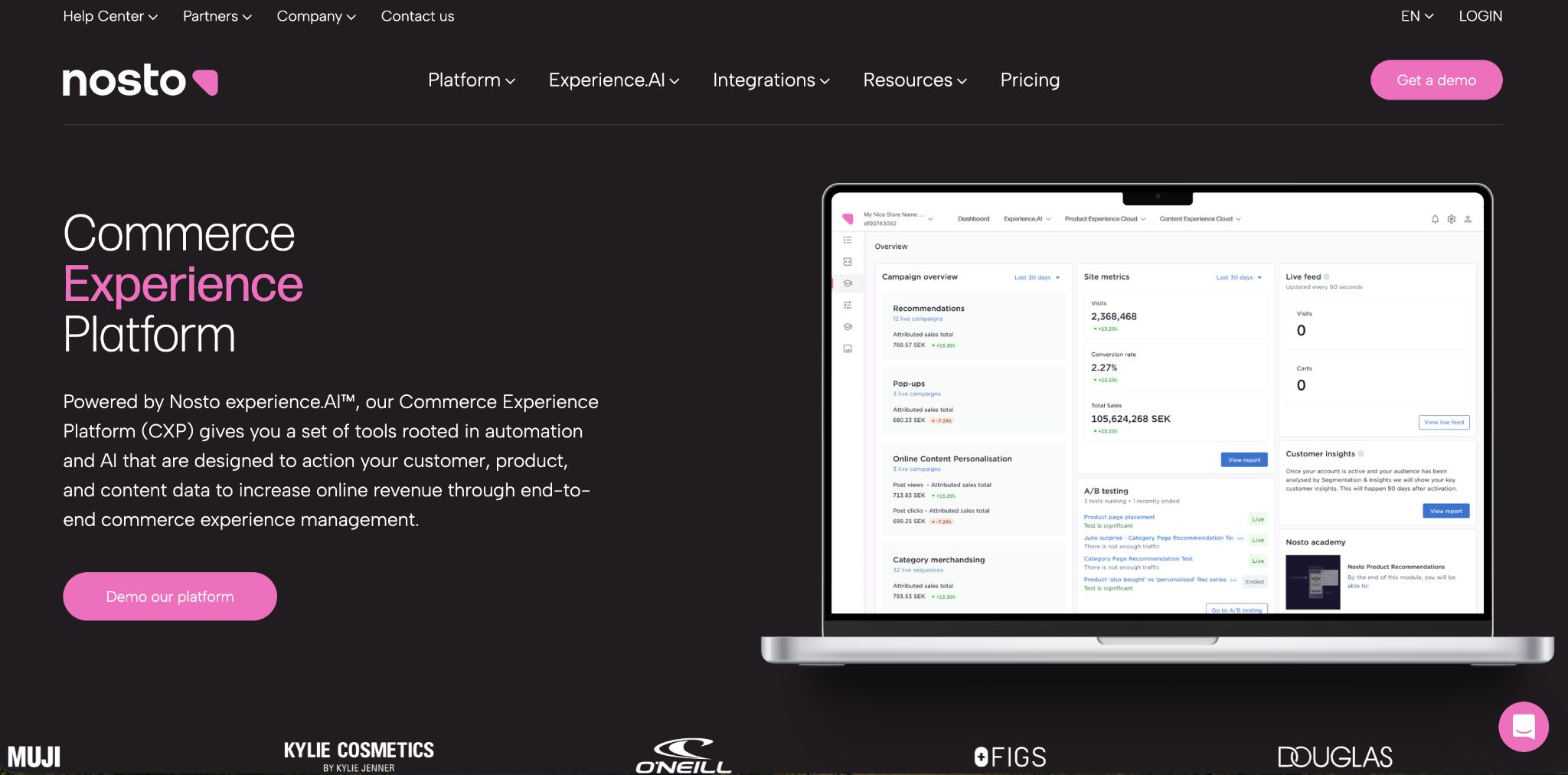
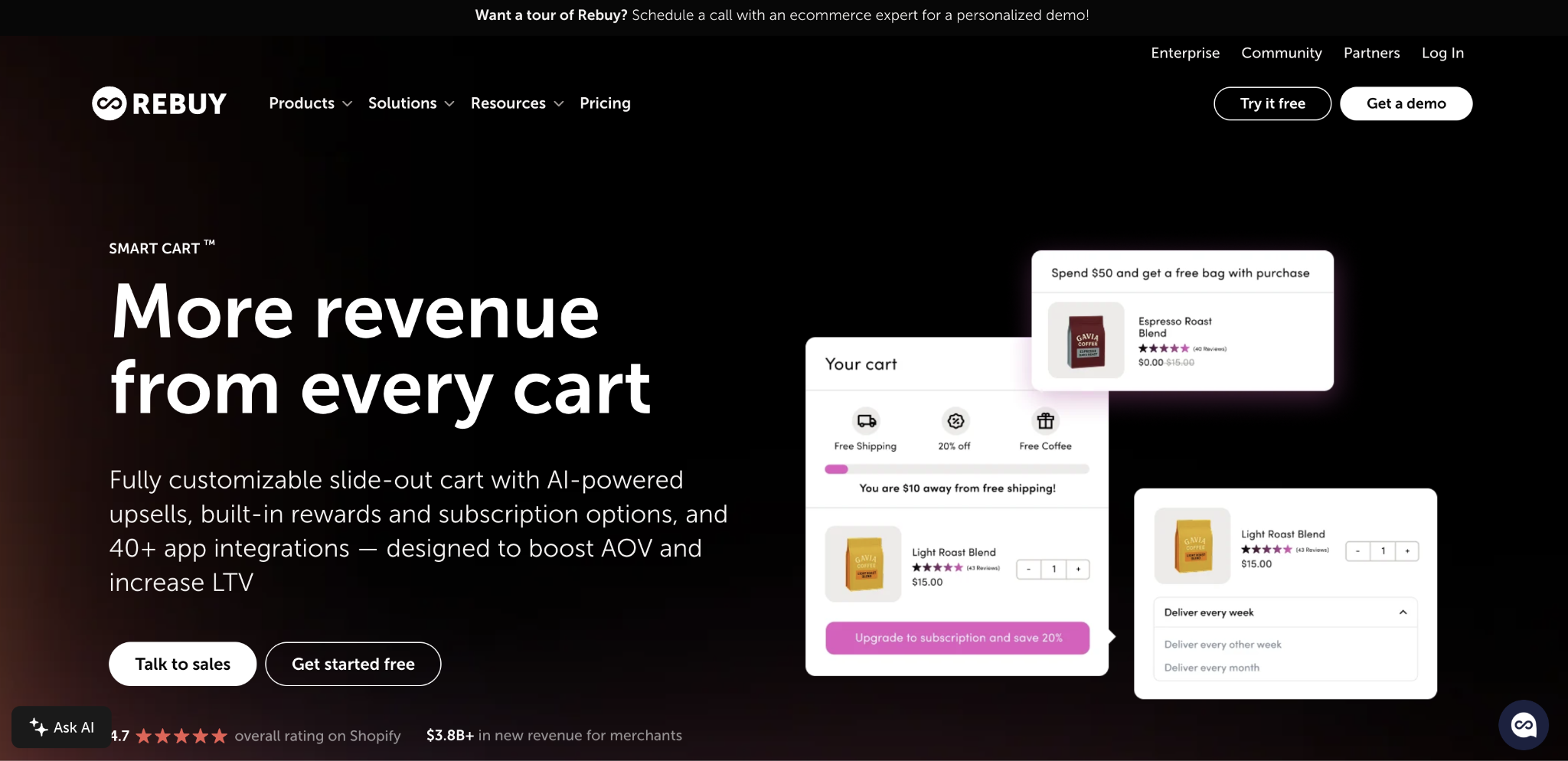
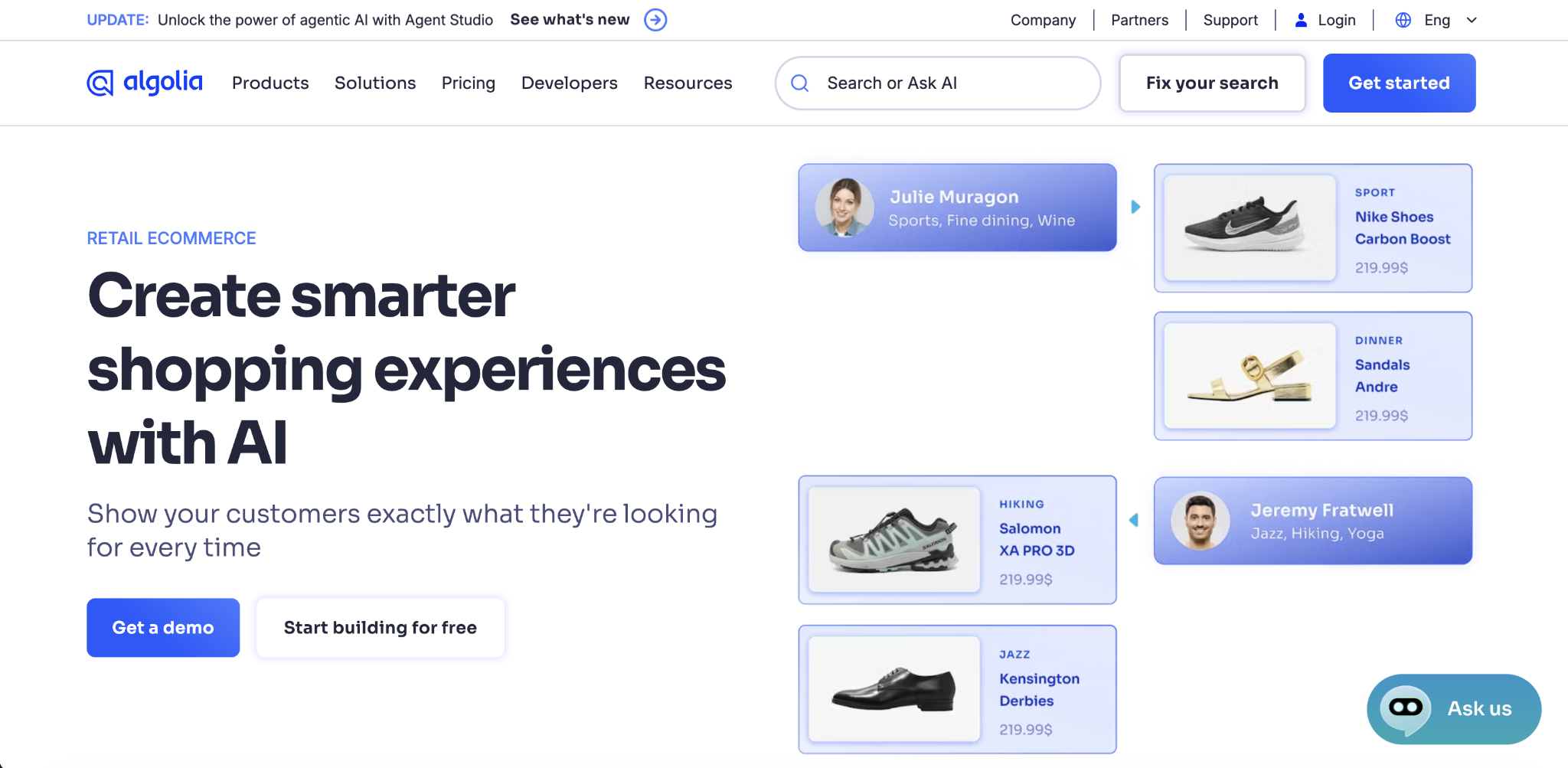
Personalization and discoverability represent another critical frontier for high-volume digital storefronts seeking to maximize conversion rates and average order values. Mid-market and enterprise brands frequently deploy advanced personalization engines like Nosto to dynamically tailor storefront layouts, search results, and product recommendations based on individual consumer behavior. Because these machine-learning algorithms rely heavily on substantial visitor traffic to identify meaningful purchasing patterns, they are particularly well-suited for larger merchants. For stores operating primarily on Shopify, platforms like Rebuy offer targeted upselling and cross-selling optimizations directly at the point of checkout, while search discovery engines like Algolia ensure that shoppers can successfully locate desired merchandise despite typographical errors or colloquial search queries.
Customer retention and lifecycle marketing form the backbone of long-term retail profitability, with platforms like Klaviyo and Omnisend leading the sector. Klaviyo offers deep customer segmentation and predictive analytics by analyzing comprehensive browsing and purchase data, making it an ideal choice for growing brands with robust order histories. Meanwhile, Omnisend caters to merchants seeking efficient, rapid deployment of essential email automation sequences—such as welcome series, cart recovery workflows, and win-back campaigns—with minimal initial configuration.
Customer support operations have likewise undergone a significant transformation through conversational artificial intelligence and automated agent platforms. Gorgias specializes in resolving post-purchase inquiries for Shopify merchants by integrating directly with order tracking systems to instantly answer common questions regarding shipment status, return policies, and delivery timelines. For pre-purchase engagement, Tidio Lyro acts as an interactive shopping assistant, guiding undecided browsers through catalog options, verifying product availability, and facilitating cart additions via conversational chat interfaces.
Finally, managing the backend complexities of multi-channel advertising and supply chain logistics requires advanced analytical oversight. Triple Whale consolidates data from diverse advertising networks, sales channels, and product catalogs into a single interface, enabling merchants to accurately evaluate marketing performance and return on ad spend without manually reconciling disparate platform reports. Complementing this financial visibility, inventory planning platforms like Prediko utilize historical sales data and seasonal demand patterns to forecast reorder schedules, helping Shopify merchants mitigate the costly risks of unexpected stockouts or excessive inventory accumulation.
Industry experts emphasize that retail organizations should systematically evaluate their internal workflows to identify the specific operational friction points that incur the highest costs or consume the most time. By carefully assessing platform compatibility and testing software integrations against genuine store metrics, merchants can strategically adopt targeted technological solutions that directly enhance operational efficiency and drive sustainable commercial growth.
Leave a Reply