
Artificial intelligence has rapidly transitioned from an experimental novelty into a foundational pillar of modern digital commerce. Across online retail, businesses are increasingly harnessing customer, product, and campaign data through machine learning models designed to attract shoppers, maximize sales conversions, and foster long-term customer loyalty. By analyzing intricate behavioral patterns—ranging from browsing habits and purchasing histories to specific responses to promotional messaging—platforms are now equipped to deliver hyper-targeted product recommendations, streamline digital advertising campaigns, generate contextual content, and proactively identify customers who may be losing interest.

As the retail landscape evolves in October 2026, industry experts emphasize that successfully implementing these tools requires a methodical approach. Retailers are advised to begin with a single marketing objective, ensure that underlying data sources remain reliable, and rigorously measure whether algorithmic interventions yield genuine performance improvements. Despite the advanced capabilities of modern automation, human oversight remains critical. Unchecked data pipelines or unmonitored machine learning workflows carry inherent risks, including inaccurate content generation, irrelevant product recommendations, and wasted advertising expenditure.

Defining AI in Modern Ecommerce Marketing
In the contemporary retail ecosystem, artificial intelligence encompasses a diverse suite of technologies, including advanced product recommendation engines, automated ad optimization frameworks, content generation models, and conversational shopping assistants. These systems process vast quantities of behavioral data to anticipate consumer preferences, draft promotional materials, and address shopper inquiries in real-time.
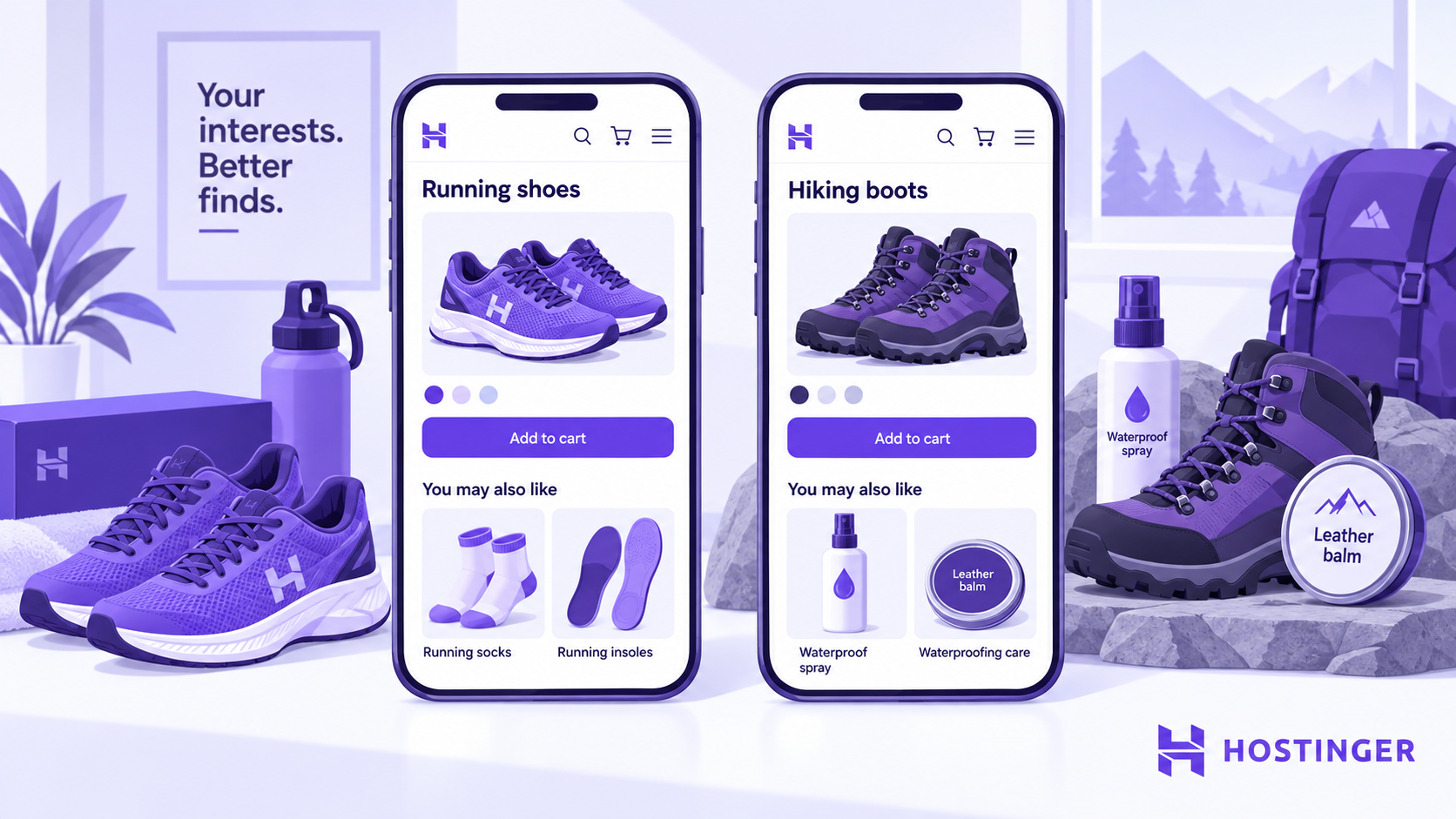
For instance, a boutique home decor retailer might leverage browsing analytics to suggest complementary items, automatically generate multiple variations of a digital advertisement for a new seasonal collection, or isolate a cohort of buyers whose purchasing frequency has begun to decline. While algorithms handle pattern recognition and repetitive analytical tasks, human marketers retain control over strategic goal-setting and final decision-making. Major ecommerce platforms and infrastructure providers—including Hostinger Ecommerce, Shopify, and WooCommerce—now integrate various AI-driven marketing capabilities, though the depth of available features and native integrations varies significantly across ecosystems.
Transforming Key Marketing Operations
Digital marketing professionals are deploying artificial intelligence across several core operational domains to drive efficiency and personalization. Personalizing product recommendations stands out as one of the most immediate applications. By evaluating real-time browsing sessions, active cart contents, and historical purchase data, online storefronts can display items precisely aligned with an individual shopper’s current interests. Industry benchmarks indicate that when consumers actively engage with personalized product suggestions, these recommendations can account for nearly a third of total ecommerce revenue.
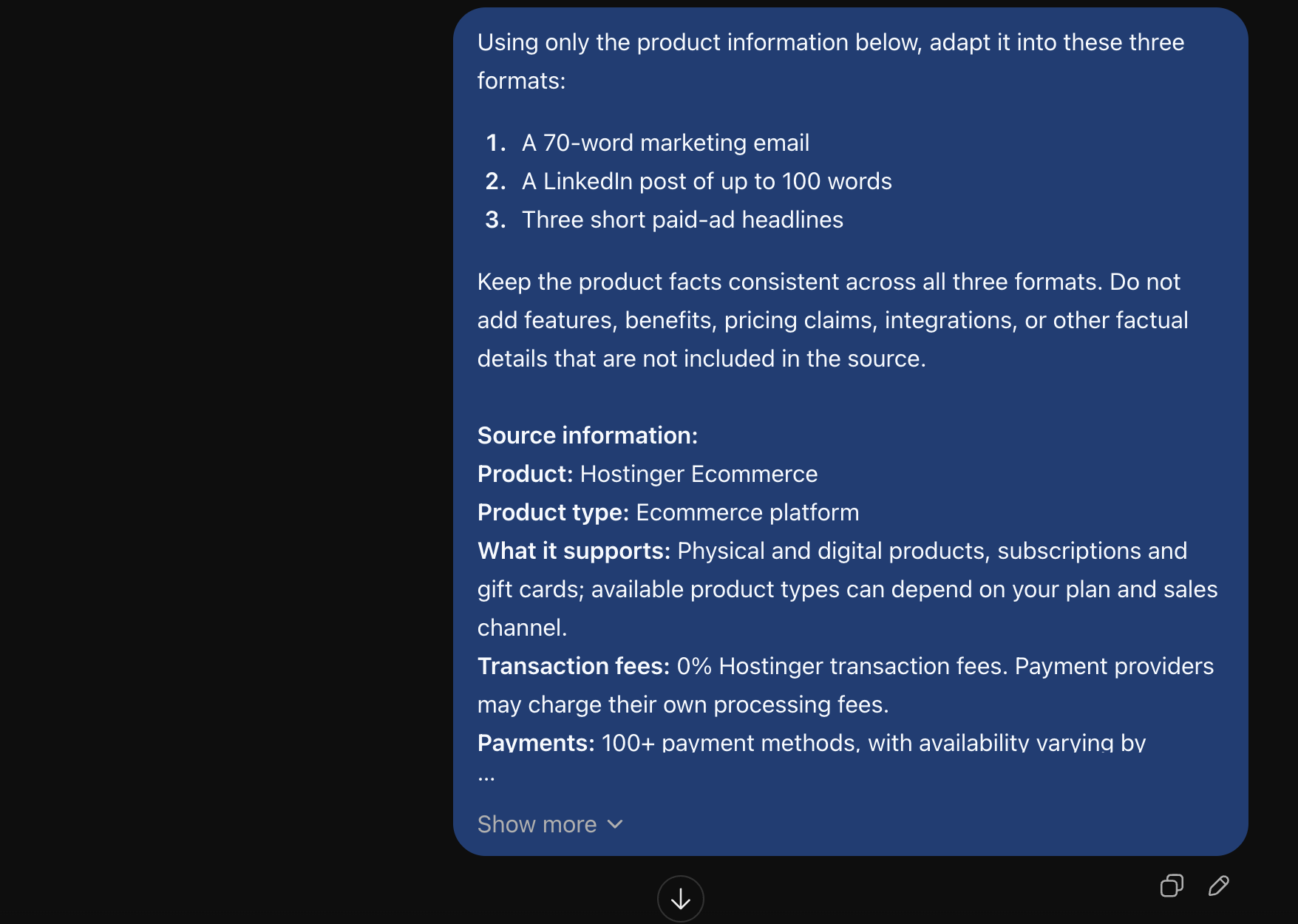
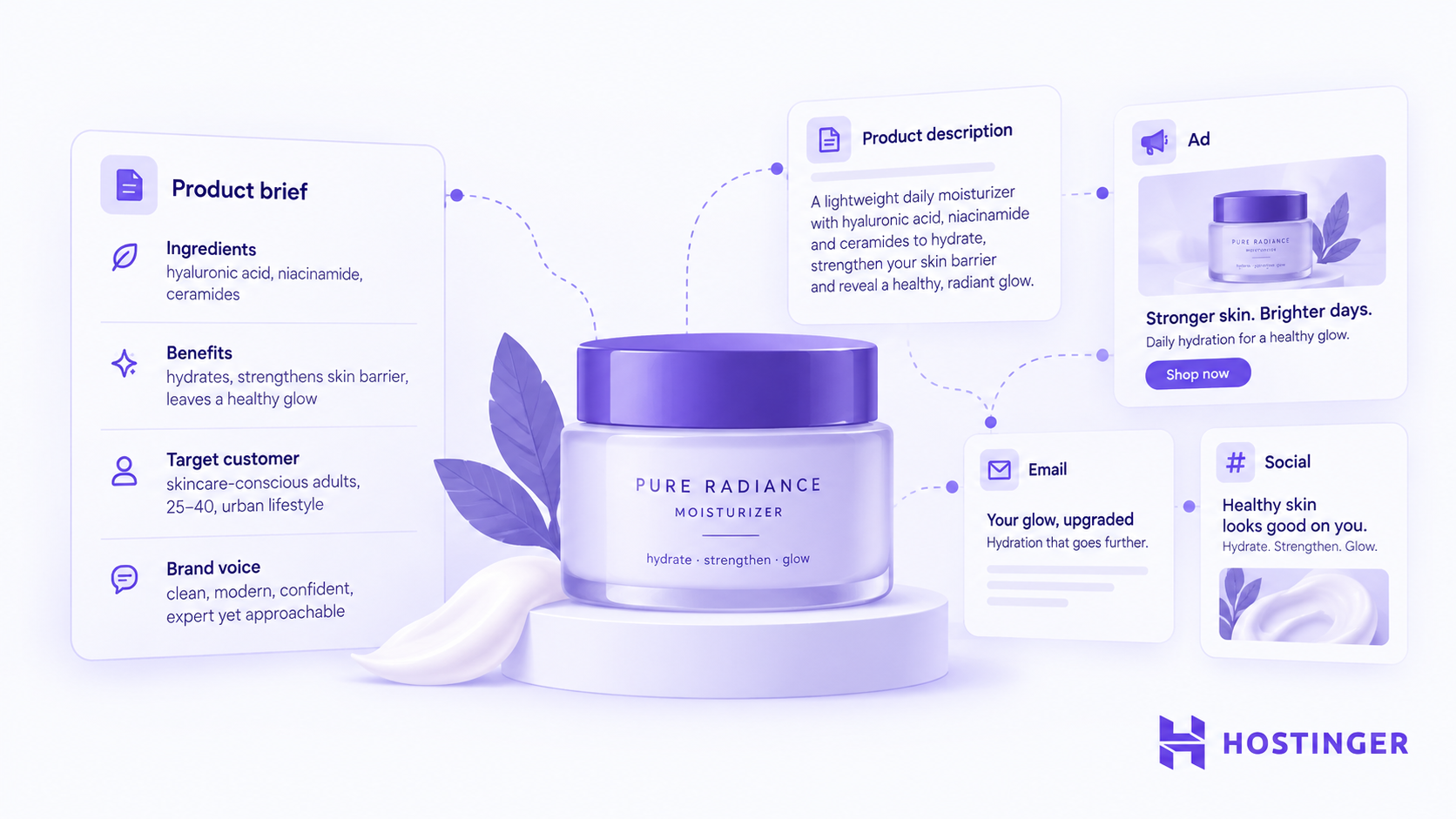
Content creation and adaptation have also undergone a significant shift. Rather than drafting every piece of promotional copy from scratch, marketing teams frequently utilize content generators to produce initial drafts of product descriptions, email subject lines, and social media captions, using verified brand materials and product specifications as source inputs. Surveys of digital marketing professionals reveal that a majority rely on AI to formulate first drafts, while a substantial portion use automated systems to optimize existing copy. This capability extends to repurposing a single approved product launch brief into varied formats across multiple channels, minimizing the repetitive labor traditionally required for cross-channel campaigns.
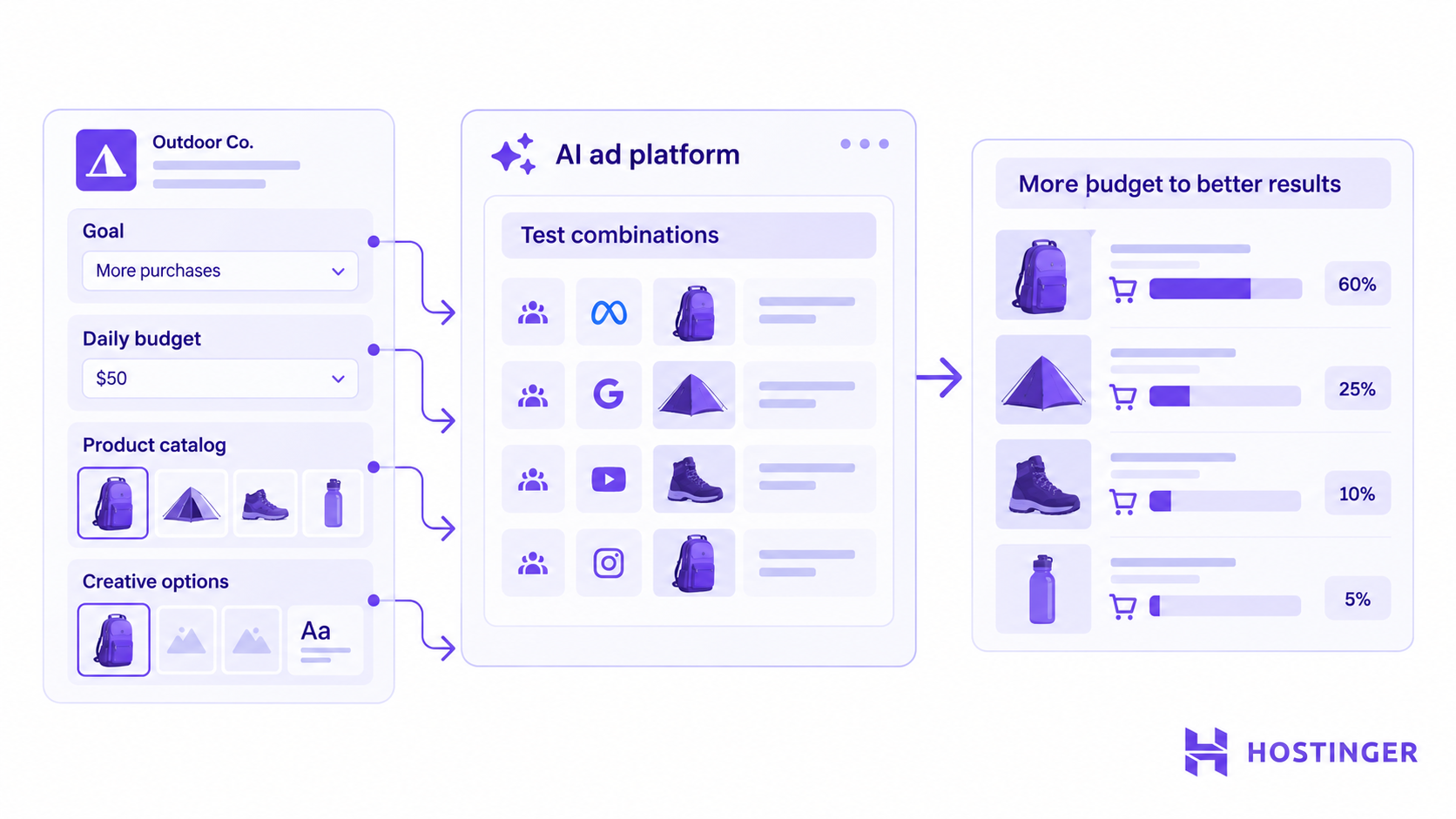
Paid advertising optimization represents another critical area of expansion. Modern advertisers are increasingly turning to automated campaign management tools, such as Google Performance Max and Meta’s Advantage+ suites, to dynamically adjust audience targeting, ad placements, and bidding strategies. By feeding product catalogs, visual assets, and budgetary parameters into these systems, marketers allow algorithms to test numerous creative combinations and reallocate ad spend toward top-performing variations. Nevertheless, human oversight remains vital for maintaining strict control over overall budgets, brand safety, and core campaign objectives.
Customer Segmentation, Messaging, and Retention
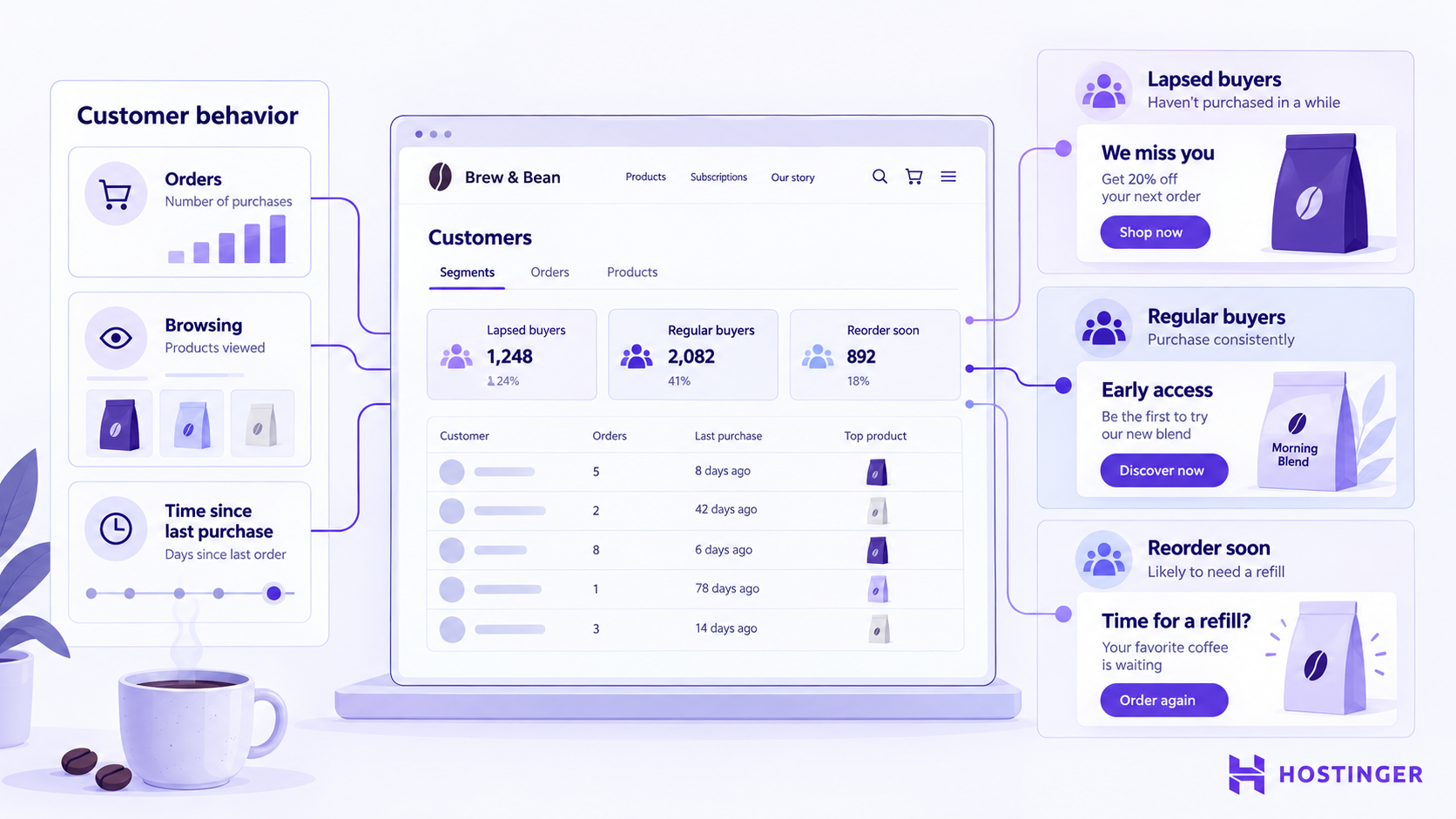
Advanced data processing allows retailers to move away from broad, generalized messaging toward highly dynamic customer segmentation. By continuously grouping shoppers based on nuanced behaviors—such as specific purchase cadences or prolonged periods of inactivity—brands can tailor their outreach accordingly. For example, a specialty coffee retailer might establish distinct communication tracks for regular subscribers, recent purchasers, and lapsed buyers, ensuring that each group receives messaging relevant to their current relationship with the brand.

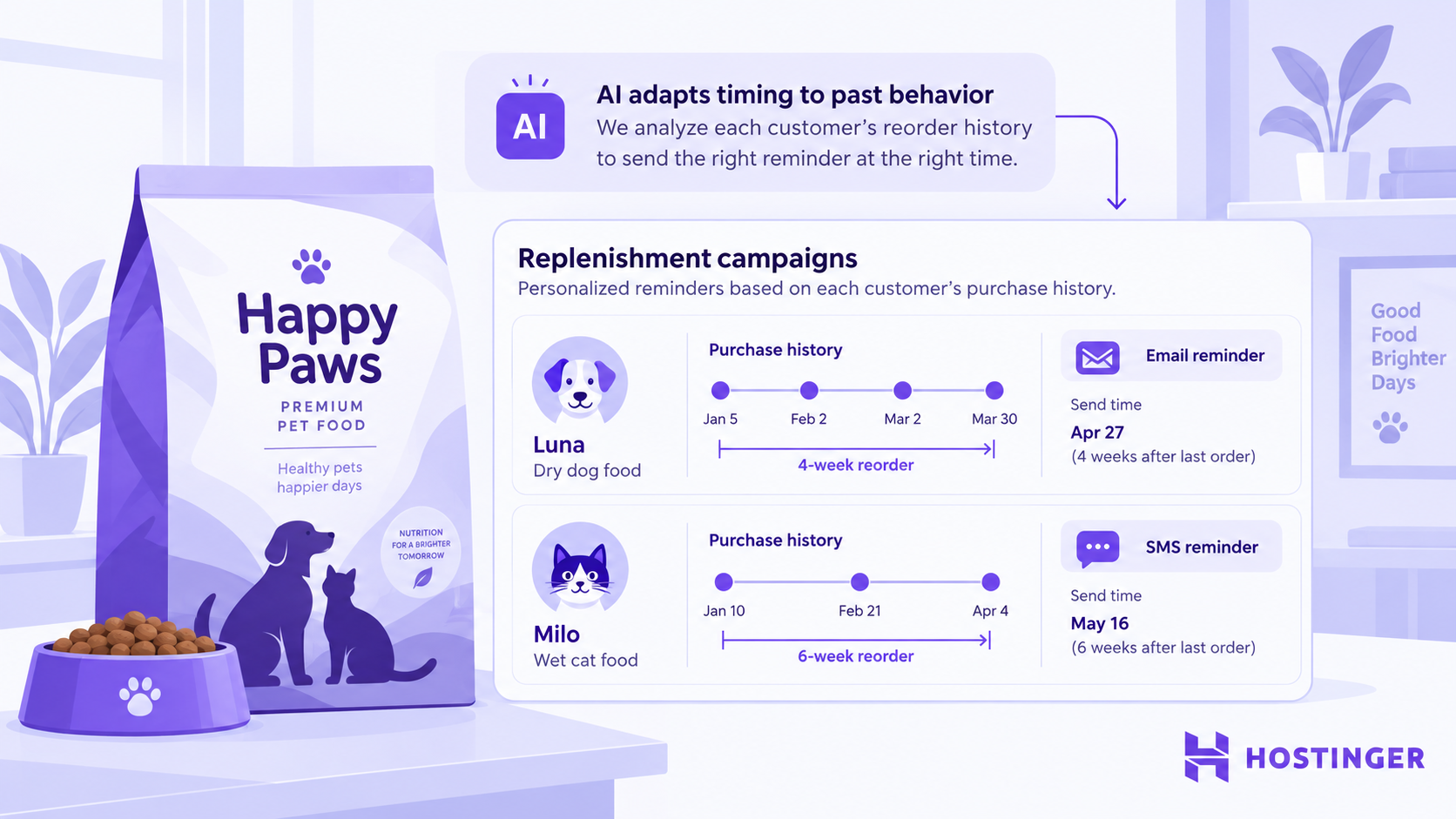
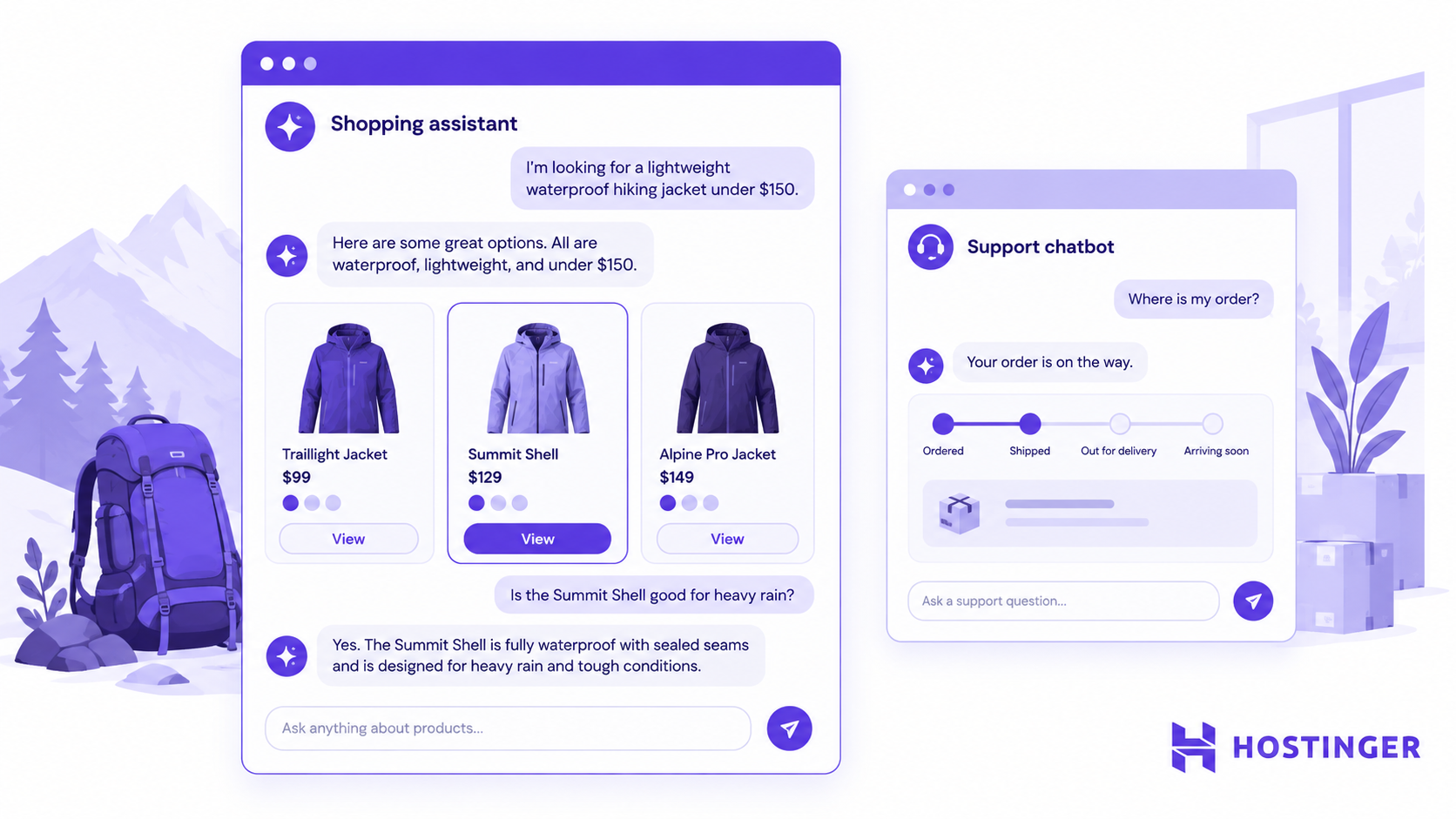
Email and SMS marketing campaigns benefit directly from this level of behavioral granularity. Automated systems can optimize message delivery times based on individual buying cycles rather than relying on generalized broadcast schedules. A pet-supplies merchant might analyze a customer’s reorder history to trigger a replenishment reminder precisely when that specific buyer is likely to run out of product. Similarly, conversational AI assistants are transforming customer interactions by allowing shoppers to articulate complex preferences in natural language—such as requesting specific product attributes and price points—enabling the system to surface tailored recommendations without requiring manual filtering through dozens of menu options.
Abandoned cart recovery strategies have also grown more sophisticated. Rather than deploying identical follow-up messages to every shopper who leaves a site before completing a purchase, automated platforms can adjust recovery incentives based on user profiles. A first-time visitor hesitant about shipping costs may receive different messaging compared to a loyal, repeat customer who simply forgot to finalize their transaction. Furthermore, predictive analytics are playing an essential role in combating customer churn. By identifying subtle shifts in engagement—such as a missed reorder window combined with a drop in email opens—AI systems can flag disengaging consumers early, giving retailers an opportunity to deploy retention campaigns before the relationship is lost entirely.
Limitations, Risks, and Best Practices
Despite the clear operational advantages, industry analysts frequently warn of the limitations and risks inherent in deploying artificial intelligence across marketing operations. The primary vulnerability stems from data quality; inaccurate, incomplete, or duplicate records can severely distort algorithmic outputs, leading to misguided campaign decisions and irrelevant customer experiences. Additionally, generative tools carry the risk of producing factual errors, such as attributing unsupported features or material specifications to products if the underlying source data is flawed.
Data privacy and security represent additional concerns, as proprietary customer information must be handled securely and in compliance with relevant regulatory frameworks. Overreliance on automation can also prove detrimental if set rules or spending limits are left unmonitored after market conditions change. To mitigate these risks, organizations are encouraged to establish clear operational boundaries, regularly audit automated workflows, and maintain rigorous human review processes for all published content, ad spending, and customer-facing communications.
As businesses continue to adopt these technologies, the overarching metric for success remains grounded in tangible performance outcomes. Whether applied to content generation, ad optimization, or predictive retention modeling, artificial intelligence is ultimately judged by its ability to save time, enhance marketing efficacy, and foster more relevant customer relationships without compromising human oversight over brand integrity and consumer data.
Leave a Reply