Fans of the expansive Avatar universe received a wave of exciting updates this week regarding the future of the franchise’s newest animated installment, Avatar: Seven Havens. Executive producers Sheaj Sethi and Ethan Spaulding pulled back the curtain on what lies ahead for the series during a comprehensive and revealing Reddit AMA. Among the headline-grabbing announcements was the official release schedule for the upcoming television season, alongside tantalizing narrative hints that point toward deeper connections to past eras of the beloved multi-generational franchise, including the return of familiar concepts, rare bending techniques, and potential glimpses into the post-Legend of Korra futures of iconic characters.
The primary announcement that sent ripples of excitement through the fan community is that Avatar: Seven Havens is gearing up for a rapid return. The second season of the series has been officially titled Book 2: Discovery and is locked in for a May 21, 2027 premiere date. Adding to the enthusiasm, the executive producers confirmed that Book 3 is also slated to debut before the end of next year, ensuring a steady and uninterrupted stream of new episodes for viewers hungry to explore the fallout of the series’ dramatic world-building. While these scheduling details provided an immediate thrill, the subsequent discussions regarding the long-term narrative direction of the show offered plenty of food for thought for longtime followers of the overarching mythos.
Expect to learn more about what happened after The Legend of Korra
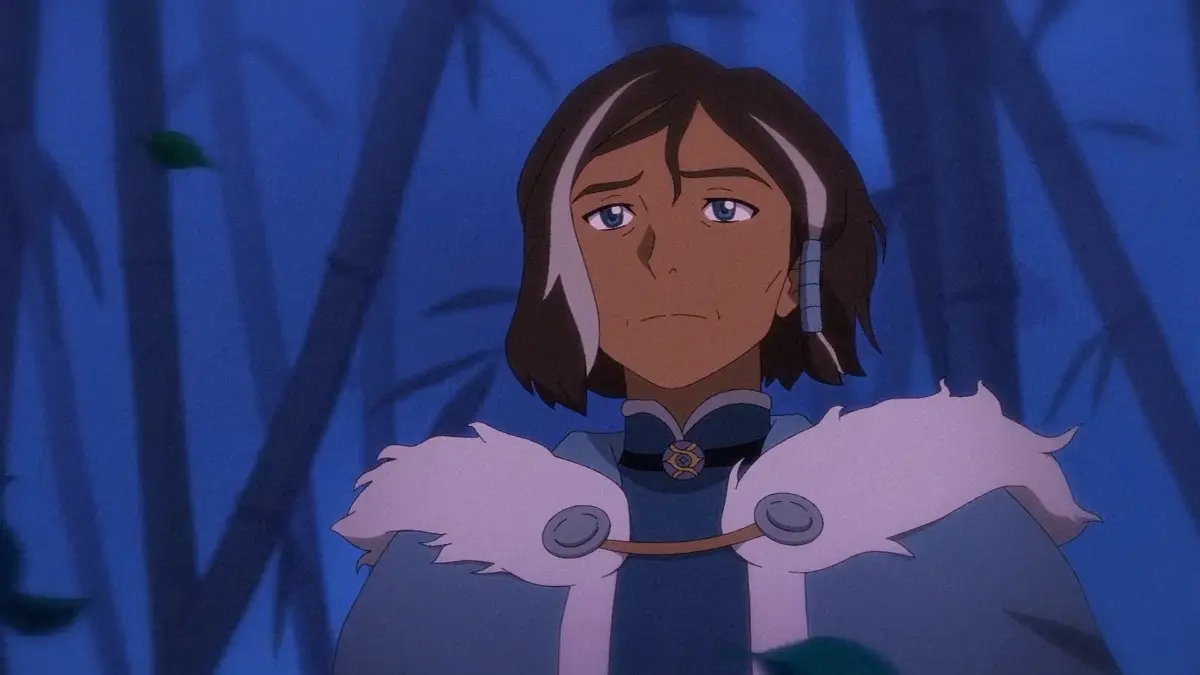
The debut season of Seven Havens established a heavy and complicated premise, revealing to viewers that Avatar Korra inadvertently triggered a catastrophic event known simply as the Cataclysm, plunging the world into an era of deep uncertainty and societal upheaval. Occasional flashbacks featuring an older version of Korra have continuously hinted that the history of this transition period is far more complex than initial accounts suggest. According to the executive producers, upcoming seasons will delve significantly deeper into Korra’s life in the years following the conclusion of The Legend of Korra, opening the door for the return of several familiar faces from the past, as well as their descendants.

Sethi addressed the narrative challenges posed by the massive chronological time jump that separates the events of The Legend of Korra from the setting of Seven Havens. Because centuries have passed, the creative team has not yet focused heavily on the direct descendants of characters from the original series. However, Sethi assured fans that they "will hear about a few of them in flashbacks," providing a narrative bridge that connects the modern era of the Seven Havens to the legacies of Aang, Korra, and their contemporaries.
While Sethi stopped short of naming specific legacy characters who might be referenced or shown, speculation among the fanbase has reached a fever pitch. Audiences are particularly eager to see whether the series will explore the further descendants of Aang and Katara’s youngest son, Tenzin, and how Air Nomad culture adapted and survived across the generations. Furthermore, the persistent and passionate fanbase continues to wonder if Seven Havens will eventually provide explicit confirmation regarding the long-term domestic life of Korra and Asami, adding a poignant emotional anchor to the historical lore of the universe.
As the narrative of Seven Havens expands, viewers have also spent considerable time analyzing the physical realities of the world, particularly regarding the state of advanced bending disciplines. Sharp-eyed fans noticed during the first season that none of the earthbenders featured in the narrative are ever seen utilizing metalbending—a technique that was once revolutionary during Korra’s lifetime under the tutelage of Toph Beifong and her daughters. In one notable sequence, a bender is shown lifting a crude slab of rock to manually transport a piece of metal, prompting widespread theories that the specialized skill may have been entirely lost to history in the chaos following the Cataclysm.
Addressing these fan theories, Spaulding clarified that metalbending does, in fact, still exist within the world of Seven Havens, though it has become considerably rarer than it was during the era of The Legend of Korra. Spaulding offered similar reassurance regarding lavabending, confirming that rare elemental sub-skills have not been completely erased from existence. Because the entirety of Seven Havens Book 1 is geographically confined to the isolated city-state of Ellora, it remains entirely possible that other Havens possess access to specialized bending traditions that simply have not yet been introduced to the narrative. This geographical isolation also raises tense questions about whether other dangerous and taboo disciplines, such as bloodbending, managed to survive into the modern era, potentially posing a severe threat to protagonists Nisha and Pavi.
Jae’s love life isn’t over just yet
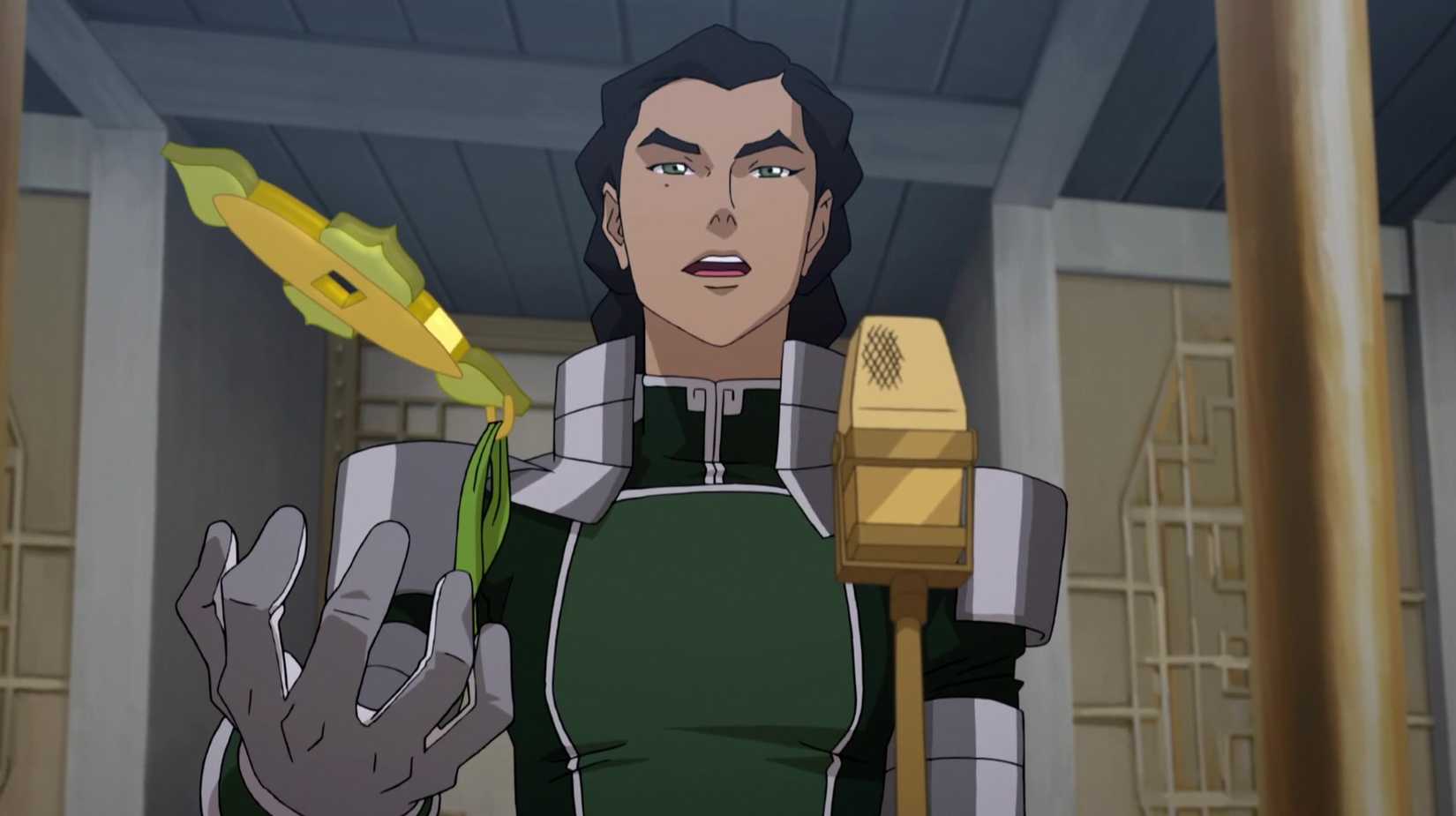
On the character and relationship front, Seven Havens has earned praise for its modern and unapologetic approach to representation, notably depicting Jae as an openly queer character. However, the emotional trajectory of his romantic life hit a major roadblock by the conclusion of Book 1, ending with the difficult dissolution of his relationship with Datu, who ultimately chose to align himself with Ellora’s oppressive governing regime against the Avatar. Addressing fans concerned about the character’s emotional well-being, Sethi offered a reassuring promise, stating plainly that the creative team "wouldn’t leave Jae heartbroken forever." This hints that Jae’s ongoing adventures alongside Pavi will likely introduce new romantic prospects as the story progresses.
Sethi also elaborated on the foundational creative philosophy behind the depiction of relationships within the series, noting that the production team made a conscious, early decision that the society of the Seven Havens would harbor no institutional or cultural prejudice against the queer community. According to Sethi, establishing this baseline of societal acceptance "allowed us to tell different, more complicated stories with queer characters than we’ve seen in the past." Fans are naturally hopeful that this progressive ethos will naturally extend to any historical flashbacks that explore the established relationship between Korra and Asami, treating their legacy with the nuance and depth it deserves.
Seven Havens will pay homage to some of the best Avatar episodes ever
The overarching structural DNA of the Avatar franchise has long relied on intimate, character-driven storytelling during moments of extreme isolation and personal crisis. Episodes like Avatar: The Last Airbender‘s haunting "Zuko Alone" and The Legend of Korra‘s introspective "Korra Alone" are widely regarded by critics and fans alike as high-water marks for television animation, focusing heavily on a single protagonist confronting their deepest internal struggles away from their support systems.
While Sethi confirmed that future episodes of Seven Havens will not utilize that specific naming convention, he assured the audience that "the sentiment of those ATLA and LOK episodes is definitely alive in a fair few episodes" planned for the upcoming seasons. This thematic continuity aligns seamlessly with the creative team’s ongoing commitment to exploring darker, more mature narrative territory. During the AMA, Sethi emphasized that the production does not shy away from the harsh realities of their world, noting that "we don’t hold back on making them face truly traumatic experiences." For viewers following the journey of Nisha and Pavi, this guarantees that the road ahead will be emotionally demanding, but it also solidifies the series’ reputation for delivering compelling, high-stakes dramatic television as the premiere of Book 2: Discovery approaches next May.