
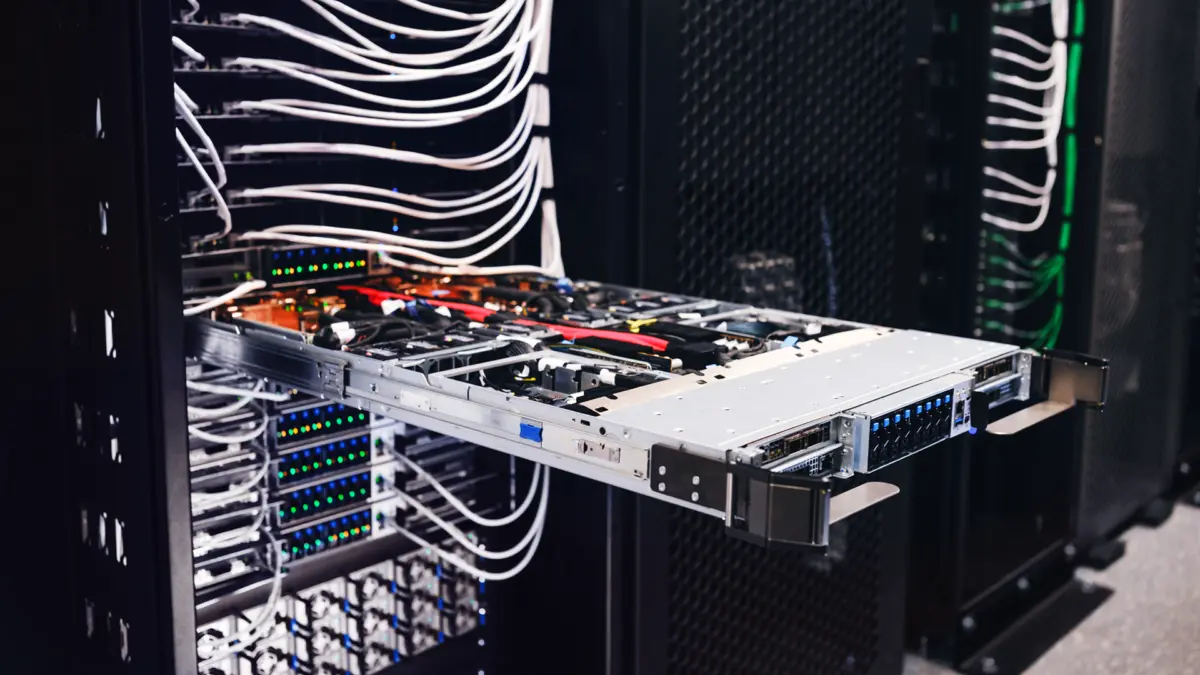
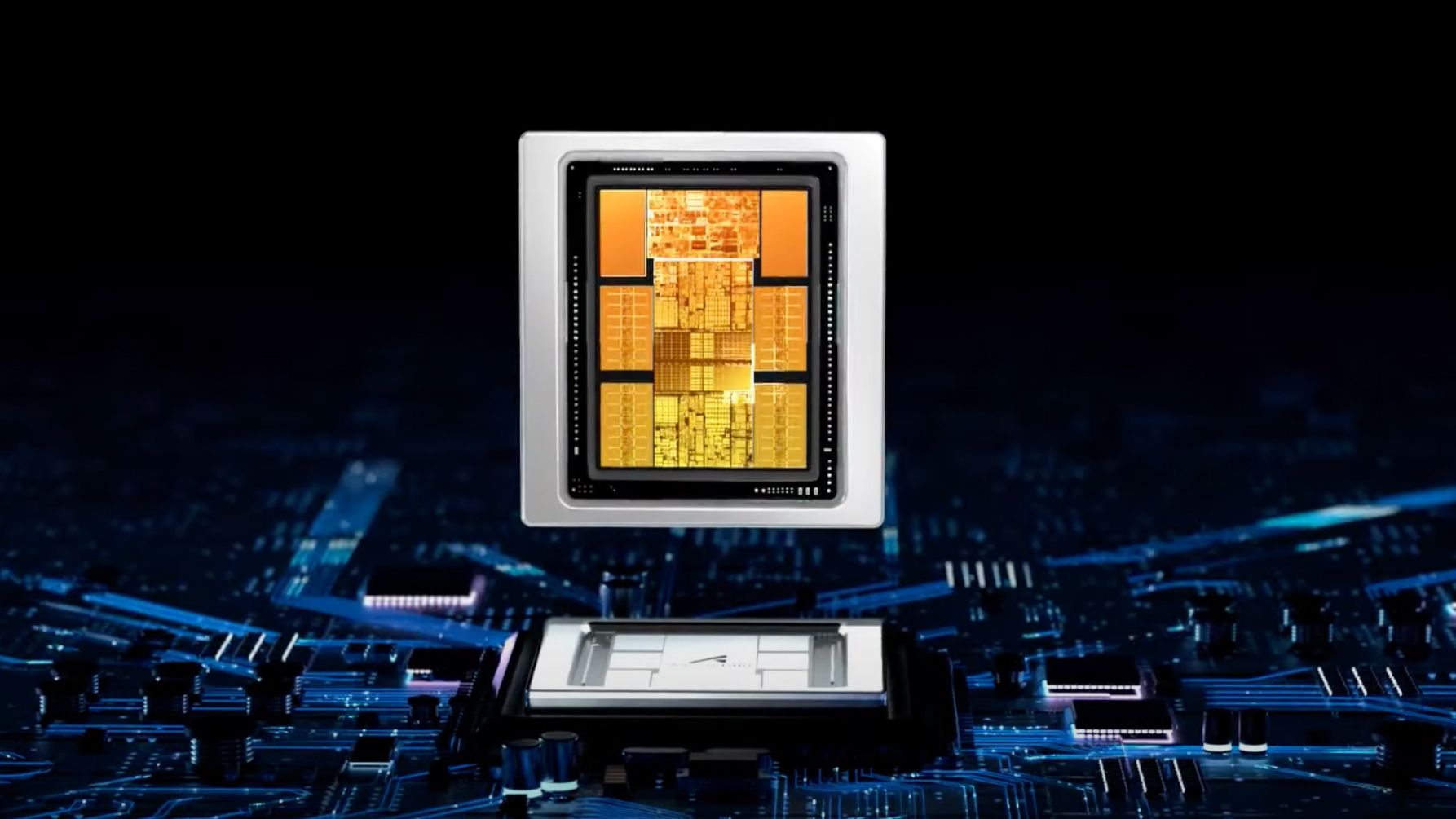
Technology giant Huawei has officially decided to shelve the international rollout of its next-generation artificial intelligence accelerators, choosing instead to focus entirely on satisfying surging demand within the domestic Chinese market. The company confirmed this week that its impressive upcoming hardware lines, including the highly anticipated Ascend 900-series AI accelerators and the upcoming Ascend 960-series neural processing units (NPUs), will be offered exclusively in China.
The strategic shift highlights the immense, unprecedented pressure facing domestic semiconductor supply chains inside China. While Huawei’s advanced neural processing units possess the technical capability to rival some of the existing enterprise AI graphics processing units offered by Western competitors like AMD and Nvidia, the company is currently facing severe manufacturing and capacity constraints. Rather than attempting a complex, high-stakes global distribution campaign amid constrained inventory, Huawei has opted to channel its entire production output toward local tech firms, cloud providers, and enterprise data centers whose insatiable appetite for AI infrastructure has far outstripped current manufacturing yields.
The decision brings a brief moment of relief to Western semiconductor giants. Market analysts note that for companies like AMD and Nvidia, the containment of Huawei’s hardware footprint to the Chinese domestic market means they will not immediately face a potent, heavily subsidized global rival in international territories. However, the domestic focus also underscores the formidable strides Chinese technology firms have made in developing high-performance computing ecosystems entirely independent of traditional Western supply chains.
At the heart of Huawei’s domestic strategy are massive, highly scalable hardware deployments designed to compete directly with Western high-performance computing clusters. Among these technological achievements are the company’s colossal Atlas clusters, which leverage sophisticated optical networking technology to bind thousands of individual processors together into a cohesive, ultra-fast supercomputing architecture. These sprawling configurations—featuring up to 15,488 interconnected chips in a single cluster—are engineered to deliver staggering computational output, scaling up to a remarkable 120 EFLOPS. By utilizing advanced optical interconnects, Huawei and its engineering partners have sought to bypass traditional bottlenecks associated with copper-based wiring and standard bus architectures, enabling seamless communication across massive arrays of neural processing units.
This architectural approach has become increasingly critical as Chinese technology companies race to train increasingly complex large language models and deploy generative AI systems at scale. Following sweeping international trade restrictions and export controls imposed by the United States on advanced semiconductors and lithography equipment, domestic firms have faced restricted access to Nvidia’s flagship Hopper and Blackwell architectures. In response, local players have rallied around indigenous solutions, making Huawei’s Ascend hardware ecosystem a linchpin of China’s technological self-reliance initiatives.
However, the path to fulfilling this massive domestic demand is fraught with manufacturing hurdles. Producing sophisticated multi-nanometer neural processing units requires advanced semiconductor fabrication facilities, robust packaging technologies, and stable supply chains for critical components like high-bandwidth memory. Because domestic foundry capacity remains under intense pressure, Huawei has been forced to carefully triage its inventory. Diverting resources to launch a major international marketing, sales, and technical support apparatus overseas would pull vital silicon and engineering bandwidth away from the domestic customers who form the bedrock of Huawei’s current enterprise strategy.
Furthermore, industry observers point out that the international market for AI chips presents unique challenges for challengers attempting to unseat established industry standards. The global software ecosystem for artificial intelligence—anchored heavily around Nvidia’s proprietary CUDA programming framework—remains deeply entrenched in enterprise data centers across North America, Europe, and parts of Asia. Convincing international cloud providers and large-scale AI developers to adopt an alternative hardware architecture with a distinct software stack requires substantial investments in compiler development, developer outreach, and long-term ecosystem support.
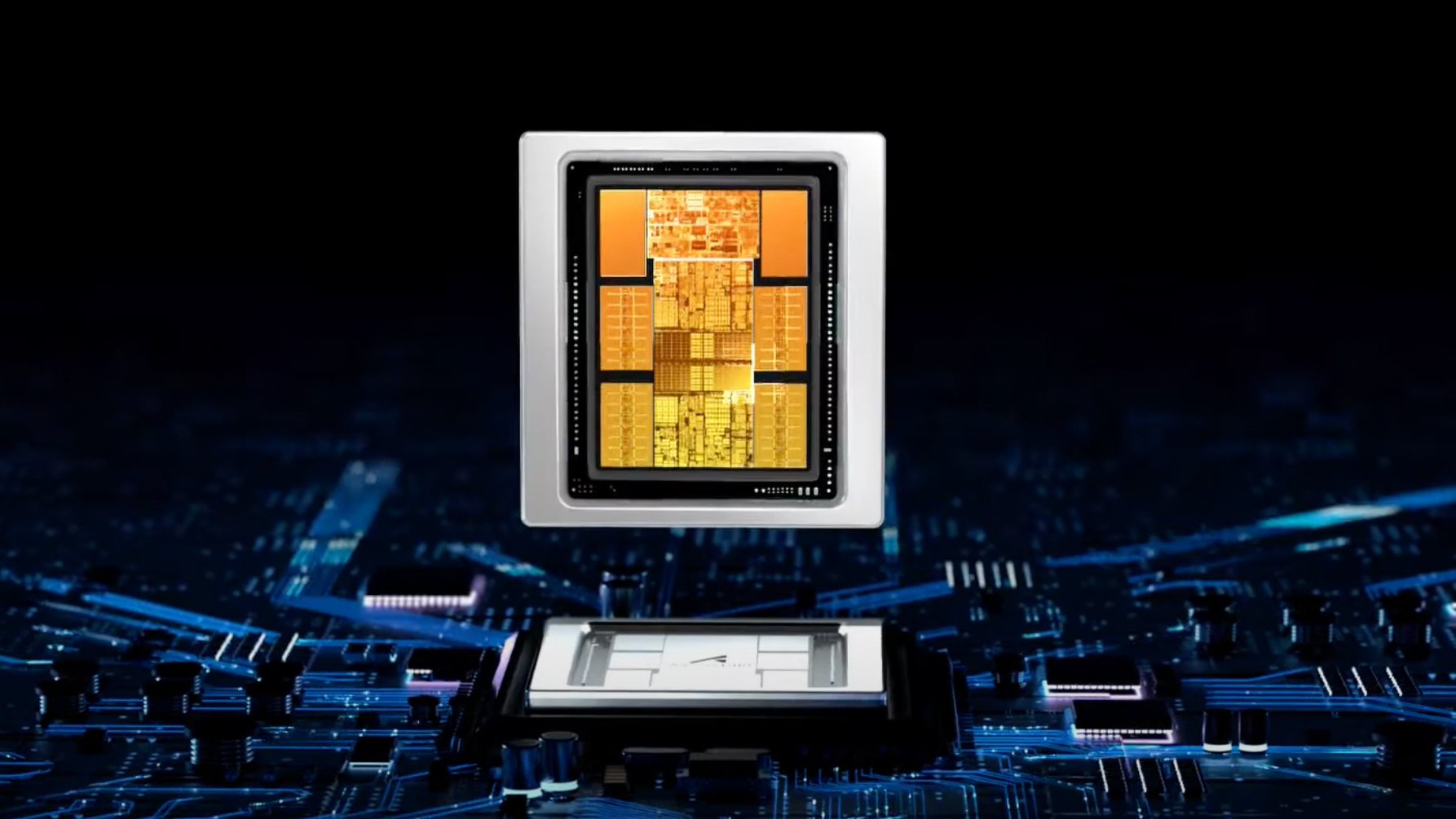
Given these structural barriers, market analysts suggest that the demand for Huawei’s Ascend hardware outside of China was far from guaranteed even if supply constraints had not forced the company’s hand. By concentrating its resources on the domestic market, Huawei can work more closely with local software developers and enterprise clients who are already heavily invested in the Ascend-compatible CANN computing architecture and domestic deep learning frameworks.
As the global race for artificial intelligence supremacy continues to accelerate, Huawei’s decision to pull back from international expansion maps a pragmatic course focused on securing its home turf. While the move offers temporary breathing room to international competitors like AMD and Nvidia in global markets, it simultaneously provides Huawei with the necessary focus to solidify its dominance within the world’s fastest-growing domestic AI marketplace.

Leave a Reply