
September 28, 2026
By Alma F.
The integration of artificial intelligence into the real estate sector has moved far beyond basic scripted chatbots and static digital assistants. Modern real estate operations are increasingly leaning toward sophisticated AI agents capable of connecting directly to core business infrastructure, such as customer relationship management platforms, email servers, and shared calendars. Unlike their predecessors, these autonomous systems leverage live operational data and execute approved actions independently, successfully bridging the gap between automated efficiency and the nuanced demands of client-facing transactions.
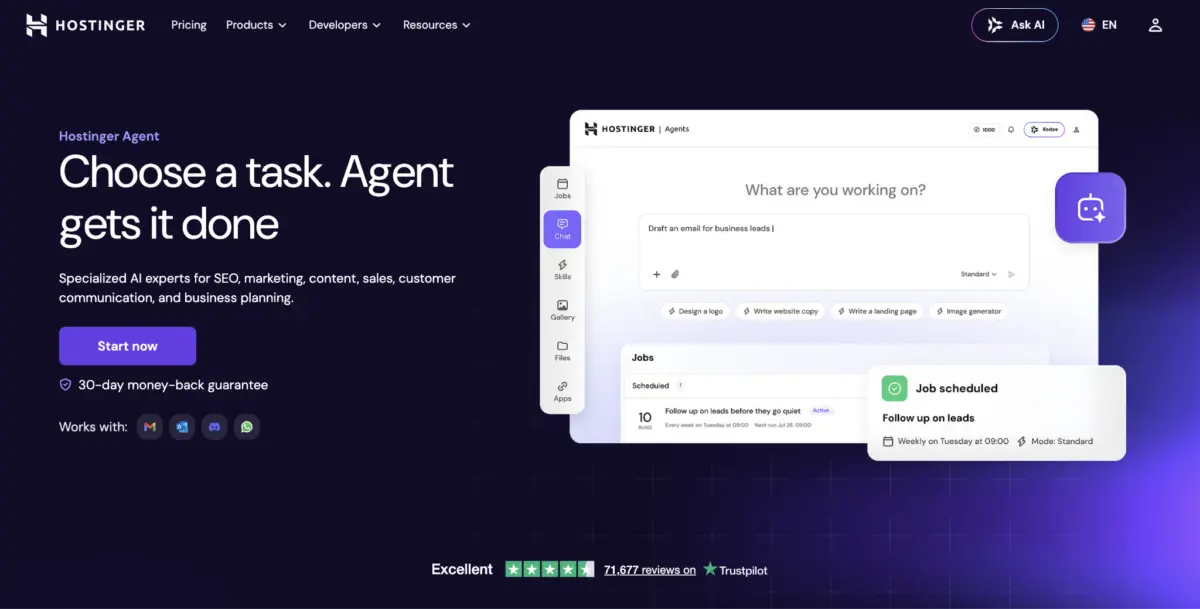
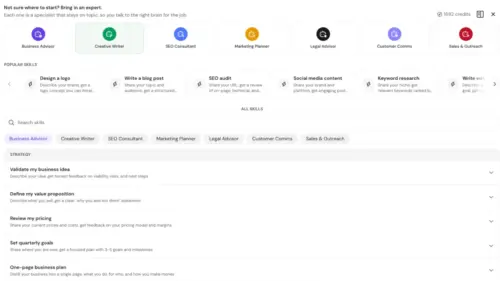
Industry professionals are finding practical utility across a diverse range of administrative and marketing responsibilities. From initial lead qualification and property matching to multi-channel content creation, document administration, and search engine optimization, AI agents are absorbing repetitive workloads. Tools like Hostinger Agent exemplify this technological shift by integrating specialized AI experts into everyday software stacks, allowing real estate practitioners to streamline communications and operational tasks without abandoning their preferred digital ecosystems.
Lead Qualification and Follow-Up
Managing the influx of prospective buyers and sellers has long been a labor-intensive hurdle for real estate agents and brokerages. When inquiries arrive through website contact forms, social media advertisements, or open house sign-ins, manual processing can introduce costly delays. Modern AI systems address this bottleneck by initiating immediate engagement, systematically inquiring about prospective budgets, target move-in timelines, preferred property types, and financing statuses.
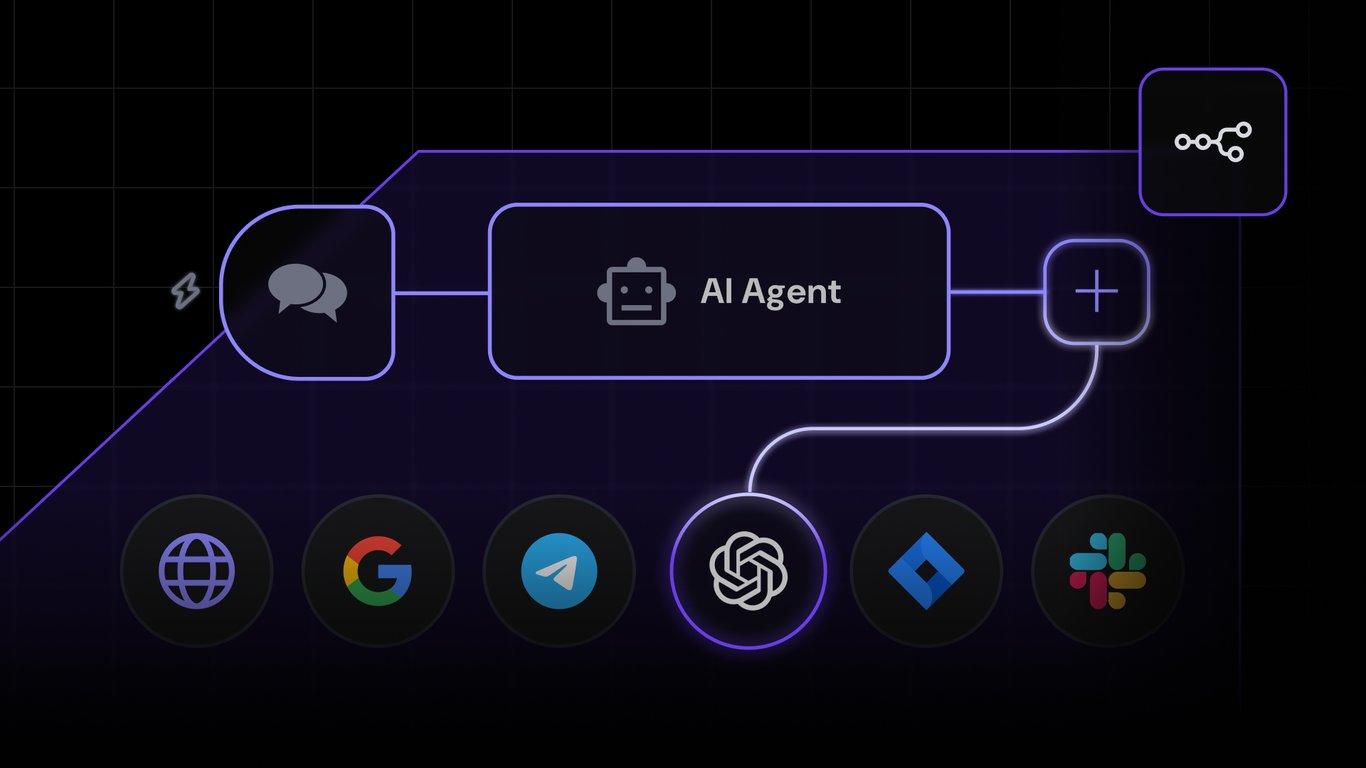
By scoring these responses and updating CRM databases in real time, the technology ensures that high-intent leads receive prompt attention while filtering out unqualified inquiries. Platforms designed to interface with mainstream enterprise software can execute these qualification protocols across multiple communication channels simultaneously, keeping pipelines active around the clock without demanding constant manual oversight from brokers.
Property Search and Buyer Matching
Matching a buyer’s exact specifications with an optimal inventory of available listings often involves balancing numerous competing variables. AI agents simplify this evaluation process by cross-referencing extensive buyer requirements against live market data, subsequently generating concise summaries that explain precisely why a particular property fits the client’s needs.
This capability proves particularly valuable when purchasers present complex search criteria, such as specific bedroom counts, strict budgetary caps, geographic proximity to employment centers, or designated spaces for home offices. However, industry analysts emphasize that the reliability of these recommendations depends heavily on the accuracy of the underlying data. Maintaining meticulously updated buyer preferences within a specialized real estate CRM ensures the system operates with dependable inputs. Furthermore, matching parameters must remain strictly anchored to objective property features—such as price, location, size, and layout—to prevent discriminatory targeting or reliance on prohibited demographic proxies.
Listing Content Creation
Translating raw property data into compelling marketing materials requires significant time and consistency across multiple promotional platforms. AI agents address this challenge by transforming verified property briefs into tailored drafts suitable for multiple listing services, corporate websites, targeted email campaigns, and social media channels.
A single verified description of a property’s features can be automatically adapted into an MLS-compliant summary, website copy, professional photo captions, email highlights, and social media posts, with each version calibrated to the structural norms of its respective medium. Specialized marketing AI functions can further expedite this multi-channel preparation. Nonetheless, real estate professionals maintain a strict standard of human verification before publication. Because automated text generation can occasionally produce polished narratives from incomplete or inaccurate source details, human oversight ensures that listing language remains an accurate description of the physical property rather than an idealized projection of hypothetical buyers or neighborhood demographics.
Client Communication
Maintaining continuous, responsive communication with active buyers, sellers, and vendors represents one of the most persistent operational demands in the property market. AI agents assist by drafting routine correspondence, including appointment confirmations, missing document reminders, property match notifications, and post-showing check-ins, alleviating the burden of drafting individual messages from scratch.
When client communications span disparate applications, these systems can pull contextual information from connected calendars and CRMs to ensure messages remain relevant and accurate. Despite these efficiencies, sensitive dialogues remain firmly within the domain of human professionals. Complex negotiations, client complaints, contract disputes, and situations requiring emotional intelligence and nuanced judgment are routinely reserved for human intervention, with AI restricted to preparing preliminary drafts for professional review.
Document Processing and Transaction Administration
The administrative lifecycle of a real estate transaction generates a massive volume of paperwork, ranging from inspection reports and appraisals to purchase agreements and disclosure forms. AI agents provide critical administrative support by extracting vital information, organizing digital file repositories, monitoring missing documentation, and flagging approaching contractual deadlines.
For instance, an automated system can scan an extensive home inspection report to highlight major structural findings, cross-reference them against internal compliance checklists, and alert the agent to an upcoming appraisal contingency deadline. While these capabilities drastically reduce the manual overhead of transaction management, industry guidelines stress that AI should strictly support administrative workflows rather than interpret legal contracts or make binding transactional decisions. Due to the sensitive financial and personal data contained within these files, access permissions are typically restricted strictly to the documents required for immediate task execution.
Appointment and Showing Coordination
Coordinating property showings often involves exhaustive rounds of scheduling communication between buyers, sellers, tenants, and listing agents. AI agents streamline this logistics challenge by analyzing calendar availability, proposing optimal viewing times, dispatching automated confirmations, and synchronizing calendar entries across parties.
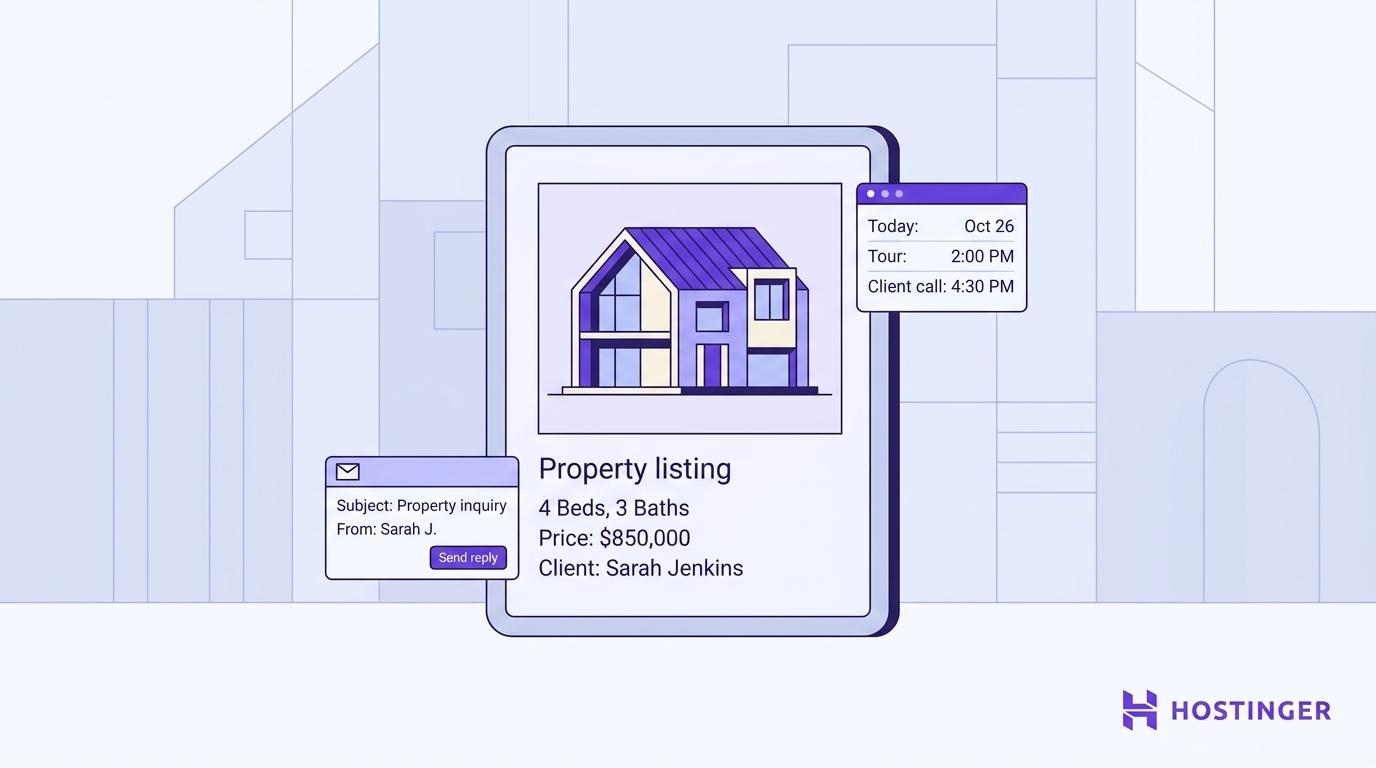
Professionals can establish specific parameters, such as available visiting hours and property-specific access rules, allowing the system to handle routine scheduling and rescheduling inquiries autonomously. For specialized viewings involving unique property access instructions or tenant notifications, final authorization remains under the direct control of the human agent.
Email Marketing and Newsletters
Sustaining long-term client relationships through regular newsletters and marketing campaigns requires consistent content generation tailored to different segments of a database. AI agents assist marketing professionals by pulling current listing inventories, integrating localized market updates, and restructuring underlying messaging for distinct audience segments.
A single market report or new listing announcement can be automatically adapted into separate communications customized for first-time home buyers, investors, or past clients, preserving consistent brand voice and structural formatting across every touchpoint.
Real Estate SEO
Maintaining a competitive online presence requires ongoing search engine optimization maintenance, including technical audits, meta-tag optimization, and content refreshes. AI agents contribute to recurring digital marketing tasks by auditing existing web pages for missing metadata, suggesting internal linking opportunities, identifying emerging search topics within specific service areas, and drafting updates for older blog posts or neighborhood guides.
The efficacy of these optimization efforts relies directly on the quality of the website data and keyword research provided to the system. By housing SEO-focused AI capabilities alongside sales and communication tools within a unified platform, agencies can manage their digital footprint more cohesively alongside daily transaction workflows.

Operational Integration and Best Practices
The adoption of AI agents across the real estate sector is ultimately guided by practical constraints regarding data security, accuracy, and risk management. Industry experts advise beginning implementation with low-risk, highly repetitive administrative tasks, such as initial lead qualification, standard follow-up messaging, showing coordination, and CRM data hygiene, before attempting more complex deployments.
Ensuring data privacy, restricting system permissions strictly to necessary tools, and maintaining mandatory human review checkpoints for any action impacting contracts, negotiations, or client relationships remain foundational to the responsible deployment of real estate technology. As these systems continue to evolve, their primary value lies in their ability to shoulder operational friction, allowing real estate professionals to dedicate more time to high-value strategic advising and personal client advocacy.


Leave a Reply