CSS-Tricks has officially launched its Version 20 theme, marking the site’s first major design and architectural overhaul in five years. While the front-end interface retains a familiar feel, the underlying codebase has undergone an extensive modernization effort aimed at improving performance, accessibility, security, and maintainability. Rather than opting for a disruptive complete rewrite, the platform adopted an iterative release strategy to implement sweeping architectural changes without breaking the user experience.

The release addresses nearly two decades of accumulated legacy code. Over its nineteen-year history, the site had accumulated numerous unused scripts, outdated plugins, and redundant database entries. The development team undertook a thorough digital excavation, removing defunct JavaScript files tied to legacy newsletter embeds, older Flexbox workarounds, and deprecated jQuery lazy-loaders. Deactivating the long-archived bbPress forum plugin and clearing out its database tables successfully carved roughly 400 megabytes from the site’s database, simultaneously eliminating the need for several custom templates within the theme.
Workflow tools also received overdue attention. The site updated its build process, moving away from a stagnant state toward a cleaner, faster development environment. Security audits were modernized as well. Alongside manual checks for unescaped custom field calls, the team utilized AI assistance to review recent WordPress security release notes, hardening the theme against emerging vulnerabilities while allowing front-end developers to focus on visual and structural refinements.
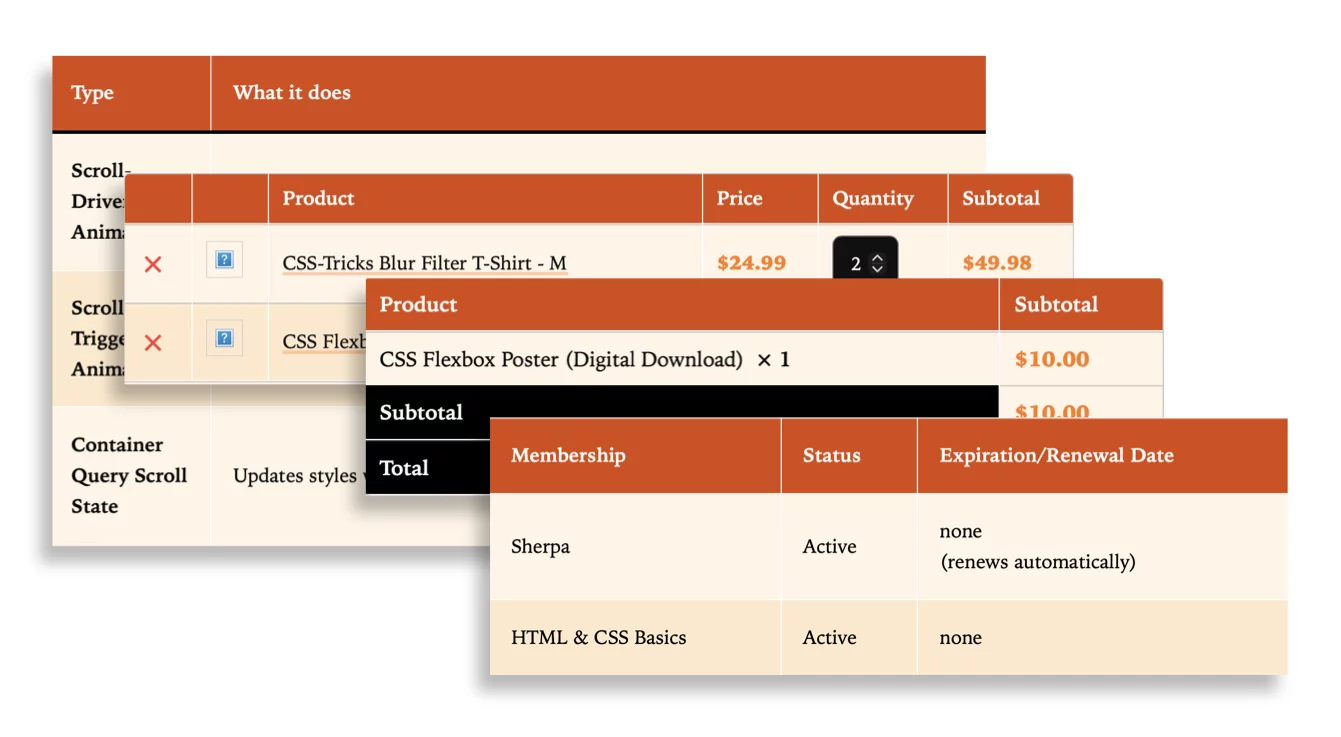
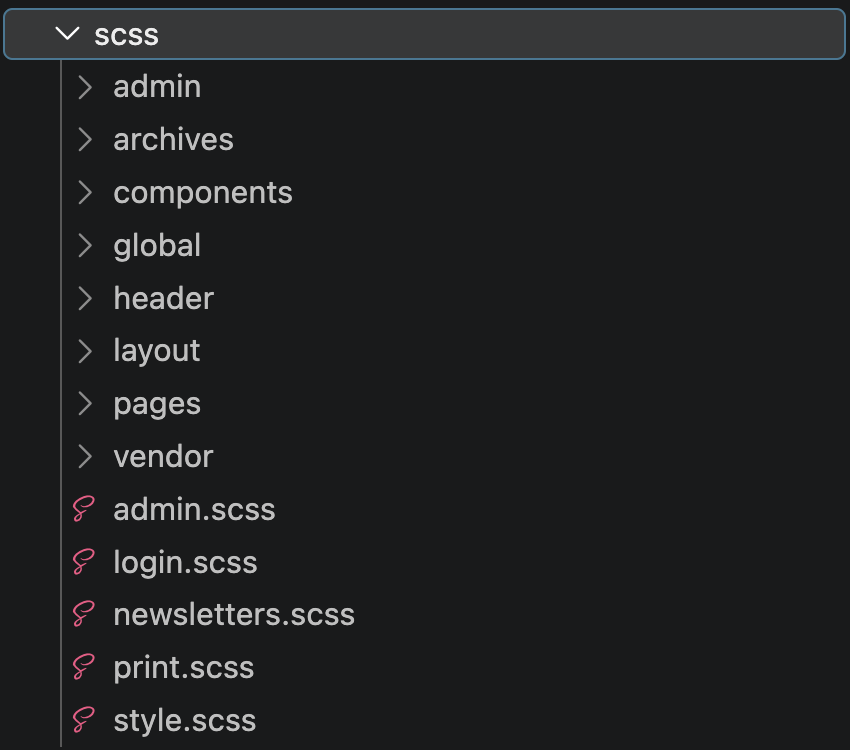
Under the hood, the styling architecture underwent a significant Sass rewrite. While maintaining a fondness for Sass partials, the maintainers transitioned from a flat file structure to a more organized, hierarchical system. This reorganization enabled the creation of semantic design tokens, replacing one-off color codes, scattered font styles, and arbitrary spacing values with a maintainable, centralized palette. By isolating complex form styles into modular stylesheets loaded only when specific plugins like WooCommerce or Gravity Forms are active, the overall CSS bundle size was successfully reduced.
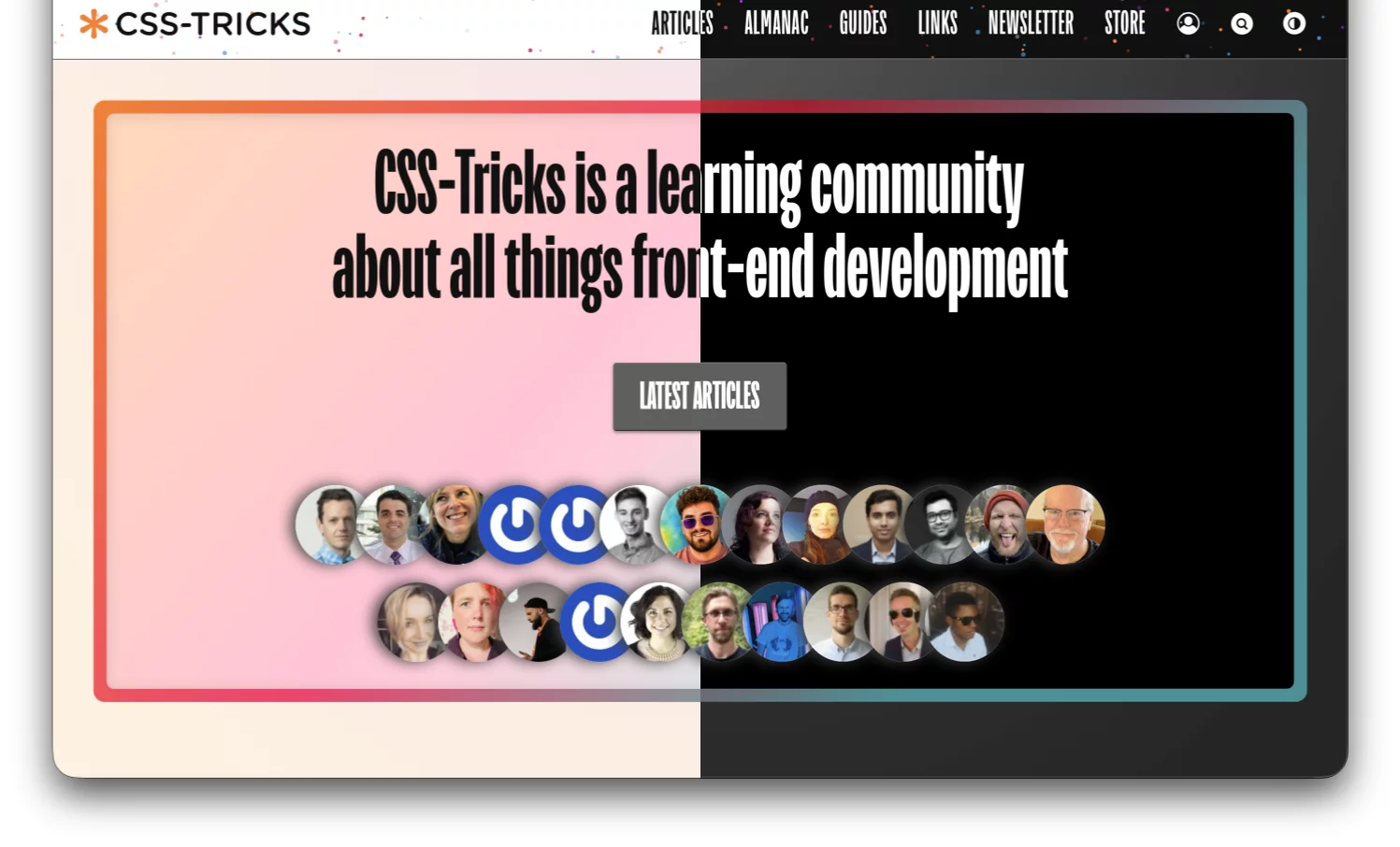
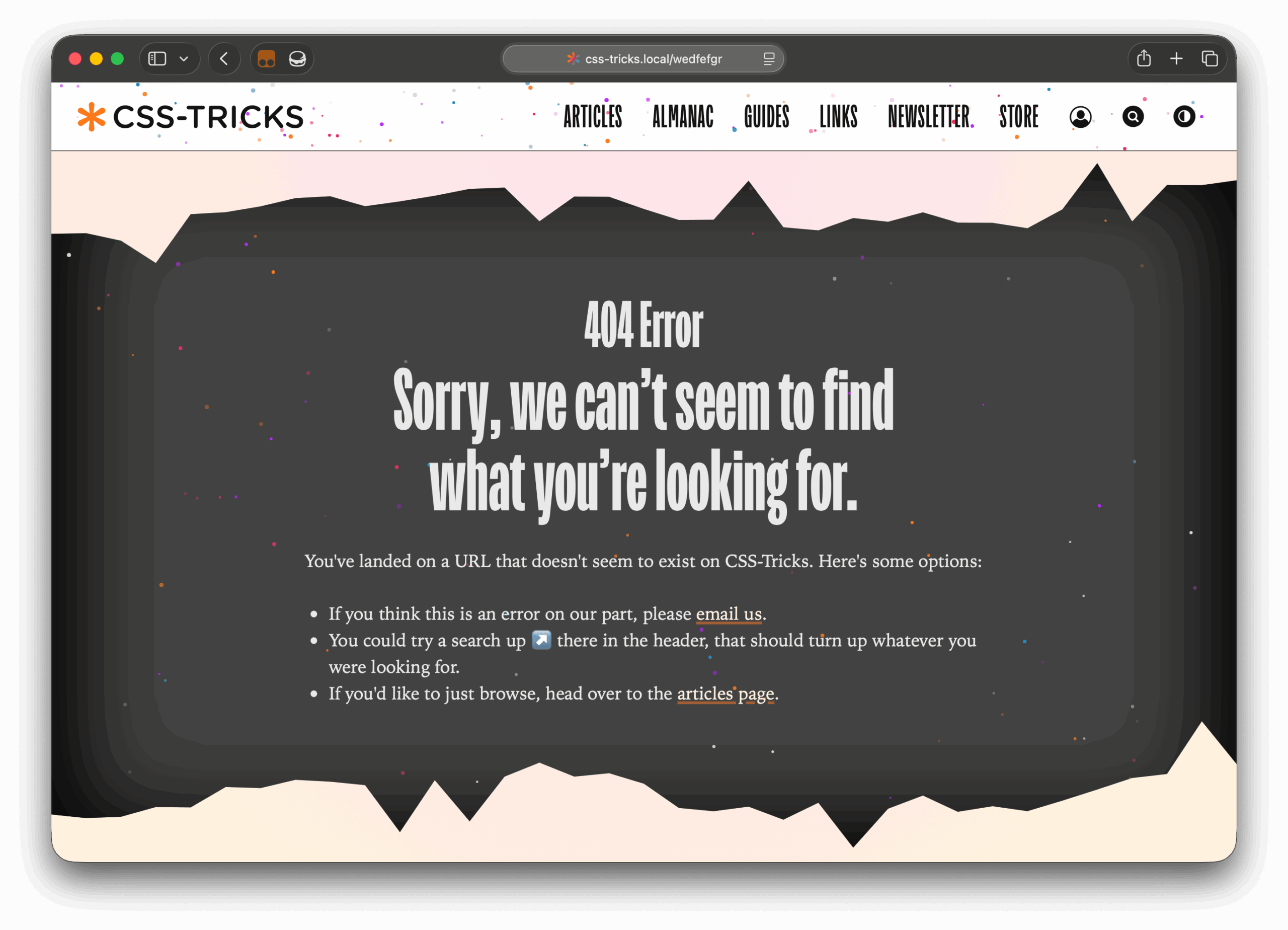
Visual updates accompany these invisible architectural improvements. Version 20 introduces the site’s first integrated light and dark color scheme options. By treating the site’s traditional dark elements and white content containers as a foundation, the developers engineered a creamy light theme that adapts seamlessly to user preferences. The transition between color schemes is handled via modern view transitions, creating a smooth visual shift across pages.

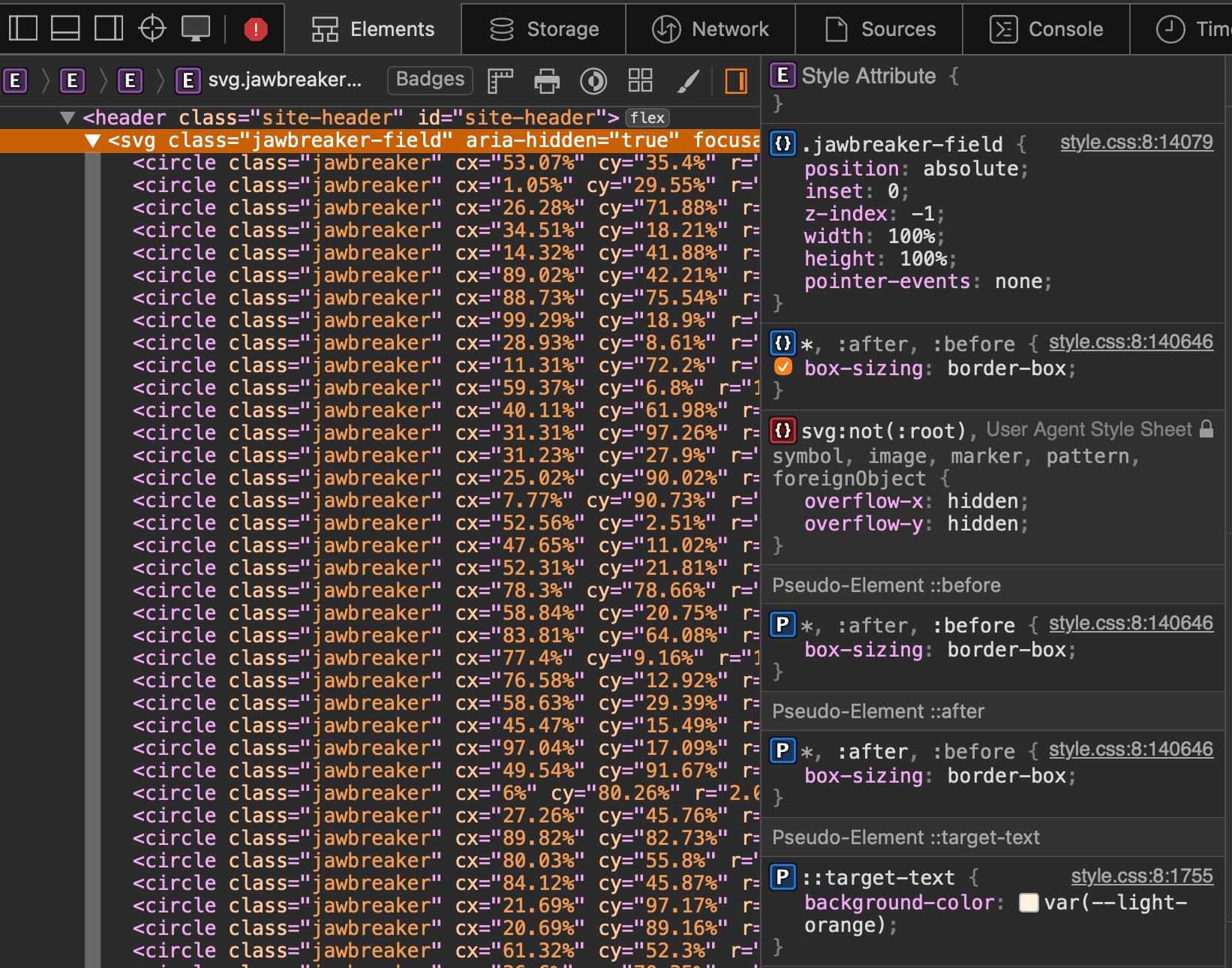
Additional visual flair is introduced through a new SVG-based header and footer texture dubbed the "Jawbreaker" pattern. Generated dynamically via PHP to avoid bloated markup, the pattern features subtle, animated glowing dots reminiscent of candy textures. On supporting browsers, the homepage also implements experimental CSS features like border-shape and random() functions to render dynamic, interactive gradient cards with fluid blob shapes on hover and focus states.
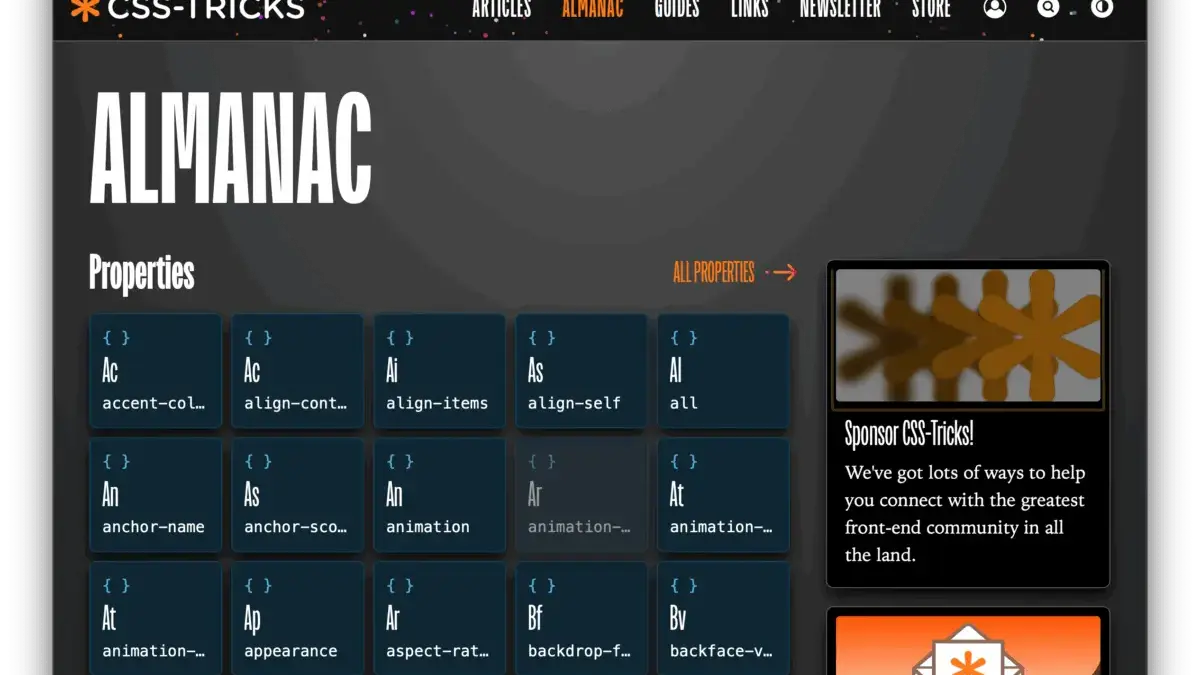
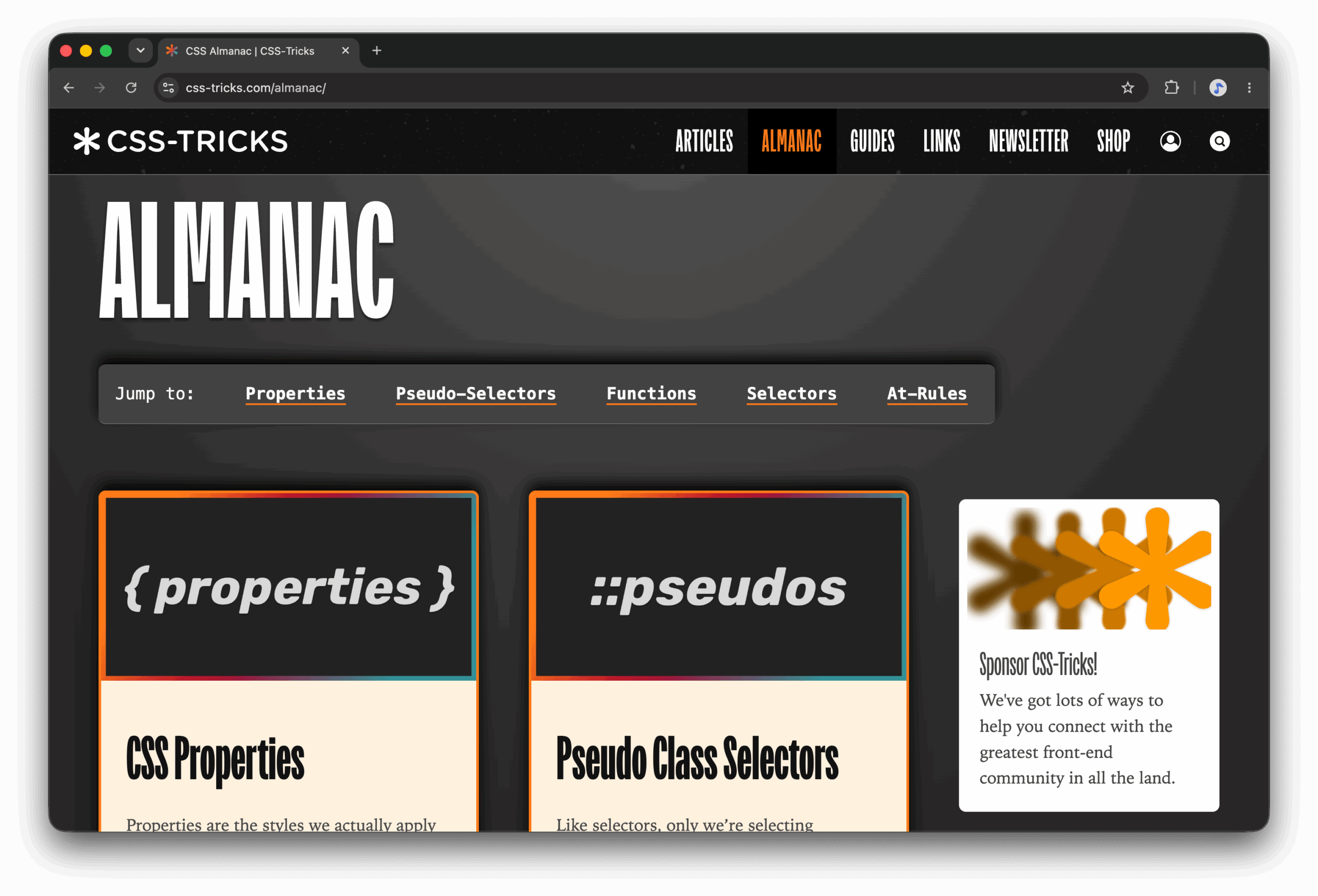
Core educational sections of the site have also been redesigned. The Almanac index has been revamped from a simple list of clickable cards into a comprehensive index of CSS features, drawing inspiration from periodic table layouts to help developers navigate technical references more efficiently. Similarly, the Guides index has shifted away from a traditional vertical stack of book-themed imagery, replacing it with a featured guide layout, a widget tracking newly updated content, and a categorized grid. Author pages have also been optimized, repositioning sidebars to prioritize published articles, while WordPress admin styles have been adjusted to better reflect front-end typography within the editor.
Performance metrics following the launch indicate measurable gains, particularly in page weight and core web vitals. Total page weight dropped significantly from 2.03 megabytes down to 1.24 megabytes. Lighthouse audits reflect notable improvements in accessibility and best practices, alongside a reduction in Largest Contentful Paint times and Cumulative Layout Shift scores, which dropped to zero.
While numerous minor background adjustments, query optimizations, and bug fixes accompany the rollout, the team acknowledges that optimization is an ongoing process. Feedback and bug reports from the community are expected as users begin interacting with the new theme in the wild.