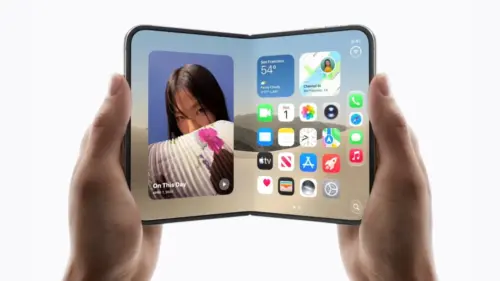
It feels somewhat unusual to sit down and write a comprehensive review of a folding smartphone at a time when the broader mobile industry’s attention is intensely fixed on alternative form factors. While rival manufacturers, particularly China-based brands, continue to push aggressively into the market with wide foldables sporting radically updated designs, and industry chatter buzzes over compact, passport-sized alternatives like the Apple iPhone Duo, Google has chosen a different path. Sticking firmly to its established playbook, the tech giant has released the Pixel 11 Pro Fold this year, presenting a device that bears a striking resemblance to its predecessor.

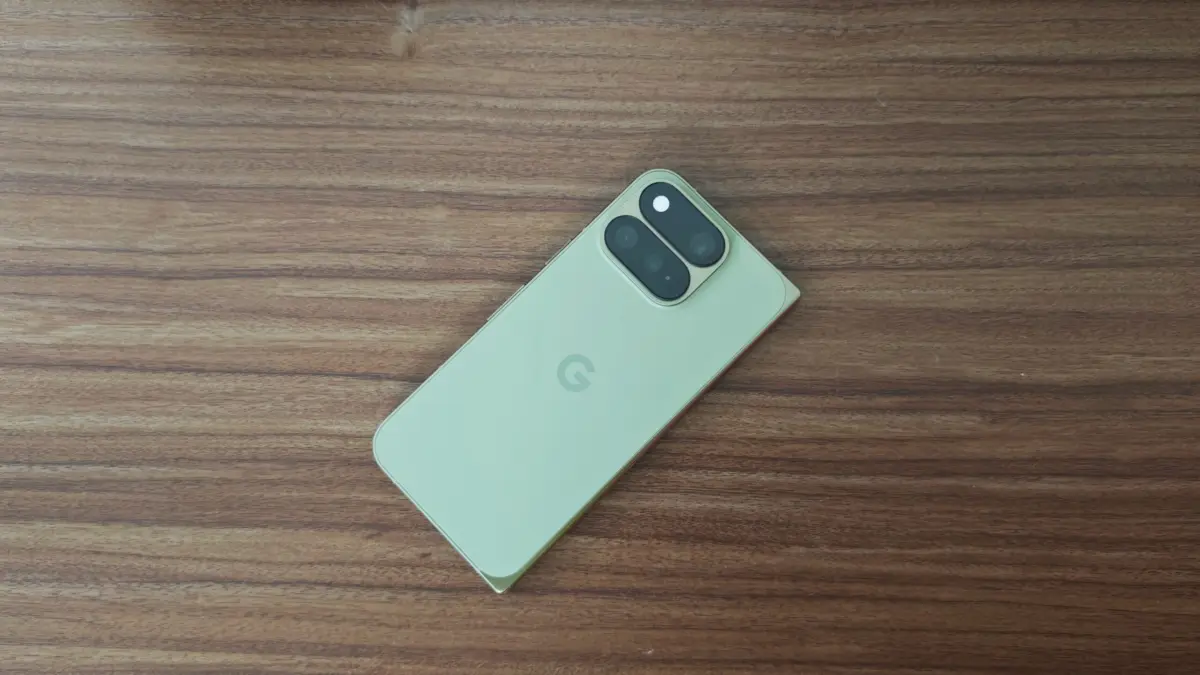
Underneath its familiar exterior, the changes implemented by Google are subtle yet deliberate. The latest iteration of the foldable introduces a slightly lighter chassis, a noticeably brighter display for improved outdoor visibility, enhanced wireless charging capabilities, and an updated camera sensor. Furthermore, the introduction of a new olive colorway offers a subtle yet striking aesthetic option that adds a touch of sophistication to the lineup. However, in a crowded marketplace brimming with diverse options, this incremental approach may struggle to capture the interest of consumers looking to purchase their first folding smartphone, leaving the device largely targeted at dedicated Pixel loyalists and enthusiasts.

Despite the conservative nature of the hardware updates, spending time with the Pixel 11 Pro Fold reveals a device that is remarkably pleasant to use on a daily basis. The cameras remain thoroughly competent, even if they ultimately fall short of the powerhouse imaging setup found on the standard Pixel 11 Pro. Similarly, the expansive inner screen continues to provide an enjoyable viewing and reading experience, though it retains a very visible crease down the middle that serves as a reminder of the physical limitations inherent to the current generation of flexible display technology.

Design
At first glance, the physical dimensions of the Pixel 11 Pro Fold show marginal improvements over last year’s model. When unfolded, the device measures 5mm in thickness, shaving off a fraction of a millimeter compared to the 5.2mm Pixel 10 Pro Fold. When folded shut, it measures 10.1mm thick, an improvement over the 10.8mm profile of its predecessor. In practical, everyday use, these minute reductions are primarily destined for the specification sheet, as the human hand is unlikely to perceive a dramatic difference. Compared to ultra-slim competitors on the market, such as the Honor V6 Magic, Google’s foldable still maintains a slightly chunkier profile.

A more tangible physical adjustment comes in the form of weight reduction. Holding both last year’s model and the new device side by side reveals that the Pixel 11 Pro Fold is 19 grams lighter. For a user upgrading directly from the previous generation, this shift is occasionally perceptible, but anyone purchasing the device fresh or transitioning from a competing brand will find the difference negligible.

Where Google deserves genuine credit is in structural durability. While the Pixel 10 Pro Fold was already recognized as a remarkably robust device, the company asserts that the new version boasts a threefold increase in overall durability. This is supported by the integration of a new glass-ceramic cover and a glass-fiber composite back cover designed to absorb and dissipate impact forces. In practical scenarios, accidental drops from tables or pockets fail to leave noticeable dents or scratches, demonstrating that Google’s engineering team has prioritized structural integrity alongside sleek aesthetics.

One notable characteristic of the hardware is the stiff, robust hinge. Designed intentionally to hold its position firmly, it prevents the phone from being easily unfolded with a single hand.

Turning to the displays, the outer screen has been expanded by a fractional margin, but the most significant and observable upgrade is its peak brightness, which now reaches an impressive 3,600 nits. This represents a substantial leap from the 3,000-nit peak display found on last year’s model, allowing for significantly improved readability and usability under harsh, direct sunlight.

Nevertheless, Google’s foldable continues to feature a prominent display crease. In an era where rival manufacturers like Oppo and Honor have made remarkable strides in minimizing the visibility of the fold, Google’s hardware still lags behind. The crease on the Pixel 11 Pro Fold remains clearly visible and tactile, particularly when viewed under bright ambient light conditions.

On the rear panel, the device features the signature HiLight indicator. Much like its predecessor, this light strip illuminates exclusively for incoming calls from designated favorite contacts and during hands-free interactions with the Gemini assistant, offering limited utility beyond these specific use cases.

Software and AI
Consuming media, reading articles, and browsing the web on an unfolding display remains an inherently enjoyable experience, though wider foldable formats often hold a slight advantage when it comes to video playback. Multitasking capabilities are robust, though they remain restricted to running two applications simultaneously in a side-by-side split view.

When applications are properly optimized for the expanded canvas, the foldable format truly shines. Gmail, as a native Google application, serves as an excellent example, allowing users to view their main inbox on one side of the screen while inspecting a specific email thread on the other, thereby streamlining email management. Conversely, popular productivity tools like Slack still lack a dedicated split-view interface. It remains a source of frustration for consumers that, despite numerous iterations of Android foldables, many third-party developers have yet to adapt their software to maximize the potential of expanded screens.

As the broader mobile ecosystem evolves, particularly with fast-moving developer adoption surrounding Apple’s new hardware formats like the iPhone Duo, Android risks feeling as though it is lagging behind in delivering a unified foldable application ecosystem. While opinions remain divided on how applications scale on alternative folding designs, developer responsiveness will play a critical role in shaping user perception.

To help bridge the gap, software features like floating app bubbles offer a practical utility. Users can access applications in floating windows and temporarily minimize them into a taskbar, allowing for quick reference to information without needing to commit the application to a full-sized window.

On the artificial intelligence front, updates to Gemini this year are relatively understated. Google has expanded upon its concept of Magic Cue, delivering timely, context-aware suggestions across various applications. Building on capabilities seen across the wider Pixel lineup, features designed to streamline communication allow users to rapidly draft replies to messages and emails or take notes without needing to rely on an expanded physical or virtual keyboard.

Camera
For years, folding smartphones have generally lagged behind their traditional, rigid "candybar" counterparts when it comes to photographic capabilities. While the Pixel 11 Pro Fold is no exception to this trend, Google’s ongoing decision to apply the "Pro" moniker to its foldable lineup feels somewhat misleading. The cameras on the Pixel 11 Pro Fold are certainly capable, but they do not match the elite performance delivered by the standard Pixel 11 Pro XL.

There are, however, several notable hardware and software improvements included in this year’s model. The main sensor has been updated—retaining a 48-megapixel resolution—to allow for increased light intake, resulting in photographs with enhanced detail and clarity, particularly in challenging lighting conditions. Furthermore, Google has updated its internal processing models to support up to 30x Super Res Zoom, an upgrade from the 20x limit found on the previous generation.

Despite these additions, the telephoto and ultrawide sensors remain largely similar to those found on last year’s device, yielding minimal perceptible improvements in images captured using those focal lengths. Even if hardware constraints prevent the inclusion of the exact same ultrawide and telephoto components used in the slab-style Pro phones, the absence of the primary sensor from the traditional flagship remains a notable compromise.

On the software side, the camera suite introduces new tools such as Looks, which enables users to modify the color tone of images using various presets, and Magic Capture, a feature designed to automatically extract the sharpest frames from a video recording—proving particularly useful when photographing fast-moving children or pets.

Price
Priced at $1,899, the Pixel 11 Pro Fold is clearly positioned for dedicated brand loyalists who specifically desire a folding form factor within the Google ecosystem. This price point places it just $100 below the newly launched iPhone Duo and directly in line with the standard pricing of the Samsung Galaxy Z Fold 8, both of which utilize alternative wide-format designs. For consumers in the United States, the taller Galaxy Z Fold 8 Ultra commands an even higher starting price of $2,099.

As international brands such as Xiaomi and Honor continue to introduce their own folding device lineups to European and global markets, Google’s foldable will face an increasingly competitive landscape.