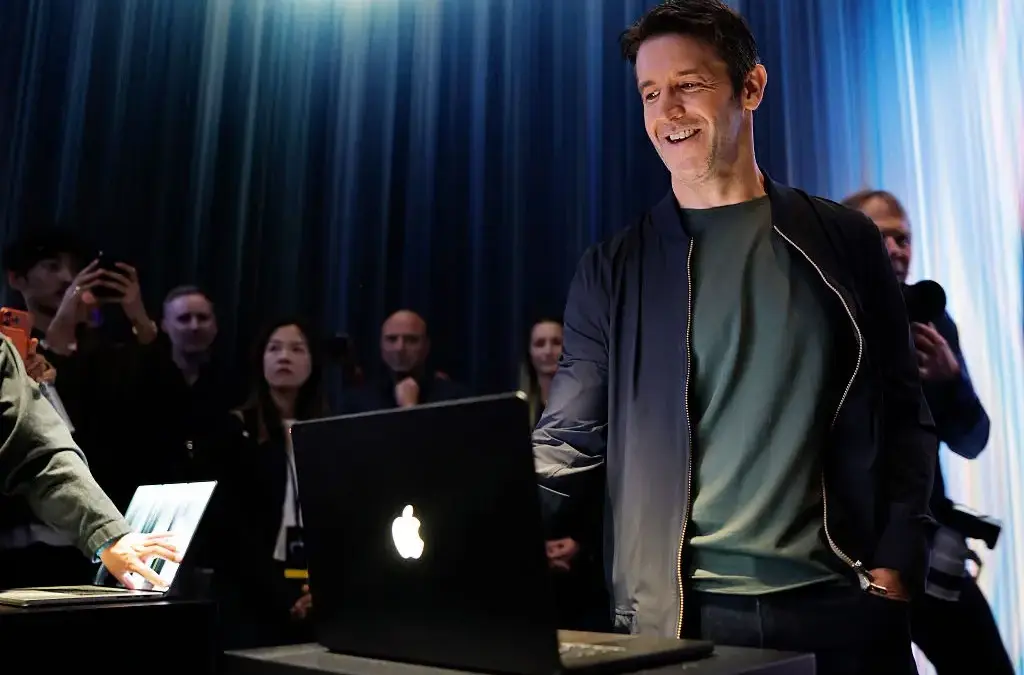
In a wide-ranging discussion that touches upon the evolving landscape of technology, consumer expectations, and corporate strategy, Apple CEO John Ternus has offered a robust defense of the tech giant’s current position in the artificial intelligence sector. Speaking extensively with Wired’s Steven Levy, Ternus addressed lingering industry criticisms that Apple has been slow to adapt to the generative AI boom, while outlining a philosophy that prioritizes human-centric design over rushing features to market.
The conversation comes at a transitional moment for the Cupertino-based company. Over the past couple of years, critics and market analysts have frequently characterized Apple as falling behind competitors like Google, Microsoft, and OpenAI in the fiercely contested AI race. These perceptions were amplified by delays surrounding the release of a significantly more powerful, context-aware version of Siri, an upgrade that consumers and industry watchers had anticipated for some time. However, that much-discussed iteration of Apple’s digital assistant finally launched earlier this summer, setting the stage for a new chapter under fresh leadership.
Ternus stepped into the role of chief executive officer at the beginning of September, following a successful tenure as a longtime hardware and product engineering executive. In his inaugural memo to employees sent just weeks prior to taking the helm, he had already begun hyping a major product season for the company. Now, sitting down for one of his first deep-dive media engagements as CEO, Ternus acknowledged the external noise surrounding Apple’s pace in artificial intelligence while remaining entirely unfazed by the skepticism.
“Everyone has an opinion,” Ternus remarked during the interview with Levy, before emphasizing his confidence in the company’s trajectory. “I really like where we’re at.”
Rather than chasing every emerging trend or deploying technology simply because it is available, Ternus articulated a deliberate, measured approach to integrating machine learning and AI capabilities into Apple’s expansive hardware and software ecosystem. He made it clear that while artificial intelligence is a critical tool for the future, the company’s internal benchmarks remain tethered to user experience rather than marketing buzzwords.

“We’re absolutely going to leverage AI in our new products,” Ternus explained. However, he drew a sharp distinction between Apple’s strategy and what he views as a broader industry rush to deploy features prematurely. “We don’t want to ship AI for AI’s sake. When we’re doing it right, people won’t have to think about whether it was AI that made this happen or more traditional software. What matters is, did we build something that they really love?”
This philosophy reflects Apple’s historical playbook, where the company frequently enters existing product categories or technology trends later than competitors, choosing instead to refine the implementation until it integrates seamlessly into the daily lives of consumers. By focusing on utility, privacy, and performance embedded directly into the operating system—often processed on-device through Apple Silicon—the company aims to make advanced computational tools feel completely natural rather than novel or jarring.
The conversation with Wired also ventured into broader theoretical territory regarding the future of computing and software development. Levy pressed the new CEO on long-term industry projections that suggest advanced AI agents could eventually become so capable that they render traditional smartphone applications entirely unnecessary. Under such a paradigm, users might interact solely with an overarching assistant that handles tasks across the web and operating systems on their behalf, bypassing the need for dedicated app interfaces altogether.
Ternus acknowledged the theoretical convenience of such a future, while reaffirming Apple’s fundamental dedication to the craft of physical and digital product creation.
“That could make life really easy, I suppose,” Ternus replied when asked about a potential app-less, agent-driven future. Yet, he quickly pivoted to what he sees as the soul of Apple’s corporate mission. “The creation of products is a deeply human and personal thing, something that we love to do.”
As Apple moves forward under Ternus’s leadership, the company continues to balance the immense consumer appetite for advanced artificial intelligence features with its traditional emphasis on refined design, ecosystem integration, and user privacy. With the revamped version of Siri now in the hands of millions of users and new hardware lineups making their debut in Los Angeles and worldwide, Ternus’s recent comments signal that Apple intends to chart its own course through the AI era—one defined not by the speed of deployment, but by the perceived value and emotional resonance of the final experience.