Google has capped off the week by delivering a substantial and much-anticipated update for Gemini for Home alongside a fresh wave of improvements for its broader smart home application. Detailed in a comprehensive release notes changelog published late in October, the latest software patch takes direct aim at several frustrating user complaints that have plagued smart displays, connected speakers, and automated home environments during the early access phase of Google’s next-generation artificial intelligence integration.
Chief among the fixes in this week’s rollout is a targeted solution for one of the most baffling glitches experienced by early adopters: Gemini’s tendency to suddenly interject with the "Sorry, I didn’t understand" error message out of nowhere. Users previously reported that smart displays and speakers would blurt out this failure notification even when no one in the room had spoken a word or triggered the assistant. According to Google’s engineering notes, this phantom error behavior has been addressed and patched in the current update, bringing much-needed peace and quiet back to living rooms and kitchens.
Beyond silencing unintended errors, the update brings significant refinement to how Gemini processes cross-room commands and media playback. Users frequently experienced roadblocks when trying to route media across different zones of a house. With this latest software revision, Gemini is designed to demonstrate a much better understanding of directional requests, such as telling the assistant to switch music playback to a speaker or display located in another room. Google notes that it is rolling out more reliable command sets specifically for YouTube TV, ensuring that requested television content plays back seamlessly and as intended the first time a user asks.
Volume control and automated routines have also been a notable pain point for smart home enthusiasts relying on Gemini, and the new patch implements critical corrections in these areas. Google confirmed that it is actively deploying a fix for what was previously categorized as "zero volume timers and alarms." In several documented instances, users would successfully set an alarm or a timer, only for the underlying audio volume to inexplicably drop to absolute zero by the time the alert triggered, resulting in missed wake-ups and overlooked cooking timers.
Furthermore, Google is tackling a frustrating cross-device volume routing bug. Previously, asking the system to adjust the audio level on a speaker or display in a completely different room could inadvertently alter the volume of the exact device the user was currently speaking into, particularly if the secondary target device could not be immediately located on the network. The new update aims to eliminate this cross-talk ambiguity, ensuring commands are executed precisely where intended.
Parallel to the Gemini adjustments, the companion Google Home app is receiving a robust suite of updates and bug fixes, headlined by enhanced functionality for Matter-certified smart devices. The patch notes indicate that Android users will now be granted direct visibility into detailed energy data originating from compatible Matter products. Plugs and energy monitors that support the standard will soon display both real-time power metrics measured in milliwatts and total energy consumption metrics measured in kilowatt-hours directly on their assigned device tiles and controller screens within the app interface.
To complement these energy-monitoring capabilities, the Google Home app now allows users to quickly toggle their connected devices into dedicated power-saving modes directly from the application interface. The update also introduces refined icons and streamlined controls for Matter-certified accessories operating on Android devices. Additionally, the Google Home app is introducing a more organized layout, automatically categorizing connected hardware by specific device types, including garage doors, gates, windows, blinds, cabinets, and other household fixtures, making large smart home ecosystems significantly easier to navigate.
Subscribers utilizing Google Home Premium tiers will also find a dedicated pathway to locate and manage their subscription benefits. Google has centralized these features within the application menus, allowing members to access them simply by navigating through their user profile, selecting Google Home Premium, and opening the features menu where specific perks can be enabled or configured. These adjustments sit alongside a wide-ranging set of background updates tailored specifically to improve the performance, reliability, and event notification handling of smart home security cameras.
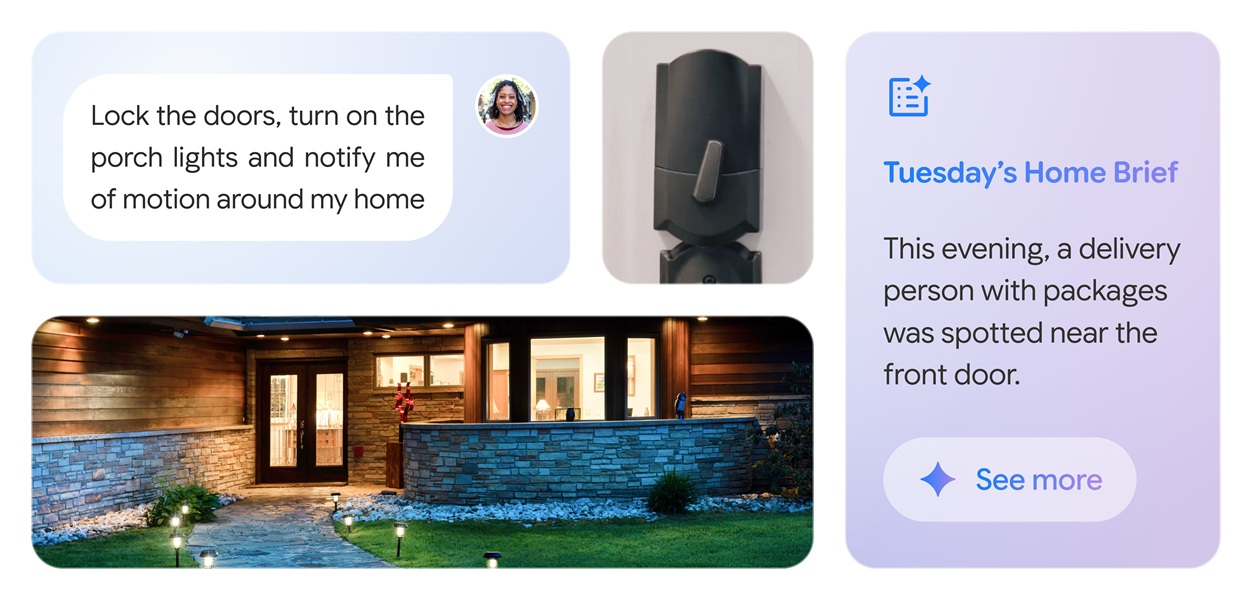
This latest software release represents the continuation of a long and iterative road for Google as it weaves Gemini deeper into its consumer smart home architecture. The technology giant has dedicated substantial engineering resources over recent product cycles to deliver purposeful patches addressing user friction points. These efforts have previously included performance-focused updates designed to drastically accelerate response times, with Google claiming past optimizations sped up the assistant’s processing by up to 40 percent.
Earlier architectural updates, such as a prominent patch deployed earlier in the year, focused heavily on expanding Gemini’s natural language comprehension within smart home environments. Those changes were engineered to relieve users from the burden of memorizing rigid, syntax-heavy phrasing, allowing the assistant to better interpret casual phrases and conversational context when controlling household appliances and media systems. As the early access period for Gemini for Home progresses, Google continues to rely on user feedback and frequent over-the-air patches to smooth out the transition from legacy Google Assistant behaviors to its more advanced AI platform.