
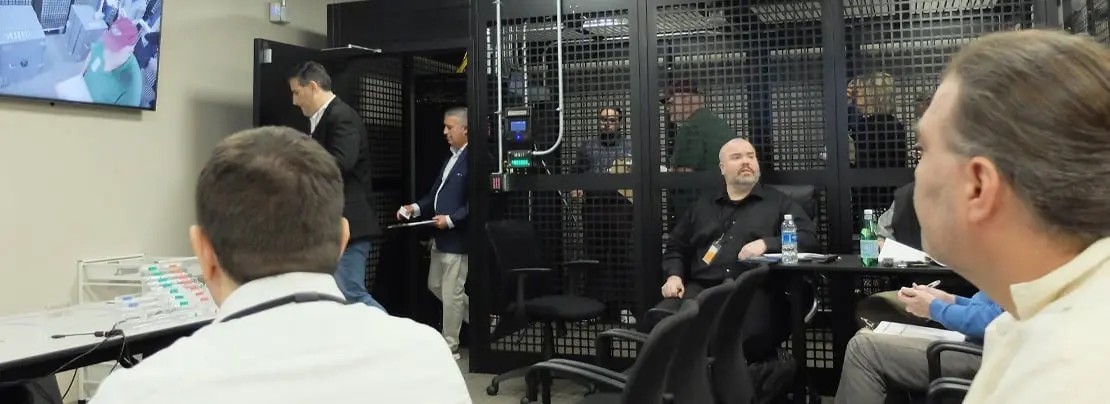
Deep inside a heavily fortified, highly restricted high-security facility located in Culpeper, Virginia, specialized staff operate within an inner secure zone designed to protect some of the most critical infrastructure underpinning the modern internet. It is here, behind multiple layers of physical and digital security, that the foundational elements of the global Domain Name System (DNS) are carefully managed and maintained.
The security and stability of this global infrastructure are once again in the spotlight as the internet community approaches a major operational milestone. On October 11, 2026, the deployment of the third Key Signing Key (KSK) will officially be completed, marking the culmination of the second DNS root KSK rollover process—a complex, multi-year undertaking coordinated across multiple global organizations.
This intricate process involves replacing the top-level KSK used to cryptographically secure the DNS root zone, ensuring the ongoing integrity and trustworthiness of all DNSSEC-signed data across the worldwide web. The significance of this event is the focus of a recent episode of the technical podcast PING, which features insights from Duane Wessels, a fellow at Verisign and a recognized researcher specializing in DNS architecture who has previously contributed to the platform.
The History and Evolution of Root Zone KSK Rollovers
The practice of executing a root KSK rollover is a deliberate and carefully calibrated procedure, though it is one that requires extensive preparation and patience. The very first KSK rollover in internet history took place in 2017, setting a precedent for how the global community manages cryptographic trust anchors. Following that initial success, planning for the second rollover encountered unexpected operational circumstances and delays in both 2020 and 2023, pushing the timeline outward. The original root KSK itself had been initially deployed way back in 2011.
With the upcoming transition on October 11, 2026, the new cryptographic key pair will enter active service for the very first time, taking over the critical responsibility of signing the root zone. Concurrently, the previous key pair will officially stop being utilized for active signing operations. However, to ensure a smooth transition and prevent validation failures across various networks worldwide, the old key will remain visible in the root zone for a transitional period until early 2027, eventually being phased out entirely.
Observing Resolver Behaviour and Technical Insights
During the PING episode, Duane Wessels also explores recent, in-depth DNS research conducted alongside Roy Arends from ICANN. Their collaborative work focuses heavily on closely examining how validating resolvers behave during the course of a root KSK rollover, shedding light on global adoption rates and potential operational friction points.
Their ongoing research is documented in a series of technical publications. Their latest blog post, titled "The 2024-2026 Root Zone KSK Rollover: Updates and Observations," published in July 2026, directly builds upon their earlier foundational article from March 2025, which was titled "The 2024-2026 Root Zone KSK Rollover: Initial Observations and Early Trends." Together, these two comprehensive articles offer a fascinating window into how the researchers’ technical understanding and analytical models evolved as the rollover progressed over the years, and how lessons learned from initial observations successfully informed their subsequent analysis.
![[Podcast] The October 2026 root KSK roll | APNIC Blog](https://blog.apnic.net/wp-content/uploads/2025/06/KSK_FT.jpg)
The DNS root KSK functions as the fundamental, indisputable source of trust for all DNSSEC-signed data traversing the global domain name system. The rigorous administrative and technical management procedures governing the private keys associated with this vital public-private key pair are meticulously documented and overseen by IANA on its official DNSSEC webpage. Within this ecosystem, Verisign plays several indispensable roles, contributing directly to the generation, ongoing maintenance, secure distribution, and operational utilization of the resulting cryptographic key material.
Enhanced Visibility and Global Adoption Metrics
Wessels follows these developments closely, drawing from both his active participation in the formal ICANN/IANA key ceremonies and the unique operational visibility that Verisign possesses into global DNS traffic patterns. This visibility is largely driven by the extensive anycast infrastructure of the J root server. This combination of hands-on operational involvement and massive scale data analytics provides researchers with unparalleled insight into precisely how resolver behavior shifts and adapts during a high-stakes root KSK rollover event.
Crucially, Wessels and Arends were able to analyze resolver behavior during this current rollover with a significantly higher degree of visibility than was technically possible during the pioneering root KSK rollover back in 2017. In the years following that first event, a steadily growing proportion of DNS resolvers have implemented a specific signaling mechanism defined in RFC 8145. This important standard allows validating resolvers to actively indicate which Trust Anchors they currently have installed and are utilizing in their operations.
As a result, network operators and researchers now have a much clearer, data-driven picture of Trust Anchor adoption rates across the entire global internet. Detailed time-series data compiled by the researchers clearly maps out the progressive deployment and integration of the new key material across diverse network environments.
Preparing for the Milestone
Key rollovers within the architecture of the DNS are inherently not one-time, instantaneous events. Instead, they represent carefully managed, multi-year lifecycles. The current rollover effort is reaching its next major operational milestone later this month. When the calendar turns to October 11, 2026, the newly minted KSK will officially commence signing the root zone, while its predecessor is retired from active duty.
Importantly, this transition has been years and months in the making. The new KSK was published in the root zone beginning in January 2025, and it subsequently became eligible for automated installation by validating resolvers via the RFC 5011 Trust Anchor update process as of February 2025. This long lead time has provided network operators, system administrators, and infrastructure providers with ample opportunity to update their underlying systems, verify their configurations, and successfully adopt the new Trust Anchor well ahead of the final signing transition.
Leave a Reply