The open-source and Linux ecosystems continue to experience rapid evolution, ranging from foundational system architecture shifts and AI-generated kernels to major enterprise migrations away from traditional proprietary virtualization. Recent developments across the community highlight a renewed focus on security, immutable infrastructure, and unique hardware integrations, alongside spirited discussions regarding desktop application compatibility and software longevity.

Foundation Architecture and Kernel Innovations
Amutable has officially opened signups for design partners interested in testing a new immutable, image-based system architecture. Developed by the engineers behind systemd, the project introduces a security model where every configuration change and system update is shipped as a cryptographically signed package. To enhance security posture further, the system relies on hardware attestations to rigorously verify a machine’s operational state before permitting any new deployments to proceed.

Meanwhile, the Linux kernel landscape saw a fascinating experimental milestone with the emergence of Ginux. Created by Gregory Kurtzer, Ginux is a brand-new kernel written in Rust that executes unmodified Linux binaries natively despite not utilizing the Linux kernel underneath. Demonstrating the rapidly evolving capabilities of artificial intelligence in systems programming, an AI agent generated 139,000 lines of code across eleven days. This project serves as a compelling proof of concept, illustrating that a fully Linux-compatible operating system kernel can be synthesized entirely from scratch without requiring a direct fork of the original upstream source tree.

In kernel mailing list developments, the proposed BeamFS filesystem entered the review stage as a Request for Comments (RFC), accompanied by necessary developer warnings regarding existing data loss bugs. Although BeamFS remains largely untested within actual high-radiation operational environments, its core design philosophy prioritizes the aggressive detection of storage corruption over the silent propagation of compromised data.

In related system design news, FreeBSD pioneer Jordan Hubbard constructed a brand-new utility named Daemonarchy in under two hours utilizing GPT Astra 6. The project was conceived as a direct response to frequent user requests emphasizing that the FreeBSD ecosystem deserved a streamlined, modern installation experience comparable to Omarchy.
Enterprise Infrastructure and Industry Trends
Enterprise IT strategies are shifting significantly in response to licensing cost structures. Retail giant Tesco has announced plans to transition its in-store infrastructure away from VMware, opting instead to migrate toward Proxmox. This architectural pivot comes in the wake of Broadcom’s decision to phase out traditional perpetual licensing models and implement sweeping price increases that demand roughly 175 percent higher costs. A recently posted corporate engineering role indicates that Tesco anticipates a gradual, phased migration away from VMware infrastructure culminating by the end of 2027.

Shifting toward desktop productivity and developer workflows, Mirko Brombin, creator of the Bottles project, has articulated a strong stance regarding application accessibility on Linux. Brombin is actively working to bring native Microsoft Office execution reliably to Linux environments, arguing that real-world users frequently require these specific proprietary tools regardless of the technical merits or ecosystem maturity of alternative office suites like LibreOffice. During recent community discussions, Brombin also touched on the design philosophy behind software clones that attempt to replicate complex suites pixel for pixel, alongside updates regarding his ongoing work on Vanilla OS and the newly announced Sinty OS.
Hardware, Homelabs, and Embedded Systems
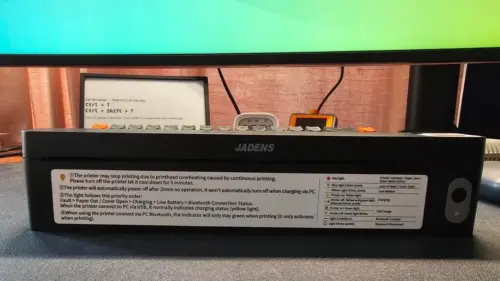
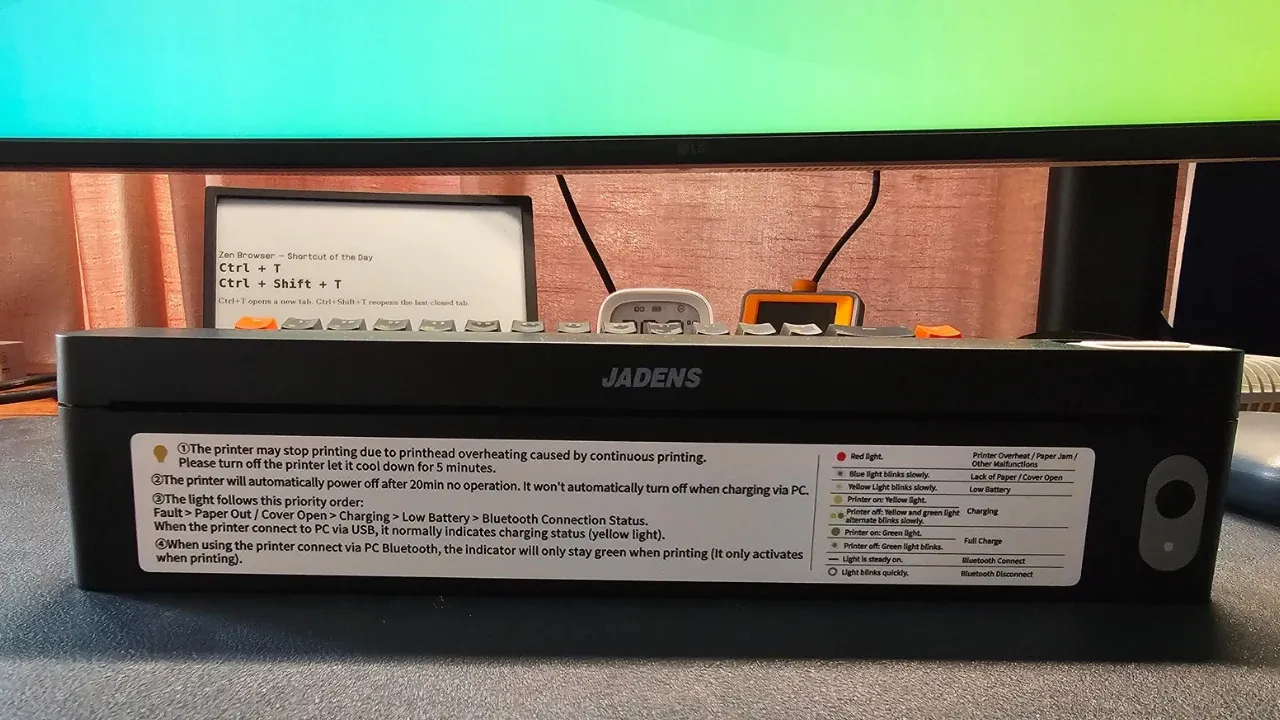
The hardware and embedded computing sector continues to see innovative form factors and specialized devices tailored for open-source enthusiasts. Recent evaluations highlight unconventional hardware, such as a tiny, inkless, portable thermal printer tested on Ubuntu 26.04, demonstrating unique printing capabilities for lightweight Debian-based environments.

In single-board computer developments, ArmSoM has introduced the Sige7s, a compact, Raspberry Pi-sized development board powered by the capable RK3588S chip. The hardware features a dedicated neural processing unit delivering 6 TOPS of AI performance, alongside modern connectivity options including Wi-Fi 6, an HDMI 2.1 interface, and support for up to 32GB of system RAM. Additionally, modular electronics prototyping hardware continues to gain traction, exemplified by crowdfunding campaigns for USB-C hubs that seamlessly integrate Framework-compatible expansion cards with integrated measurement and power delivery tooling.
Developer Tools and Community Highlights
For developers and systems administrators managing codebases, code snippet management tools continue to evolve. The open-source application massCode has recently received a major overhaul, introducing modern productivity features alongside newly integrated Model Context Protocol (MCP) capabilities designed to streamline how developers store, organize, and retrieve reusable code segments.
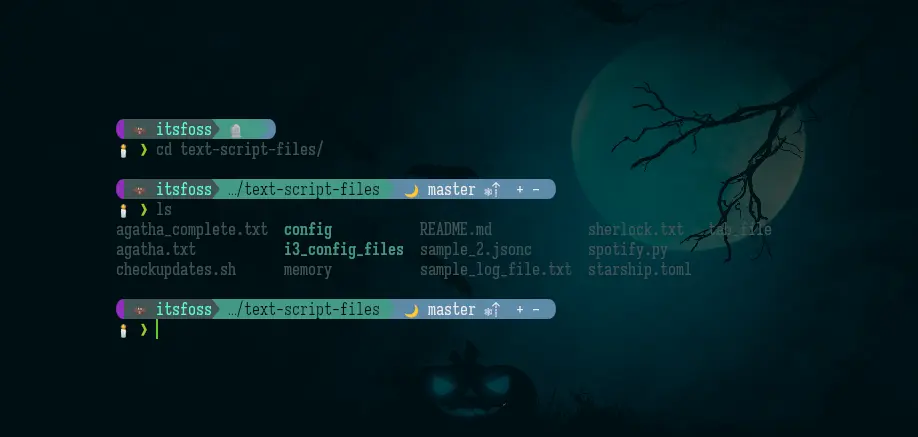
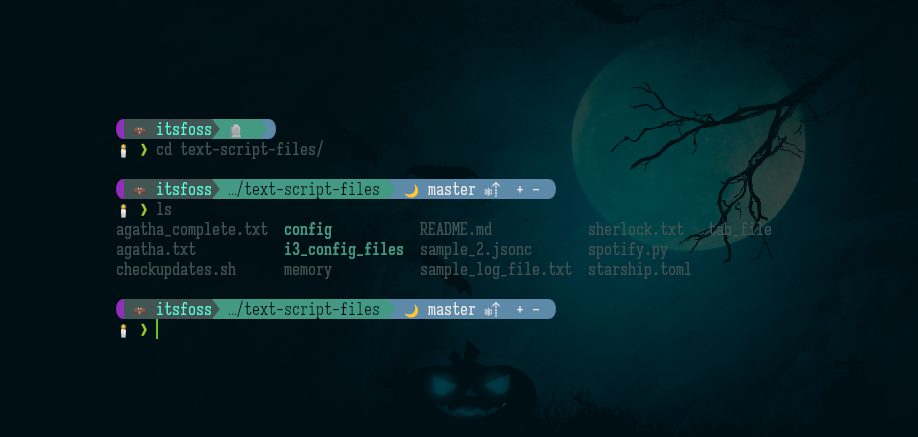
Desktop customization and environment tailoring also remain a vibrant staple of the community. Advanced terminal emulators and tiling window managers frequently receive aesthetic and functional updates, ranging from specialized Halloween-themed configurations for the Kitty terminal and Hyprland dotfiles to comprehensive video demonstrations showcasing advanced desktopricing modifications on GNOME.
As the open-source landscape looks toward the horizon, community discussions continue to actively engage with pressing security considerations—such as recent global vulnerability disclosures affecting widely deployed web technologies like PHP—ensuring that developers, administrators, and enthusiasts remain aligned on hardening modern infrastructure against emerging threats.